
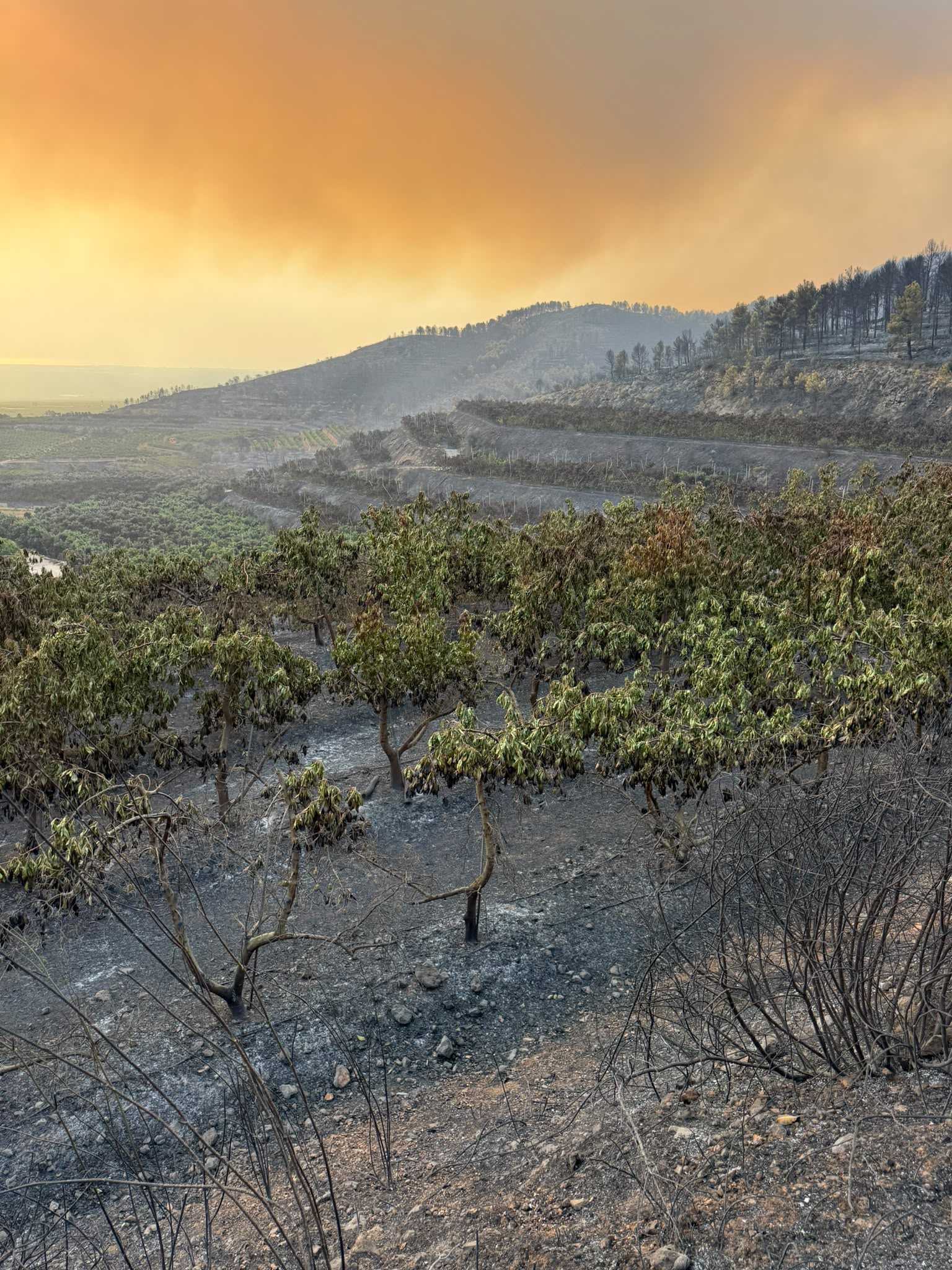
"Seeing how the fire has devastated a farm we've been working on for so many years hurts deeply. Fortunately, we are all fine, which is the most important thing. Now it's time to assess the damage, restore irrigation, and see which trees we can save." Héctor Edo, Finca Aguas Vivas
Published August 2026
Why is Europe burning more intensely? The end of the conspiracies.
This summer, we are watching the fields of the farmers we work with burn. We are also seeing the conversation catch fire, both in political debates and at family gatherings. We are putting the data on the table to understand what is really behind all this smoke.
In context
Last week, a fire broke out in Vall d’Uixó (Castellón, Spain). In four days, when we began this investigation, it had burned more than 7,200 hectares and forced the evacuation of 16,000 people from 18 municipalities. Part of those hectares belonged to the Aguasvivas farm, owned by our farmer Héctor Edo, where we estimate that about 3,000 trees burned.
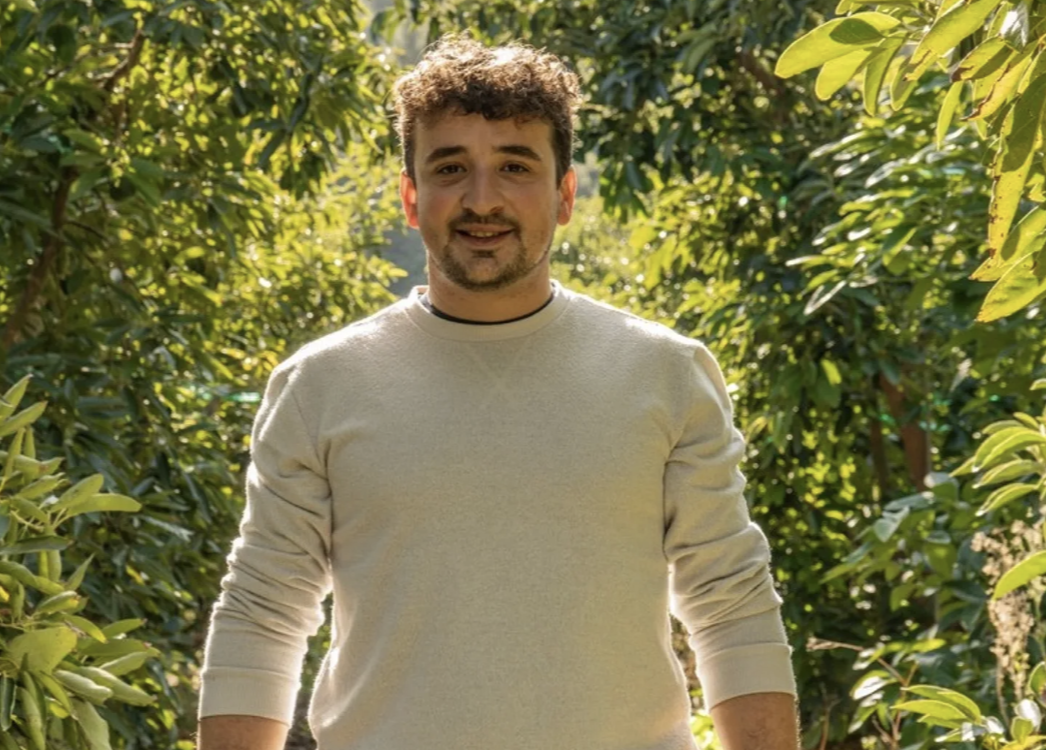
Héctor’s case is one among thousands this summer in Europe. While the firefighting teams worked, politics was filled with announcements. In Spain, Pedro Sánchez called for a state pact and warned that “climate denialism is the worst of fuels.” In France, with the Gironde mega-fire near Bordeaux, Emmanuel Macron promised “zero tolerance” for arsonists and noted that the country had not seen so many simultaneous outbreaks since the post-war period. And from Brussels, the European Commission acknowledged that the continent’s firefighting capacity is overwhelmed.
And then, the after-dinner conversation. There, the theories are diverse, but always stated with crushing certainty and no nuance: the wilderness burns because “they don’t let us clear it”; it’s the fault of environmentalists and laws that prevent clearing and creating firebreaks; they talk about climate change, but almost all fires are intentional.
There is even a common-sense doubt that reinforces the feeling that something doesn’t add up: if winter and spring were so rainy in much of Europe, how can the countryside burn like this?
Are there really more fires now?
On a global scale, the burned area has been decreasing for years, and carbon emissions from fires are at record lows since satellite records began. The reason: for decades, most of the world’s burning came from Africa and Asia, where fire was an agricultural tool; urbanization and mechanization have greatly reduced it.
But closer to home, the story is the opposite. In temperate Europe (the northern and central half of the continent), with a humid climate that historically saw few fires—Atlantic France, Germany, the Netherlands, the United Kingdom, the Nordic countries—and in the Mediterranean arc, fire is not decreasing: it is changing in nature.
Less surface area on the planet is burning, but what burns in Europe is larger, faster, and harder to extinguish.
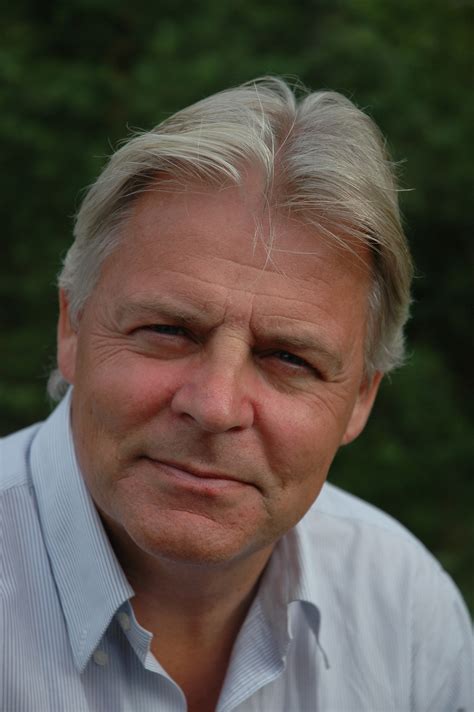
“There have always been fires in the Mediterranean; the difference is that now the fires are much, much larger and much, much more intense." Thomas Elmqvist (Stockholm Resilience Centre)
This new nature of fire is triggered when the 30-30-30 rule is met: temperatures above 30°C, relative air humidity below 30%, and winds over 30 km/h coincide. In recent Mediterranean campaigns, humidity has dropped below 20% and wind gusts have exceeded 50 km/h, turning any small outbreak into a fire beyond human firefighting capacity.
- They go off the firefighting scale. So-called sixth-generation fires release so much energy that they “create their own weather.” The Saumos fire (Gironde) formed the first documented pyrocumulonimbus in France: a firestorm that throws dry lightning and embers for kilometers. CNN is already talking about blazes with the intensity of “atomic bombs” and a “new era of fire” in Europe.
- They last longer and reach further north and higher altitudes. The EU Joint Research Centre (JRC/EFFIS) confirms that climate change is lengthening the fire season beyond summer and bringing fire to areas that didn’t burn before.
- They are back-to-back. After the record year of 2025, 2026 is extreme again. Europe joins the list of regions—from Siberia to the Amazon—that are already experiencing extreme fire seasons year after year.
- Nights no longer put out the fire. Traditionally, the arrival of night brought a drop in temperatures and an increase in environmental humidity that acted as a “natural brake.” However, recent heatwaves have recorded nighttime lows above 22°C. Without cooling down, the flames continue to burn in the early hours with the same virulence and intensity as at high noon.
In short: as long as we continue to heat the atmosphere, we can expect more frequent and more intense fires, in more months of the year and in more countries. It is not the misfortune of one bad summer; it is a trend.
What are the (real) reasons?
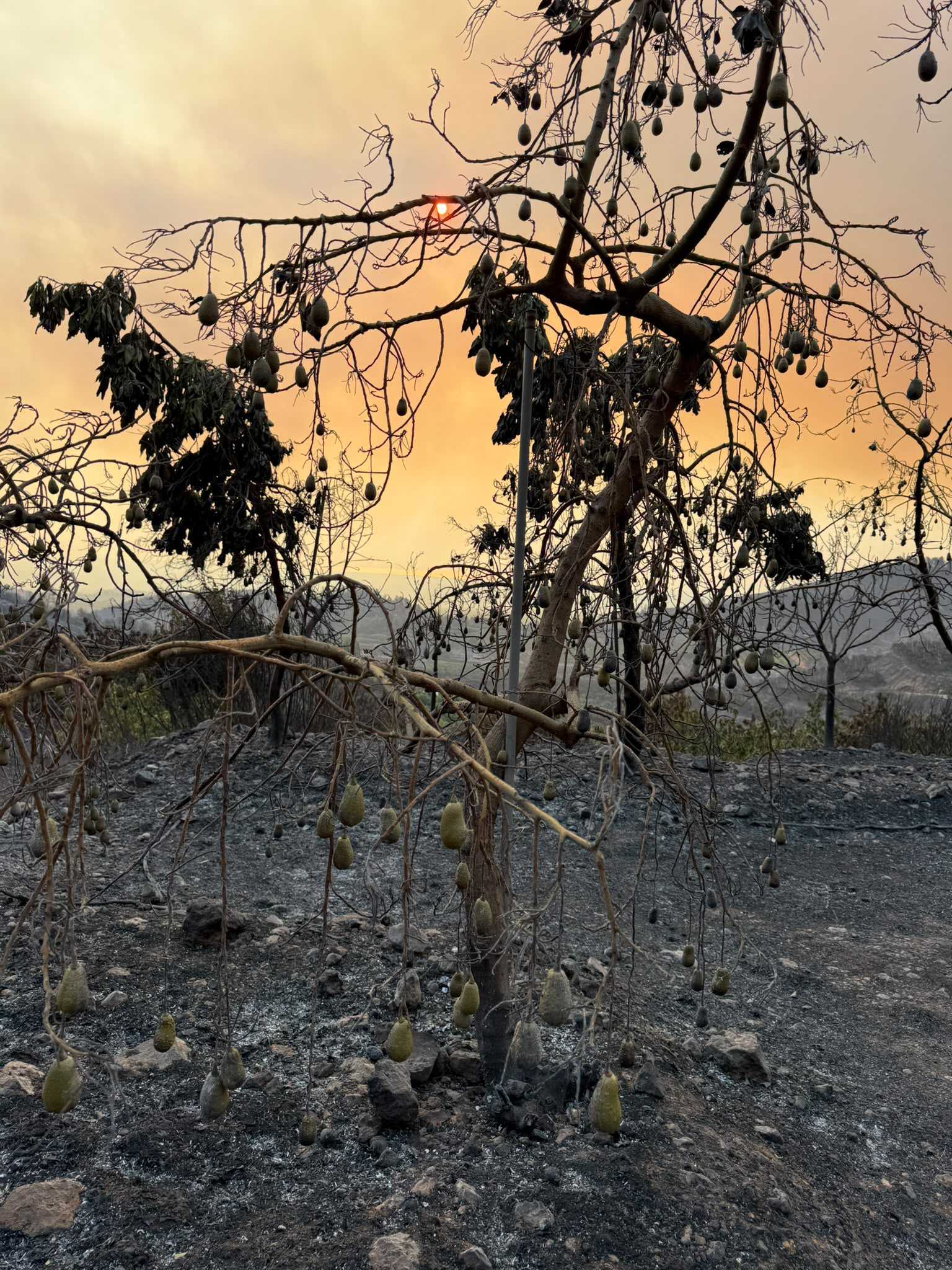
There is no single cause, but there are two ingredients that, when combined, produce disaster: an overheated atmosphere over an abandoned landscape loaded with fuel. Neither of the two, on its own, explains what we are experiencing.
The “thirst” of the air
The key scientific indicator is called Vapor Pressure Deficit (VPD): it measures how “thirsty” the atmosphere is. It represents the difference between the humidity the air could hold based on temperature and what it actually has at that moment. When the temperature rises, the air behaves like a giant sponge that becomes increasingly larger and more voracious. Because the environment is dry, the atmosphere violently sucks water from the soil and from inside the plants. These, in an attempt to defend themselves by closing the pores of their leaves, end up completely dehydrated and transformed into a continuous powder keg ready to burn.
And if the winter was wet, why does the countryside burn so fiercely? Scientists call it meteorological whiplash: spring rains stimulate massive growth of grass and fine brush. When heatwaves hit, the “thirst of the air” (the high VPD) evaporates that moisture in a matter of weeks, turning all that new vegetation into a carpet of dry, uninterrupted fuel.
The landscape that emptied.
In fifty years, the rural exodus erased the mosaic that divided the wilderness: cultivated plots, pastures grazed by livestock, managed forests. What remained were continuous and homogeneous masses that accumulate biomass without management. As TIME itself says, quoting experts, the abandonment of the countryside has created “a type of landscape much more vulnerable to mega-fires.”
The intuitive reaction is simple: if the problem is an empty field full of dry weeds, the solution is to “refill” it with forest or crops. But not just any refill protects; depending on how it’s done, it can even make things worse. Two common traps:
Repopulating with monoculture does not create a resilient forest.
It is worth clarifying the term: a forest plantation is a mass planted with a single species to produce wood or paper pulp (the rows of pine and eucalyptus we see on many hillsides), something very different from a natural and diverse forest. The European Environment Agency says it bluntly: mixed and broadleaf forests burn less, while monocultures, especially of conifers, are more flammable; converting these plantations into mixed masses makes them more resistant. A study in Nature Communications calculates that, in temperate countries, a plantation is twice as likely to be destroyed by fire as an equivalent natural forest.
“Agriculture” is also not synonymous with protection: it depends on how it is farmed.
What stops fire is not farming for farming’s sake, but two things: a fragmented landscape (the mosaic) and live, moist, managed vegetation. Intensive conventional agriculture works against both. Continuous tilling, monoculture, and bare soil degrade the land and reduce its ability to retain water, and soil poor in organic matter dries out sooner and is more vulnerable to drought and fire. Furthermore, it tends toward large uniform blocks that do not break continuity, and uncontrolled stubble burning is a common source of ignitions. In contrast, recovering old farmland and maintaining live “agricultural belts” around villages does slow the advance of flames and facilitates firefighting.
Almost all fires are started by a person.
In Europe, around 95–96% have a human origin. But “human” is not the same as “intentional”: a good portion are due to negligence and accidents (a cigarette butt, a spark from a machine, a burn that gets out of control) and only a part are intentional. In France, the Ministry of Agriculture estimates that 9 out of 10 fires are caused by people, almost always due to carelessness. And, above all, the origin of the ignition does not explain why a fire becomes uncontrollable. A cigarette butt in a grazed, moist forest goes out; the same cigarette butt in an abandoned forest dehydrated by the “thirst of the air” becomes a mega-fire. What makes the difference is the climate and the fuel, not who struck the match.
The Forestry Law does not prohibit prevention: it mandates it.
The law imposes clearing, pruning, and cleaning tasks on owners. There is no regulation, state or European, that prevents cleaning or clearing. Furthermore, for example, in Spain about 72% of the wilderness is private: when something is not managed, the responsibility falls primarily on its owners and the funding of prevention, not on an environmentalist veto.
But it would be dishonest to deny that bureaucracy and permits can be slow, that there are more restrictions in protected spaces, and that many owners do not have the means to manage their plots. That is the useful conversation.
And firebreaks? The same happens with firebreaks: making them is not prohibited; it is part of that mandatory prevention and the plans for each territory. The viral case that “environmentalists paralyzed firebreaks” between Madrid and Toledo was debunked by Maldita.es: that 2015 halt was due to reports of uncontrolled felling of healthy trees, not an environmental veto.
But a technical nuance is needed: firebreaks help, they are not magic. Under extreme conditions, a sixth-generation fire jumps them with a rain of embers that falls kilometers from the front. That is why the trend is not to open increasingly wider bare strips, but “living” firebreaks: pasture-firebreaks maintained by livestock, which break the continuity of the fuel and, on top of that, produce.
How do we face this trend?
There is no silver bullet. There is a ladder, from the most immediate to the most structural.
Protect houses first
When these new fires reach urbanizations and villages integrated into the wilderness, emergency services suffer a tragic operational collapse: it is physically impossible to extinguish the forest, evacuate thousands of residents, and save homes simultaneously. The idea is simple: if a house can hold out on its own for a few hours, firefighters don’t have to stay to defend them one by one and can go to stop the fire in the forest.
To do this, around each home or urbanization tucked into the wilderness, a clear ring is needed: a margin without dry brush or branches touching the house, so that the flames do not jump directly to the roof. It is cheap, fast, and saves lives. Added to this is keeping the self-protection plans of each village up to date.
Bring life back to the landscape
Extensive livestock farming: a herd is a 365-day brigade.
Sheep, cows, and goats eat the brush and pasture that would be fuel in summer, open paths, and keep the wilderness discontinuous. The EU has already recognized the role of extensive sheep and goat farming in prevention. Grazing is not an isolated solution nor does it explain fires on its own, but it is one of the most effective and cheapest tools we have.
Mountain agriculture and mosaics.
Mountain agriculture is practiced on slopes and at altitude (terraces, small plots, high pastures), with high costs and low profitability; that’s why it’s the first to be abandoned. But it is what weaves the mosaic: a territory fragmented into crops, pastures, and forest does not let the fire run. Recovering it is building living firebreaks that no firefighting budget can buy.
Diverse forests instead of monocultures.
Where there is currently continuous pine or eucalyptus, move toward mixed masses with native and broadleaf species, which burn less easily and recover better.
Additionally, it is recommended to manage the forest so it has less fuel and is less connected: thinning trees when they are too close together, removing weeds and low branches, leaving clearings, utilizing the wood. A cared-for forest is still a forest; it stops being a pantry for the fire to feed on at will.
Good fire against bad fire: prescribed burns
We quickly extinguish more than 98% of fire starts. It sounds good, but it has a perverse effect: by not letting low-intensity fire pass through occasionally, fine fuel accumulates year after year. We delay the inevitable fire so that, when it finally escapes with extreme heat and wind, it burns with a force impossible to stop.
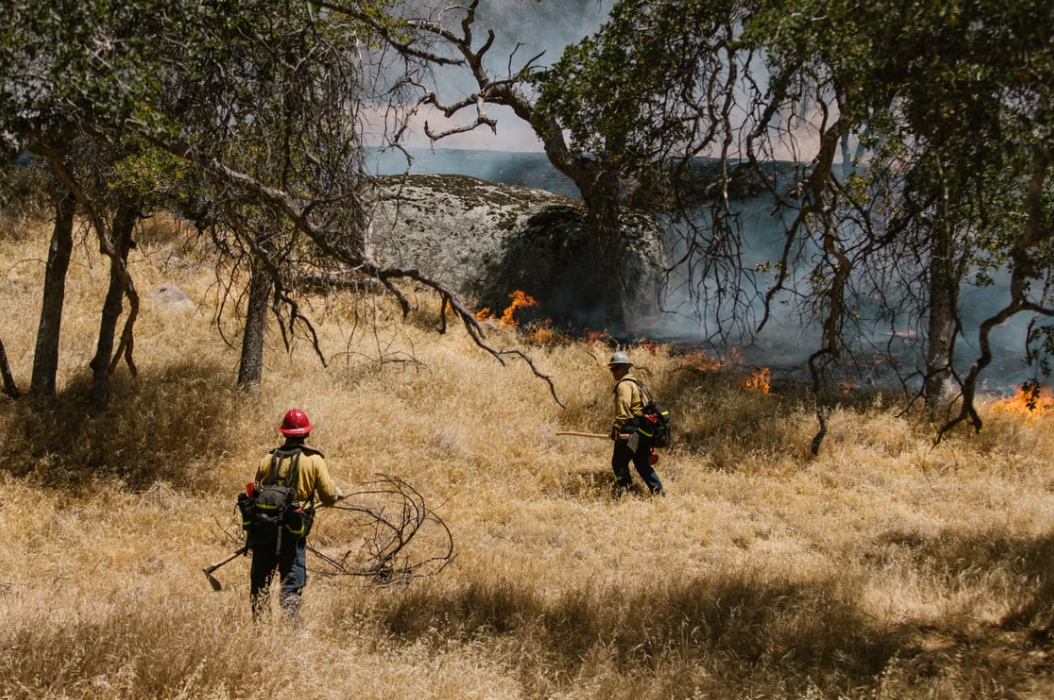
Reintroducing low-intensity fire, lit by technicians in winter and with controlled weather, consumes the undergrowth before a summer fire does. WWF expressly advocates for prescribed burns as a way to use “good fire to prevent bad fire”.
And, in the background, the climate
Overheated air is one of the two fundamental ingredients for fires. Reducing warming is, in the long term, putting out fires before they exist.
At whose expense? Reorienting firefighting and the CAP
We spend almost everything on extinguishing and almost nothing on preventing.
Most of the budget goes to planes, helicopters, and firefighting brigades, and a minimal fraction to managing the territory so it doesn’t burn. In Spain, WWF estimates that today 78% of resources are dedicated to extinguishing and only 12% to preventing. The pattern is repeated throughout the EU, which reinforces its common firefighting fleet every summer while prevention lags behind.
"Large fires are not put out with water, but with forest management and territorial planning” WWF
Europe’s largest rural fund is taking us in the opposite direction
The Common Agricultural Policy (CAP) accounts for about a third of the EU budget, the main money reaching the countryside. And here is the paradox: for years, its eligibility rules have penalized pastures with trees and shrubs (dehesas, montados, mountain pastures), exactly those maintained by the livestock that prevents fires. In practice, the farmer whose pasture has “too many” trees or shrubs sees their aid cut, while abandoned and reforested land can continue to collect. The result, across Europe, is a push to remove that vegetation, abandon it, or plant monoculture: the opposite of prevention.
The solution is the same for both problems: pay for prevention.
Transfer resources from firefighting to territorial management, and reorient the CAP to reward, rather than punish, extensive livestock farming, wooded pastures, and agroforestry mosaics, under the principle of “whoever conserves, receives” (payments for environmental services). In other words: stop paying for abandonment and start paying those who, every day, keep the wilderness difficult to burn.
In summary
Europe burns because an increasingly thirsty atmosphere met a landscape we have been emptying for half a century. The farmer is not the problem; the environmentalist isn’t either. The fire is not a hidden plan or bad luck: it is the predictable result of that combination of factors.
And one of the most effective and cheapest tools against it is the least technological: an inhabited, grazed, and cultivated countryside. That’s why supporting the mountain farmer and the extensive livestock farmer is not a slogan. It is deciding who will continue to do, every day, the prevention work that no plane can replace.
Héctor is already assessing which trees he can save and restarting the irrigation. That gesture, returning to farming, is also the oldest way of caring for the wilderness.
Sources
- Chas-Amil, M.-L., & Nogueira-Moure, E. (2026, July 28). Are more firefighting resources needed to fight forest fires? [¿Hacen falta más medios de extinción para luchar contra los incendios forestales?]. SINC Agency. https://www.agenciasinc.es/Opinion/Hacen-falta-mas-medios-de-extincion-para-luchar-contra-los-incendios-forestales
- European Environment Agency (EEA). (2023). Nature-based solutions for fire-resilient European forests. https://www.eea.europa.eu/en/analysis/publications/nature-based-solutions-for-fire-resilient-european-forests
- European Forum on Nature Conservation and Pastoralism (EFNCP). (n.d.). Wood pastures manifesto: Policy and admissibility of wooded pastures in the CAP. https://www.efncp.org/policy/wood-pastures-manifesto/
- European Union Civil Protection Knowledge Network. (2026). Forest fires and wildfires risk overview. https://civil-protection-knowledge-network.europa.eu/eu-overview-risks/natural-disaster-risks/forest-fires-wildfires
- Nature Communications. (2025). Comparative fire risk in natural forests and monoculture plantations. Nature Communications. https://www.nature.com/articles/s41467-025-59272-6
- Pau Costa Foundation. (2022, June). PCF Decalogue: Key principles on forest fires and land management [Decálogo PCF: Principios clave sobre incendios forestales y gestión del territorio]. https://www.paucostafoundation.org/wp-content/uploads/2022/06/DecalogoPCF_ES.pdf
- Plataforma Tierra. (2026, July 21). Why 2026 threatens to become one of the worst fire years in Spain [Por qué 2026 amenaza con convertirse en uno de los peores años de incendios en España]. Cajamar Cooperative Group. https://www.plataformatierra.es/actualidad/por-que-2026-amenaza-pero-ano-incendio-forestal-espana
- Sharples, J., Dowdy, A., Burgess, L., & Lane, T. (2026, July 27). What are pyrocumulonimbus clouds? The weather system that can worsen wildfires. The Independent. https://www.independent.co.uk/news/science/pyrocumulonimbus-clouds-wildfires-bordeaux-valencia-b3022080.html
- Vallfirest. (2023, March 14). Fire paradox: The more effective we are at suppressing wildfires, the worse they behave [‘Paradoja de la Extinción’: Cuando más efectivos somos apagando incendios, éstos muestran un peor comportamiento]. https://www.vallfirest.com/pt/noticias/paradoja-de-la-extincion-cuando-mas-efectivos-somos-apagando-incendios-estos-muestran-un-peor-comportamiento
- WWF Spain. (2025). Fire prevention policies and prescribed burning for wildfire prevention [Políticas para la prevención de incendios]. https://www.wwf.es/nuestro_trabajo/bosques/incendios_forestales_/politicas_para_la_prevencion_de_incendios/
Written by Cristina Domecq
Cristina Domecq is the Head of Impact at CrowdFarming. She operates where the boardroom, the field, and social conversations converge, convinced that the clues to fixing the food system are revealed in that intersection. Her goal is to achieve a behaviour change that sticks—a mission that only works if both farmers and consumers are truly on board.
Comments
Keep digging ...