
The Mango That Smells and Tastes Like Mango: Miguel Páez, From Buying Fruit to Growing It
# | October 2026
Published October 2026
The Mango That Smells and Tastes Like Mango: Miguel Páez, From Buying Fruit to Growing It
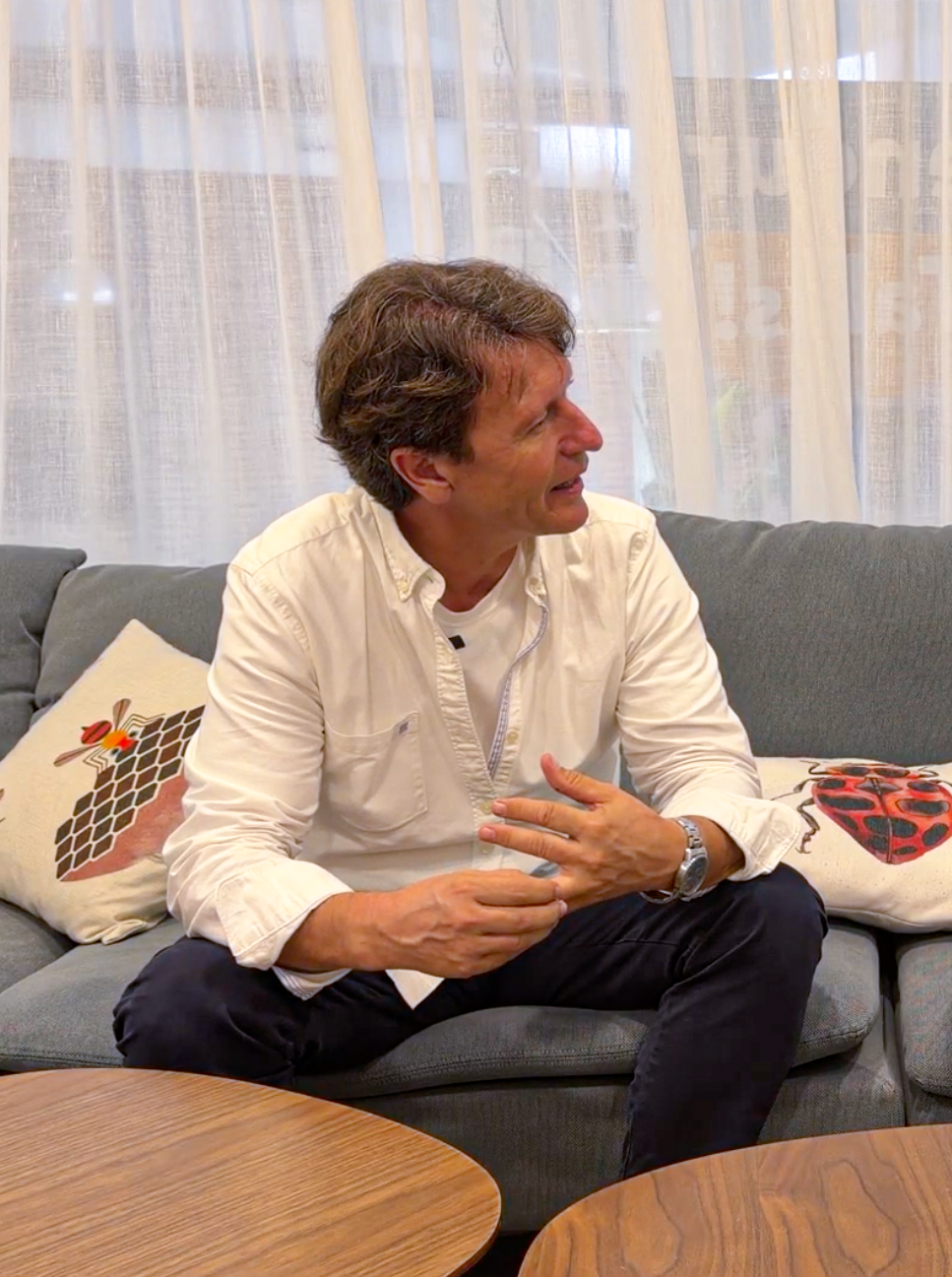
Miguel Páez spent over twenty years buying and selling fruit before he started growing it himself. Today, he produces avocado and mango alongside his son, also named Miguel, on their family farm, Cortijo Salobreña. From this dual perspective—that of a trader and a farmer—we discuss what almost no one talks about openly: why supermarket mangoes often lack smell and taste, why they are intentionally harvested green, what lies behind the word ‘quality’ when it comes to stocking shelves twelve months a year, and why organic farming costs more than it seems.
Twenty Years Selling Fruit, Until He Switched to Farming
What is an engineer doing in the world of mangoes?
I grew up in a humble family. My mother always said something I’ve never forgotten: your education is your inheritance. I studied engineering, but entrepreneurship called to me, and I started a company marketing avocados and mangoes. I worked with national campaigns and produce from other origins, sometimes having up to seven origins in the warehouse, selling to wholesalers, hospitality, and retail. I had a small production of my own because my family and my partner’s family were producers, but it was a minimal part. After twenty-something years, when I sold my shares, I dedicated myself to production. Today, I have an avocado farm, a mango farm in Salobreña, and two avocado farms in Valencia with a partner.
Why leave the business to get your hands dirty?
I’ve always loved it. Planting, seeing the farm in production, managing a team—that’s very rewarding for me. And there’s an economic aspect too. Making money is healthy: it contributes to society, to your workers being better off, and to your ability to grow.
Do you want your children to be farmers?
Yes, of course. Part of my heritage is precisely agricultural production. And I believe that seeing your way of farming removes many prejudices for them. People think that working in agriculture is rustic, unprofessional, for unprepared people, but it’s the opposite: you can do farming that is as professional and technological as any other activity. That label needs to be removed.
What the countryside forces you to unlearn
When did organic farming enter all of this?
Desde que empecé en la comercialización, siempre tuve una línea de ecológico. Tengo claro que quiero un cultivo sostenible. La finca familiar la convertí hace muchos años, y la de mango de Salobreña está ahora en conversión.
¿Por qué apostar por lo ecológico?
Por cómo veo la vida y los productos que comemos. Y porque el cliente compra por eso. Me influyó haber trabajado de cerca y haber visto los productos que se usaban, con poca responsabilidad. Eso me hizo dar un paso.
¿Sale mucho más caro lo ecológico?
Antes era mucho más difícil. Hoy hay un montón de productos naturales: repelentes, extractos de canela, de cítricos, lucha biológica. Es más fácil manejar un ecológico que hace veinte años. La diferencia de precio está algo más alta porque das más pases, pero no como para decir que sea mucho más caro.
¿Lo tienes ya todo en ecológico?
Everything except the two farms in Valencia, which I run with a partner. Let’s see if I can convince him. This is contagious.
What have you had to unlearn?
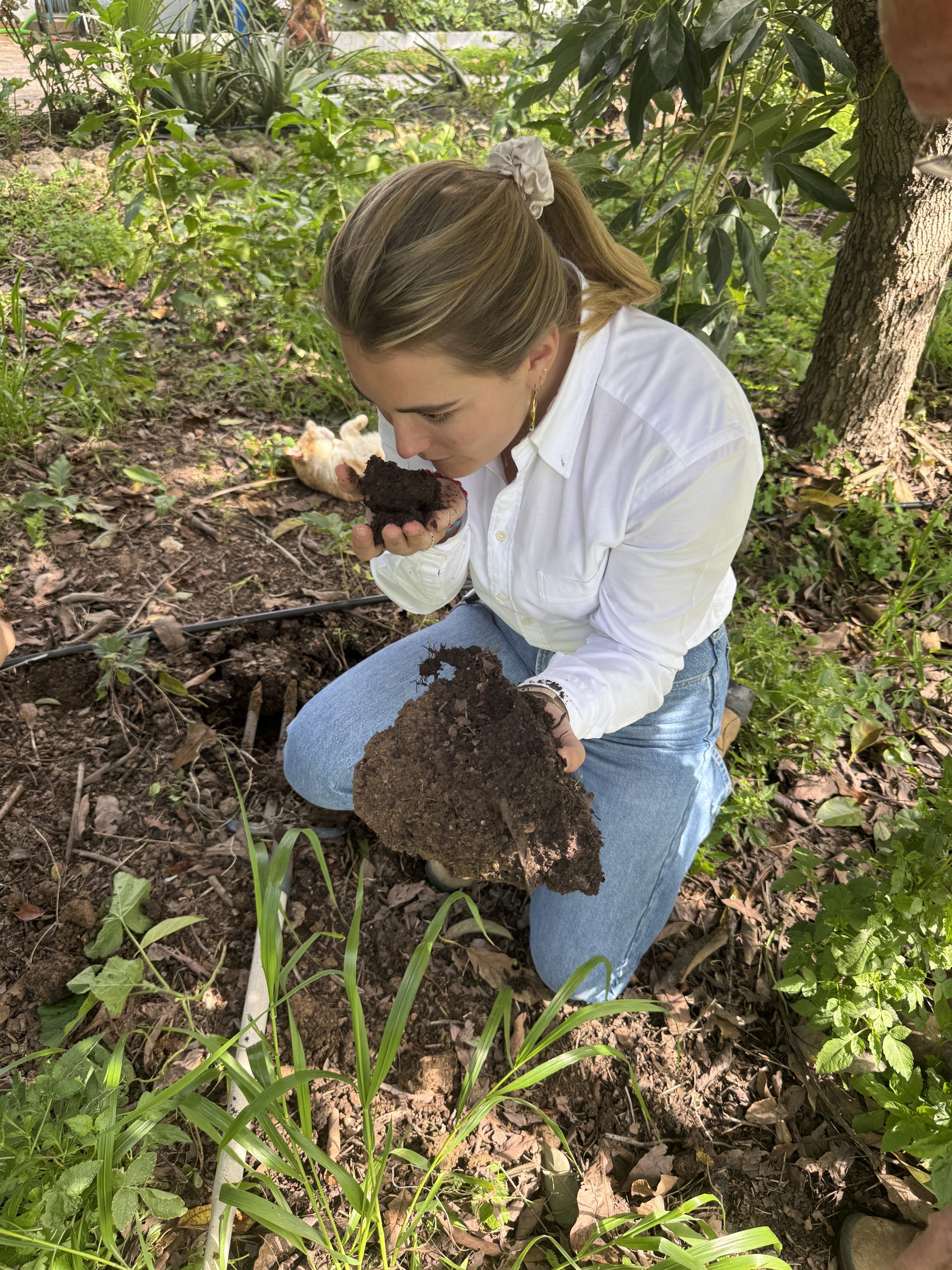
You learn something new every day. There are paradigms you take for granted: you spent half your life thinking that weeding was the best, and you realize it causes a lot of soil erosion. You can’t obsess over having everything clean; you have to coexist with your ecosystem, with pests that harm you and others that benefit you. I met you five or six years ago at a conference you organized on regenerative agriculture, talking about the importance of cover crops. Today, there are even apps where you photograph a plant and it tells you what it is: many of those weeds aren’t so bad; some fix nitrogen.
The word “quality” is tricky
Is quality the same for the supermarket as it is for you?
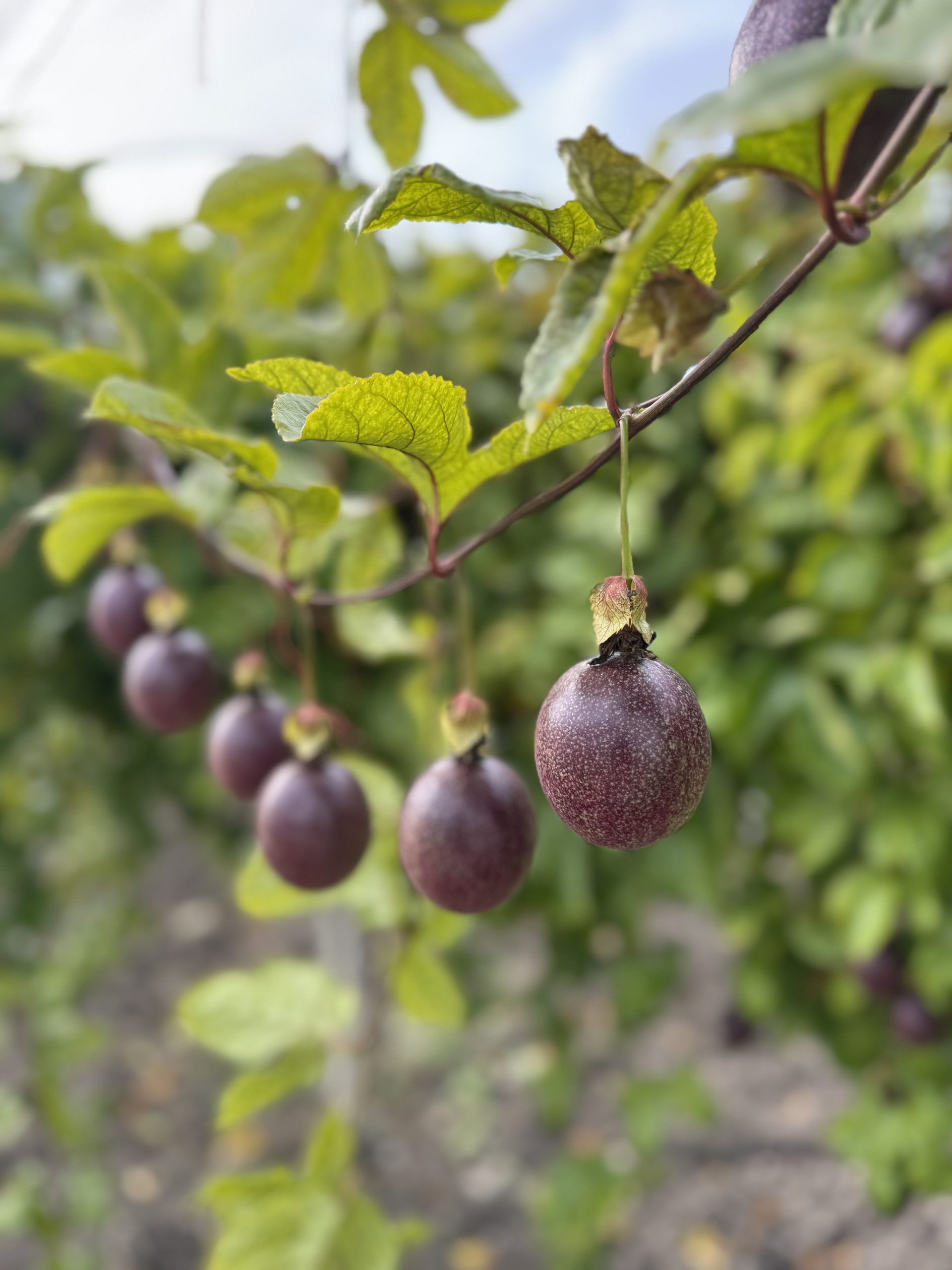
Fruit has become de-seasonalized. That has good aspects; you can eat everything almost all year round. But the first one who should know how to say no is the supermarket, especially during campaign overlaps when quality drops. Avocados have two seasons, summer and winter, and during those two overlaps of the year, you experience quality losses. Fruit must be harvested when it’s at its peak because they are climacteric: they continue to ripen afterward, but they need minimum physiological conditions. Many people harvest mangoes immature, without the minimum Brix degrees, to sell them earlier and at a better price. And on the shelves, many supermarkets don’t treat the product well: a ready-to-eat mango needs refrigeration or high rotation.
How do you stretch a season to increase its market availability?
With later varieties, or by cultivating in different areas where the same variety can be extended longer. For me, cold storage should be for maintenance, never for long-term preservation, because fruit ages. Ultimately, the fruit has one mission: to leave a seed. There’s no system that can keep it fresh indefinitely.
What tricks are there on the shelves to sell a mango?
With retail clients, I’ve worked with boxes with alveoli (a system to keep the fruit from moving), using technology to add an aroma that is released when touched. For mangoes, this is crucial because the smell is often what captures the customer’s attention.
Can you really tell where a mango comes from?
Very much so. Mango is a product that hates the cold. In the market, there are mangoes shipped by sea and mangoes shipped by air, and they are two totally different products even if they have the same name. The sea-shipped ones, with a transit time of twenty-five or twenty-eight days from Peru, most of the time don’t smell, don’t taste, and are acidic. A mango harvested on day one might arrive on day forty, in a controlled atmosphere. The air-shipped ones are different; they can be exquisite. Mangoes aren’t bad depending on their origin. Often, if you eat them there, they’re good.
Our mango has an advantage, and we must leverage it to build a brand of origin.
Why is it harvested early?
Often, there’s a fear that in July, with more mangoes on the market, the price will drop, even if the mangoes are exquisite. That’s why they’re harvested earlier. A marketplace with direct customer contact softens this: if I know I’ll get a fair price and a more or less fixed volume, I’m not in a hurry to harvest early.
Why can’t you set the price yourselves?
The Spanish mango season lasts about eight weeks. We expect all customers to buy only ours, at the volume and price we want, and it doesn’t work like that: the supermarket still holds the most power. The disadvantage is that we concentrate a lot of volume in a very short time. Five or six million kilos of mangoes from other origins enter Europe per week, and suddenly in eight weeks, you have fifty million kilos. That’s why so much planning is done before starting, looking at flowering and fruit set. This year, for example, we already knew it wouldn’t be a high-volume season.
What Changes with Direct Sales
What changes when you put a face to the customer?
I think it’s extremely important to know the customer, and I had never worked with the end customer before. Previously, the supermarket dictated; they decided. But the internet and social media created feedback: customers can now give their opinions, and that needs to be nurtured.
And what do you gain from direct sales?
Recognition, visibility, and transparency. I can say: this is my farm, these are the farmers, we produce this on these dates and these varieties. That gives me peace of mind and stability in volume and price, and it allows me to have a portion of my production sold to customers who trust my product. I don’t live as dependent on whether a season brings more or less volume.
Where should this be headed?
You’ve already passed the first test: many businesses exploded during COVID and disappeared, and if you’ve sustained yourselves, it’s because it’s here to stay. The next step is to educate the customer, to be prescribers: explain the varieties, how to eat each fruit, when it’s ripe. That information is what can make you grow.
Written by Cristina Domecq
Cristina Domecq is the Head of Impact at CrowdFarming. She operates where the boardroom, the field, and social conversations converge, convinced that the clues to fixing the food system are revealed in that intersection. Her goal is to achieve a behaviour change that sticks—a mission that only works if both farmers and consumers are truly on board.
Comments
Keep digging ...