“What we’re observing is that each year we’re harvesting our onions earlier and earlier, which is certainly linked to climate change. When I was child, we were harvesting them with my father around mid-September and now with my children we’re harvesting them by the 25th of August. The plant ripens much quicker and it’s cicles are shorter because we are planting every year at the same time, in March, but the harvest advances year by year.” Eric Quemener, onion farmer in Roscoff, France.
Published October 2026
Does anyone actually know how to eat in season?
Climate change is moving harvests across Europe and testing one of our favourite sustainability rules: “buy seasonal”. When I think of eating seasonally, I think of tomatoes in summer, pumpkin in autumn and clementines at Christmas. But if climate change is causing the seasons themselves to shift, I wonder whether the rules I learnt as a child still hold, and between ultra-techy greenhouses, advanced storage techniques, and shifting climates, what does eating in season really mean today?
Britannica’s dictionary says that when fruit and vegetables are in season, it is the time of year when they are being harvested and are easily available. Out of season, by contrast, means they are not being harvested near you and are harder or pricier to get.
But I know that you can harvest avocados in Spain from October to July, and yet something doesn’t feel quite right about avocados being in season during 10 months of the year in Europe.
So are we declaring seasonality dead?
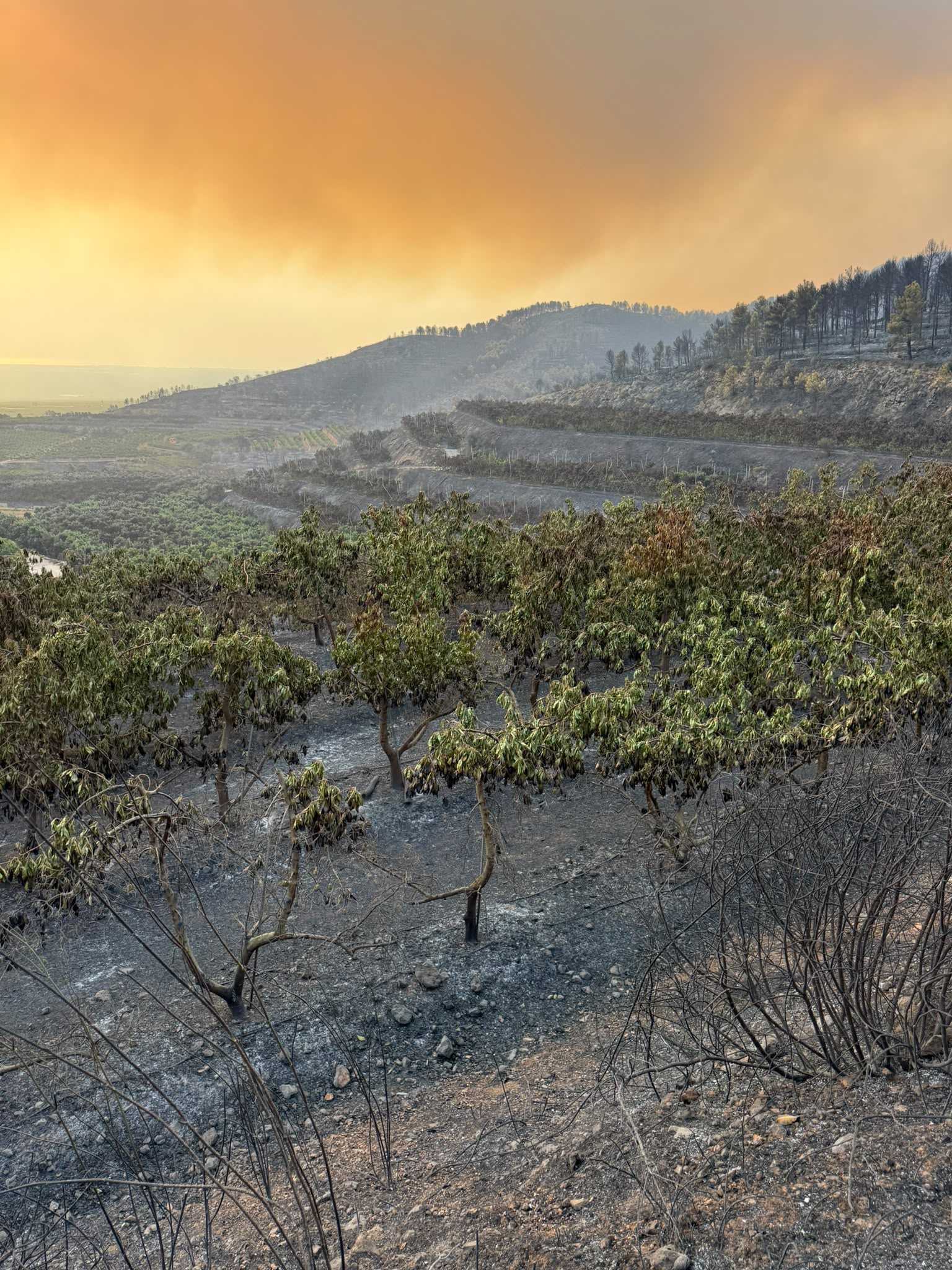
When we ask farmers about the effect of climate change on agriculture, we hear about warmer, wetter winters, hotter and drier summers, and more and more years that break the usual pattern.
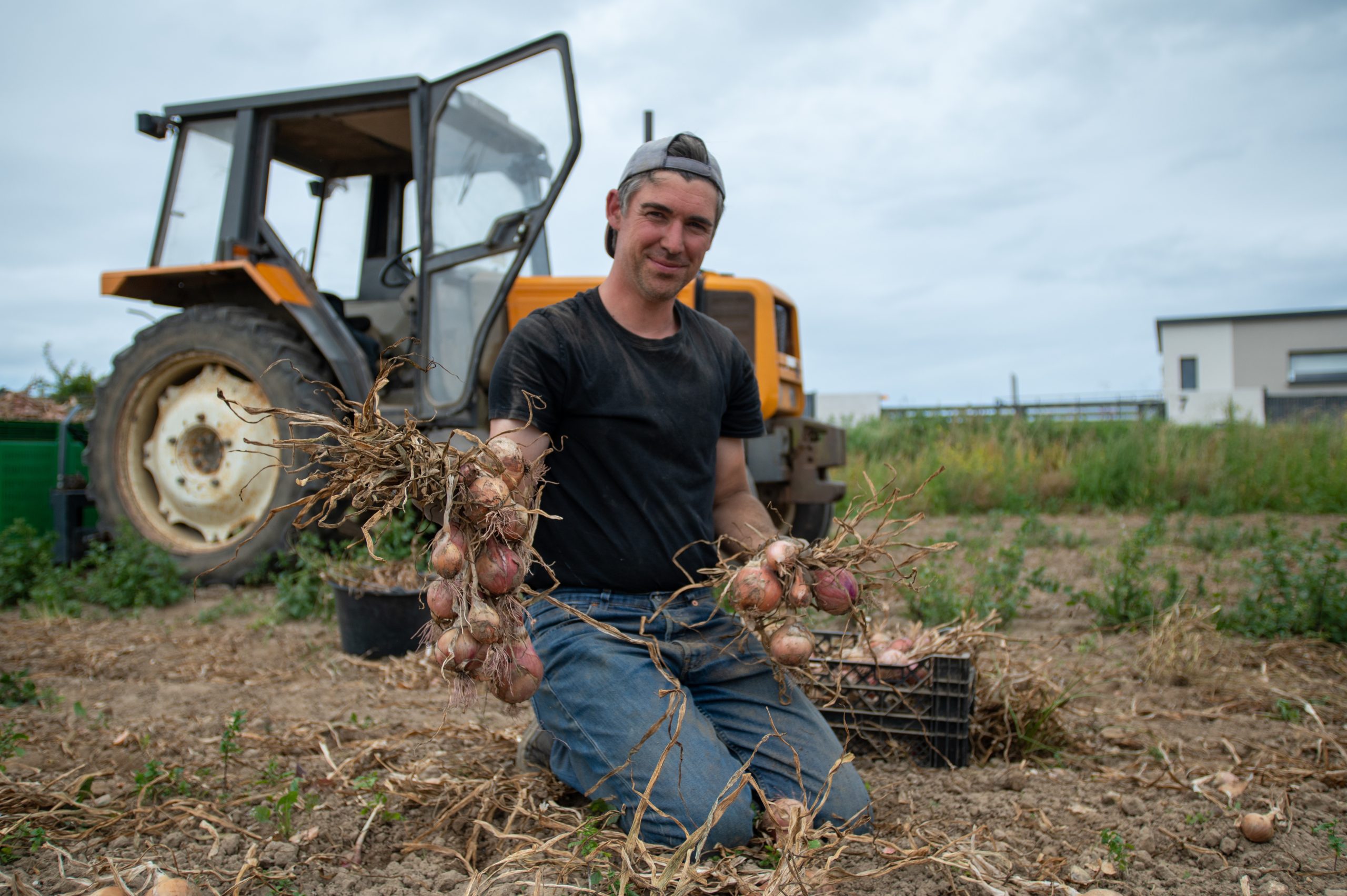
And the official science is confirming Eric’s experience. A Europe-wide study examined the behaviour of 542 plant and 19 animal species across 21 countries and found that spring is starting six to eight days earlier than 30 years ago, and in more southern areas such as Spain, a full two weeks earlier. 78% of all leafing, flowering and fruiting records advanced, and the shift was much stronger in countries that had experienced more warming.
“Not only do we clearly demonstrate change in the timing of seasons, but that change is much stronger in countries that have experienced more warming” Dr Sparks, leader of the study.
Some farmers are more worried about it than others, but the consensus seems to be that for now “it’s shifting, but it’s not that dramatic, and it still depends on the year.” In other words, the seasons still exist. What we’re losing is their reliability.
Are there seasons in a greenhouse?
“Seasonal” has come to mean simply that something is available. It can also mean the moment when something is at its best. Greenhouses are excellent at the first and rarely deliver the second.
This type of production distorts the traditional idea of seasonal produce, because conditions can be adjusted to grow almost anything at any time of year. In Spain, Almería, Huelva, Murcia and Granada together hold 83% of the country’s greenhouse area and produce a huge part of the fruit and veggies for the rest of the continent.
The same is happening further north. Under high-tech polytunnels, some British strawberry growers now pick from May to November. These tunnels and greenhouses started out as a simple cover to shelter plants from risky weather and a way to give the crops some extra warmth from the sun, but they have now become like a spaceship faking the earth’s gravity, completely distorting any kind of natural growing cycles.
Although these are considered great options to ensure we’re producing large quantities and varieties of produce whenever we please, within the seasonality debate here is where I land: a tunnel that protects strawberries from April hail, so that as many as possible can ripen in their natural window, is still working with the season. A super-technological and energy-hungry heated glasshouse producing tomatoes in January is working against it.
What about storage?
I was speaking to an apple farmer last week, and they were explaining to me that apples are historically super easy and safe to store for a long time, so they’re traditionally available almost all year round. Same goes for carrots, potatoes, and onions, so storage can be a great tool for our sturdier produce. But he did admit that they will never be as flavourful as when they are young and have just been picked off the tree.
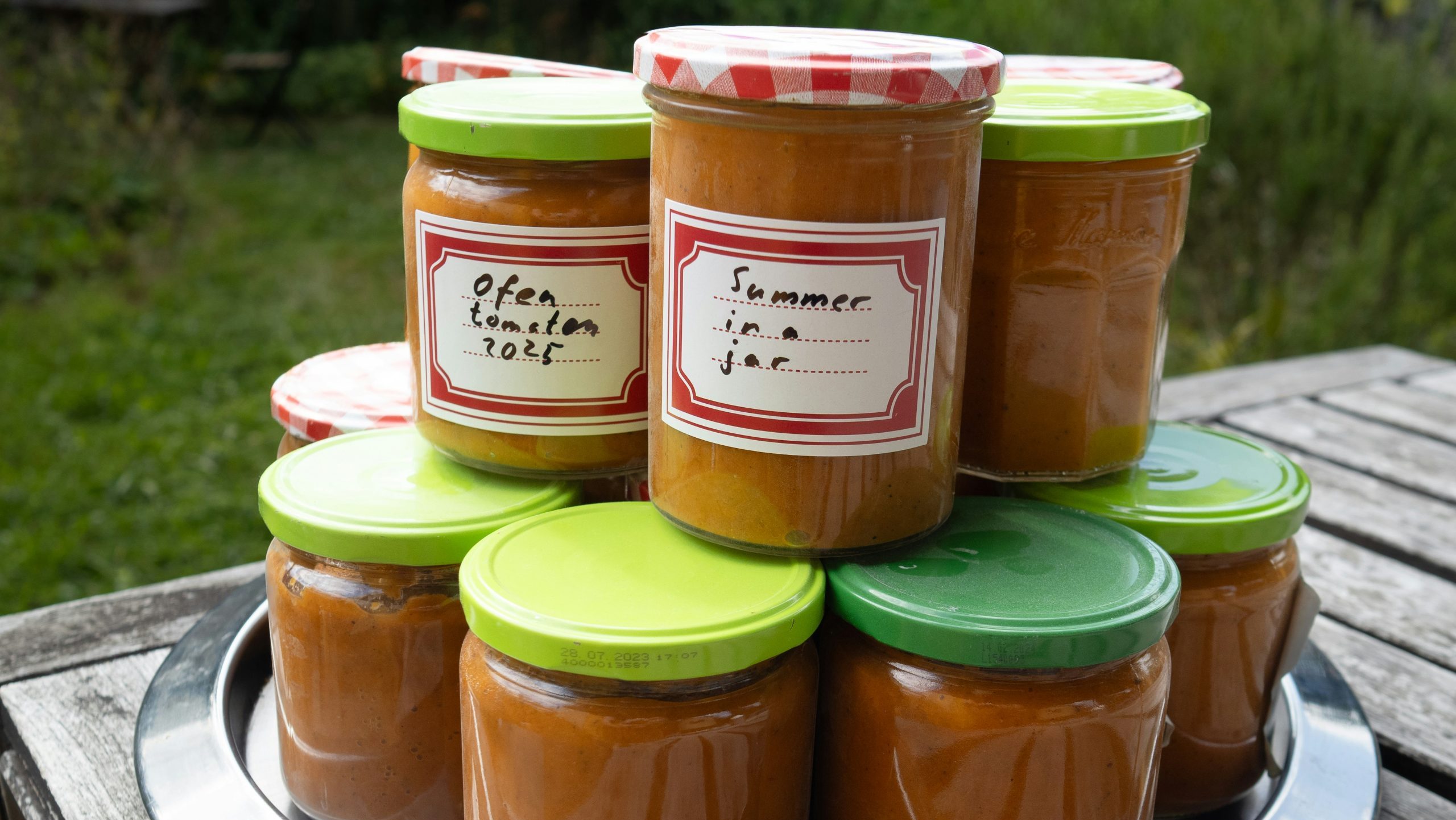
“But what if I want to eat a tomato in January?" you ask. Great question. Preserving was the original technology for eating out of season, and it starts with produce at its peak.
In Spain and Italy, many families still bottle tomatoes at the end of summer, when they are cheap, ripe and everywhere (aka in season). A few afternoons of passata, whole tomatoes in jars or sun-dried halves in oil will carry that flavour into winter. Fermentation does the same for peppers, cabbage or cucumbers, and freezing, drying, or jam-making work well for fruit.
Although it’s true that these kind of processes can be a bit of a hassle depending on our time and energy levels, they’re still a great way to reconnect to our food and the value we give to our products. When you’ve put in that amount of effort to preserve a summer flavour, I think it tastes even more delicious because of it. It also changes how we think about seasonality, from a rule about what we cannot have to a skill for keeping what the season gives us.
So I do think that our aesthetic seasonal calendars that we can now find everywhere online (including here at What The Field?!) are useful and a great starting point to get familiar with what grows when. But as we’ve now established, the dates are less and less reliable and are shifting too much for the same calendar to be valid every year. And while a supermarket supply chain might smooth out all the obstacles and make it seem like there is always something at its absolute peak, no one knows better than the farmers themselves when this year’s harvest started. So asking your local farmers, and buying direct is probably the most reliable way to eat in season.
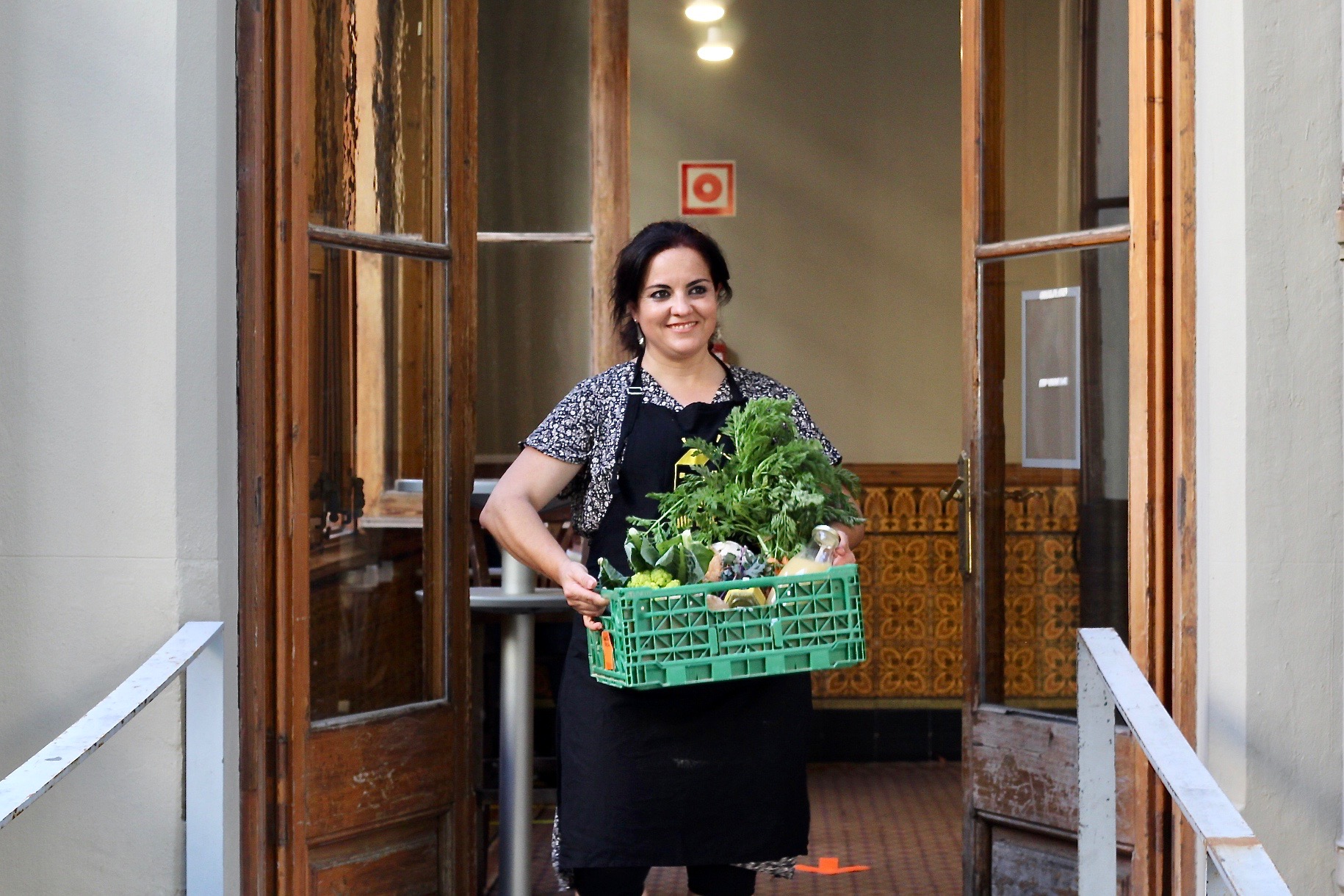
Written by Emilia Aguirre
Emilia Aguirre is our Awareness & Advocacy specialist — which means she spends her days asking the uncomfortable questions about how our food is grown, priced, labeled, and sold. She hosts What The Field?!, a podcast packed with stories from the ground, hard-hitting research, and conversations with the people shaping the future of food (whether they like it or not).
Comments
Keep digging ...