

Even so, the current system is not perfect: some approved pesticides still cause harm. But that is a flaw to fix by enforcing the law better, not an excuse to weaken it.
Published August 2026
Legalise more toxic pesticides on our food? The EU is deciding now
The EU is about to make it easier to use hazardous pesticides on food crops. Last year, the European Commission presented the Feed and Food Omnibus, a single proposal that changes several food and farming laws in one package. They claimed it would “simplify” pesticide legislation to give biocontrol products (pest control based on living organisms or natural substances instead of synthetic chemicals) easier market access. In reality, the proposal weakens the rules that protect Europe’s food, water and environment from all types of pesticides, including harmful synthetic ones.
Yet, we need to move in the opposite direction: stronger protection against pesticides, not weaker standards. Scientists and doctors have also sounded the alarm.
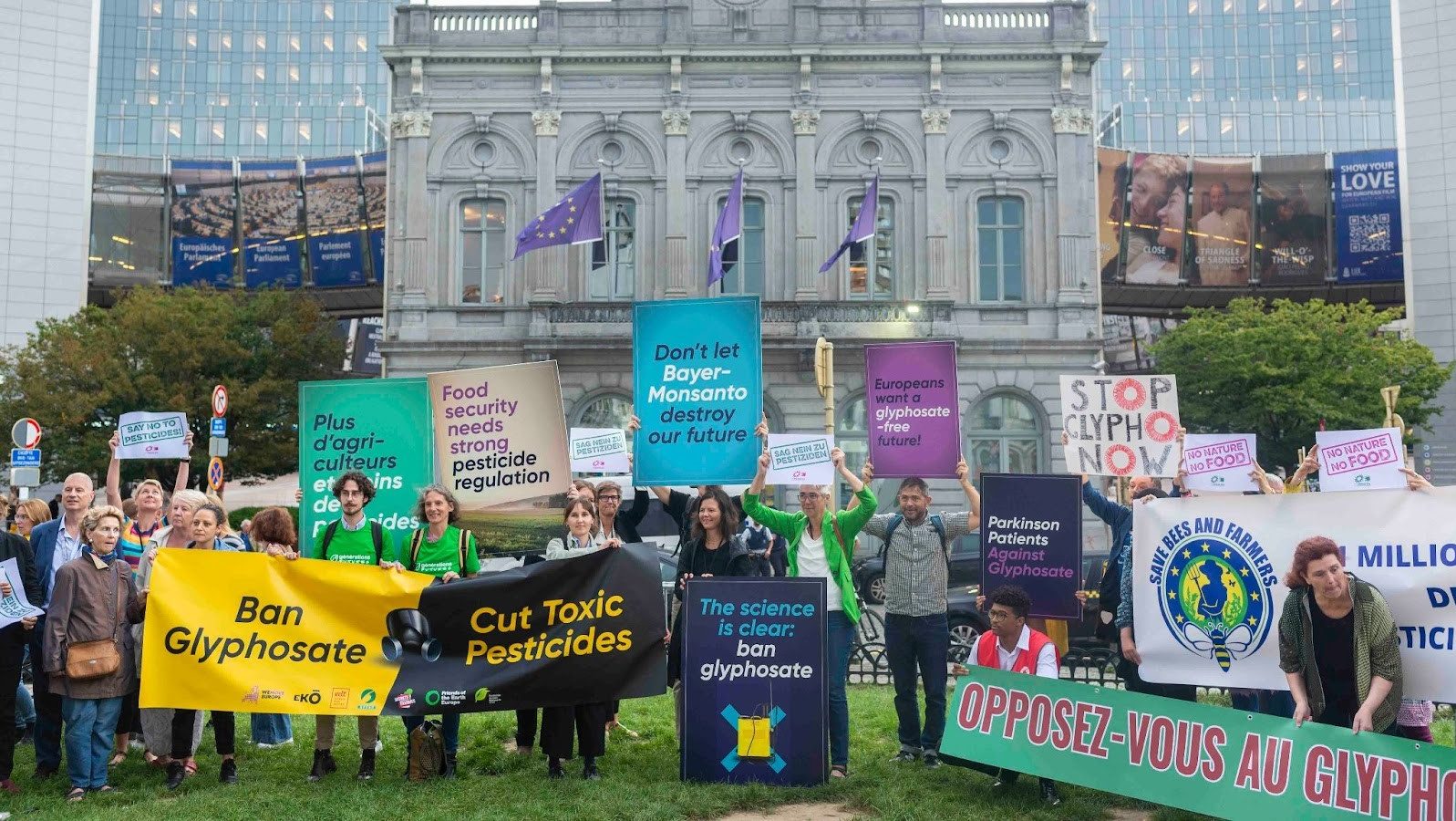
Meanwhile, EU policy-makers are now deciding on a terrible proposal, which does not follow the warnings of the scientific community or the requests of the general public. Instead, it closely resembles the chemical industry’s wish list for weakening pesticide regulations. The Commission’s original proposal already incorporated several industry’s demands, but the one from the European Parliament goes even further. Certain politicians, from the conservative majority of the Parliament, are pushing to weaken the pesticide protection rules even further. The Parliament is expected to vote on the proposal soon (the date was postponed recently, and a new one has not been set yet), so it is time for citizens to speak out against this rollback. You can help to move in the right direction before it’s too late.
Make your voice heard
What is the Food Omnibus?
So far in the EU, pesticides must undergo independent, science-based risk and safety assessments before they are approved to ensure their use causes no harm. Each approval must be re-examined every 10 to 15 years as new scientific evidence emerges to review their safety.
This system exists for good reason: pesticides are designed to kill living organisms. While they target pests, they can also harm bees, wildlife, soil life, aquatic ecosystems and even human health. Because scientific knowledge is developing, pesticides that were previously thought to be safe have now been banned because of new evidence on their toxicity. Periodic examinations ensure companies keep being responsible to prove that their products are safe.
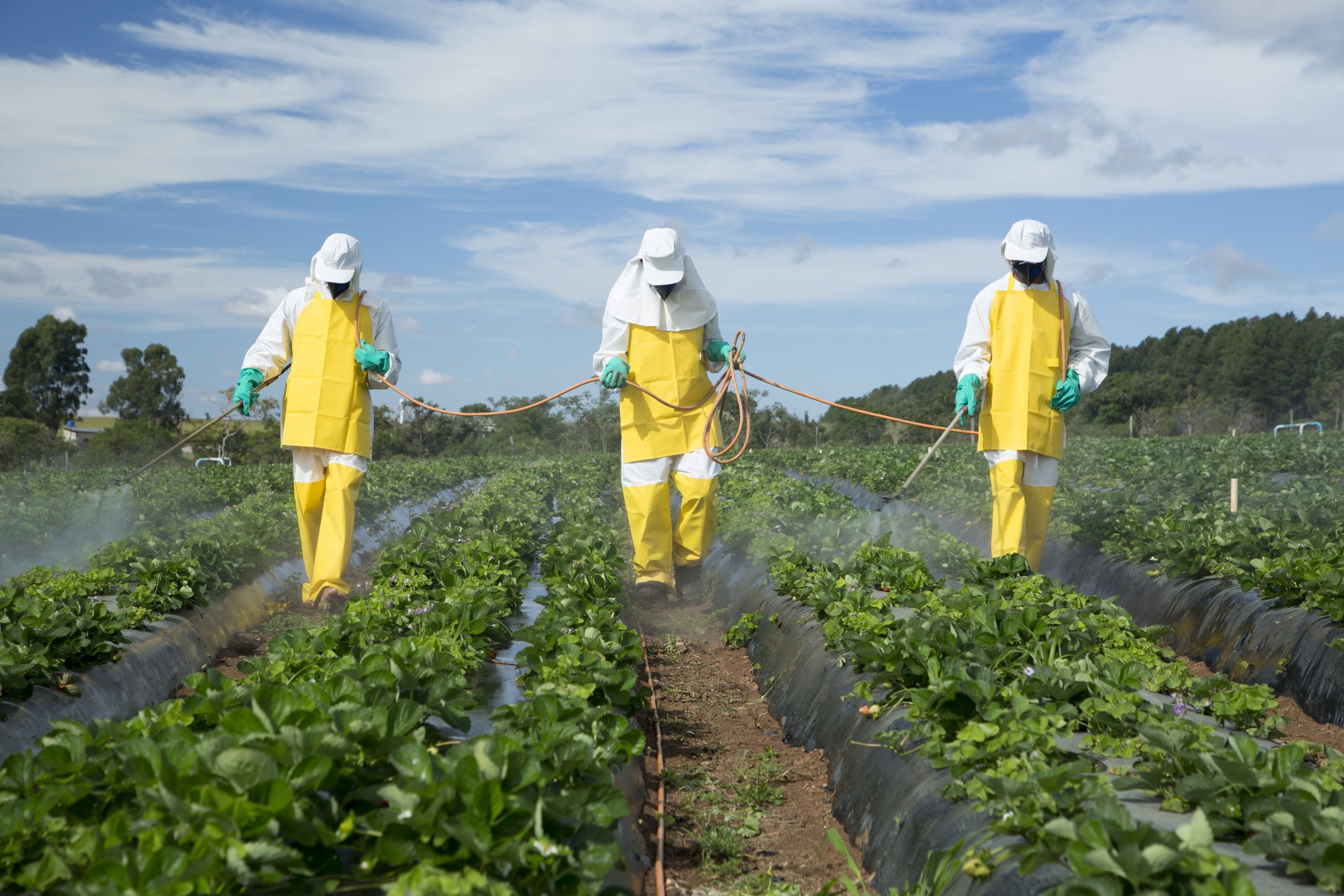
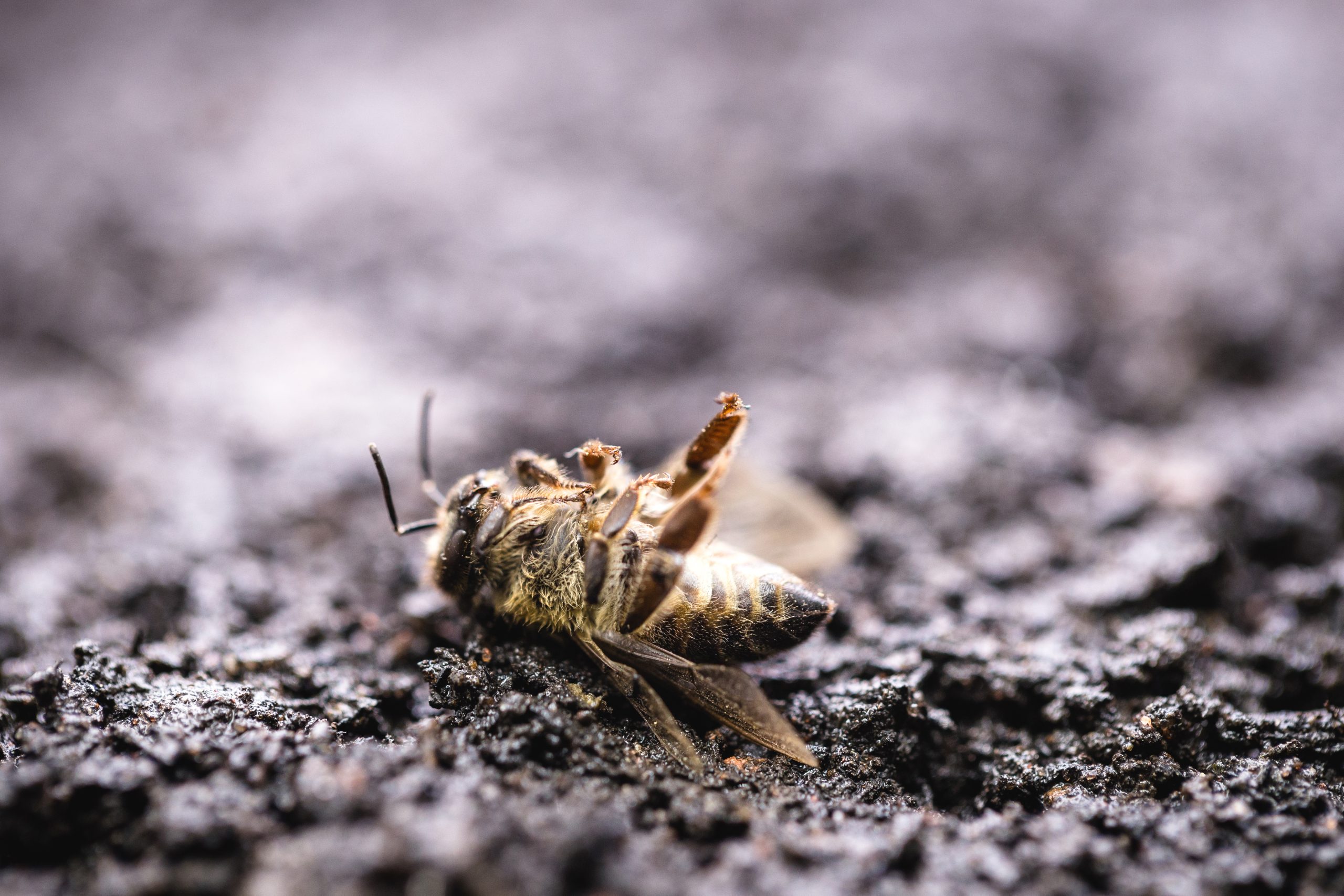
That is exactly where the Omnibus proposal goes wrong. It facilitates harmful pesticides to stay on the market, by granting their active ingredients (the substance in a pesticide that actually kills the target pest) unlimited (open-ended) approvals and sidelineing the latest scientific evidence when deciding whether a pesticide can stay on or access the market. Public Authorities may trigger a review when evidence of harm emerges, shifting the burden of identifying dangerous substances from industry to public authorities and researchers. This shifts the burden of proof in the wrong direction.
History, from the bee-killing neonicotinoids to the brain-toxic chlorpyrifos and the endocrine-disrupting flufenacet, shows why regular and evidence-based scrutiny for pesticide matters. If the Omnibus succeeds, it will save costs for the industry, yes, but farmers and citizens will pay the price. Toxic products will remain in the market for longer, even indefinitely, exposing us to a decline in our health and biodiversity. [1]
Scientists raising the alarms
The European scientific and health sector have sounded the alarm over the Omnibus proposal. In a letter, over 500 scientists called for a pause in the political debate until a thorough, independent assessment of its impacts is carried out. [2]
Also, concern is widespread at a national level. French mutual societies (non-profit, member-owned health insurers) have condemned the EU’s rollback on pesticides, while Italian doctors and paediatricians have urged members of the European Parliament (MEPs) and national authorities to oppose weakening protections in the name of “simplification”. They emphasised the dangers posed by endocrine-disrupting substances, which can interfere with the hormonal system at real-life low exposure levels and particularly harm children and adolescents. [3] [4] Moreover, EU-wide endocrinologist and epidemiologists’ statements have also urged policy-makers to reject parts of the Omnibus. [5] [6]
Other experts also share these concerns. UN experts warn that these plans to weaken EU pesticide law threaten human rights. [7] An independent assessment commissioned by the Dutch Parliament found that, despite being framed as simplification, the proposal will not reduce administrative burdens or speed up authorisations. An analysis published in Science added that the proposal would increase health and environmental risks while reducing incentives for safer pest-control alternatives. There are more and more researchers and universities raising the alarm in countries like Germany or the Netherlands. [8] Even authorities such as EFSA, the European Food Safety Authority that assesses these risks for the EU, have proposed alternative solutions, such as recruiting more staff to reduce the backlog. [9]
State of play
The EU Member States at the European Council already expressed their support for the proposal at the end of September. In a joint stance agreed by all member states, they made only a very limited improvement to the Commission’s proposal: approvals without time restrictions would only apply to low-risk pesticides. [10]
However, we at Pesticides Action Network condemn this decision, as it extends the review periods for all other pesticides by five or ten years, reaching in total between 15 and 25 years to review them. Furthermore, it supports other problematic elements of the Commission’s proposal, such as extending the grace period (the time a banned pesticide can still be sold and used after the ban is decided) for harmful substances by up to three years following their ban decision, or approving them exceptionally for five years if considered necessary for crop production and cannot be replaced. Why should we have to accept a banned pesticide continuing to be used for several more years when it is confirmed to be very dangerous?
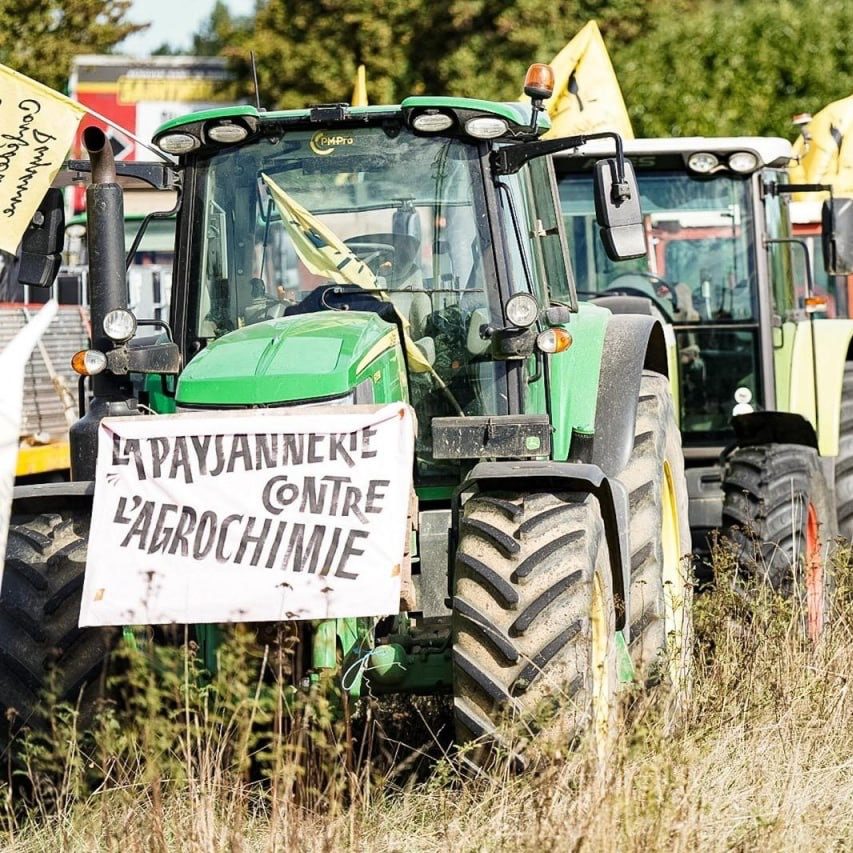
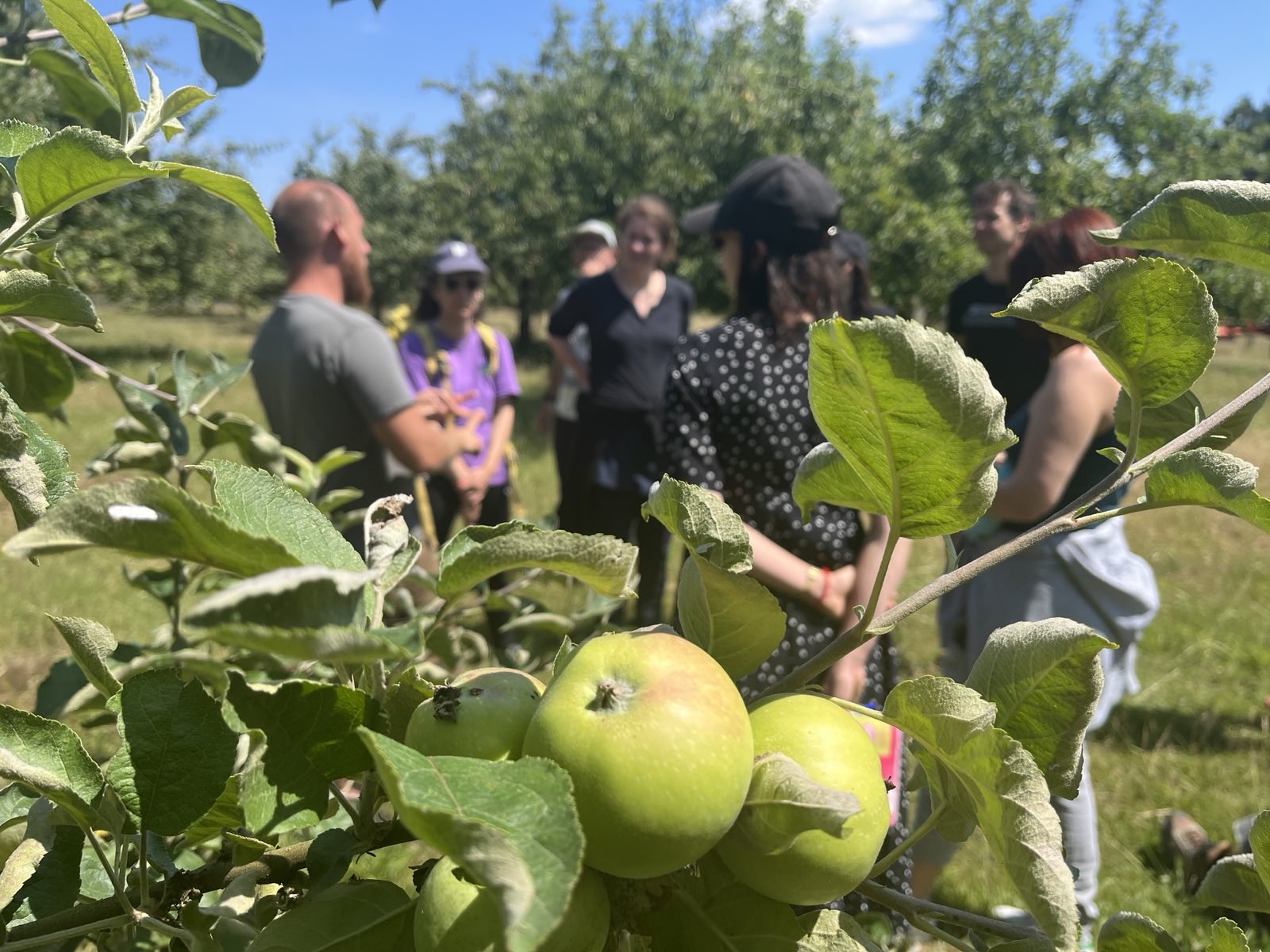
Particularly when we know that pesticides are not essential to food production, and alternative safer methods such as Integrated Pest Management (monitoring, prevention and natural enemies, with chemicals only as a last resort) and agroecology are available.
A new investigation report by Corporate Europe Observatory, a watchdog that tracks corporate lobbying in Brussels, exposes how the pesticide industry and its allies are trying to weaken pesticide regulations and lower the level of protection for people and the environment. Italian members in the European Parliament, Herbert Dorfmann (EPP) and Michele Picaro (ECR), have included in the proposal other industry demands, such as unlimited national authorisations of products or even broader derogations, the exceptions that let a country keep using an EU-banned pesticide in specific cases. [11]
Now the European Parliament, the chamber that represents citizens of all countries, will have to vote on this industry-driven proposal. Then, the final negotiations among the Parliament, the Commission and the Council will take place. Therefore, it is important now to flag our representatives, members of the Parliament, to position against the Omnibus.
Call to action
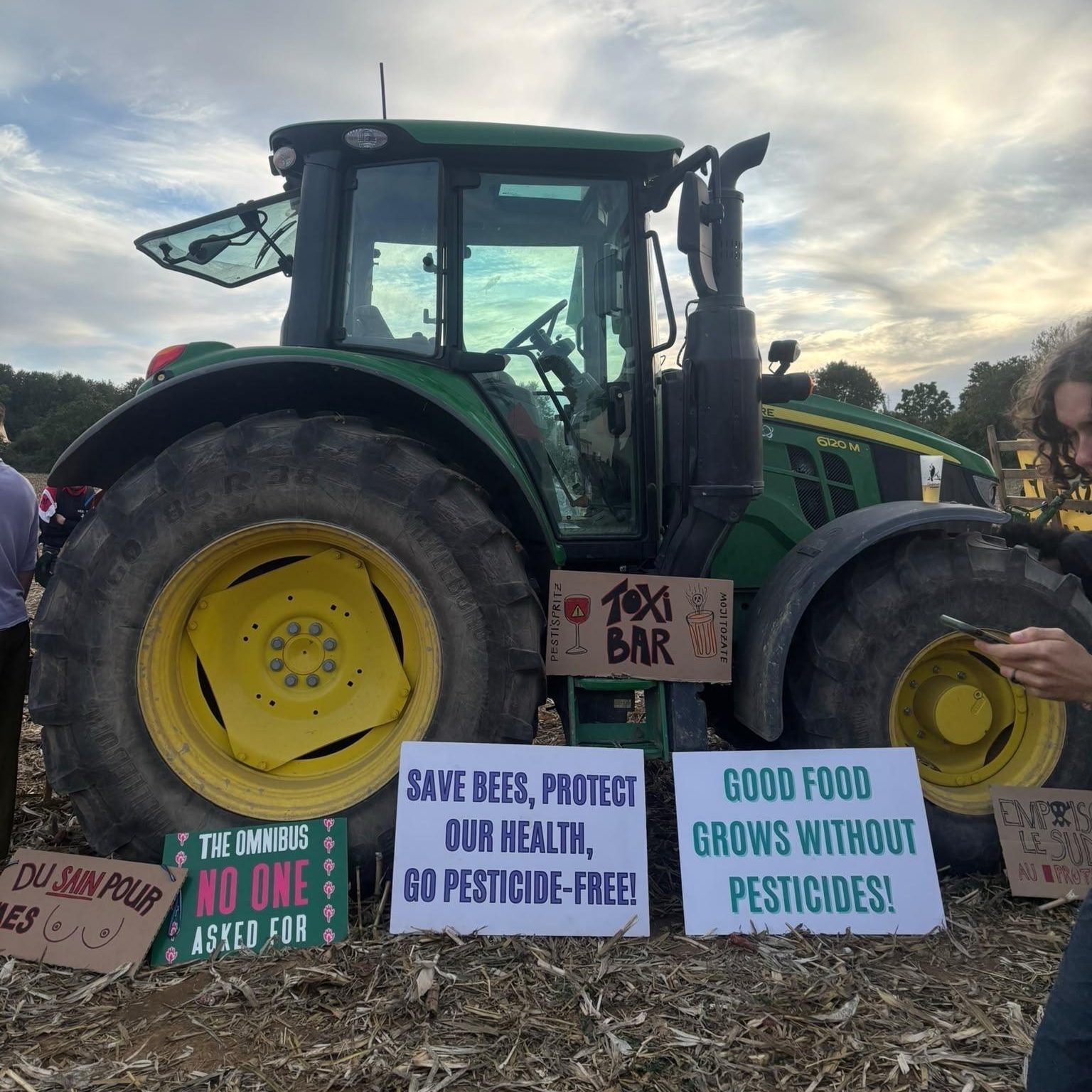
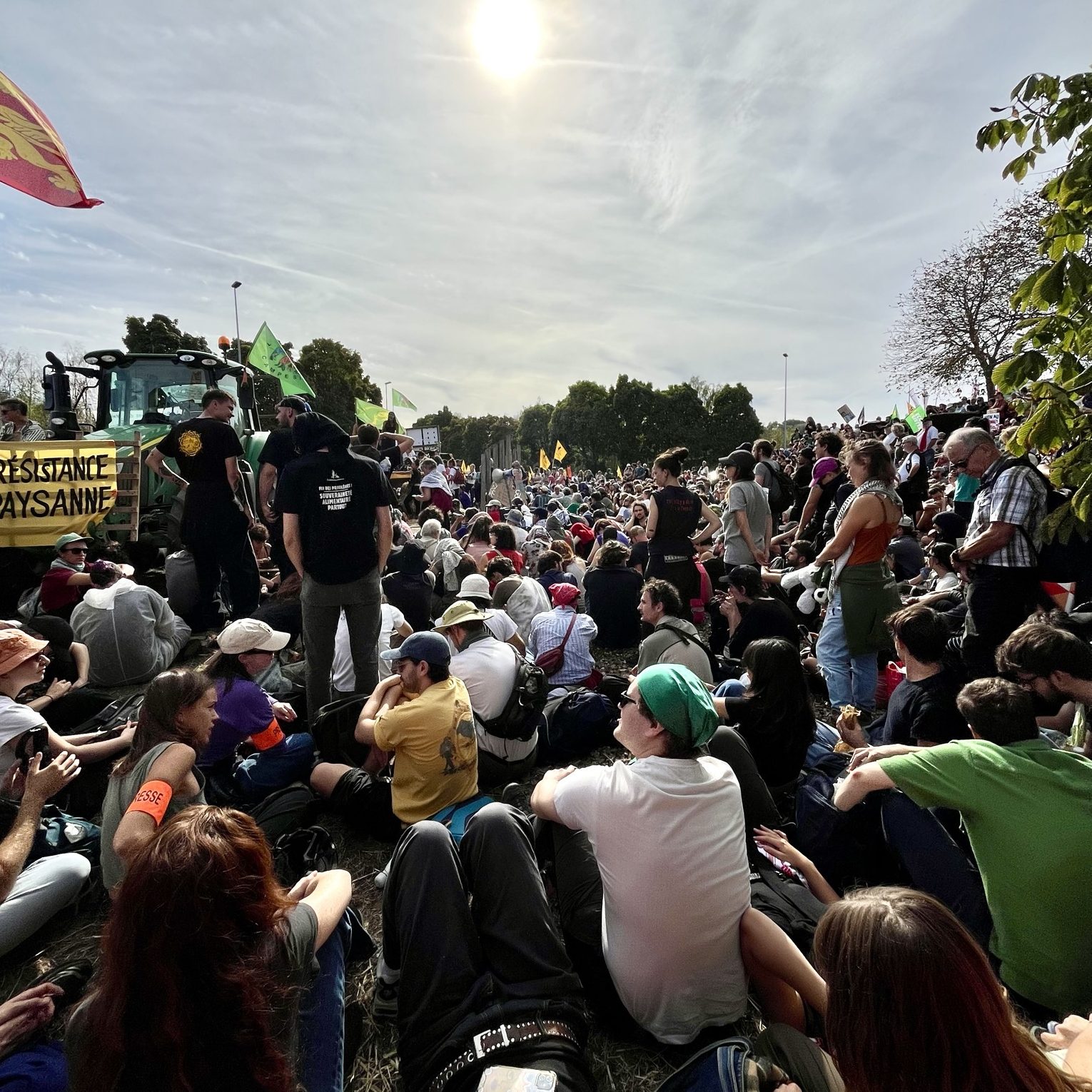
In short, we are fighting a proposal that no citizen has asked for, that only serves the interests of the chemical industry. And the evidence shows that the industry has been shaping it from the very beginning. [12]
European agriculture deserves better. It is time to move in the opposite direction: backing sustainable, pesticide-free farming that protects our soil, water and biodiversity, as well as the health of the people who grow our food, live in agricultural zones and those who eat it. This transition is urgent if we want to ensure a healthy and safe future.
The clock has not run out yet. You can still make your voice heard. Reach out to your MEPs today and tell them where you stand.
Notes:
[1] Ban pesticides – For Health, Bees and Farmers
[5] Over 500 scientists call for impact assessment before easing pesticide rules
[7] UN experts warn that plans to weaken EU pesticide law threaten human rights
[8] Europe’s Pesticide Safety Standards are under threat: an open letter to European Policymaker
[9] Letter to the Commission about EFSA needs
[10] EU Member States back weakening of pesticide safety
[11] New report: Food & Feed Omnibus, written by the pesticide lobby? by CEO
[12] Agrochemical lobbyists are defending a toxic model of agriculture that is heading for collapse
Written by Dr. Angeliki Lysimachou (PAN Europe)

She is an Environmental Scientist and holds a PhD in Environmental Science and Toxicology. She has worked in scientific research on the impact of endocrine disruptors on the environment. Today, as the Head of Science and Policy, she oversees Pesticide Action Network Europe’s scientific and policy work.
Comments
Keep digging ...