




Published August 2026
Summer: the season on fire
Four countries are burning at once, a continent just recorded its hottest June on record, and European farms are absorbing losses that will show up on your plate before the year is out. The part of this that matters most is happening in a regulatory building in Brussels, while everyone is watching the flames.
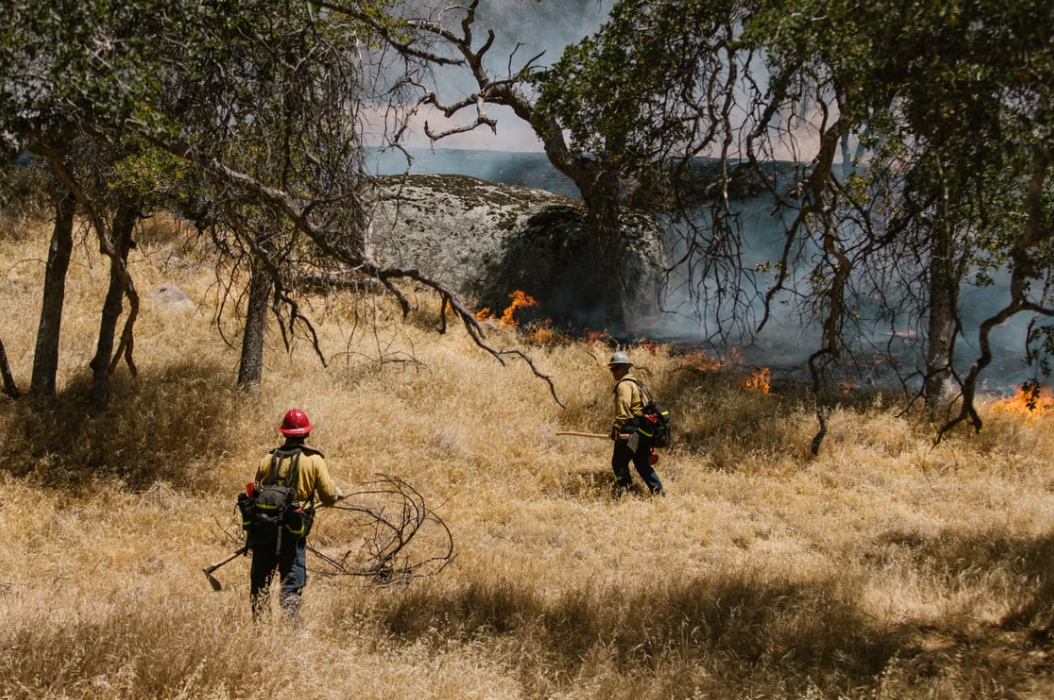
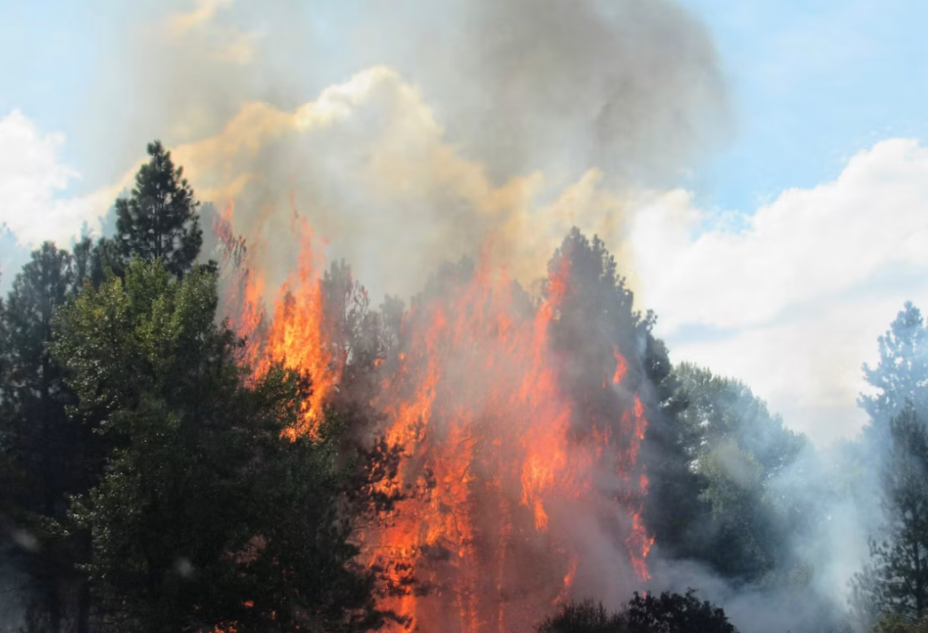
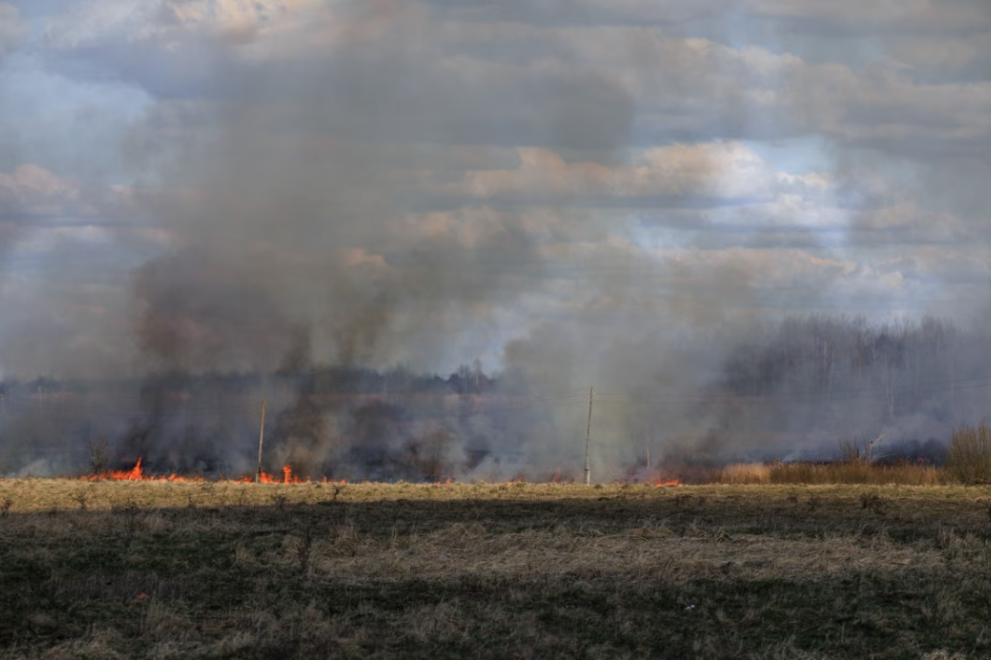
By the second week of July, Portugal, Spain, Greece and France were fighting wildfires at the same time. The European Union had already sent water-bombing aircraft criss-crossing the continent, Cypriot and Swedish planes flying to French fire lines, other crews moving toward Greece. The EU’s climate monitoring service, Copernicus, confirmed what the smoke had already suggested: Western Europe had just recorded its warmest June ever measured, and the global ocean stayed unusually warm alongside it. By the start of July, close to 120,000 hectares had burned across the EU since January, more than double the number of fires recorded by the same date in an average year.
Europe is the fastest-warming continent on Earth, heating at roughly twice the global average rate, according to the World Meteorological Organization. The planet as a whole sits about 1.4°C above pre-industrial levels; Europe is already close to 2.4°C above that same baseline, per Copernicus. This June broke the record June 2025 had only just set, itself a sign that “record summer” is becoming a description of most summers rather than an exception.
What it costs the people who grow the food
Here is where the story usually stops, at the fires, the heat records, the human toll. But underneath it is a second crisis that gets far less coverage, because it doesn’t produce dramatic footage. It shows up in a spreadsheet at the Ministry of Agriculture.
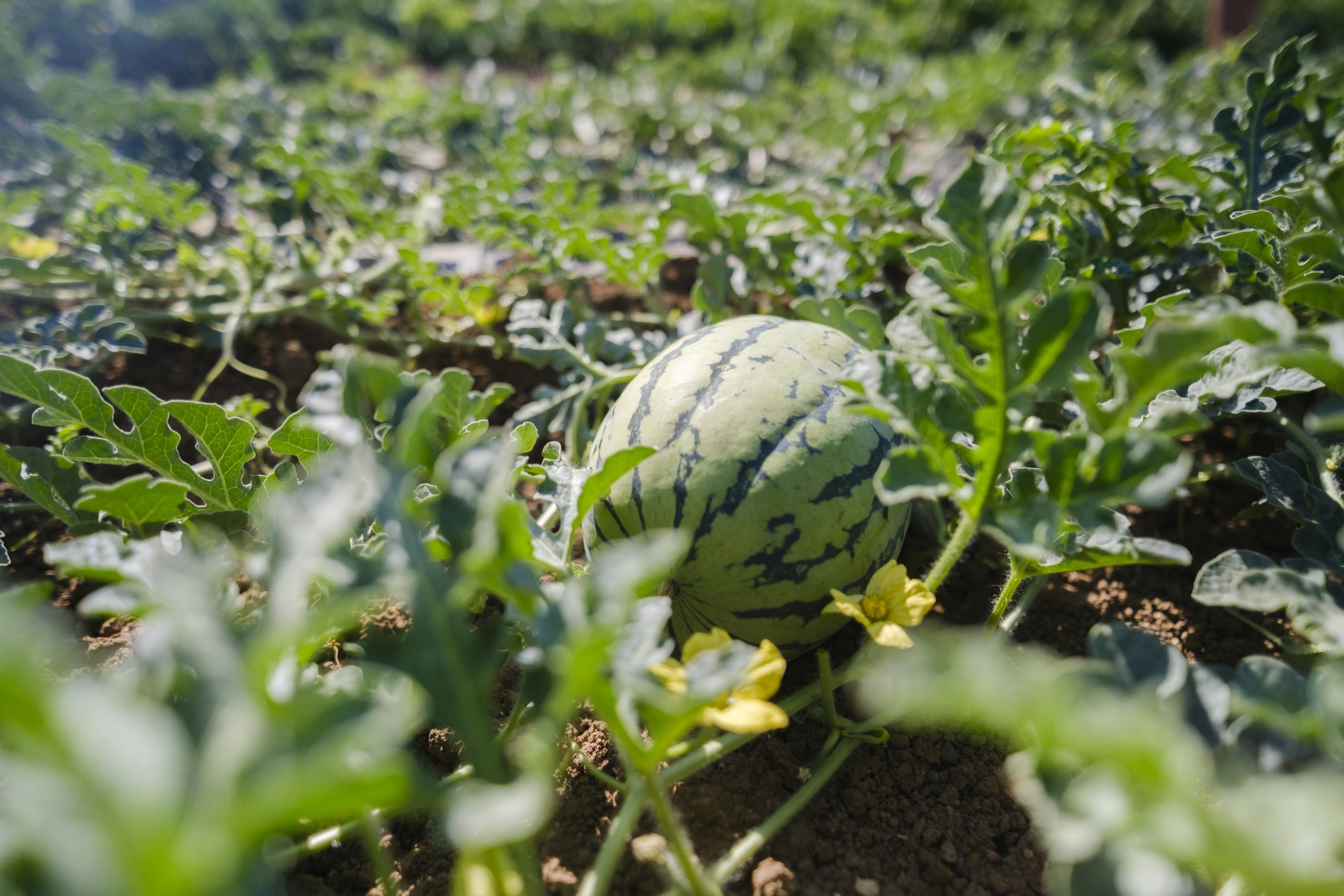
Early estimates put maize losses at up to 30% nationwide this year. Young carrot crops are down roughly 50%. Hops, down 60%. Wheat yields are swinging wildly plot to plot depending on soil depth, since shallow soils simply can’t hold enough moisture through a heat spike. Livestock farmers are already talking about breaking into winter feed reserves months early, because pasture growth collapsed after an unusually warm April.
The IPCC had already flagged the trend line in 2022, crop losses tied to drought and heat in Europe have tripled over the past fifty years. This year is another data point on a slope that’s been climbing for decades.
The same heat that scorched French maize scorched Spanish, Portuguese and Greek crops too, and the insurance industry has started saying openly that some European farmland is becoming difficult to insure at all. When yield collapses like this happen across several countries in the same season, the effect moves through EU-wide supply chains, through price, through which varieties are even available come autumn.
The part that happens next, out of sight
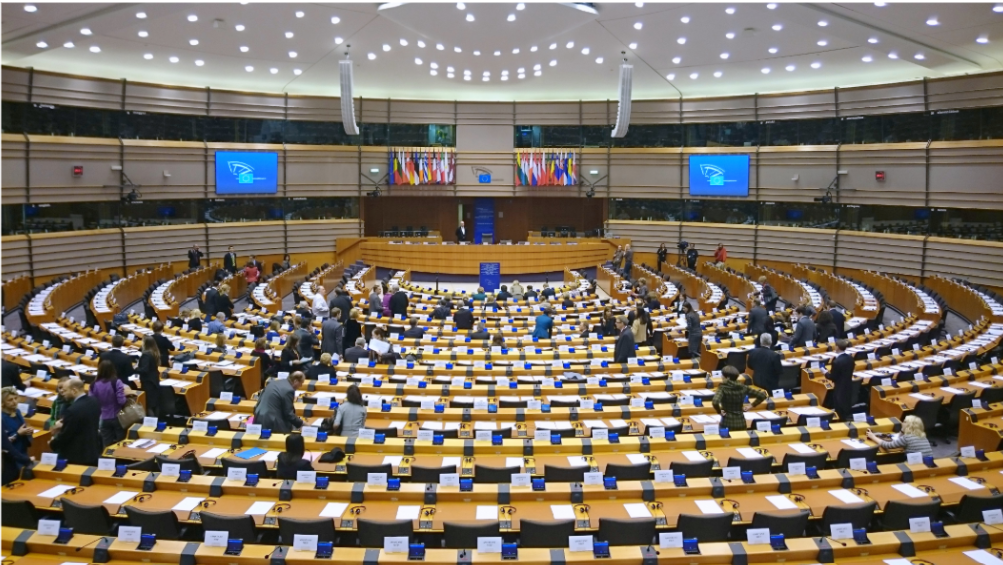
Crop failure at this scale doesn’t just cost money, it changes the politics of regulation. When a harvest is failing, the loudest argument in the room becomes food security, and the fastest lever available to loosen the rules on pesticide use is something called an Article 53 emergency authorisation, a mechanism that lets EU member states approve an agro-chemical product that wouldn’t normally clear the bar, specifically in “exceptional circumstances of agricultural emergency.” It exists for genuine emergencies. It also happens to be the exact tool that gets reached for whenever a bad season makes farmers desperate and governments anxious about supply.
A bad harvest is exactly the argument that makes loosening the rules sound reasonable to people who’d otherwise resist it.
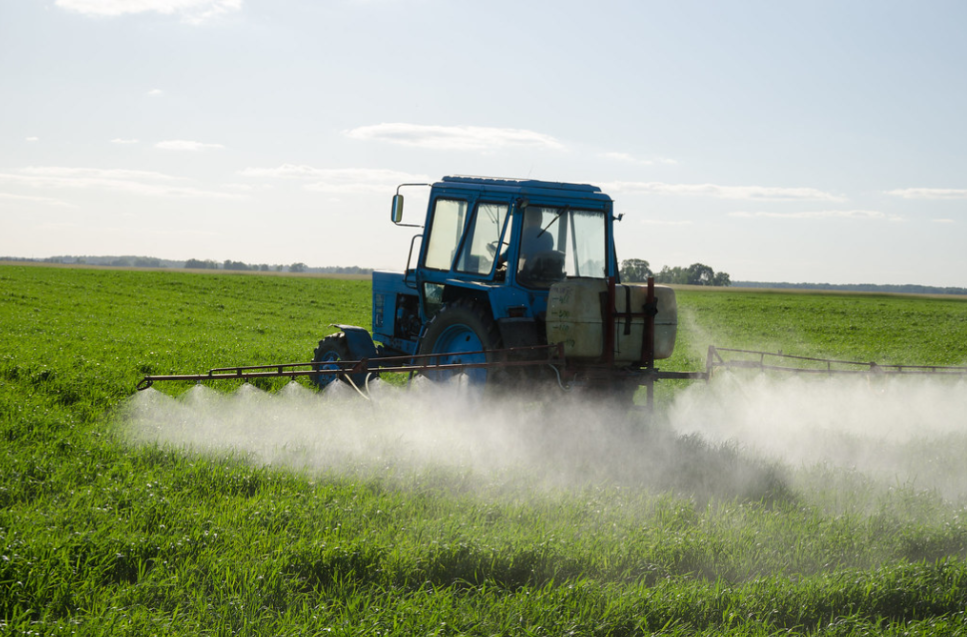
But that argument doesn’t stand on solid ground. More agrochemical use doesn’t rescue struggling soil, it degrades it. A 2021 survey of nearly 320 agricultural topsoil samples across the EU found that almost half contained residues from up to five different pesticides, at levels associated with fewer earthworms, fewer microorganisms, and fewer of the mycorrhizal fungi that keep plant roots supplied with water and nutrients.
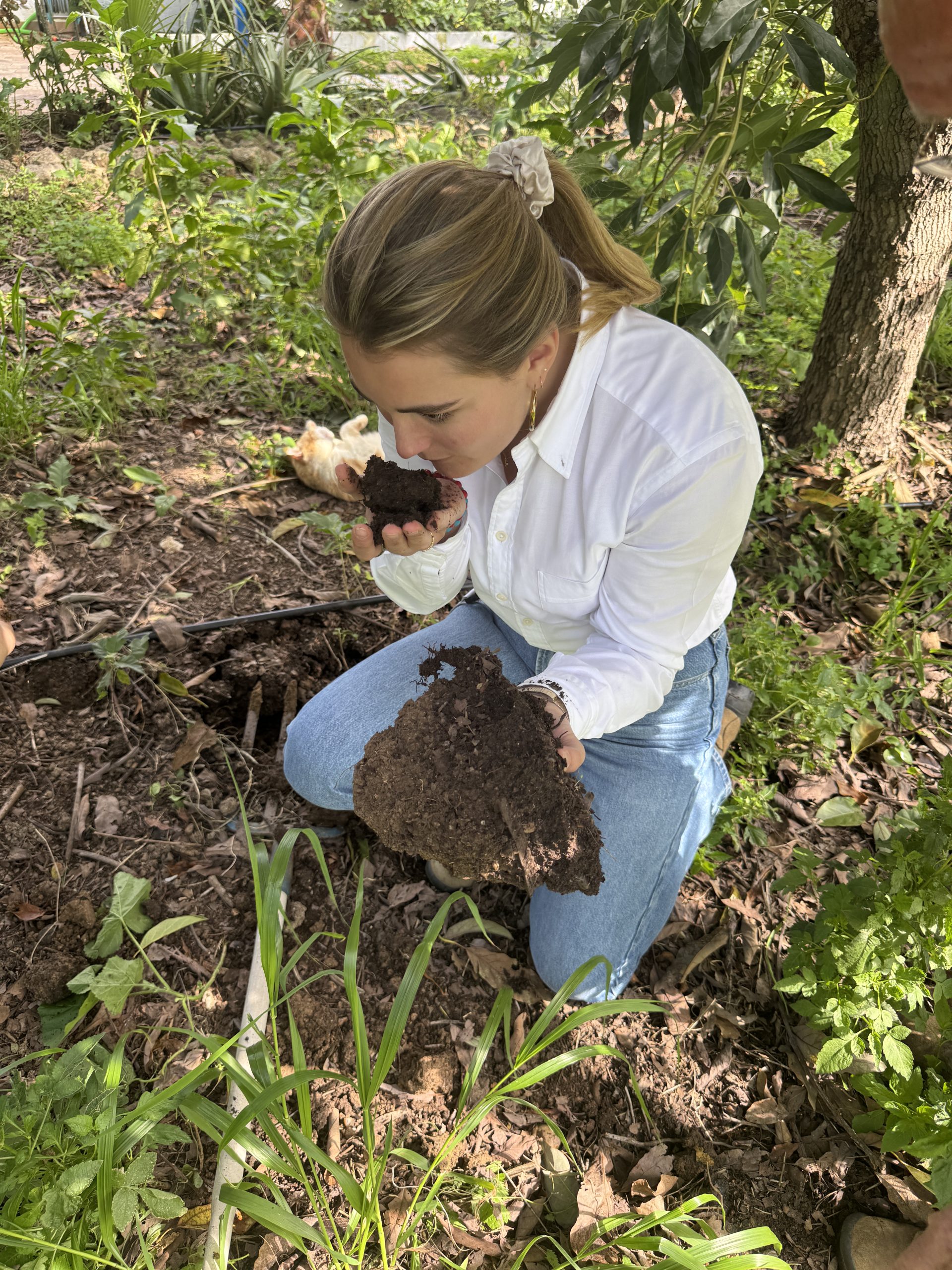
Soil organic matter is what lets soil act like a sponge, and every percentage point of organic matter a soil loses can cost it tens of thousands of litres of water-holding capacity per hectare. Bare, depleted soil holds less water and runs hotter: field studies comparing ground cover in a Mediterranean climate found dry bare soil running around 11°C above air temperature, while soil under grass or shrubs stayed several degrees below it. Strip the cover and the soil life away, and what’s left is closer to skin with no sunscreen than to skin that’s protected:, it dries faster, heats faster, and burns easier once a spark reaches it. The same emergency measure meant to save this year’s harvest can leave next year’s soil worse placed to survive the same heat.
And of course, for Big Ag, that’s good news, because most likely they’ll be able to sell even more the following year, when the pressure is even stronger for farmers and governments.
What to actually watch
We know that it’s important to look after ourselves during these times, and there are many resources being shared right now on how to protect yourself and others during extreme heat.
What doesn’t usually make the news is the regulatory and commercial story running underneath this summer. To understand where this actually goes, three things are worth tracking over the coming months: whether Member States lean more heavily on Article 53 emergency authorisations than usual this growing season, how the Food and Feed Safety Omnibus fares once it reaches full Parliament debate, and whether the language used to justify it shifts from “simplification” to something closer to “food security” as this year’s harvest numbers come in.
The fires will be out by autumn. But the rest of the fight will still be going.
Sources: Copernicus/ECMWF, Reuters, ABC News, Bloomberg, France 24, franceinfo, Réussir Grandes Cultures, La Plaine des Vosges, Miimosa blog, PAN Europe, Council of the EU (Consilium), European Commission Pesticides Database, Service-Public.fr, French Ministry of the Interior.
Written by Emilia Aguirre
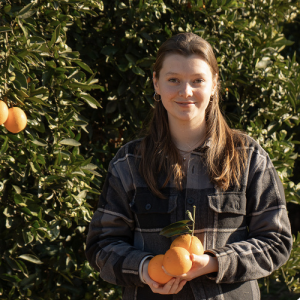
Emilia Aguirre is our Awareness & Advocacy specialist — which means she spends her days asking the uncomfortable questions about how our food is grown, priced, labeled, and sold. She hosts What The Field?!, a podcast packed with stories from the ground, hard-hitting research, and conversations with the people shaping the future of food (whether they like it or not).
Comments
Keep digging ...


by Lynne on July 2026
Wishing all farmers and families a safe summer 🤞