
Published August 2026
Traditional Gazpacho Recipe
Before blenders and refrigerators, even before tomatoes, gazpacho was bread, oil, vinegar, and water crushed in a mortar: the lunch of day laborers working under the southern Iberian sun. For centuries, it was a subsistence dish, without tomato or pepper, because those ingredients had not yet crossed the Atlantic.
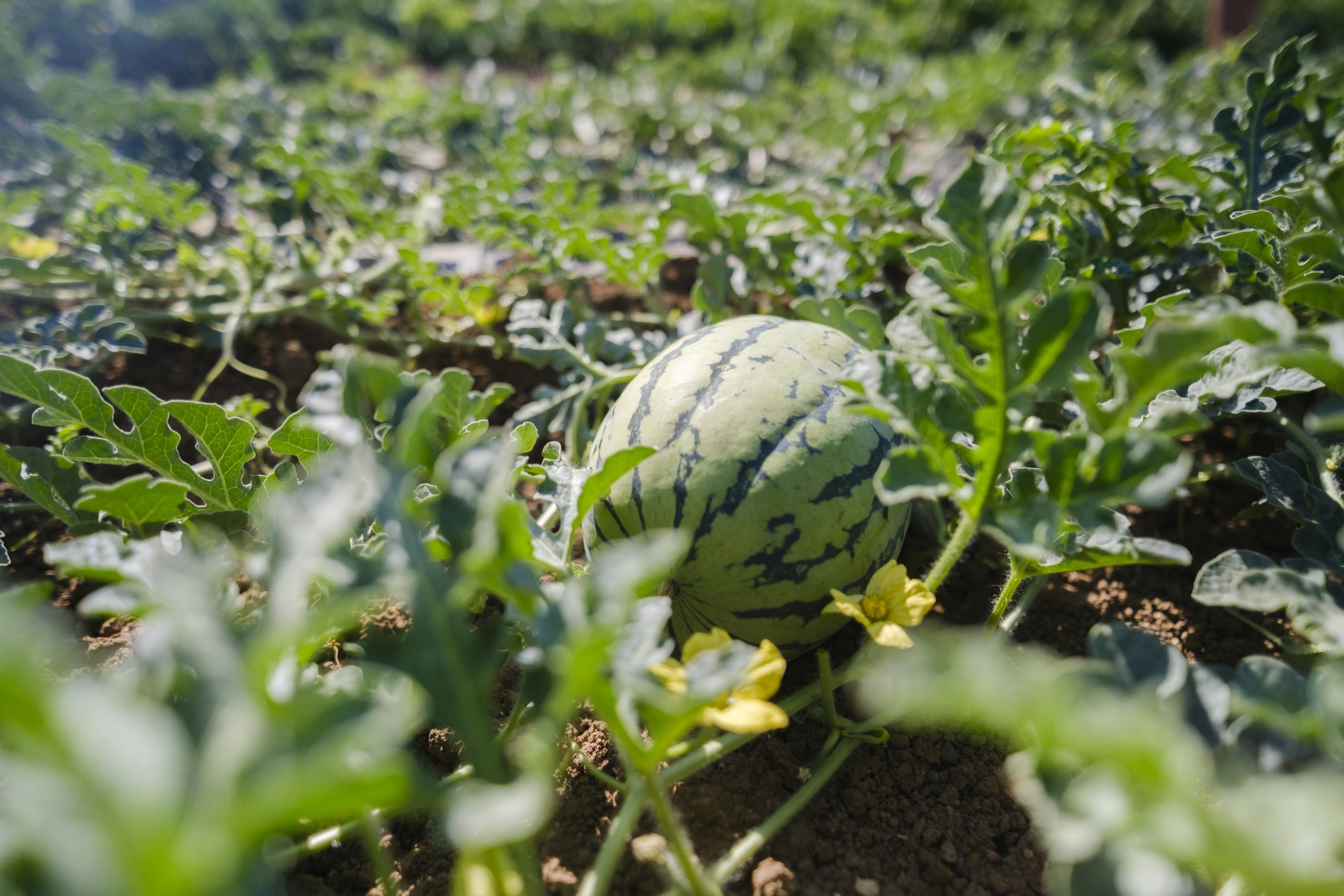
Tomatoes and peppers arrived in Spanish cuisine after their introduction from America, and only became widely incorporated into gazpacho from the 19th century onwards. This red, fresh version, linked to the summer garden, is what we recognize today, and what this recipe captures: a dish that changes color and texture depending on the hand that prepares it, but still stems from the same idea of making the most of what the garden offers at its peak.
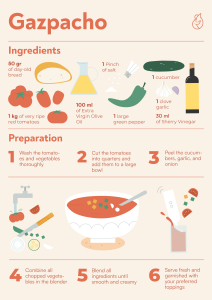
Ingredients for 4 servings
- 1 kg ripe tomatoes
- 1 cucumber
- 1 green pepper
- 1 clove garlic
- 100 ml extra virgin olive oil
- 1 tablespoon Sherry vinegar
- A pinch of salt
- 50 grams of bread (preferably day-old)
- 100 ml cold water
Preparation method
- Prepare the vegetables: Wash and chop 1 kg of ripe tomatoes, 1 cucumber, and 1 Italian green pepper. Peel 1 clove of garlic. Soak 50 grams of day-old bread in 100 ml of cold water for a few minutes.
- Blend: Blend all the vegetables together with the soaked bread until a fine cream is obtained.
- Emulsify and season: Add 80 ml of extra virgin olive oil, 1 tablespoon of Sherry vinegar, and 1 teaspoon of salt, and blend again until combined.
- Strain and chill: Pass through a fine sieve for a smooth texture and refrigerate to serve cold.
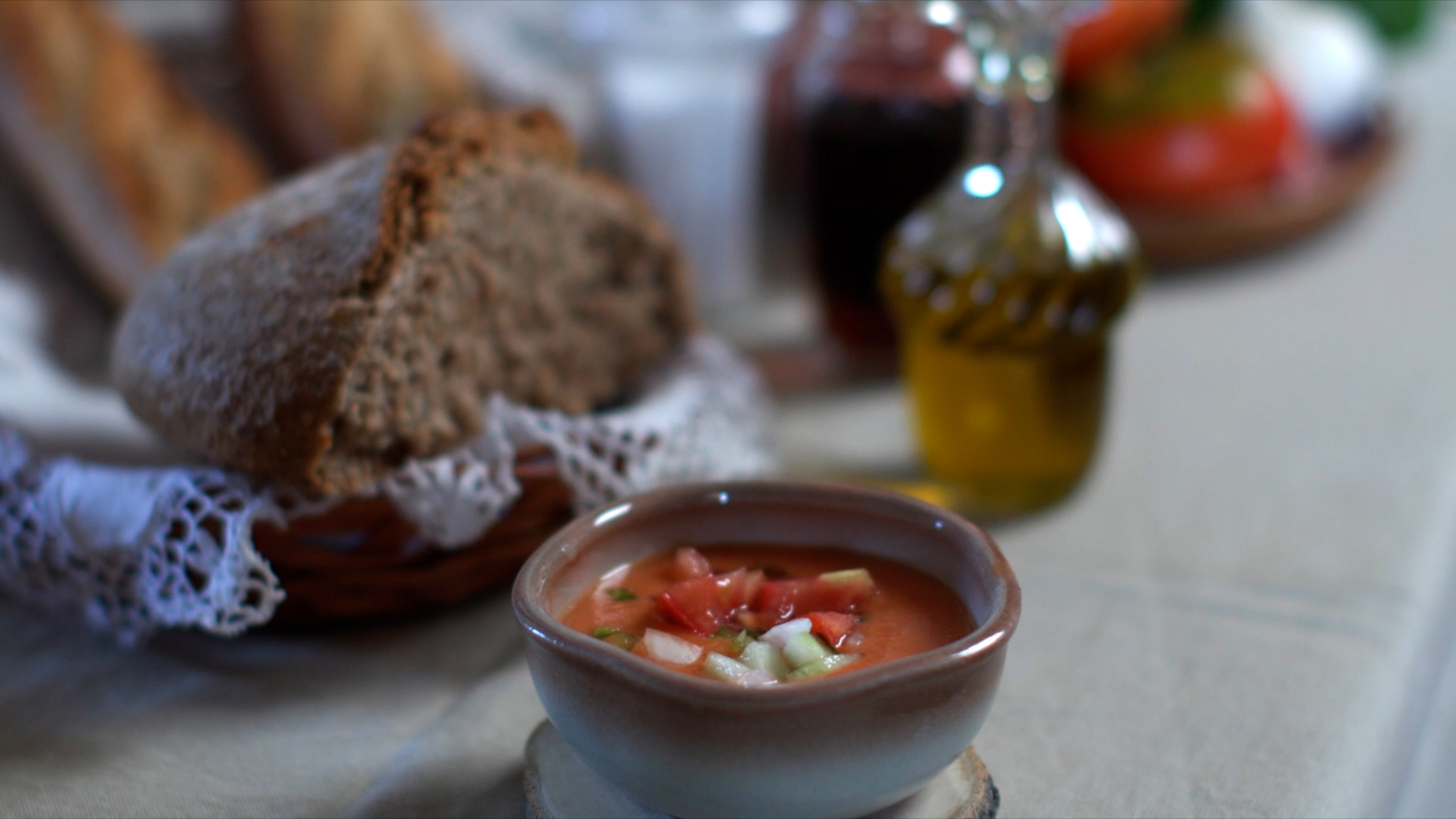
- Serve: Serve cold, with a drizzle of extra virgin olive oil on top and, if desired, chopped vegetables as a garnish.
Notes
Adjust the water according to your preferred texture. For a more intense color, use very ripe seasonal tomatoes.
Written by Emilia Aguirre
Emilia Aguirre is our Awareness & Advocacy specialist — which means she spends her days asking the uncomfortable questions about how our food is grown, priced, labeled, and sold. She hosts What The Field?!, a podcast packed with stories from the ground, hard-hitting research, and conversations with the people shaping the future of food (whether they like it or not).
Comments
Keep digging ...