





Published August 2026
Why doesn’t Europe protect its producers?
There is a complaint that is gaining increasing traction across Europe: what is the point of requiring our farmers to meet increasingly strict labor and environmental standards if they then have to compete on store shelves with products imported from outside Europe, grown under very different conditions?
The official response to this imbalance invokes the free market and diplomacy, but the reality is far more uncomfortable. We’re talking about agreements signed in desperation to circumvent European justice, about mass production in the desert that conceals its true origin, of foreign agencies moving into our ports to control the main gateway to Europe, of European companies relocating their greenhouses to Morocco lured by low wages, and of a vote to stop all of this that was lost by a single vote.
To understand how this complex web of political and corporate interests that enables this situation works, let’s break it down using one of the most high-profile cases: the “tomato war” and the long journey this product takes long before it ends up in your salad.
Morocco’s influence extends beyond European borders
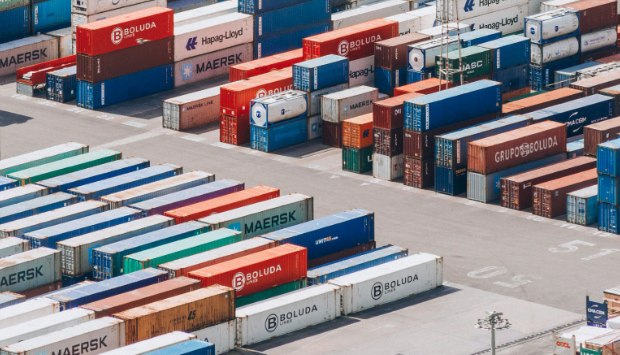
Morocco has been the European Union’s leading supplier of tomatoes since 2022, and France is the largest buyer, absorbing a large portion of these exports for domestic consumption and re-export.
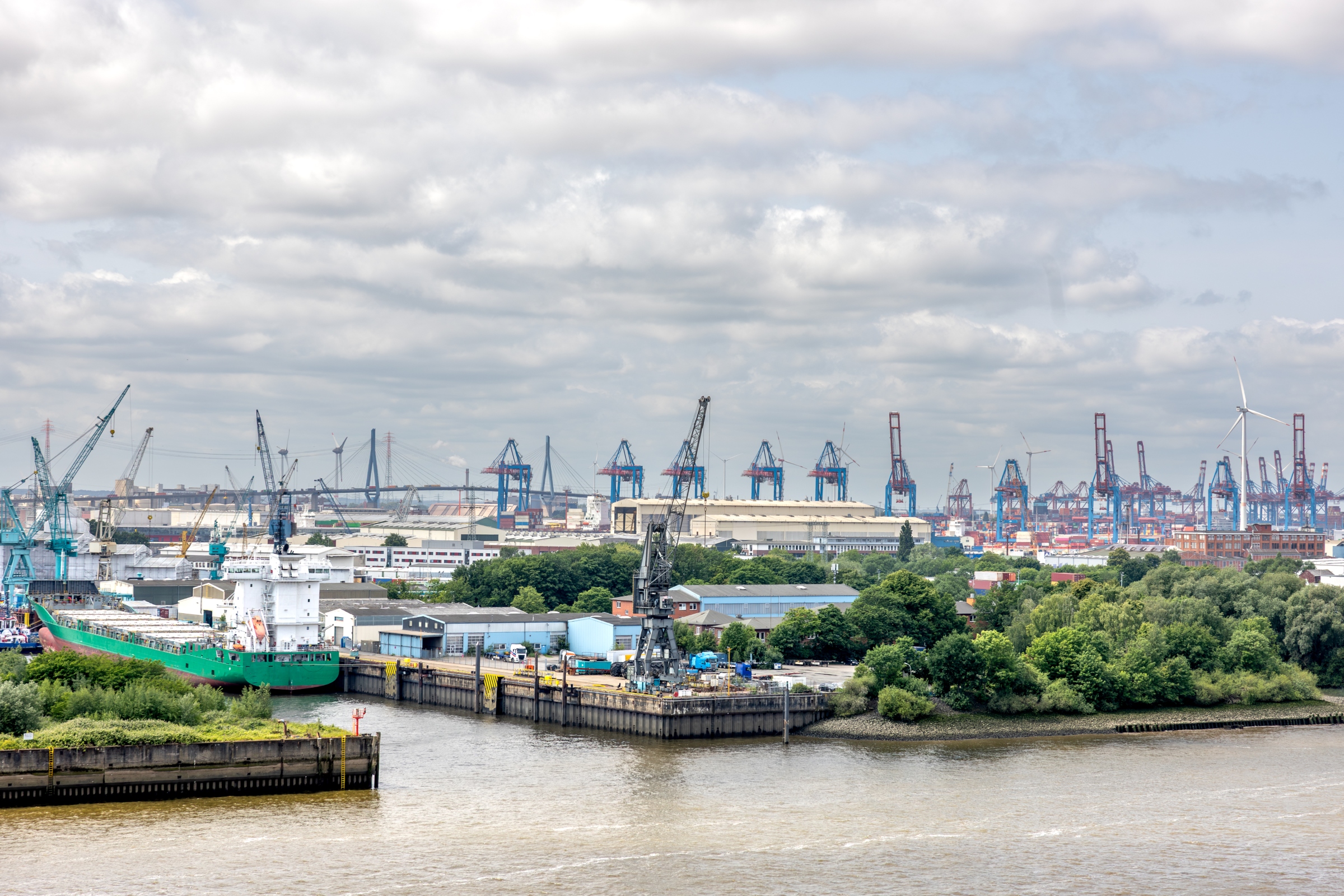
In the first stage of its journey to Europe, the Moroccan tomato crosses the Strait of Gibraltar by ship and arrives in Algeciras, where it undergoes the necessary checks for entry into Europe. And this is where the thriller begins. The Moroccan state-owned port operator, Marsa Maroc, acquired 45% of Boluda Maritime Terminals (a company that controls and manages nine port facilities in Spain) for 80 million euros in late 2025. This unprecedented move grants the Moroccan government direct management control over key maritime terminals on Spanish territory (Cádiz, Seville, Las Palmas, Tenerife, Lanzarote, Fuerteventura, La Palma, Vilagarcía, and Santander). Agricultural organizations have sounded the alarm over this joint ownership: they fear that institutional influence will lead to a relaxation of border inspections, increasing the risk that products treated with pesticides or insecticides banned in Europe will enter the European market.
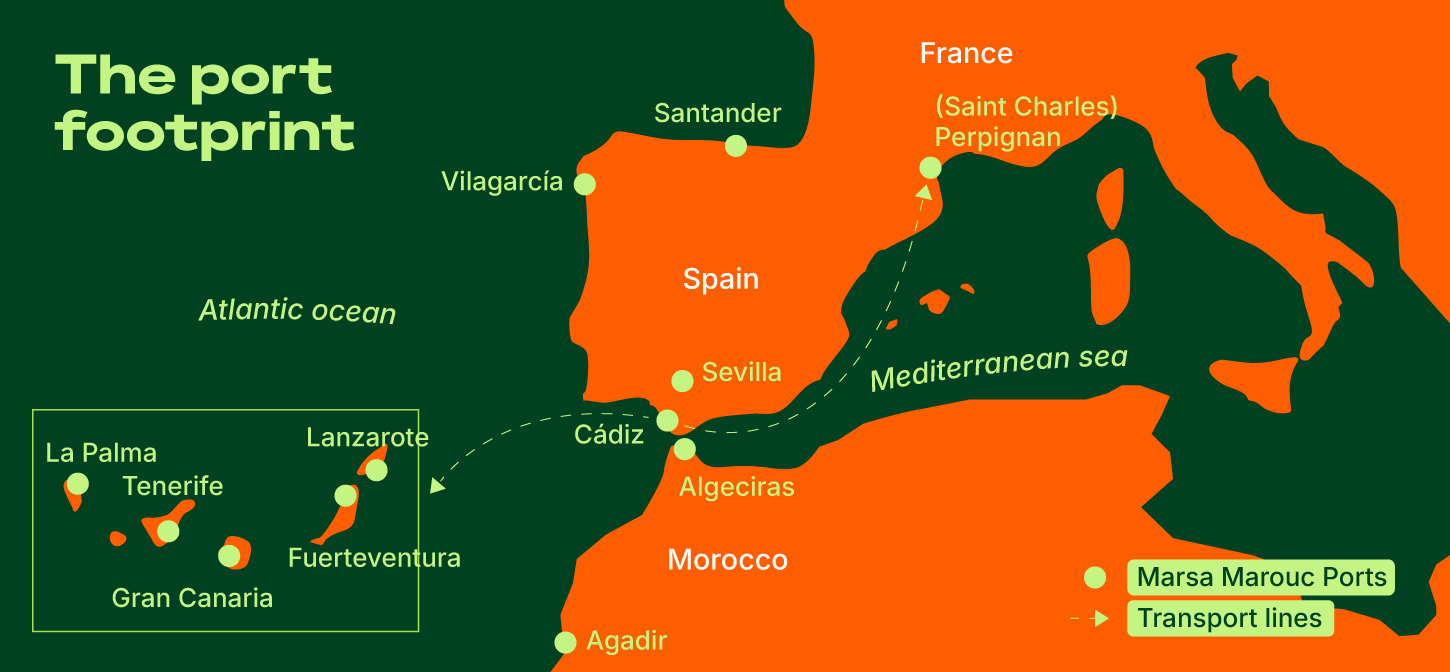
In the next stage, the tomatoes are transported by truck across the Iberian Peninsula to Perpignan, in southern France. That is where the Saint-Charles International hub operates, Europe’s largest “dry port” for fruits and vegetables: a 70-hectare site home to some 150 companies, with a daily traffic of 3,000 trucks and an annual turnover of around 2 billion euros. Once across the border, from this vast French hub, the tomatoes undergo a “customs re-export” process and are redistributed to destinations such as Germany, Italy, the Netherlands, and Eastern Europe. This intermediary and repackaging step greatly obscures the product’s original traceability.
In addition, a direct shipping route has recently been launched that transports the product from Agadir (Morocco) to Port-Vendres (France)—a port just a few kilometers from Perpignan—in just three and a half days. Moroccan influence on this French border operates very differently from that on the Spanish side. While in Spain we saw the Moroccan government purchasing terminals in the ports, in France the strategy is purely business-driven. The vast Saint-Charles market is 100% privately owned, and Moroccan agricultural giants have set up their bases of operations right in the heart of it.
To understand the extent of this network, one example suffices: the King of Morocco himself, Mohammed VI, owns an agricultural company called Les Domaines Agricoles. Well, a subsidiary of this company has partnered with a French firm (Frulexxo) to do business within this Perpignan market. Joining the king’s company are subsidiaries of other major tomato empires, such as the Franco-Moroccan Azura group and the Hoceg Anima group.
Unsurprisingly, having a major competitor set up shop right in their own backyard has ultimately sparked protests in France, even leading to the physical blockading of the Azura giant’s warehouses in Perpignan. But is competition alone reason enough to be so angry? Why is there talk of competition under unequal conditions?
Tomatoes grown in the desert
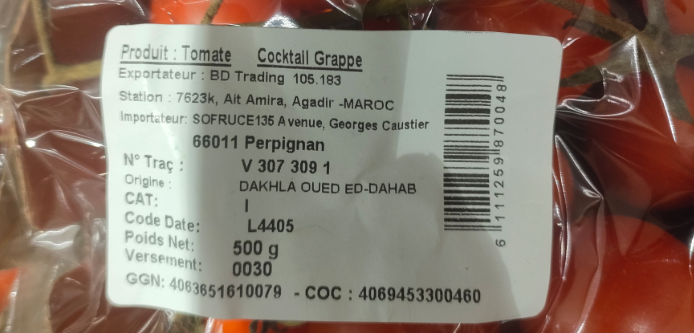
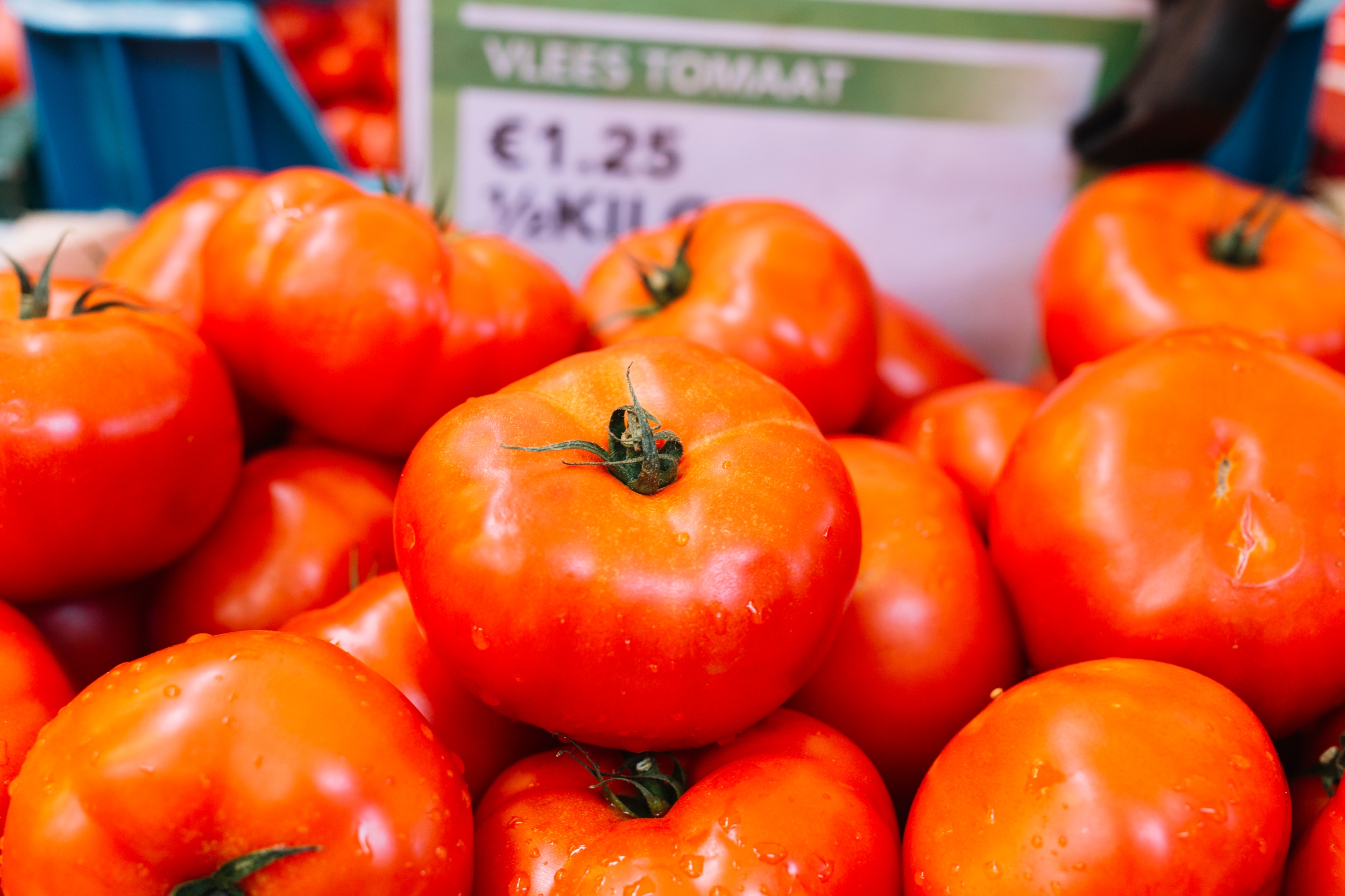
When European consumers pick up a tray of tomatoes at a supermarket, the label may be hiding a geographical and political reality that is far more complex than it appears at first glance. A significant portion of these tomatoes comes from a specific region: Western Sahara. This is a territory seeking independence, classified by the UN as “non-self-governing,” and under de facto Moroccan control since 1975.
Precisely because of this situation, the Court of Justice of the European Union has repeatedly ruled—most recently in October 2024—that Western Sahara is legally distinct from Morocco. According to the judges, products from there cannot benefit from EU-Morocco trade agreements without the consent of the Sahrawi people, and must be labeled to indicate “their actual origin.” Looking at the label, it is difficult to tell what the actual origin really is.
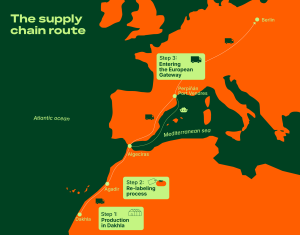
Much of the tomatoes exported from this region are grown in large greenhouses located in Dakhla, in the heart of the Saharan desert. These tomatoes travel more than 1,000 kilometers (a distance equivalent to going from Paris to Berlin) by truck to Agadir (Morocco), where they are mixed with local produce and labeled as “Origin: Morocco.” It is estimated that nearly 50% of the tomatoes entering Europe under a Moroccan label actually come from Sahrawi plantations. And the plan is for that to grow.
You might be wondering how such large volumes of tomatoes can be grown in the desert. Well, it’s not possible. A major project is underway to add another 5,200 hectares in Dakhla, supplied by a massive seawater desalination plant and a new irrigation network. According to projections in the official Moroccan plan, the first harvests were scheduled to begin in late 2025, so this new surge in production is already in full swing during the current 2026 growing season. This infrastructure will increase the region’s agricultural production tenfold, geared almost exclusively toward massive exports to the European market.
The paradox that most outrages the agricultural sector is that this massive project, which threatens to stifle local production, is being built with funding from the European Union itself. Under the new trade agreement, the EU Council agreed to provide economic support to the region for key sectors such as “water, including irrigation, energy, and desalination.” In practice, this means that European funds are helping to pay for the water resources and wind farm that make this tomato megalopolis in the middle of the Sahrawi desert possible.
A Dutch product grown on Moroccan soil
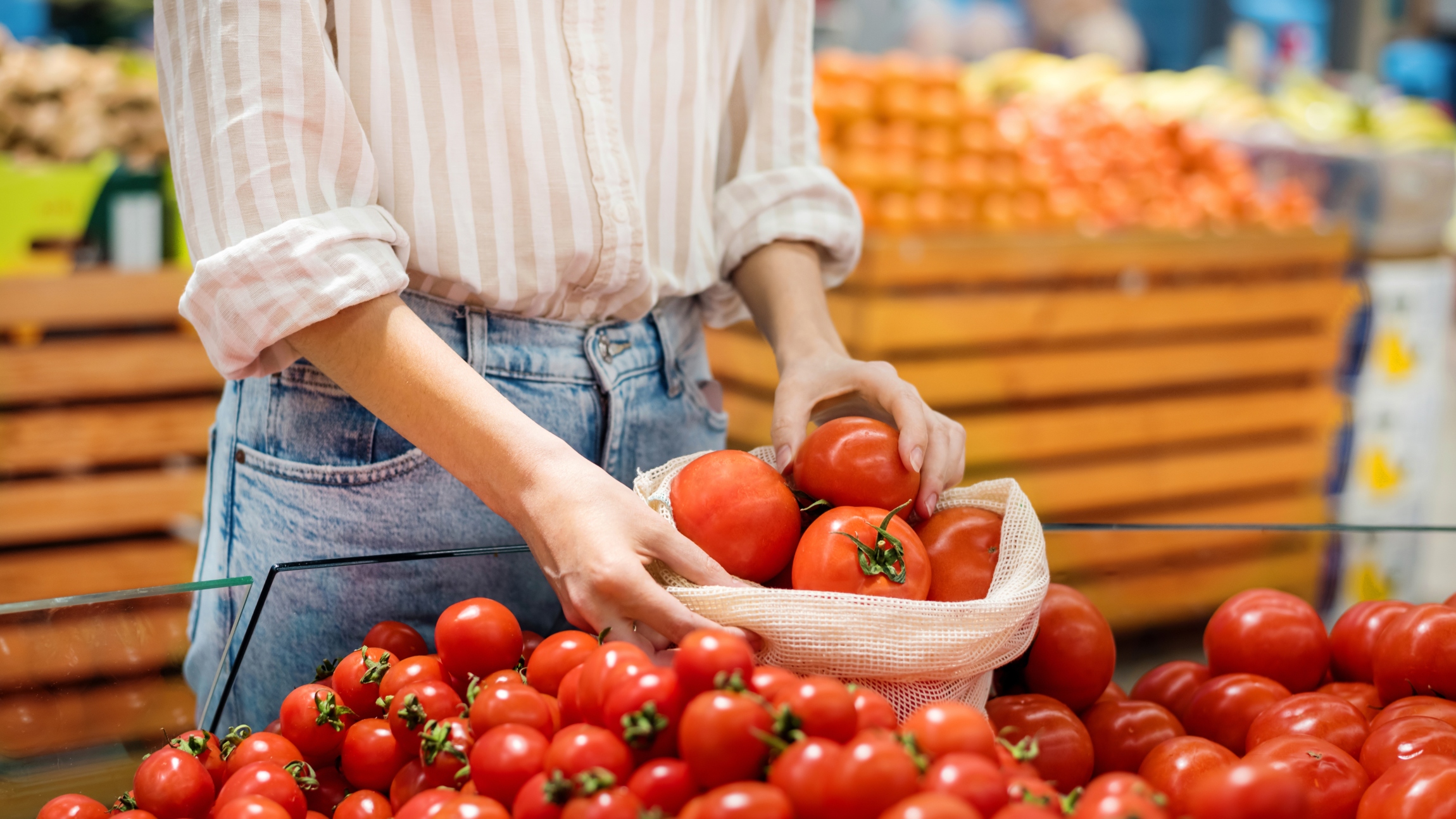
For decades, the Netherlands has been a global horticultural powerhouse. Its high-tech, highly efficient greenhouses have enabled it to become the world’s second-largest agricultural exporter. Yet it exports more tomatoes than it produces. How is that possible?
When the 2022 energy crisis sent gas prices soaring, 20% of Dutch growers turned off the heating in their greenhouses during the winter. Morocco filled the supply gap they left behind. Dutch imports of Moroccan tomatoes rose from 3 million kilograms in 2010 to over 37 million in 2021. The Netherlands repackages them and redistributes them as part of its commercial offering. It’s the re-export model: buy cheap at the source, maintain the distribution chain, and keep the margin.
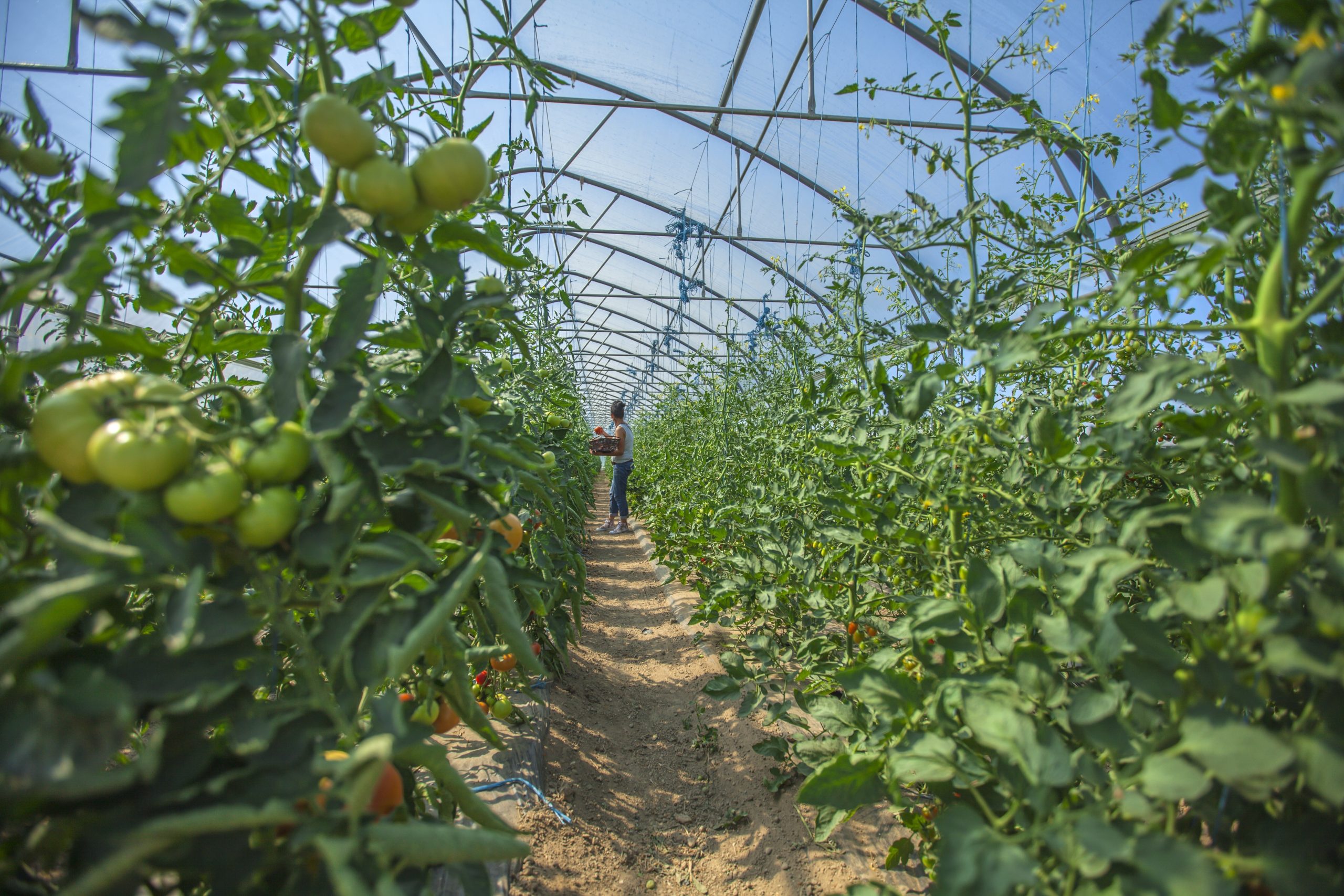
But there’s more. Several of the largest Dutch horticultural companies have gone directly to Morocco to set up their own greenhouses. In 2023, Agro Care built a high-tech complex in Agadir, featuring water recirculation systems and cloud-connected sensors, with plans to expand to 200 hectares. Van Oers United has been managing 450 hectares in the Souss region since 2020. Kamps Beans operates 1,200 hectares with 3,500 employees in the Agadir region. The seed companies Enza Zaden and Rijk Zwaan have been there since the 1990s.
It’s not unfair competition in the simple sense. It’s offshoring. The same European capital that used to produce in Dutch greenhouses now produces in Morocco, where labor costs are ten times lower. European farmers are competing against that.
(Outdated) Measures to Protect Our Producers
Morocco’s entire logistics and territorial expansion apparatus relies on a European trade framework that, according to EU farmers, is completely outdated. To prevent the ruin of local producers, the European Union’s borders should operate with two protective barriers: a quantity limit (quotas) and a required minimum price (the entry price). In practice, however, both barriers have collapsed.
Quotas (the limit on “free” entry)
The “quota” is the maximum amount of tomatoes that Europe allows Morocco to import each year without charging customs duties, currently set at 285,000 tons annually. Where’s the catch? When the United Kingdom left the European Union due to Brexit, the European market shrank, so the logical thing would have been to reduce that limit to reflect the new reality. However, Brussels decided to keep the quota intact.
With fewer countries to share the same amount of duty-free tomatoes, the remaining markets—such as Spain and France—are becoming even more saturated.
The entry price (the minimum required price)
To prevent foreign tomatoes from entering the market at such ridiculously low prices that they drive local farmers out of business, the EU requires that imported tomatoes meet a minimum price; if they are sold for less, importers must pay penalties. The problem is that this threshold was set a very long time ago at just 0.46 euros per kilogram.
Today, producing a kilogram of tomatoes in Europe costs significantly more due to inflation and rising fertilizer prices. Since the 46-cent threshold is so low, Morocco can import its tomatoes at “dumping prices” without incurring any penalties, thereby crashing the market. For this reason, the European agricultural sector is demanding that this price be urgently updated and raised to at least 0.90 euros per kilo in order to compete fairly.
Added to these bureaucratic barriers is an insurmountable gap: the cost of labor. While in Europe a farmer must pay a minimum wage of around €10 per hour, in Morocco that cost plummets to €0.98 per hour. A staggering difference that explains why the European agricultural sector feels like it’s playing a rigged game.
Why does Europe allow this?
When the European Court of Justice gave Brussels an ultimatum to stop treating Western Sahara as if it were Morocco, the European Commission reacted at the last minute. One day before the court-imposed deadline in October 2025, it signed a new, hastily negotiated agreement to maintain the tariff reductions.
The trick to getting around the judges? Allowing Sahrawi tomatoes to use the names of Moroccan administrative regions on their boxes (such as “Dakhla Oued Ed-Dahab”) instead of indicating their actual origin. For the average consumer, it’s impossible to decipher what those names mean, so they end up buying a product grown in a desert region, in a conflict zone, and 1,000 km from Morocco without even knowing it. The European Parliament attempted to block this legal loophole in November 2025, but the initiative failed by a single vote.
Why does Brussels give in and accept this kind of maneuver? The most widely accepted theory is that it is due to immigration control. Morocco acts as the main border guardian between Africa and Europe, and its police cooperation in the Strait of Gibraltar carries far more weight in European offices than complaints from the agricultural sector. This influence is no secret: following the first major legal setback, the Moroccan embassy urgently hired an influential lobby in Brussels (led by a former Spanish minister) to pressure the European Commission. The goal was to forge that last-minute express deal that gave the green light to “deceptive labeling,” allowing tomatoes from Western Sahara to continue entering with tariff advantages under the names of Moroccan regions.
There is also a sad irony: the very same sub-Saharan immigrants whom Morocco stops on their way to Europe often end up working under exploitative conditions in these large-scale greenhouses, producing the cheap tomatoes that end up competing with European ones.
In light of this situation, the European agricultural sector has decided to present a united front. Producers from France, Spain, Italy, Portugal, the Netherlands, and Poland have launched the institutional campaign “We Tomato Europe, Don’t Betray EU Tomato.” Their goal is not to ask for special privileges, but to demand that the European Parliament ensure a level playing field. They are calling for the implementation of “mirror clauses” to guarantee that imports comply with the same labor and phytosanitary standards, clear and mandatory labeling that shows the actual country of origin, and the activation of automatic safeguard clauses in the event of a market collapse.
Although the recent attempt to block the new regulation on misleading labeling failed by a single vote, this cross-border alliance shows that the agricultural sector is willing to fight to protect the European Union’s food sovereignty.
A very convenient “blackout”
To add to the atmosphere of suspicion, a mysterious incident occurred in early 2026: Moroccan tomatoes “disappeared” from official European statistics. According to data from Brussels, only 12,800 tons entered in January 2026, compared to the usual 53,000. However, the reality on the ground was quite different: trucks continued to arrive at European markets as usual.
The European Commission blamed a “computer glitch” in the transmission of customs data. But farmers aren’t buying it. Farmers claim that this glitch was too convenient: by recording falsely low figures right during the weeks of greatest political tension, it automatically triggered the emergency mechanisms that would have imposed protective tariffs as the European market became saturated.
So, whose fault is it?
There is no single villain here. Morocco is doing what countries do: leveraging its competitive advantages and geopolitical position to secure favorable terms. Dutch companies are doing what companies do: seeking the lowest costs. The European Commission is managing tensions between interests that aren’t always compatible. And European farmers have been calling for years for someone to solve an equation that the free market alone cannot solve.
What is clear is that a tomato’s origin label doesn’t tell you who grew it, under what conditions, in what soil, or under what system. In many cases, it’s designed not to tell you that. And the decisions about what that label says aren’t made in the field. They are made in a vote that is won or lost by a single vote, or in a last-minute negotiation signed the day before a legal deadline expires.
The next time you look at the country-of-origin labels in the supermarket aisle, you’ll know that they only tell part of the story.
Sources
- CJEU. (2024). Judgment of the Grand Chamber of October 4, 2024 (Joined Cases C‑778/21 P and C‑798/21 P). InfoCuria – European Union.
- European Commission. (2025-2026). Agri-food Data Portal & Eurostat International Trade in Goods Statistics (ITGS). Directorate-General for Agriculture and Rural Development.
- Netherlands Agricultural Network (LAN). (2024). The Horticulture Sector in Morocco: Current Status, Environmental Challenges, and Dutch-Moroccan Collaboration. Agroberichten Buitenland.
- Western Sahara Resource Watch (WSRW). (2025). EU Labeling Chaos Already Affecting Supermarkets & Identifying Tomato Farms in Occupied Western Sahara. WSRW Observatory.
- Mundubat Foundation & COAG. (2021). Human Rights and Transnational Corporations in Western Sahara: The Case of Tomatoes.
- Maldita.es. (2026). Here’s the scoop: facts and figures about imports from Morocco and Western Sahara to the EU.
- FEPEX & the European Agricultural Sector. (2026). We Tomato Europe: Don’t Betray EU Tomato. Institutional campaign manifesto & press releases, Berlin Fruit Logistica.
Written by Cristina Domecq

Cristina Domecq is the Head of Impact at CrowdFarming. She operates where the boardroom, the field, and social conversations converge, convinced that the clues to fixing the food system are revealed in that intersection. Her goal is to achieve a behaviour change that sticks—a mission that only works if both farmers and consumers are truly on board.
Comments
Keep digging ...


by Jean-Marc Ziade on June 2026
I wasn’t expecting this! Thank you for sharing.
by Cristina Domecq on July 2026
Hi Jean-Marc, thanks for reading. Glad it caught your attention!
by Cristina Domecq on July 2026
Hi, thank you for bringing more light to this. We’re confident this article only scratched the surface. There’s unfortunately much more behind it. It’s a complex topic, and we’ll keep following it closely.