
"Research has shown a worrying decline in some of our much-loved garden birds due to a disease called trichomonosis. This is a highly contagious disease and can spread where birds gather in large numbers such as at bird feeders." - RSPB
Published August 2026
How can we help birds in summer?
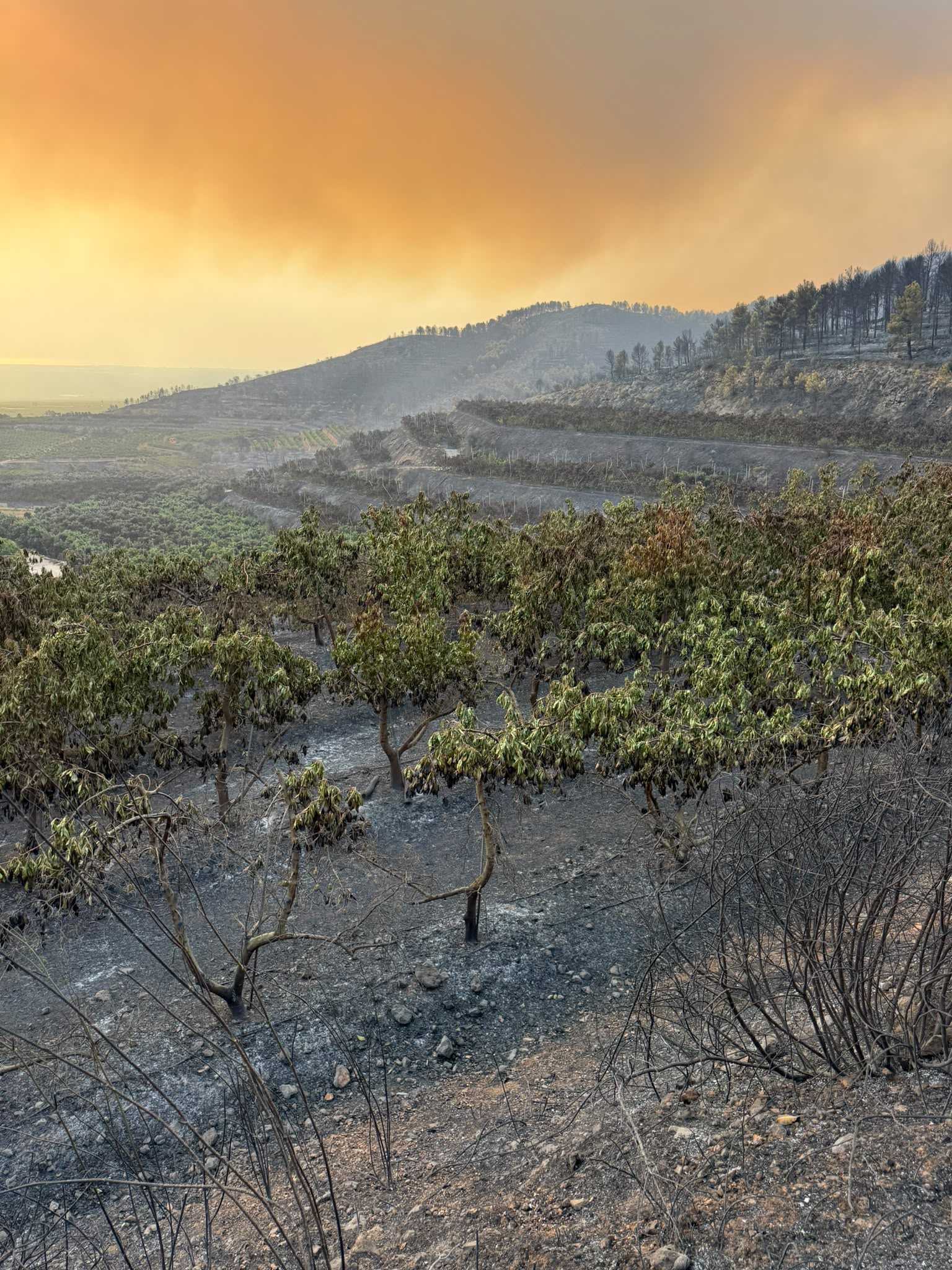
Summer used to mean long light and birdsong at dawn. This year, across Europe, it has meant something closer to a survival test, for people and for the birds sharing our skies, hedgerows and wetlands. The mechanics are simple enough. Extreme heat dries out vegetation until forests and scrubland become kindling, and once wind and drought join in, fires spread faster than anyone can contain them. What that means for birds is where the story really starts.
Where the birds are
In Catalonia’s Ebre Delta, one of the largest wetlands on the Iberian Peninsula, SEO Birdlife has documented a significant drop in the winter presence of migratory birds, driven by reduced river flow, intensive rice farming and climate change. Every wetland site surveyed across Spain came back rated poor. Spain, for context, is having its hottest summer on record.
In France, common swifts have become an unlikely emblem of the season. Nearly 1,830 have been admitted to rescue centres this year, close to double the usual number, many after jumping from overheated rooftop nests before they could fly. More than 8,750 wild animals arrived at just twenty French centres in June alone, a 30% rise on last year.
Northern Ireland offered one of summer’s rare good endings. When a wildfire tore across Slieve Beagh in County Fermanagh on 30 April, one of the last curlew breeding grounds left on the island, firefighters found an active nest with four eggs directly in its path and lifted them to safety with RSPB Northern Ireland. Four chicks were released back into the wild in July.
The research backs up what these events suggest, though rarely in a straight line. A seventeen-year study of a North African wetland found different species responding to drought in different directions, while a 2025 New Mexico study found wildfire could briefly increase diversity even as long-term drought reshaped it. And decade-old modelling of Mediterranean fires still holds: same-summer drought remains one of the strongest predictors of how much land burns.
Officially, the picture is just as stark. A new RSPB and BTO report published in July 2026 confirmed climate change is already reshaping where UK birds live and when they breed, with the RSPB’s Katie-jo Luxton warning that “without urgent conservation action, upland birds and seabirds will continue to face rapid declines.”
What actually helps
None of this means throwing up our hands. There is genuine, practical action available, and most of it does not require land, money or expertise.
Feed seasonally, not by habit
This is the RSPB’s single biggest change to its guidance this year, and it has real evidence behind it. Greenfinches have dropped by more than 65% over the last three decades, driven substantially by trichomonosis, a parasitic disease that spreads easily wherever birds gather to feed. Back in 1979, when the RSPB’s Big Garden Birdwatch began, greenfinches sat at number seven on the list of most commonly spotted garden birds. This year they were down to eighteenth.
The fix is seasonal rather than total. Between 1 May and 31 October, the advice is to pause seeds and peanuts, since these are what finches prefer and what carries most of the disease risk, but to keep offering small amounts of mealworms, fatballs or suet. Finches rarely eat these, so the risk is lower, and the protein boost genuinely helps chick survival. Natural food is also more plentiful in summer, so birds need less help from us during exactly the months when disease risk peaks.
Feed safely, all year round
Alongside the seasonal shift, a few habits make a measurable difference to disease spread:
- Clean feeders and water baths at least weekly, with hot soapy water and a non-toxic disinfectant, and clear away any old food or droppings underneath.
- Move feeders to a different spot each week. This stops contaminated debris building up in one place, and if you have more than one feeder, spacing them out reduces crowding and species mixing.
- Keep feeders away from roosting spots, such as directly under trees, to avoid contamination from droppings above.
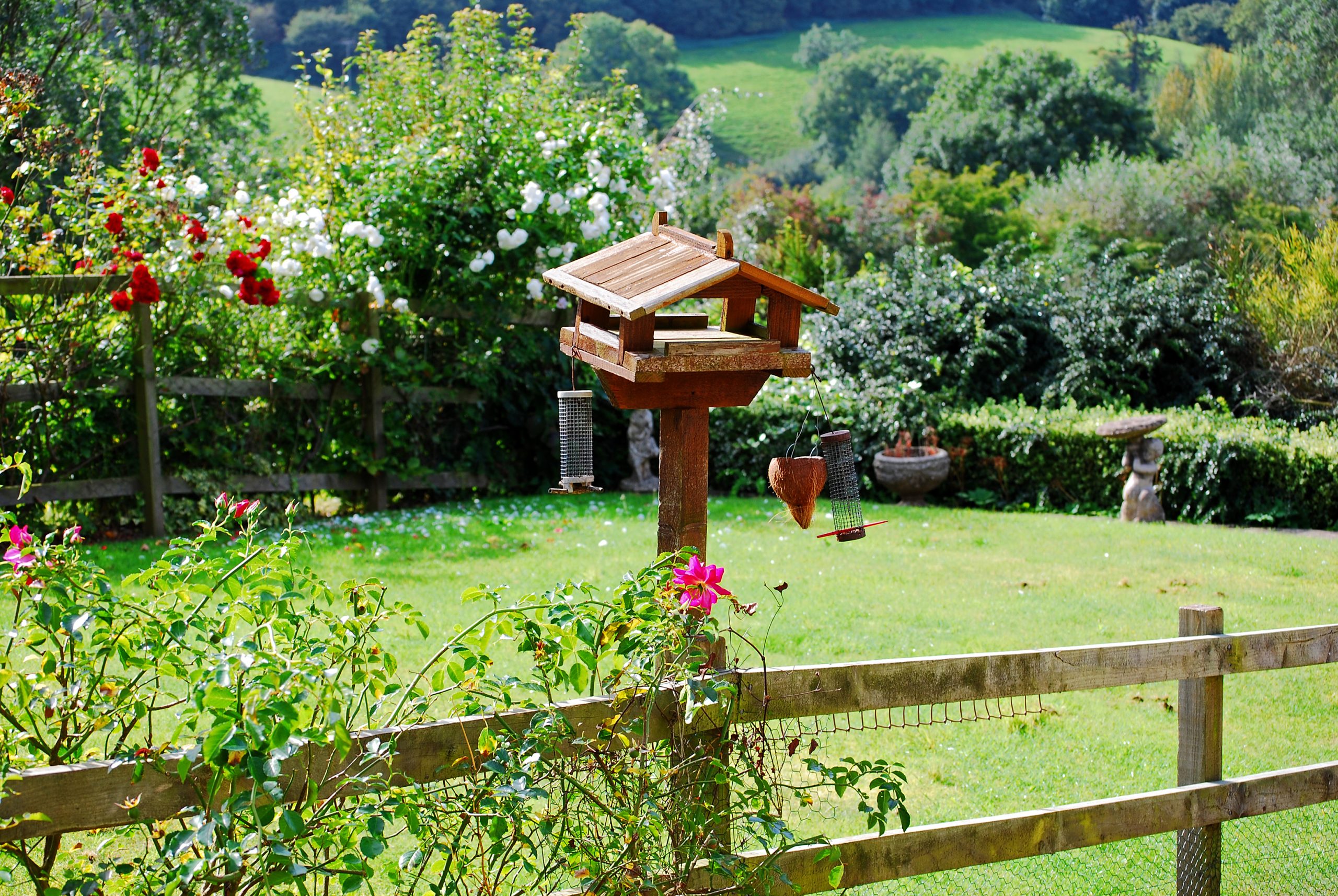
- Retire flat-surface feeders entirely, including bird tables and window trays. Sick birds struggling to swallow often regurgitate food back onto flat surfaces, where healthy birds then pick it up. Even daily cleaning doesn’t fully solve this.
- Feed in moderation. Suet can sit out for up to a week, but seed and peanuts should be gone within a day or two, and mealworms cleared by dusk so they don’t end up eaten by hedgehogs instead.
- Keep food dry. Damp food lets disease survive and spread, so choose feeders that keep rain out.
- Change bath water daily, and use tap water where possible. A garden pond is the safest option of all, since standing bird-bath water is more likely to carry trichomonosis than a pond is.
Let the hedge be a hedge
WWF’s advice is to resist tidying every overgrown corner. Thicker, unpruned growth gives birds shade and safe places to rest, which matters more than how neat the garden looks in a heatwave.
Think about where nest boxes and feeders actually sit
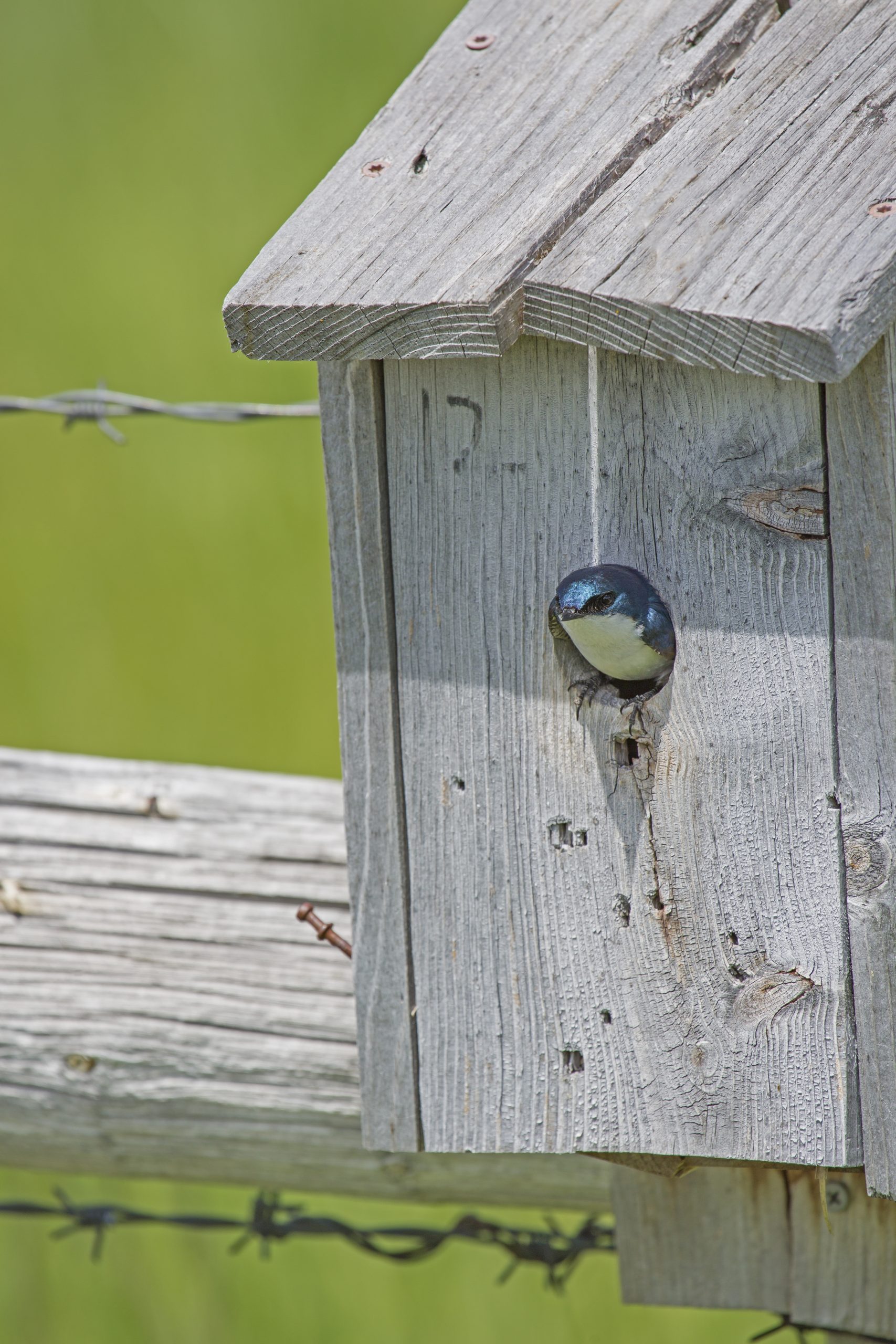
A box in full afternoon sun can become dangerously hot inside, since human-built boxes are far less insulated than natural cavities. Positioning boxes to face north or northeast, or adding a small shade extension, can be the difference between a chick surviving the day and not. The same logic applies to feeders and water sources: keep them off metal fencing, decking or dark paving, which can reach scorching temperatures in direct sun without anyone noticing.
Skip the chemicals this month
Wildlife is already under stress during heatwaves, so it is worth holding off on pesticides and other garden chemicals until conditions cool, giving birds one less pressure to contend with.
Watch for the open-beak sign
If you see a bird sitting with its beak open, a cooling behaviour called gular fluttering, that is your cue that it is struggling and your garden’s water and shade matter more than usual right now.
Choose your picnic spot with fire in mind
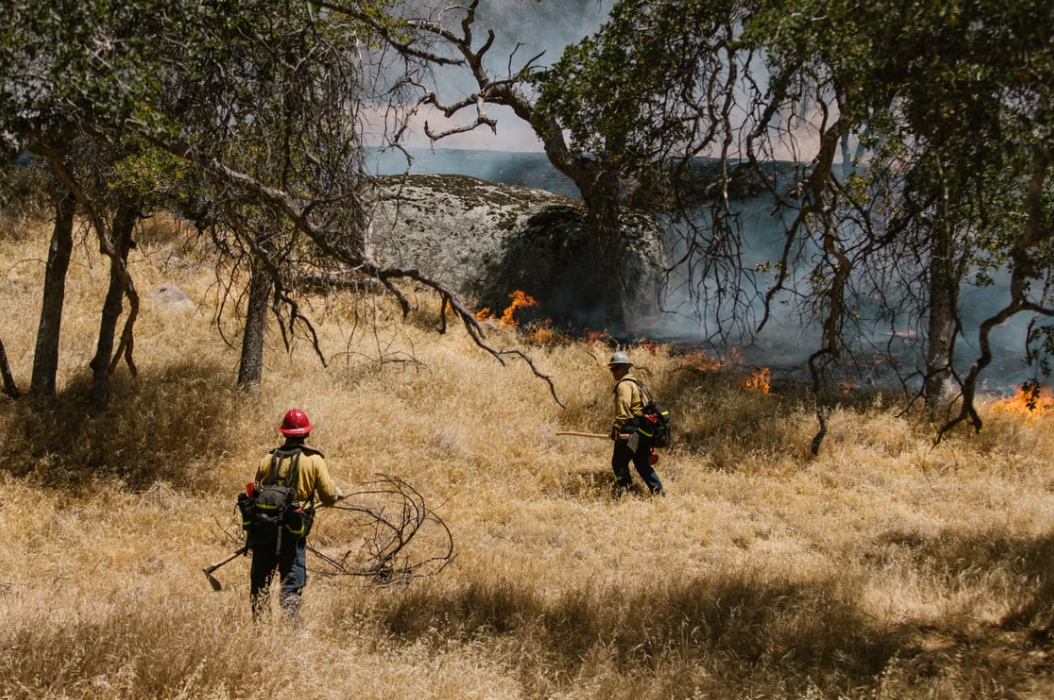
Barbecues and campfires are not permitted on RSPB nature reserves, and the charity’s long-running message alongside fire services is simple: bring a picnic instead. The UK has lost over 75% of its lowland heath in the last two centuries to farming, forestry and development. What remains, like Hazeley Heath in Hampshire, burns easily and recovers slowly. Hampshire and the Isle of Wight alone have already recorded more wildfires this year than in the whole of 2025, and a dropped cigarette or an abandoned disposable barbecue can undo decades of conservation work in an afternoon.
The bit worth remembering
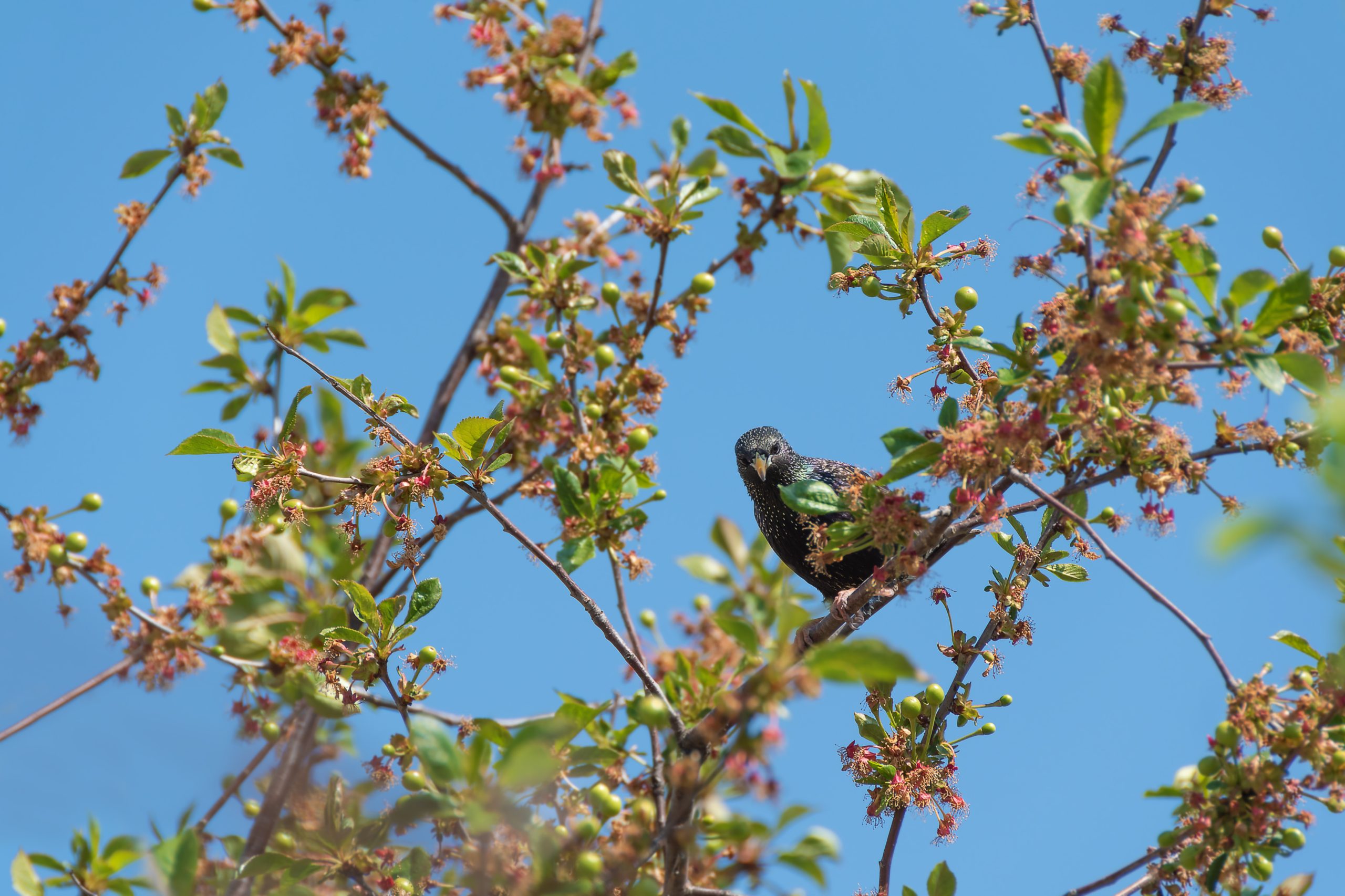
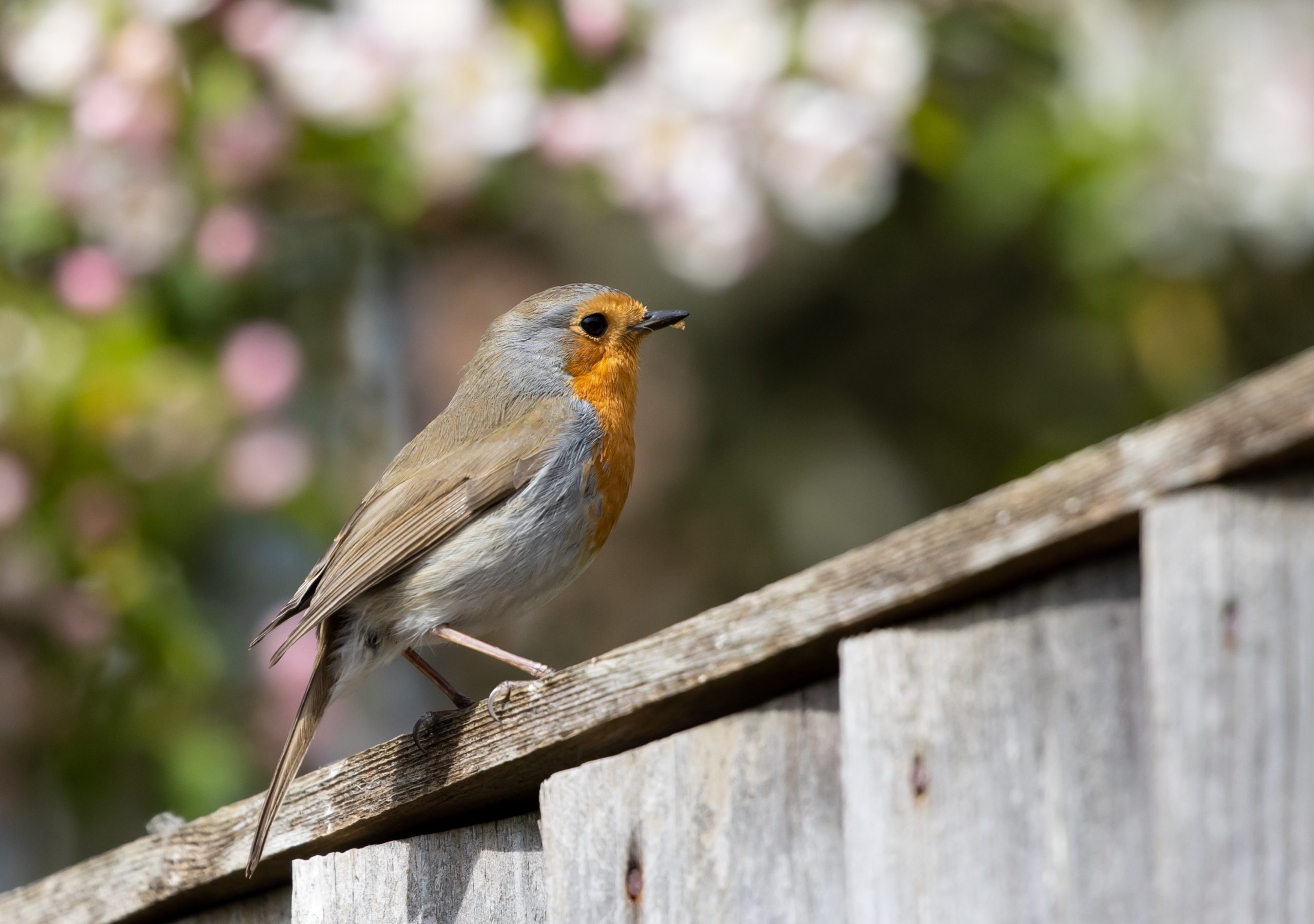
It is tempting to file all of this under things that happen somewhere else, to birds we will never personally encounter. But the swift leaping from an overheated nest in France, the house sparrow queuing for a garden bird bath, the curlew chicks released back onto Slieve Beagh in July, they are all responding to the same warming world we are. The solutions on offer are neither heroic nor expensive. Water changed daily. A feeder moved and cleaned. A hedge left alone. A nest box turned a few degrees north. A picnic instead of a barbecue. Small enough to feel almost too modest to matter, and yet they are, quite literally, the difference between a bird making it through summer and not.
Sources
- Al Jazeera, Dangerous summers: How heatwaves and wildfires change life across Europe (3 Aug 2026)
- Counterfire, Wildfires fuelled by climate change sets Europe ablaze (Aug 2026)
- Connexion France / IFAW, France’s wildlife rescue centres overwhelmed by extreme heatwaves (Jul 2026)
- RTÉ, Curlew chicks released after eggs rescued from wildfire (20 Jul 2026)
- The News Letter / BreakingNews.ie, Curlew eggs found by crews tackling Co Fermanagh wildfire removed to safety (1 May 2026)
- Bouregbi et al., Threatened Birds in a Changing Mediterranean Wetland: Long-Term Trends and Climate-Driven Threats, Life, 2025
- Stanek et al., Fire and Drought Affect Multiple Aspects of Diversity in a Migratory Bird Stopover Community, Biology, 2025 (New Mexico, USA)
- Turco et al., On the key role of droughts in the dynamics of summer fires in Mediterranean Europe, Scientific Reports, 2017
- Inside Ecology, New evidence shows climate change is already impacting UK bird populations, quoting Katie-jo Luxton, RSPB director of conservation (1 Jul 2026)
- WWF, COBRA meeting on heatwave – WWF statement, quoting Rick Parfett, WWF Head of Climate Policy (Aug 2026)
- RSPB, Our latest guidance on what and when to feed garden birds: Feed Safely, Feed Seasonally (24 Jul 2026)
- RSPB, How birds keep cool and how to help them beat the heat (2026)
- Inside Ecology / RSPB, Heatwave warning for garden bird lovers (29 Jul 2026)
- WWF, Ways to help wildlife in the heat
- Green Feathers, How to make your garden safe for birds during heatwaves (2026)
- Homes & Gardens, How to help birds in a heatwave: 3 expert tips (2025)
- Hampshire & Isle of Wight Fire and Rescue Service / RSPB, Pack a picnic to protect our heaths this summer
Written by Emilia Aguirre
Emilia Aguirre is our Awareness & Advocacy specialist — which means she spends her days asking the uncomfortable questions about how our food is grown, priced, labeled, and sold. She hosts What The Field?!, a podcast packed with stories from the ground, hard-hitting research, and conversations with the people shaping the future of food (whether they like it or not).
Comments
Keep digging ...