60% of European soils are degraded
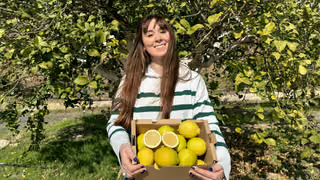
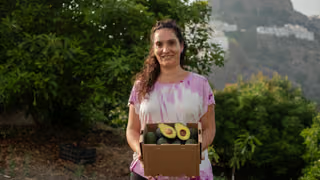
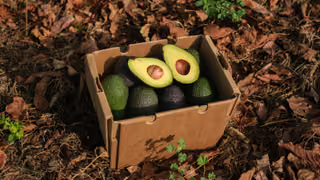

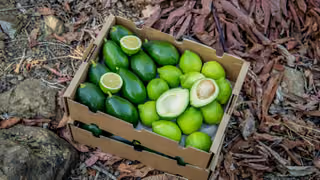
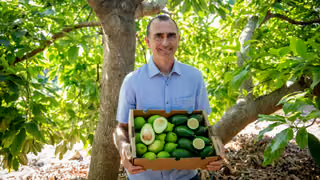
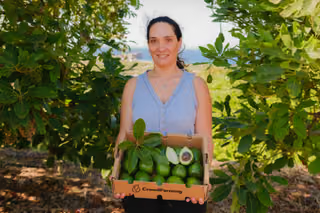
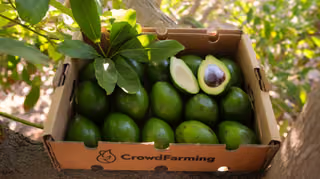
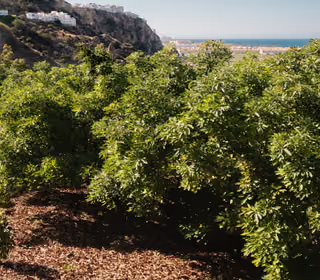
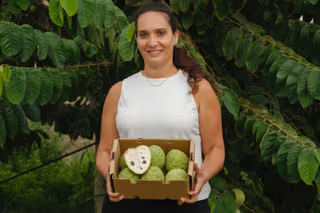
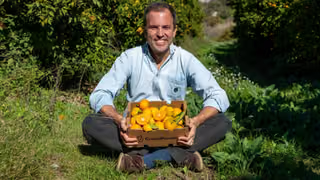
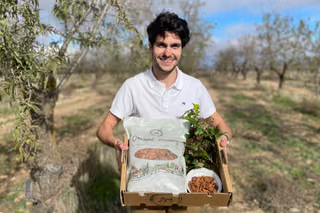
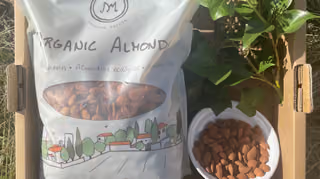
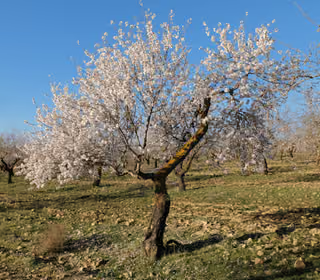
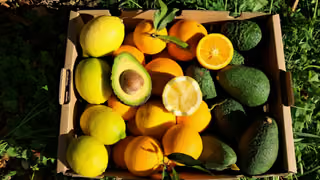
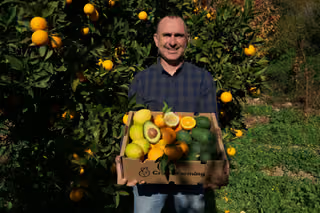
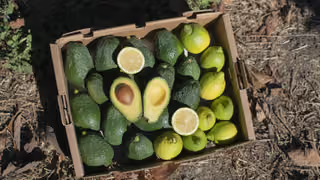
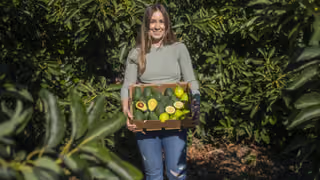
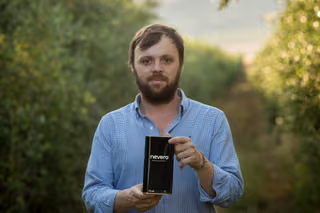

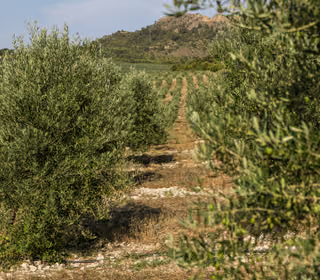
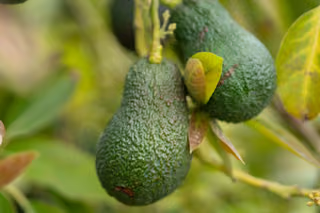
By pushing farmers to produce more for less during the last decades, soils and farmers have become dependent on external inputs to grow food, increasing the vulnerability of the whole system.
60% of European soils are degraded
Fertiliser use has increased by over 300% since the 1960s
Over 40 crops have lost up to 38% of their key nutrients

The food system is responsible for over 30% of total climate change emissions

Boosts soil health and stores more carbon
Improves resilience to drought, pests, and extreme weather
Increased financial stability
More nutritious food
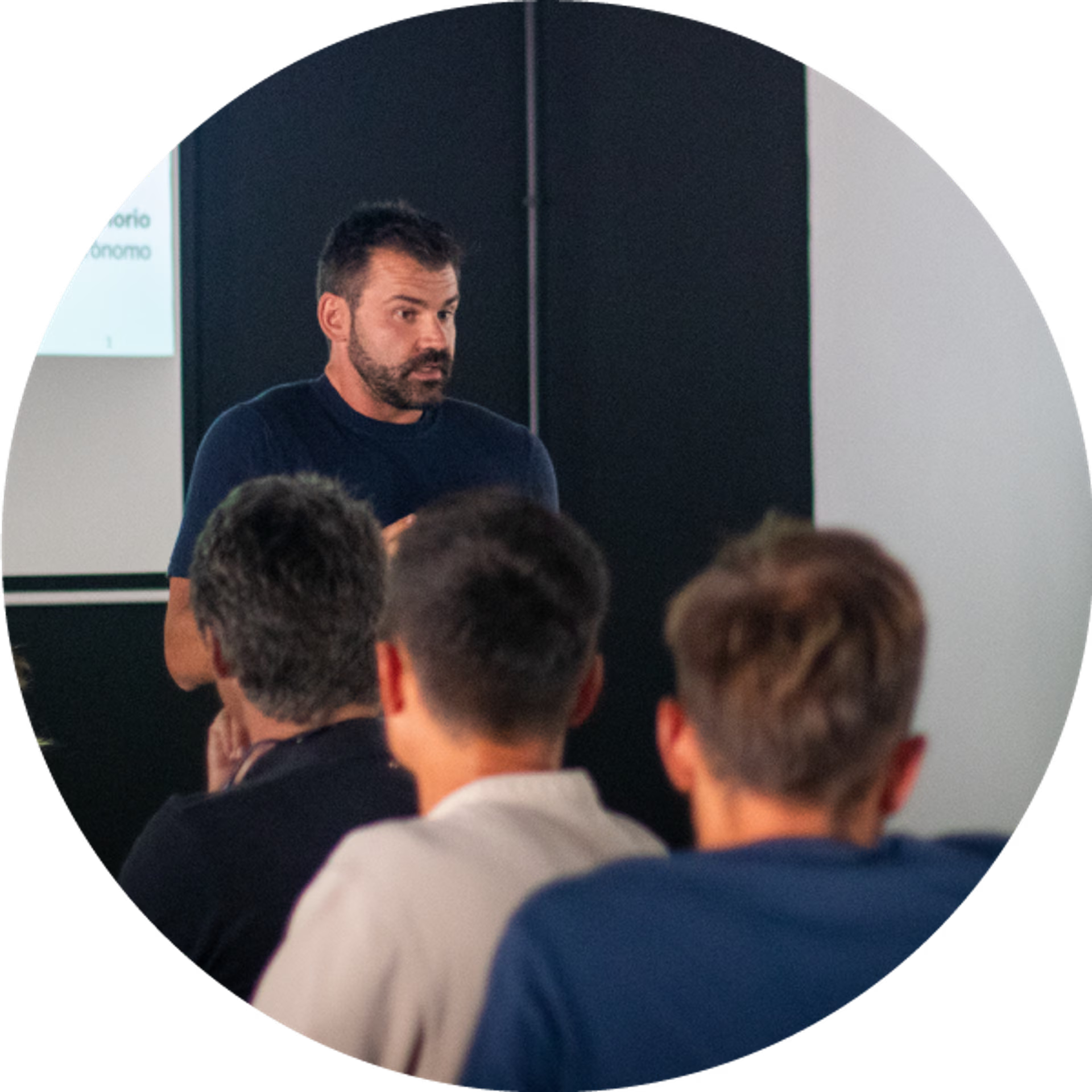
Empowering Farmers through training and peer to peer exchanges
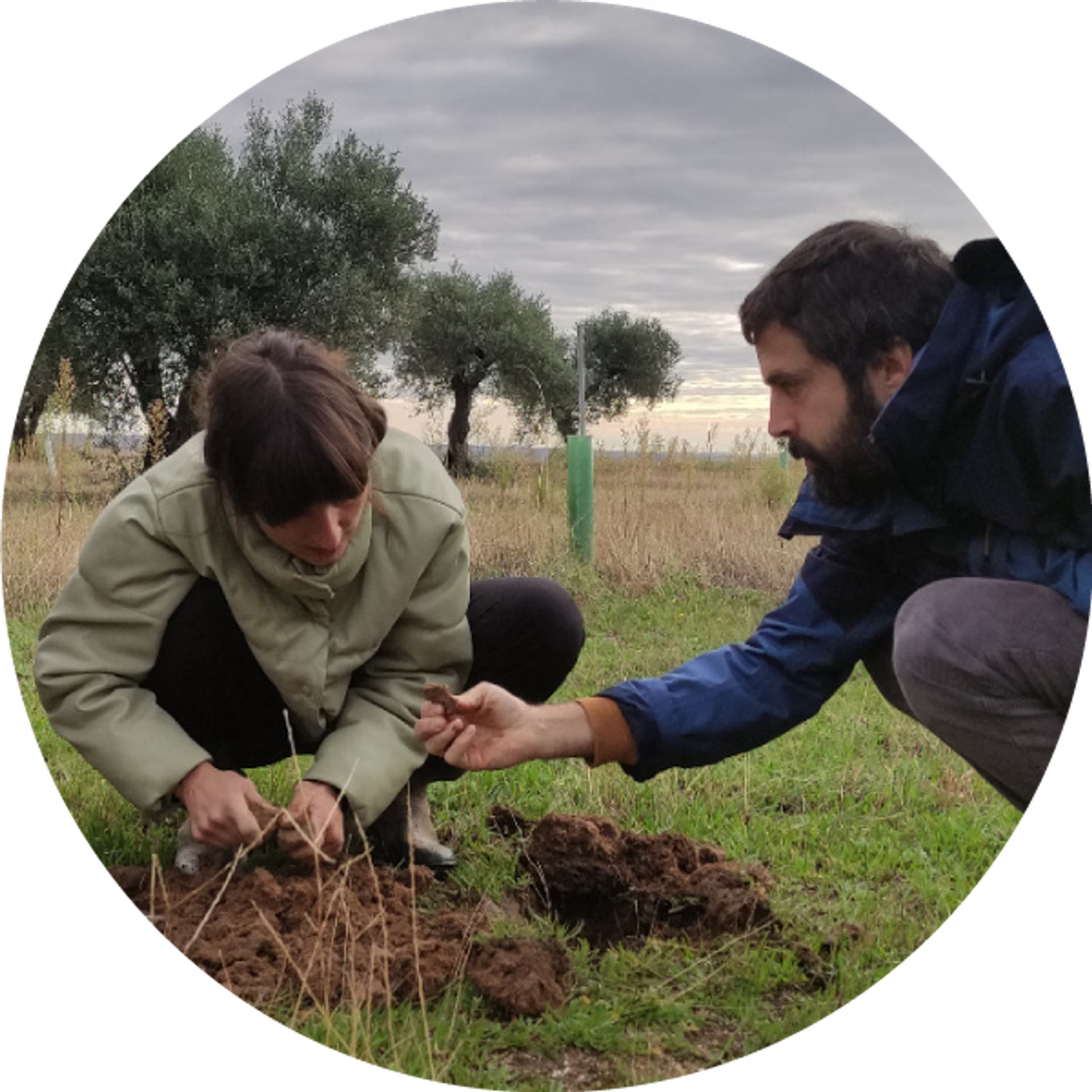
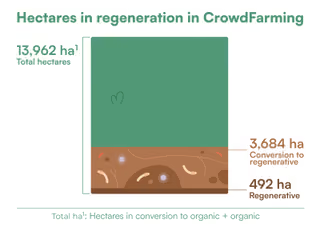
Measuring real outcomes to prove the impact of regenerative practices
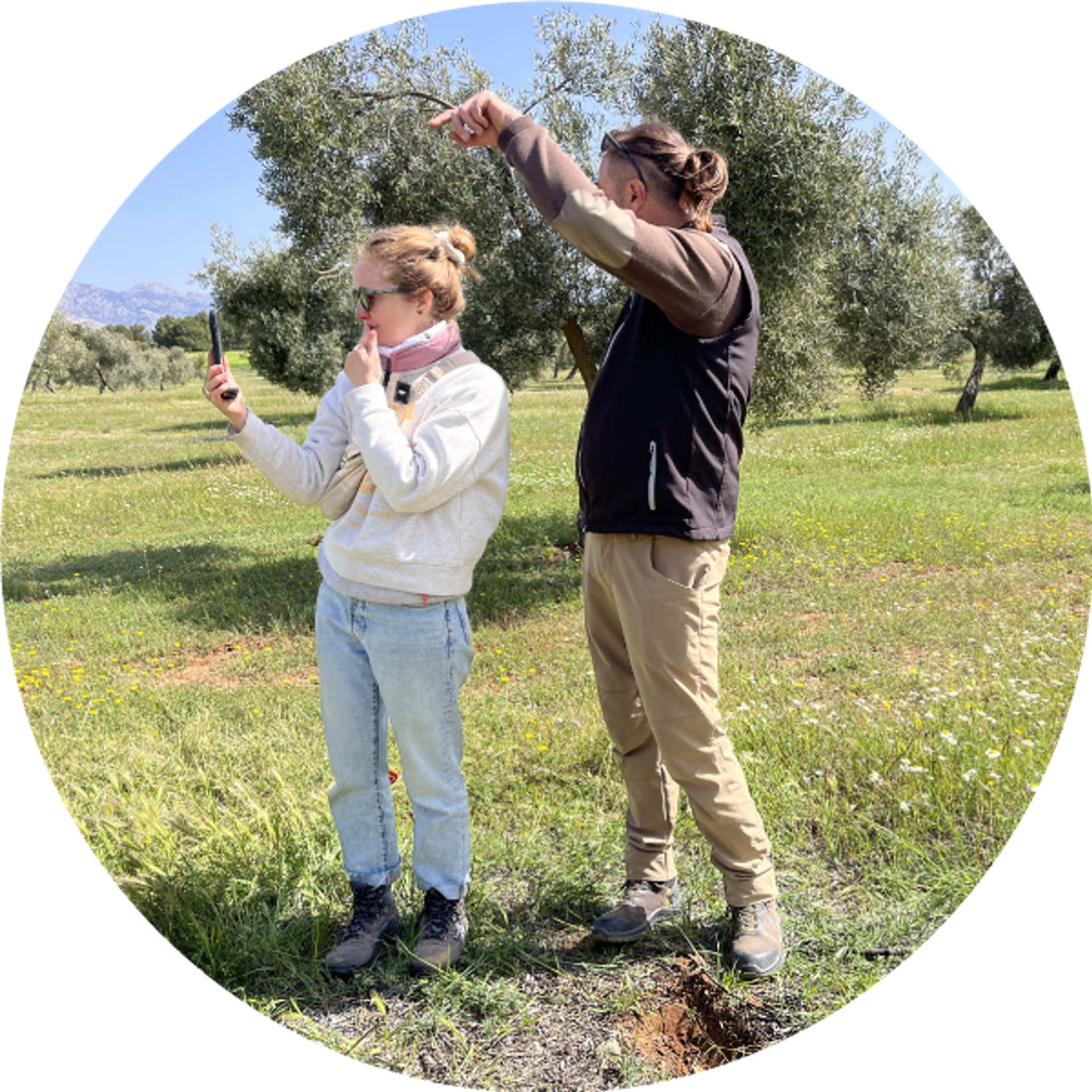
Raising awareness on the benefits of regenerative-organic food
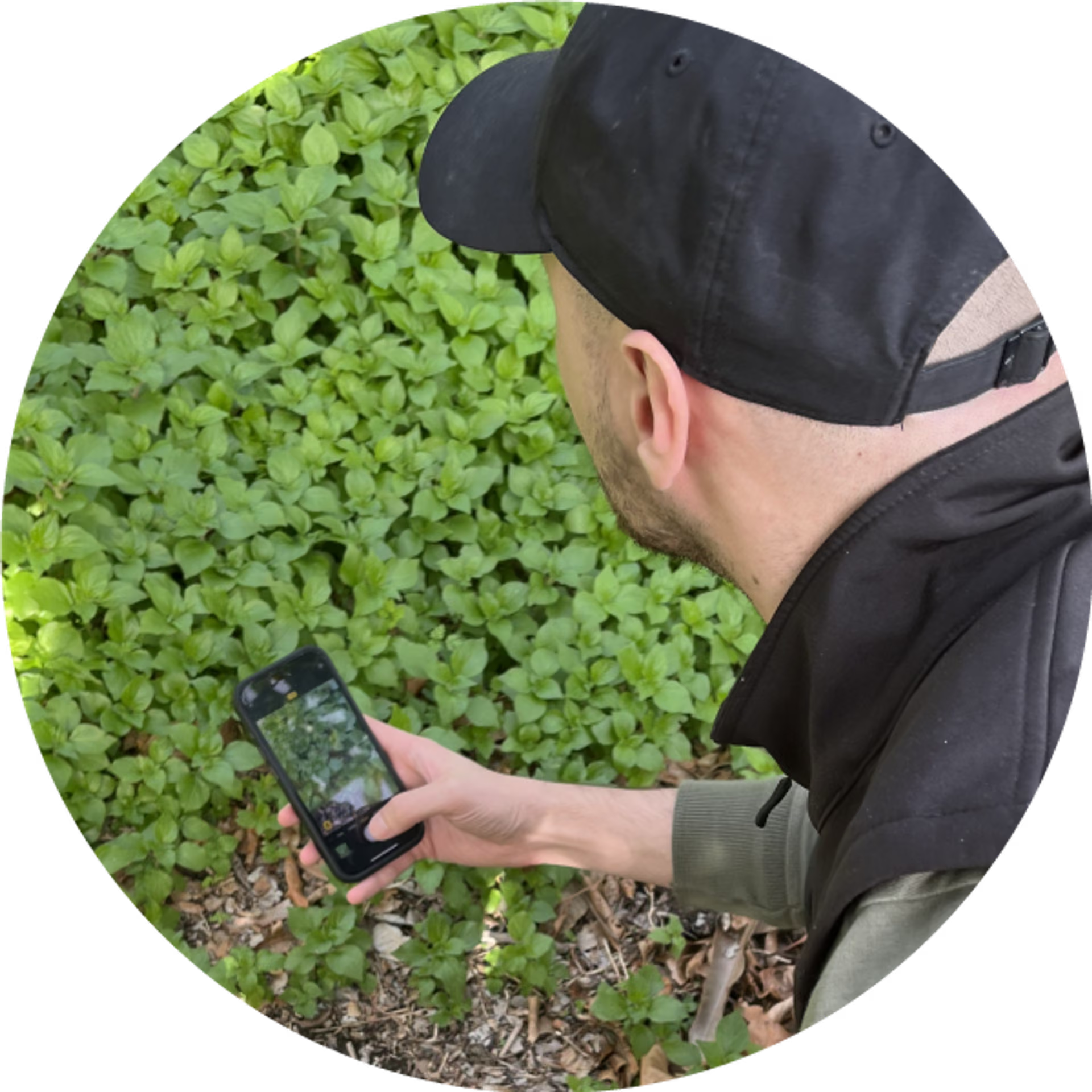
Developing digital tools and research to scale regenerative agriculture across Europe
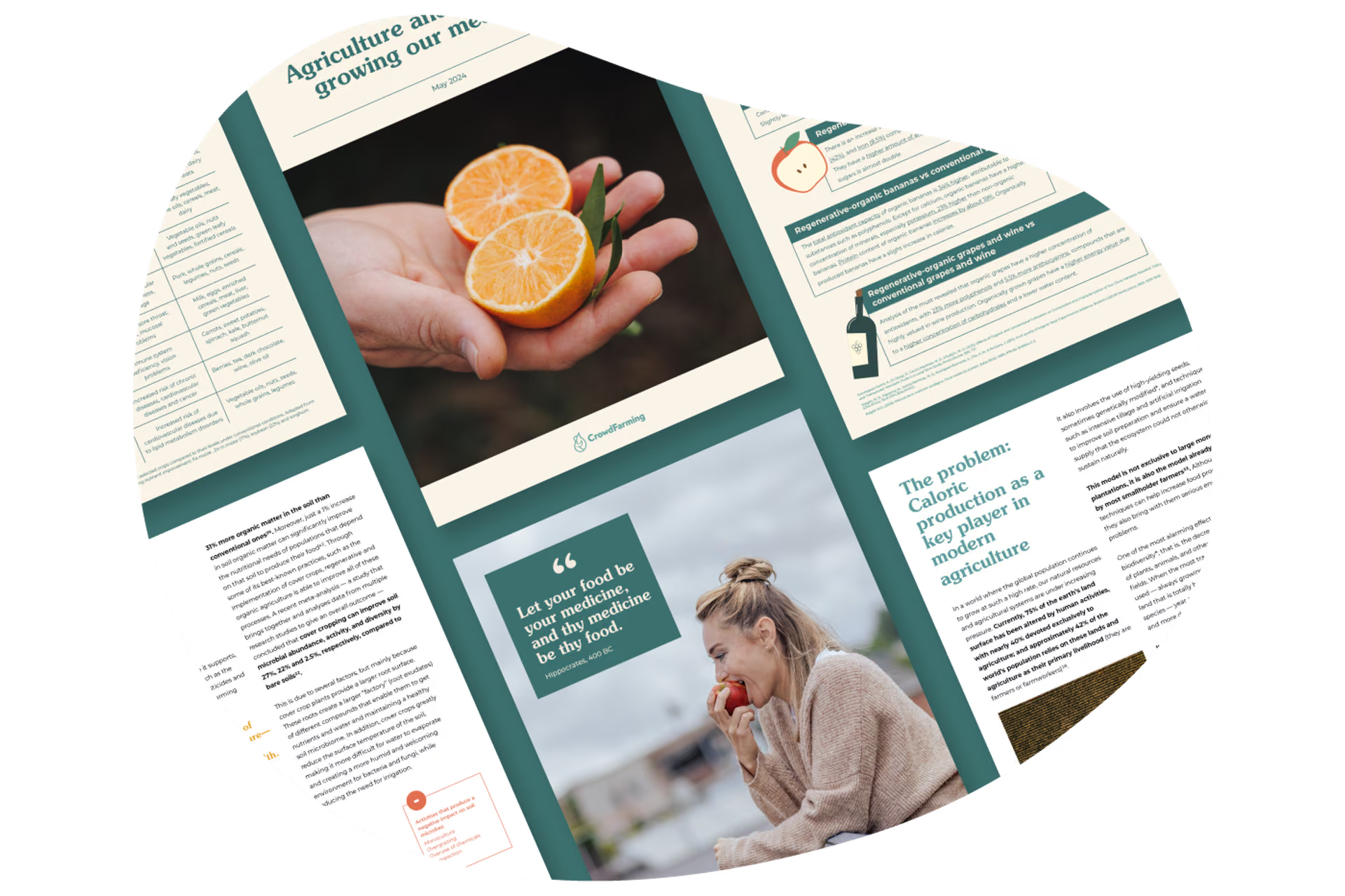
Regenerative agriculture describes a set of practices designed to create a positive environmental impact, working in harmony with nature, while improving economic viability for farmers. Among other benefits, this holistic approach seeks to enhance biodiversity, improve soil health and its ability to sequester water and carbon, and increase agricultural yields and nutrient concentration in food.
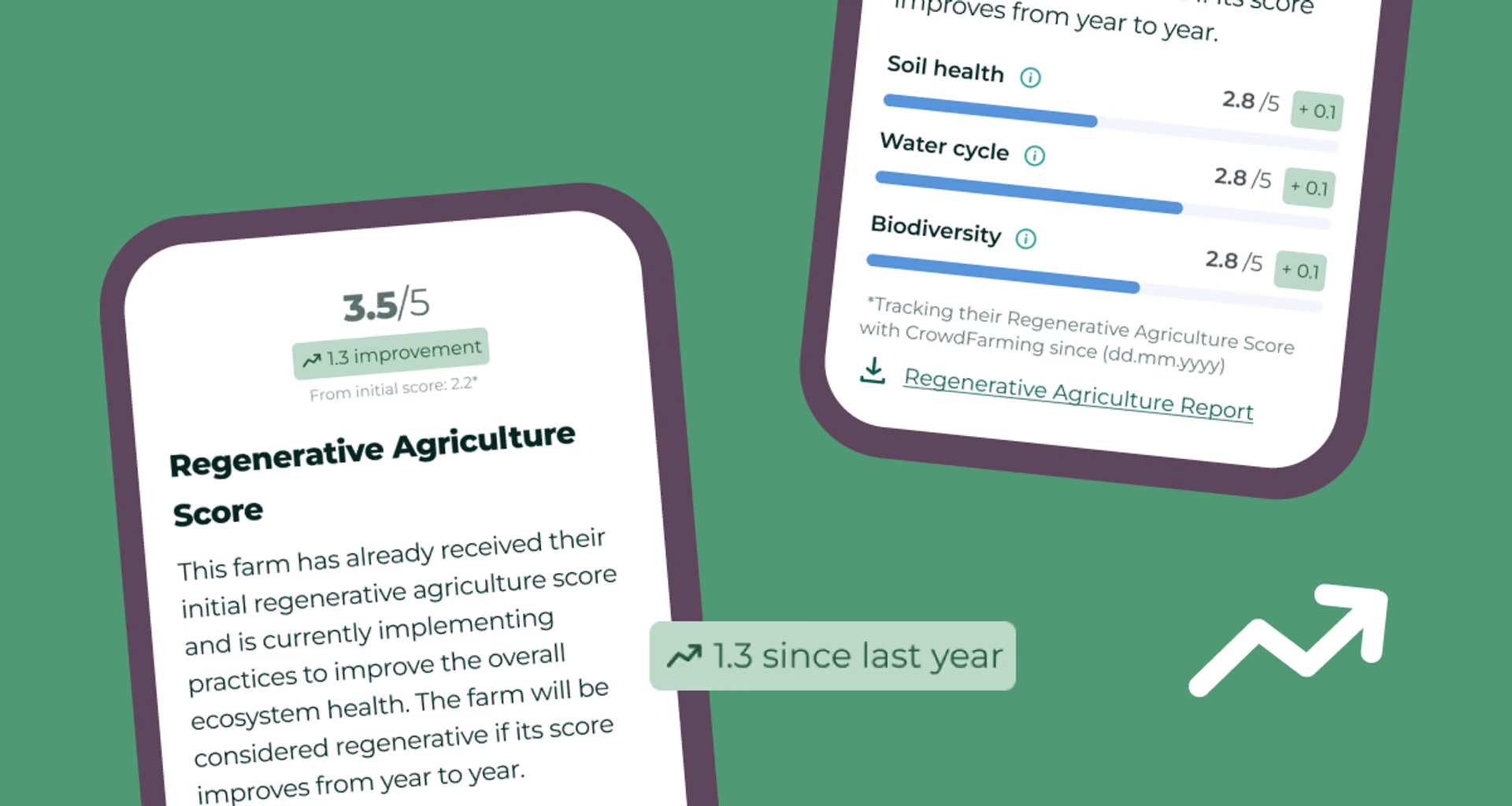
We advocate for a regenerative agriculture approach that complements organic certification and is based on measurable outcomes. In other words, to call a farmer “regenerative,” they must prove, through third party verification, that they're regenerating the soil health, biodiversity, and water cycles by showing tangible results year after year — that’s the only way we can counter greenwashing.
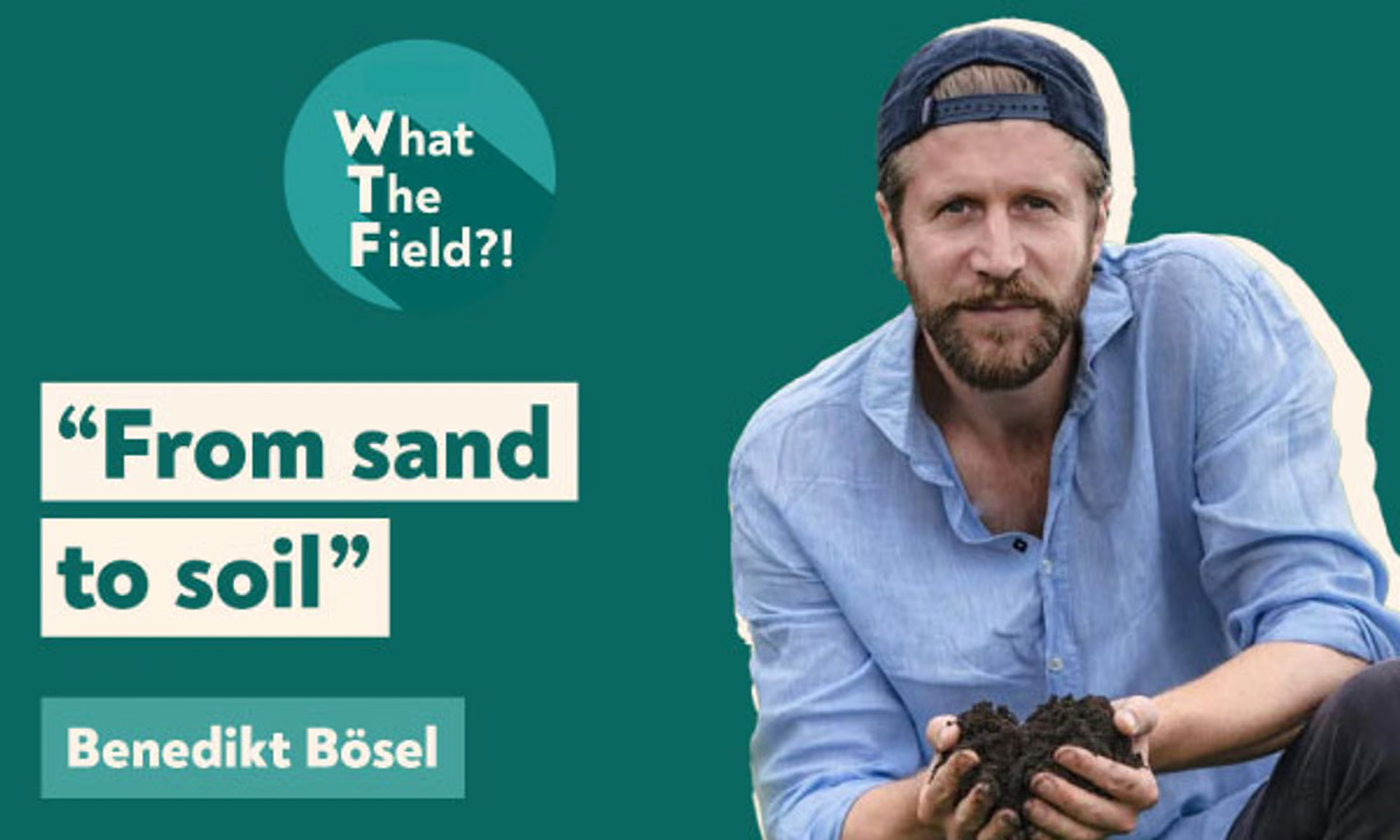
Learn more about Regenerative Agriculture in our blog & podcast: What The Field?!