

Published October 2026
The Regeneration Index and why it’s key to regenerative agriculture
In early 2024, we wrote an article about which you’ll see in the description of our regenerative farmers.
The Regeneration Index is a system to benchmark and validate the results of regenerative practices, offering transparency and clear metrics to both farmers and consumers.
What does the Regeneration Index benchmark, and what can you see on the CrowdFarming website?
The Regeneration Index measures more than fifty key indicators, both in the field and in the laboratory, to benchmark the impact of regenerative practices on each farm. In other words, to measure that the ecosystem of the farm is effectively regenerating.
The index, which you can find on the page of all regenerative farmers, ranges from 0 to 5, where 5 represents the best possible state of a natural ecosystem. What’s more, if the farmer is already regenerative (i.e. they have been in the programme for more than one year), you will also see an improvement index that compares their last measurement with the baseline or the previous year, and which reflects their progress.
The overall index consists of three specific scores for each key area: soil, water, and biodiversity. In addition, we monitor two other areas: socioeconomic conditions and community, to assess how these align with the regeneration of the ecosystem. Below is an explanation of what is benchmarked in each one:
Soil health
As reflected in our 1% for the Soil initiative
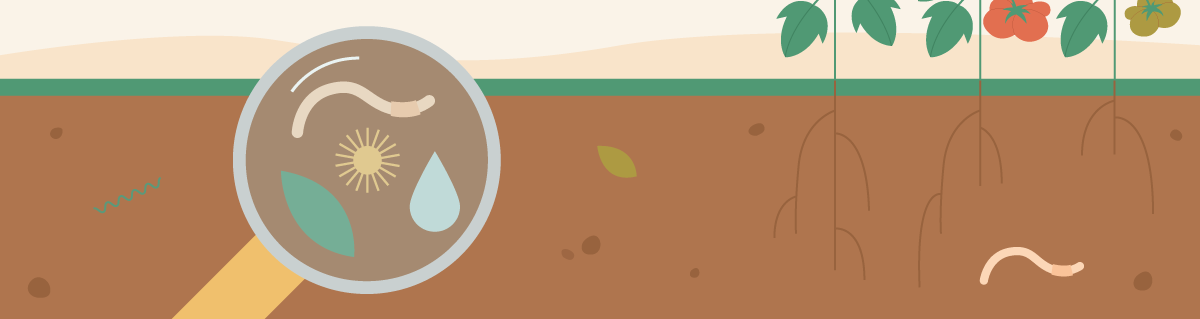
Good soil health requires fewer (or even no) inputs or additional nutrients such as fertilisers. Healthy soil is key both globally and locally. Globally, its ability to absorb carbon helps mitigate climate change. At a local level, its ability to retain water and nutrients reduces reliance on external resources for irrigation and plant nutrition, which directly benefits crops.
Water cycles
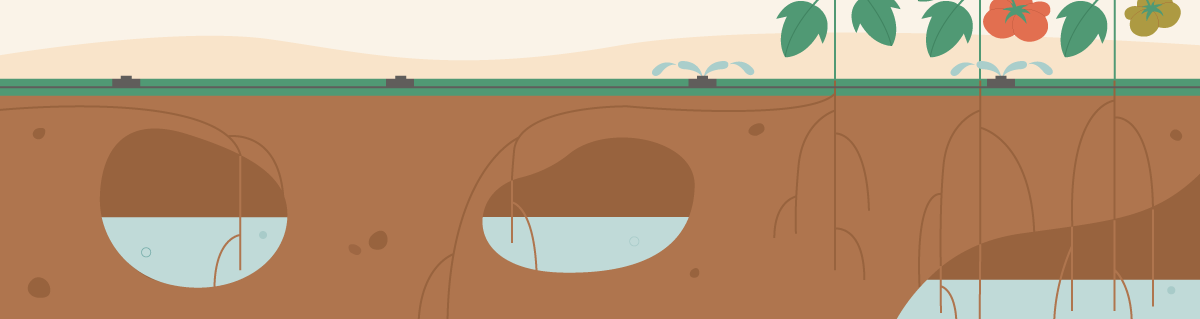
Water is key to life and, as it should be, is one of the three basic cornerstones of the index. It functions as the fuel that activates the system: it allows the soil, initially just a ‘container’ of materials, to become a living ecosystem. It’s water that sustains microbial, plant, and animal communities, nurturing their development and the beneficial interactions they generate between these beings. Without this resource, the natural processes that allow a soil to regain its health and foster crop health could not occur effectively.
This part of the index benchmarks not just the quality of irrigation water, but also the management of water on the farm, and the capacity of the soil to store rainwater, which is crucial in many of the areas where our farmers work.
Biodiversity
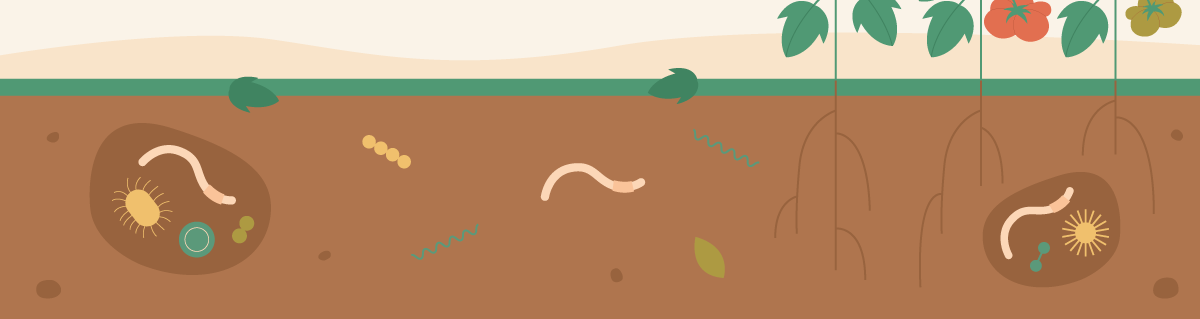
The cornerstone of this area is poles apart from the philosophy that has guided conventional agriculture over the last few decades. If for years the mindset was focused on monoculture and the eradication of any competition from the main crop, we now value biodiversity as a truly beneficial factor for the crop and the ecosystem of the farm in general.
It’s not just an environmental issue, though. Biodiversity is a key factor for resilience, as each link fulfils its function, preventing one link from growing disproportionately to others. In other words, a diverse system is essential for combatting pests. What’s more, the diversity of plant species favours the presence of animals that benefit the ecosystem, including pollinating insects, which are fundamental for many crops, and fosters other communities that we often overlook, such as microorganisms. The greater the root diversity in a soil, the more beneficial bacteria will be associated with them, creating a more nutritious and healthy system for the crops themselves.
If you want to find out further information, you can download the detailed reports, where we break down each area and the scores obtained in different sub-parameters. This will give you an even more thorough view of the state of the ecosystem of each farm.
How do farmers achieve their Regeneration Index?
The Regeneration Index process follows a systematic and structured approach that combines field and laboratory analysis.
Field assessments
During farm visits, experts conduct observations and practical tests – many of them part of the visual soil analysis protocol. Some of these tests are:
- Measurement of soil penetrability, to assess its compaction. A very compacted soil does not filter water well, which leads to issues such as waterlogging, evaporation, and runoff, which prevent the soil from storing water, as a healthy soil would.
- Worm count, a good indicator of underground functional biodiversity, and therefore, of a fertile soil.
- Aggregate stability tests, which indirectly analyse soil structure and the presence of microorganisms.
- Assessment of the percentage of plant cover and its composition, crucial to protecting the soil from erosion and improving water retention.
Laboratory analysis
What’s more, the experts take samples that are sent to specialised laboratories for a more detailed analysis.
- Soil samples to benchmark areas such as:
- Soil structure, which influences its ability to retain water and nutrients.
- Organic matter, essential for fertility and carbon sequestration.
- Essential nutrients, which ensure a proper balance in the soil.
- Water samples to assess the quality of the water used in irrigation. These are used to examine parameters such as pH, salinity, mineral levels (calcium, magnesium, sodium) and the presence of contaminants such as nitrates or heavy metals. All these factors affect soil health and crop development alike.
- Sap samples (leaf): the levels of nutrients directly available in the leaves of the plants are measured. This gives us an insight into the nutritional status of the crop, allowing us to identify deficiencies or excesses of key nutrients such as nitrogen, phosphorus, potassium, and/or micronutrients. Ultimately, this helps the farmer adjust their soil fertilisation or enrichment techniques.
- Insect sample: collected to assess the biodiversity and abundance of insects on the farm, including pollinators, natural predators, and potentially harmful species. These analyses help measure the ecological balance and resilience of the ecosystem against pests, and benchmark the impact of regenerative practices on local fauna.
All these analyses are key to generating a Regeneration Index, which accurately reflects the state of the soil and guides farmers in their improvement process.
This process is carried out every year in three main stages:
1. Initial measurement (Baseline)
The process begins with a baseline, which benchmarks the current state of the farm. This initial measurement assesses the situation of the key cornerstones (soil, water and biodiversity); identifies areas for improvement; and lays the ground for future comparisons that validate the impact of regenerative practices.
2. Progress in first year (Year 1)
One year later, the same measurements are repeated and the results are compared with the baseline. If significant improvements are observed in the key cornerstones, the farm can receive the Regenerative Farm label.>
3. Annual verification (Year X)
The process doesn’t end there. Each year, the Regeneration Index is repeated to ensure that the farm is still making steady progress and that regenerative practices are still generating tangible results. To keep the Regenerative Farm label, continuous improvements must be demonstrated.

This is not just a benchmark, it’s a tool.
However, it should also be seen as a practical management tool that guides farmers in decision-making processes and in planning the rollout of initiatives. It provides clear data and metrics that can help farmers identify areas for improvement, adjust practices that have not had the expected impact, and focus on more effective strategies. We might think that an initiative has a substantial impact on an area and then see that it hasn’t, which will allow the farmer to rectify things and focus on other practices to improve their index and, consequently, improve the health and resilience of their farm.
The Regeneration Index — including all on-farm visits and evaluations, as well as laboratory analytics — is fully funded by CrowdFarming, thanks to our 1% for the Soil
Written by Fran Aparicio

Fran Aparicio coordinates Regenerative Agriculture at CrowdFarming, which mostly means he spends his days trying to make farmers, scientists and data people agree on what “healthy soil” actually means. He lives somewhere between muddy boots and research papers, translating field reality into something you can measure (and hopefully improve).
Keep digging ...