Published March 2026
The water issue: Farming in times of drought
In many European countries the summer of 2022 was one of the hottest on record and the drought has of course also had a severe impact on agricultural activities. Since many of our clients have been asking us about how this situation has affected CrowdFarming farmers, and especially those of the Tropiterranenan movement, we thought we would do a little Q&A for you.
- What are the different practices to limit water use in cultivation of (tropical) fruit?
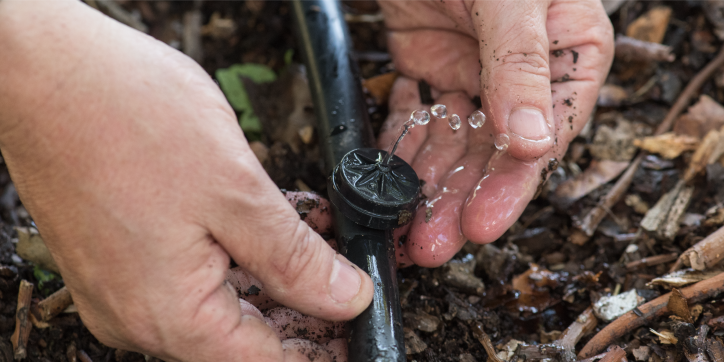
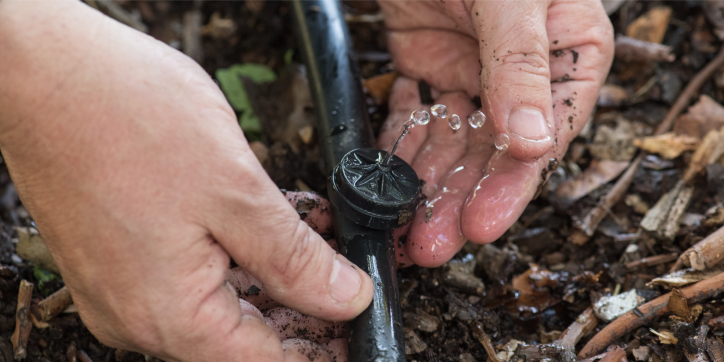
The water management practices for tropical crops here in Europe are the same as for other crops. Tropical fruit crops have no special limitations on water use, just like other crops. In Spain – where almost all European tropical fruits are cultivated (though we do have a few tropical farmers Italy) – water for irrigation is allocated per hectare of crop, regardless of what type of produce the farmer chooses to grow. Resource-conscious farmers, such as the ones pertaining to the Tropiterranean movement, optimize water use with modern and efficient drip systems, but also by covering the soil with pruning waste (instead of leaving the soil bare and exposed to the sun). Many of our farmers also use sensors that warn them when and how much they need to irrigate which part of their land. There is an increasing trend towards technology to facilitate crop monitoring and resource management that is helping the agricultural sector as a whole to become more efficient.
Another key is to cultivate different varieties more adapted to certain conditions than others.. This is why, if a year has been particularly dry, we might not have a specific variety of a fruit, or have much less quantity than usual. This was the case with the Sensation Mango this year for example, because it did not rain enough the trees ended up shedding their fruit.
- Where does the water our farmers use come from?
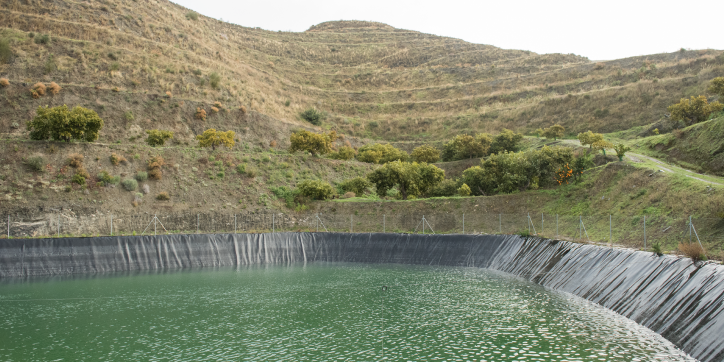
Many of our Spanish farmers have their own rain water reservoirs but they usually also belong to an “irrigation community” – “a public law corporation attached to the River Basin Authority (public body in charge of water management in the river basin districts) that must be created by water users and other assets in the public water domain of the same abstraction or concession.”1
These communities ensure a fair distribution of the water resources available to a certain area for irrigation purposes by assigning a specific amount of cubic metres per hectare of productive land. The exact figure is variable and depends on the climatic conditions, if there is a drought it is a lesser amount than if it has rained a lot.
The water resources used by farmers can come from three main sources: reservoirs, wells and rainwater. It can also come from desalination plants (one is to be built in the Axarquia area in the South of Spain, where a lot of tropical fruit is grown) and from reclaimed urban water, so by “recycling” water.
The water distributed through the aforementioned irrigation communities can come from wells or rivers as well. The well can be communal, which means that the water is distributed among the irrigators.
- What approximate proportion of the water used comes from reused water?
This varies from country to country and region to region. So far, it is a practice that has yet to be rolled out in most areas. In Andalusia, where most of our “Tropiterranean” farmers are concentrated, the currently existing wastewater treatment facilities provide approximately 30 hm³ of reclaimed water. The local government aims to increase this number to 120 hm³ in the future, as the region is set to increasingly invest in this form of water procurement.2
- How does water allocation work in Spain (especially in southern Spain)? How is it regulated?
The extraction of water from the subsoil is controlled by the hydrographic confederation of each basin and each farmer has a water meter in their well that controls the quantity extracted. The water coming from the irrigation community also has a meter. The irrigation communities’ supply of water is not endless – there is a clear limit and once it is reached, they are left with none.
- What is the short, medium and long-term vision for water use in (European) tropical crops?
In general, farmers of tropical crops follow the same vision as for the rest of the crops – to optimise the existing resources by applying technological innovations, natural techniques, and infiltrating the water into the soil as directly as possible. Our farmers also try to use water from other sources such as harvested rainwater and recycled urban water, whenever possible. Of course, prolonged periods of drought are a factor that is very present in the minds of our farmers and cause worry for the future. In the wider sense, the collective effort to prevent a further increase of temperatures is vital to food production – as very few foods do not require irrigation. “With global warming at 3 °C, droughts would happen twice as often.” 3
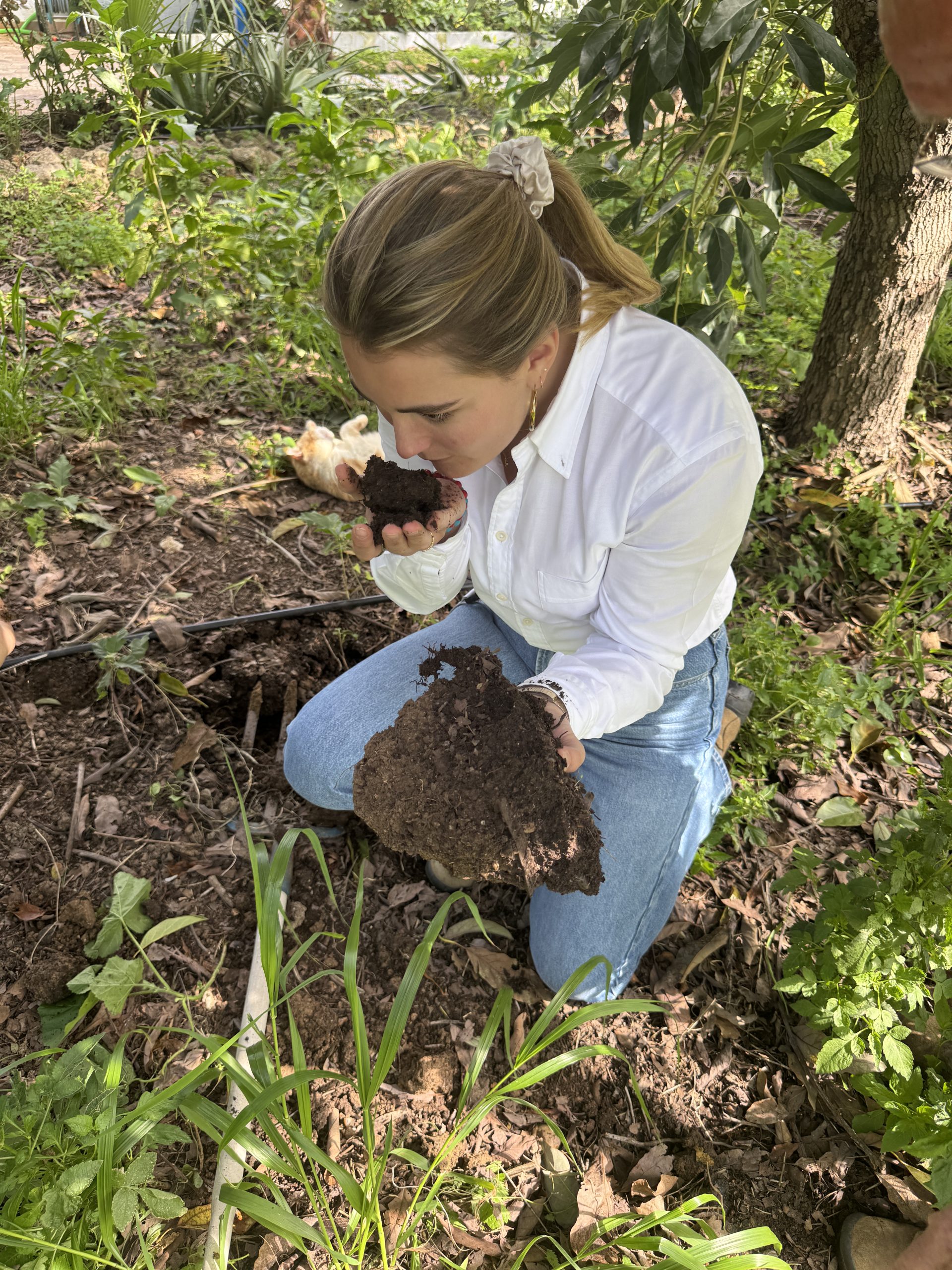
A measure that would help a lot in terms of both water quantity and quality is to push for organic and regenerative agriculture. Increasing the humus levels of our soils for example, would reduce water use because such soils can absorb water better and deeper. Synthetic pesticides and fertilisers, apart from reducing the soil’s capacity to absorb water, also pollute the water and thus pollute our groundwater. 3
It is also important to raise awareness amongst both consumers and producers, that our resources – water and otherwise – are finite and that agricultural activities should be pursued with consideration.
- Droughts are increasing and water resources are decreasing in all geographical areas. How can we talk about sustainable cultivation if in the long term it will no longer be possible to irrigate tropical crops?
When there is a drought, all crops can become unsustainable. Tropical crops are those most accused of extensive water use, although this is not necessarily the case. Within the European Union it is actually wheat that is by far the largest water user.4 Another very water-intensive crop is rice. “On average, cereal grains consume 31% of the total crop water use within the EU” and they have a relatively low yield in comparison to fruits and vegetables, whose crops have a higher output using less water. 4
Water use also depends a lot on the specific area – even within notoriously dry regions such as the South of Spain. In the Granada area for example there has never been a lack of water because of its Sierra Nevada. In the Mediterranean regions in general, droughts are recurrent and this year has been particularly intense: The last time the water in the reservoirs was as low was in 1995. However, the silver lining was that this intense drought of 1995 created a lot of awareness for water scarcity and led to a water saving boost. At that time drip irrigation systems were not common, and now it is unthinkable that a tropical fruit farm (or any other crop such as citrus, olive trees…) does not use this irrigation system. As droughts get more frequent and more intense, more and more solutions are sought and found to alleviate the situation.
- How is the drought affecting farmers in Spain and other European countries?
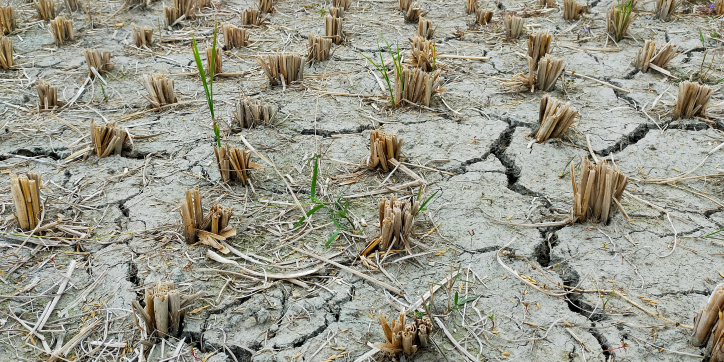
Due to this year’s prolonged drought, harvests are less plentiful and the fruit is smaller. This negatively affects the farmers’ income at a time when they have to invest more in improving their irrigation systems.
- What foods are the most water-intensive ones?
When looking at the farming sector in general, animal husbandry is a much higher consumer of water than produce. “Per ton of product, animal products generally have a larger water footprint than crop products”; and : 5 “The average water footprint per calorie for beef is twenty times larger than for cereals” 6. In terms of global water use for food production, bovine meat is the clear number one with over 15,000 litres (!) per kilo, followed by nuts with 900 litres per kilo, sheep and goat meat, chicken meat, eggs, cereals and milk. Fruits and vegetables are actually at the bottom of the list.7
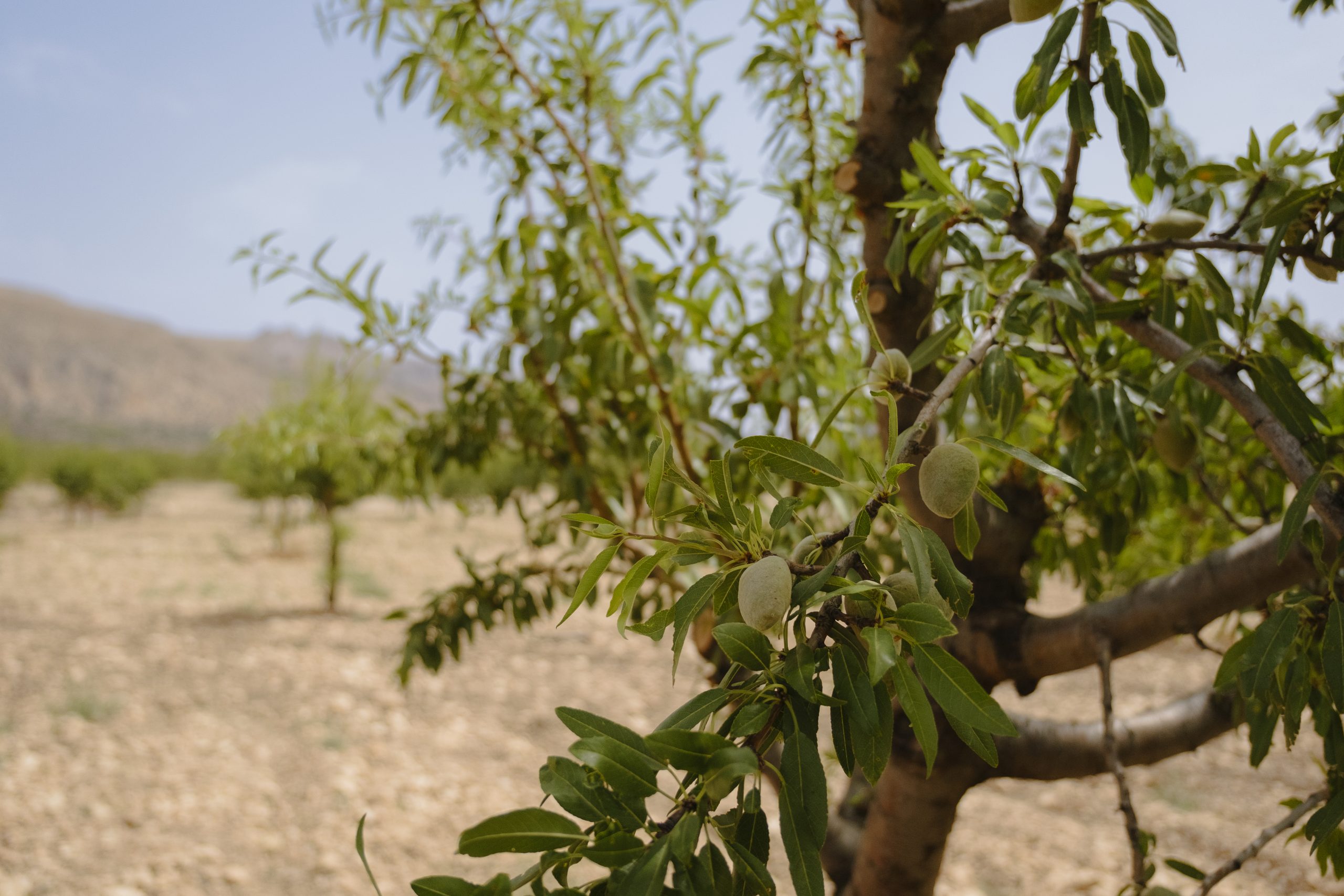
This is of course a general overview representing average global water consumption per food group. The concrete numbers vary strongly depending on the country of production but also on the farming methods and the type of plant. For example: While the water consumption of almond crops in California, where 80% of almonds are produced, has reached worrisome levels, a large part of the almond production in Spain is rainfed.8
- How much water does a mango tree/ orange tree/avocado tree need?
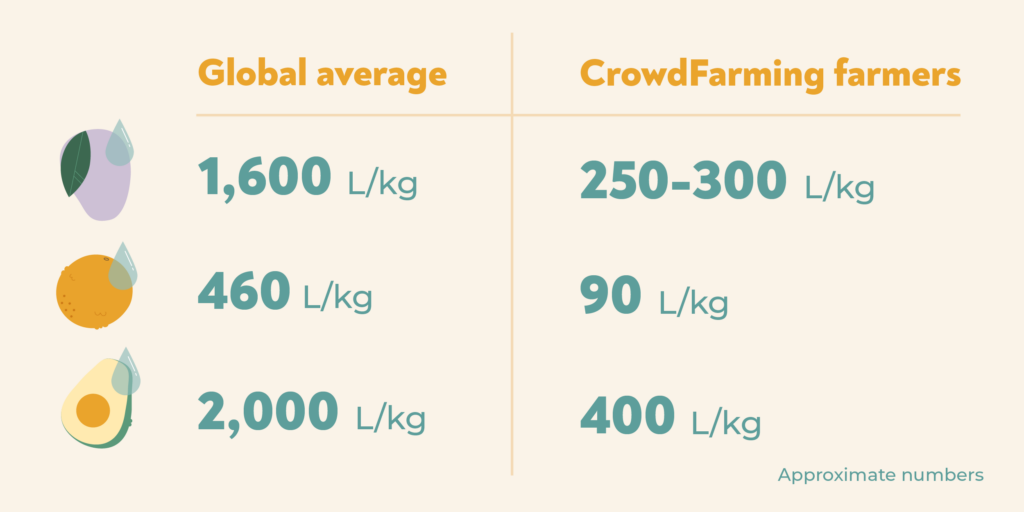
The global average for the water consumption of a mango tree is 1600 litres per kilo, while in Spain, and specifically in the Tropiterranean movement, it is approximately 250-300 litres per kilo. The orange trees at our founder’s orange farm, Naranjas del Carmen, require around 90 litres per kilo of fruit, while the global average is 460 litres. The Spanish average of water consumption per kilo of citrus fruit is highly dependent on irrigation practices, farming methods and region, so it oscillates between 200 and 400 litres.9
In the case of avocados, the global average is of around 2,000 litres per kilo and the Spanish average only 700 liters per kilo. The CrowdFarming farmers however have managed to reduce the water use for their avocado crops to around 400 litres per kilo through their use of sustainable farming methods, which is less than the average water needed for a kilo of conventionally farmed apples (= 700 litres). It can therefore be said that the global production of avocado, including in Spain, is therefore a very water-intensive crop, which is undeniably problematic.
Besides following the lead of the Tropiterrenean farmers, whose efforts have significantly reduced their water consumption, we should also consider reducing our overall consumption of fruits such as avocados and not necessarily treat them as a daily part of our food intake. Do we really need to have avocados available 365 days a year? Having said that, it can be argued that the avocado specifically does “compensate” via its nutritional factor, which reduces the amount we would need to consume in terms of calorie intake compared to other less nutritious fruits for example.
- What % of the water consumed is dedicated to irrigation (if it can be specified – irrigation of tropical fruits) (at European level and at Spanish level)?
How much water is used in agriculture heavily depends on the amount of rainfall and can thus vary a lot from year to year and from country to country. In the European Union, the farming sector is responsible for approximately 24% of water abstraction3, while worldwide agriculture accounts for around 70% of all available freshwater. In a dry, hot country like Spain, the farming industry uses 79% of water resources10 . In Germany, the farming sector only accounted for less than 6.5% of freshwater use, while the industrial sector accounted for around 80% in 2019.11
We hope that this has resolved any doubts you might have had about the water consumption of our farmers. As you might have noted while reading this article, it is an incredibly complex subject that is hard to pin down and provide valid data for, as there are so many factors that come into play and because each year is different.
If you wish to learn more about water use in European tropical crops click here.
Written by Emmeline Hess

Emmeline es experta en comunicación, vocación que ha estado ejerciendo durante más de 9 años en empresas con enfoque en la sostenibilidad.
Esta nueva podcaster es una gran aficionada a la comida, una preocupada por el cambio climático (aspirante a guerrera) y le gusta una buena discusión casi tanto como los perros.
Keep digging ...