Published April 2026
Mercosur: Europe’s food model at a crossroads
With the Mercosur agreement opening up the European market to agricultural imports
from South America, the debate is about more than just trade. It’s our food sovereignty that’s at stake
: Europe must choose between a globalized system with disparate standards and the development of other models, such as
short distribution channels, which are conducive to healthier, more transparent and sustainable food.
The return of Mercosur to European debates raises a fundamental question
: what kind of agricultural and food model do we want for Europe? This trade agreement
involves opening up the European market to South American agricultural products from intensive, often industrialized
farming, mainly in Brazil, Argentina, Paraguay and Uruguay.
Although these products are subject to quotas, they are mainly destined for
use in processed foods – minced meats, cold meats, ready-made meals and canned goods –
which are widely available in supermarkets and hypermarkets. This reality has given rise to fears of increased competition for
European producers, especially as social, health and environmental standards in
force in Mercosur countries are often less demanding than those in the European Union.
This will not necessarily mean an immediate flood
of European shelves. Several supermarket chains have already stated their willingness to
limit the presence of these imports, conscious of the need to protect local agriculture and
preserve consumer confidence.
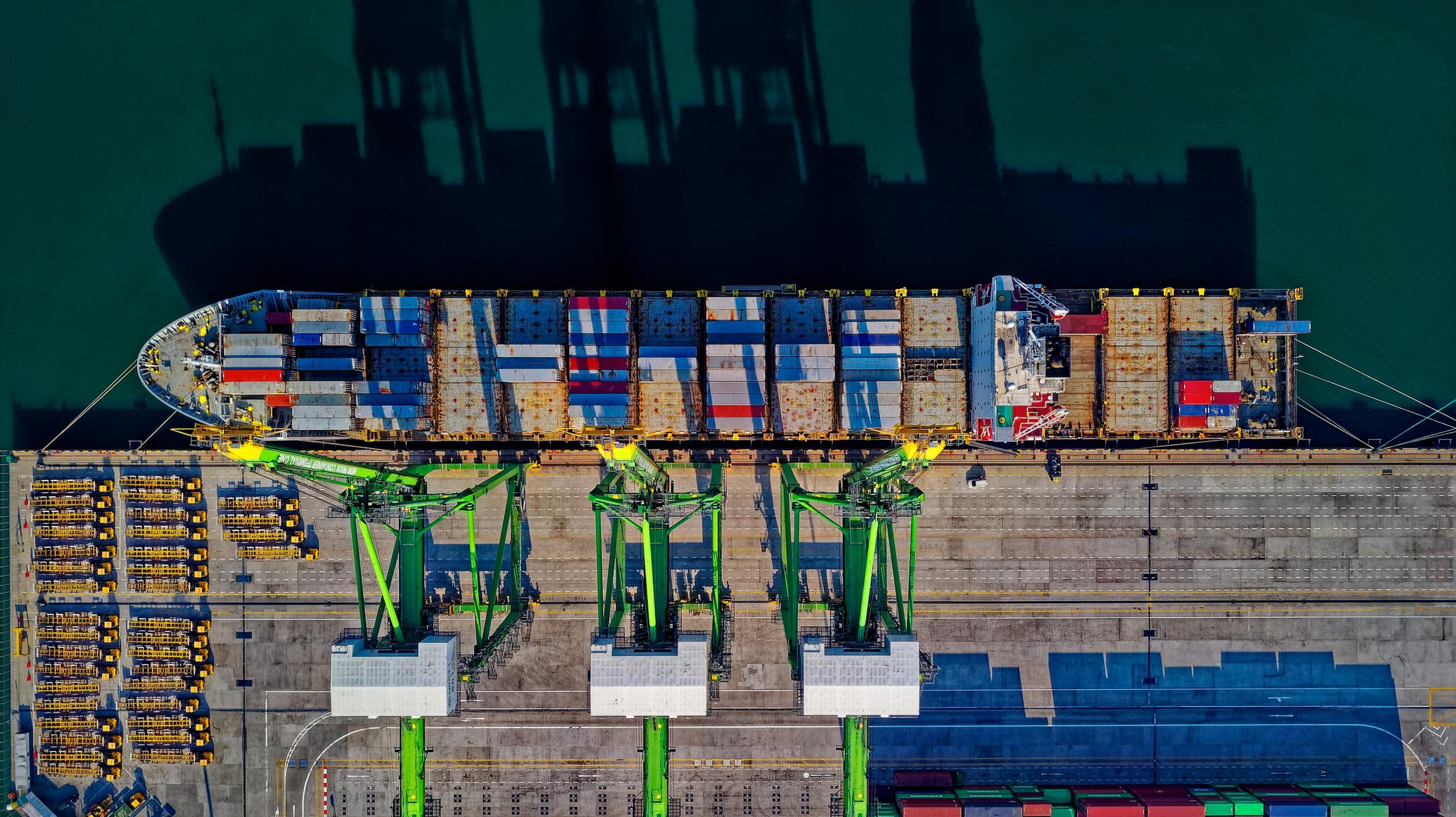
The dilemma is therefore not so much one of head-on opposition between local agriculture
and industrial model, but rather a challenge of balance. What weight do we want to allocate to a globalized
agri-food system, based on massive volumes and heterogeneous standards, in the face of growing demand
for transparent food that respects health and the environment?
The crisis of confidence surrounding food is palpable. Repeated
health scandals, opaque industrial circuits, mistrust of globalized processes: all
factors that reinforce the need for a direct link with those who produce our food.
Against this backdrop, short distribution channels have emerged as a genuine
alternative. They guarantee traceability and freshness, reduce food waste and enhance
the value of Europe’s terroirs. By reconnecting directly with producers, consumers can regain the
confidence they have often lost in their food. Producers, for their part, find meaning in the
direct relationship and can better promote their practices.
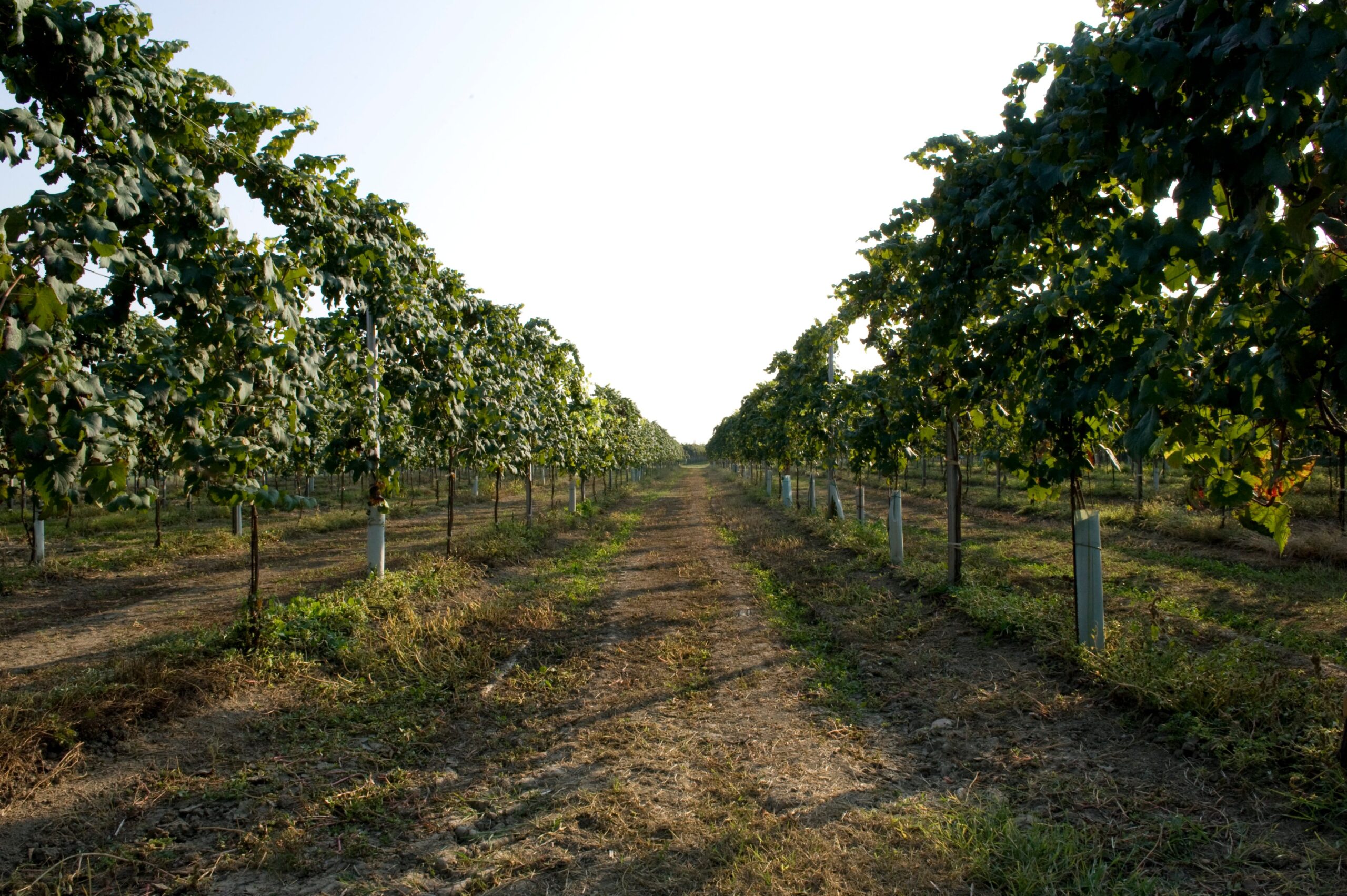
By reducing superfluous margins and the time elapsed between harvest and
consumption, these circuits make fresher, more nutritious food possible, at a fair price
for the consumer. At the same time, they provide producers with sufficient income to invest
in more virtuous modes of production, such as organic or regenerative farming, that respect
climate, soil and people. Far from being an elitist luxury, this alternative approach demonstrates that it is
possible to reconcile accessibility, quality and sustainability.
Europe’s food sovereignty will largely depend on its ability to
protect its producers, ensure the sanitary quality of its food and offer consumers credible
alternatives. Consumers, through their daily choices, play a key role in the
construction of this food future.
The real decision is not just being made in Brussels or Brasilia, but
every day on our plates, through the promotion of agriculture that respects the planet and
human beings, protects the rural fabric, and gives new meaning to the act of eating.
It’s time to move beyond false debates and embark on an ambitious, social and fair ecological transition
, based on soil restoration, biodiversity and the resilience of
territories. This is the only way for Europe to preserve its agriculture, guarantee its food security
and meet the legitimate expectations of its citizens.
Mercosur holds up a mirror to us. Do we want a globalized food system,
opaque and globalized, or do we want local, transparent and equitable agriculture? The future of our
food sovereignty is not being played out tomorrow, it’s being played out here and now. It is built in every
act, in every gesture, in every alliance between producers and consumers. It is built through
awareness and collective mobilization.
Juliette Simonin – Co-founder at
CrowdFarming
Philippe Crozet – CEO of La Ruche qui dit Oui!
Written by Philippe Crozet
When he’s not working on reconnecting farmers and consumers through La Ruche qui dit Oui! and CrowdFarming, Philippe is usually in the kitchen, cooking, experimenting, and transforming the great products offered by the farmers he works with. CEO of La Ruche qui dit Oui! and Head of Catalogue for Pantry, Meat, and Dairy at CrowdFarming, he has been building short food supply chains as an entrepreneur since 2015—driven by a deep belief that changing the way we eat is key to changing our food system.
Keep digging ...