



Our manifesto


What The Field?! (WTF?!) isn’t just a name. It’s our reaction to a food system that doesn’t prioritise what matters: fair prices, resilient ecosystems, nutritious food and a future where new generations can keep farming.
Let’s start with some data
WTF?!
Use of fertilisers
Chemical fertiliser use has increased by over
300%
since the 1960s
Soil degradation
During this time, soil quality has decreased to the point that
60%
of European farmland is degraded
Nutrition
This has caused
a drop
in essential nutrients in our food
Climate change
The food system is responsible for over
30%
of total climate change emissions
Money
The EU invested
1.5 T€
in agricultural subsidies in the last 25 years
Farmers age
57%
of farmers are over the age of 55 with few prospects of generational renewal
So, what now?
Action beats outrage. The more you know, the more you do. That’s why we believe:
Before we can act, we must first understand.
What the Field?! is an information hub that detangles the agri-food industry through journalism, investigation, and data. A place to enter, explore, and keep coming back. A living library that shows how the food system really works, and ideas on how it could work better.
Access over paywalls.
Knowledge of our food systems should be pop culture.
What The Field?! is powered by CrowdFarming, a company whose goal is to make regenerative organic farming viable for farmers and accessible to consumers. This is how all our content is of free and open access.
Curiosity is a muscle.
If we’re not sure about something, we go to the source. Whether that be the farm, the lab, or Brussels.
Our goal is to translate complex science and policy without diluting truth.
We don’t fall into stereotypes of good vs. bad, because like most things in life, there tends to always be some complexity behind any claim. We’re not afraid
to dig deep enough to know where trends become greenwashing, and sometimes we have to admit that we can’t get to the bottom of it.
Our best sources:
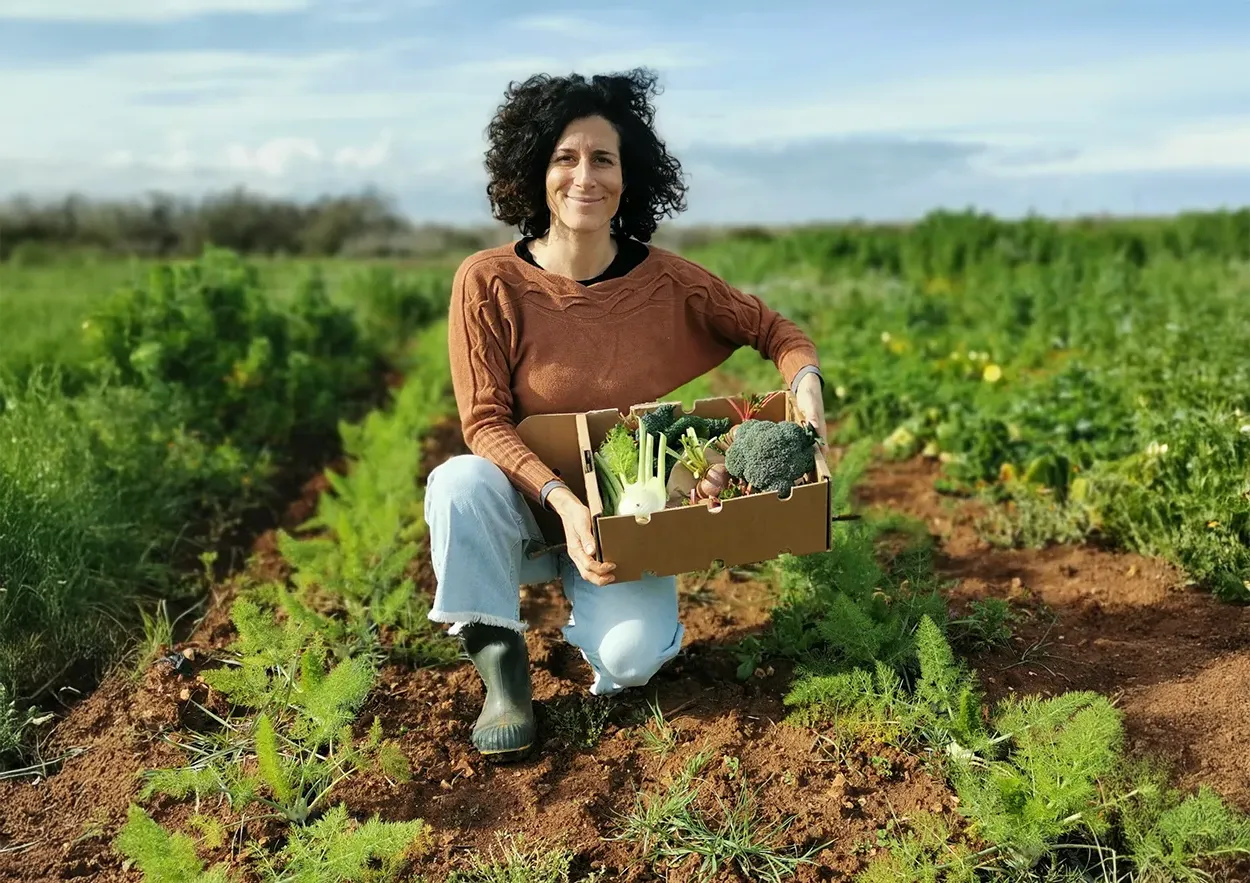
We spend a lot of time in the fields, and we work with a network of more than 4,000 farmers that allow us to have a deep and complete understanding of what’s happening on the ground.
Start digging ...

