

Published November 2026
Justice is served
How communities are using the law to transform our food systems and protect the ecosystems we depend on
The threats which face our society and our collective actions that drive those threats are often two sides of the same coin. Nowhere does this play out more clearly than in food systems. While intensive agriculture fells rainforests, pollutes rivers and soils, and releases vast quantities of greenhouse gases, climate change and biodiversity loss in turn wreak havoc on farmers and supply chains around the world. It’s a vicious cycle and is coming home to roost here in Europe, with rising food prices, product shortages and ruined harvests causing despair amongst farmers and the public alike.
In the face of a ‘polycrisis’, it can be hard to know how to interrupt this spiral. Farmers across the world are doing incredible things to restore nature on their land, protect against flooding and lock in carbon, but we also need big, systemic solutions that complement and support grassroots efforts.
We often think of our power over the food system as two choices: what we put in our basket and who we vote for. Both matter. But there’s a third lever, the law, and we usually meet it in the headlines as something handed down from above: a regulation from Brussels, a rule from this or that ministry. But few realise it is also something we can pick up ourselves to defend our communities and the ecosystems around us. A growing movement of lawyers, citizens and communities are using the courts to protect what we eat and the ground it grows on. ClientEarth is one of them: an environmental charity made up mostly of lawyers doing exactly this work. We bring cases against states, big business, and others who do environmental harm and try to shift the dial of the law to change how global systems work.
We’re currently working on over 160 legal cases from our offices around the world. Though this seems like a lot, we choose our work carefully to make sure that it’s having the most significant impact possible. We choose our cases strategically, around three questions: does it save a vital ecosystem, does it protect people’s say in decisions, and can it set a precedent that others can follow? It’s not just legal cases either; we use the law in different ways to strengthen the whole system and ensure that laws are fully enforceable and made democratically.
Saving our most important ecosystems
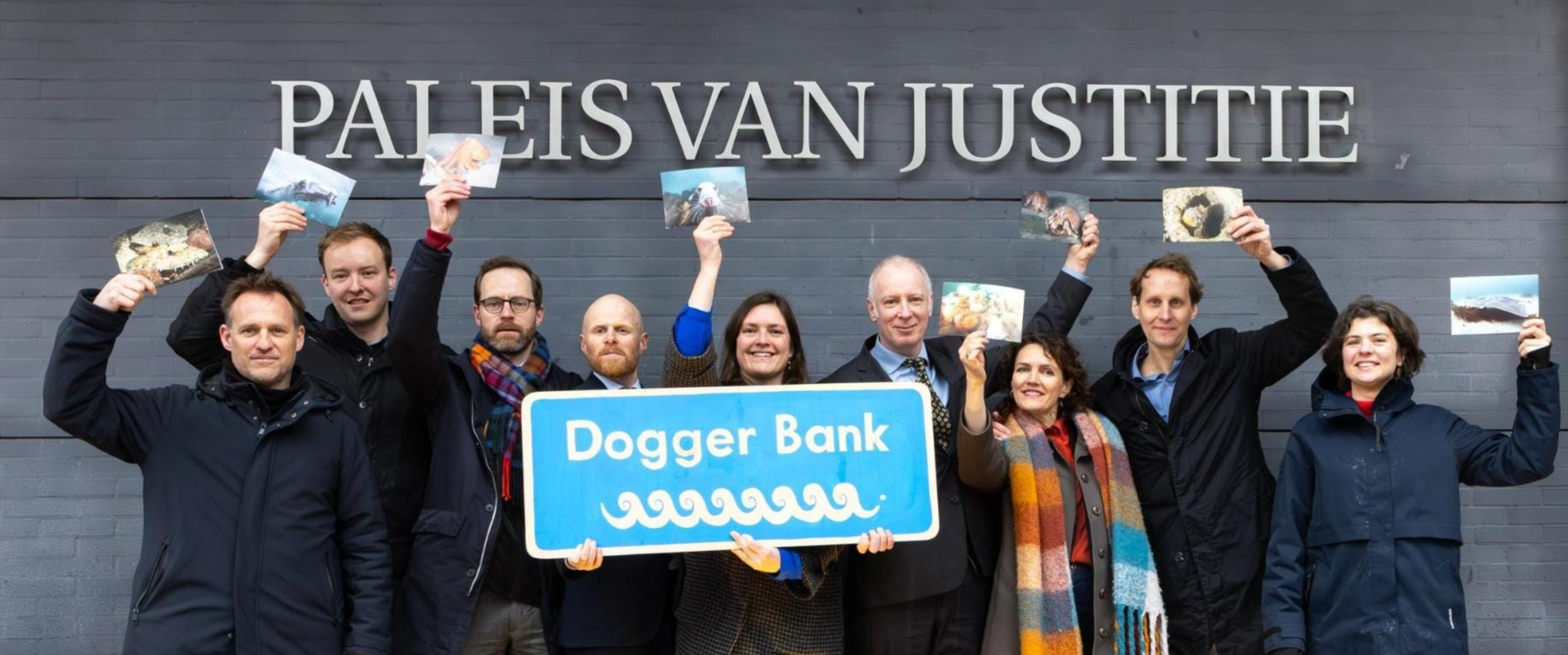
This is where that third lever gets concrete. When it comes to protecting nature, the work focuses on the most valuable sites for biodiversity. Marine Protected Areas (MPAs), for example, are meant to be the jewels in the crown of our oceans, safe havens that allow fish populations to recover. Protected should mean protected, but with bottom trawling (the most destructive form of fishing) still allowed, MPAs become little more than ‘paper parks’: areas that are protected on paper but lack the management and enforcement to make that protection real. That’s why, together with our partner NGOs, we’re pursuing a wave of legal actions to stop bottom trawling in MPAs. We’ve had some big successes, with a recent win in Dutch court against bottom trawling in the North Sea’s Dogger Bank area.
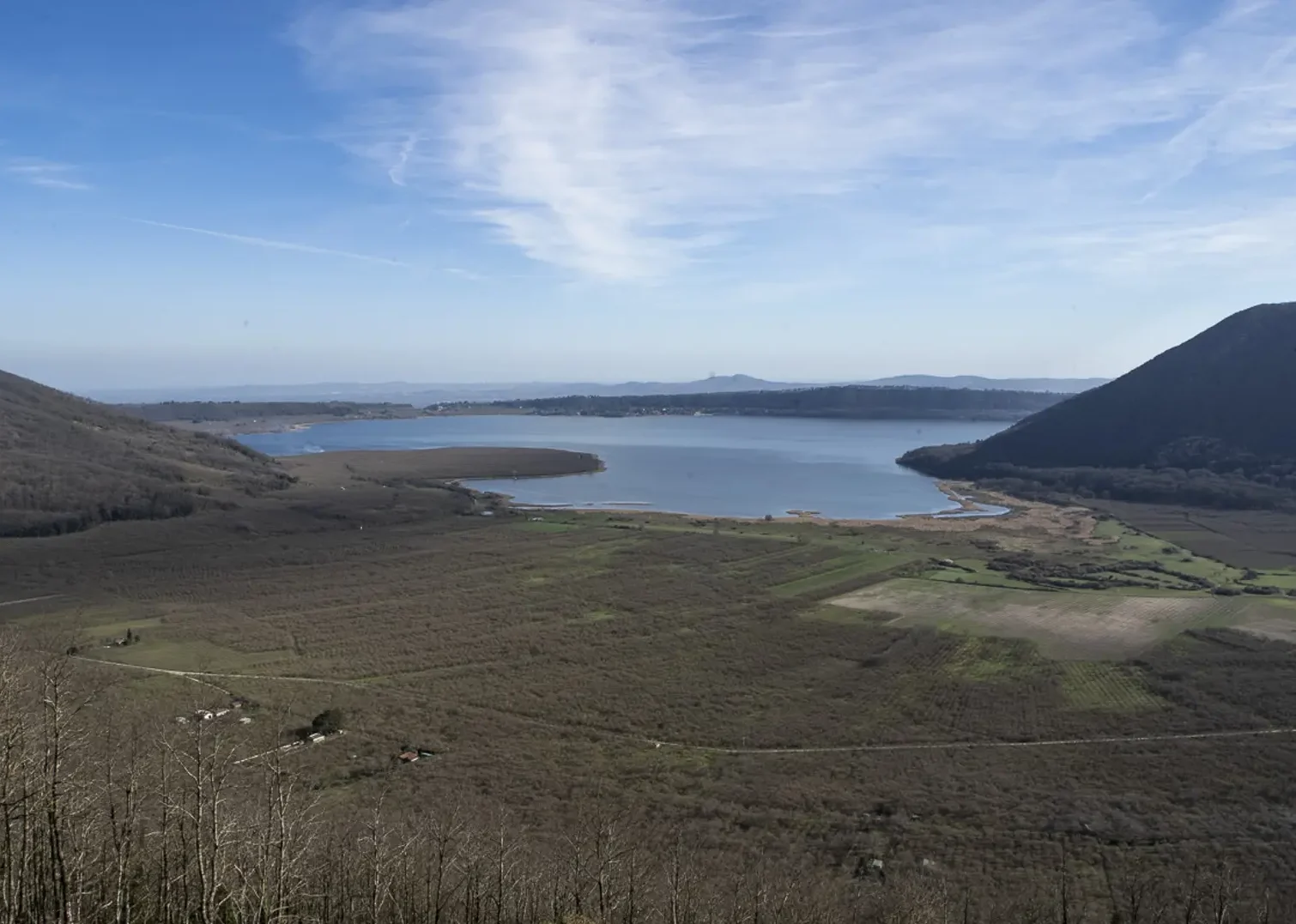
We’ve used the law to fight for other natural treasures too. We campaigned to save Italy’s Lake Vico from intensive farming runoff, Europe’s ‘Blue Heart’ (the last wild rivers of Europe) from hydropower dam projects, and shut down a huge gas project off Italy’s treasured Po Delta.
Democracy in decision-making
It’s a sign of a healthy society when citizens, politicians and watchdogs – the independent organisations that scrutinise those in power and hold them to account – all work together to shape laws and other rules meant to protect people and the planet. This arena of involvement is one aspect of what is called ‘civic space’. Right now, civic space is under threat in many of the countries where we work. European laws that have been safeguarding our nature are being quietly dismantled under the pressure of a few polluting industries and their political allies.
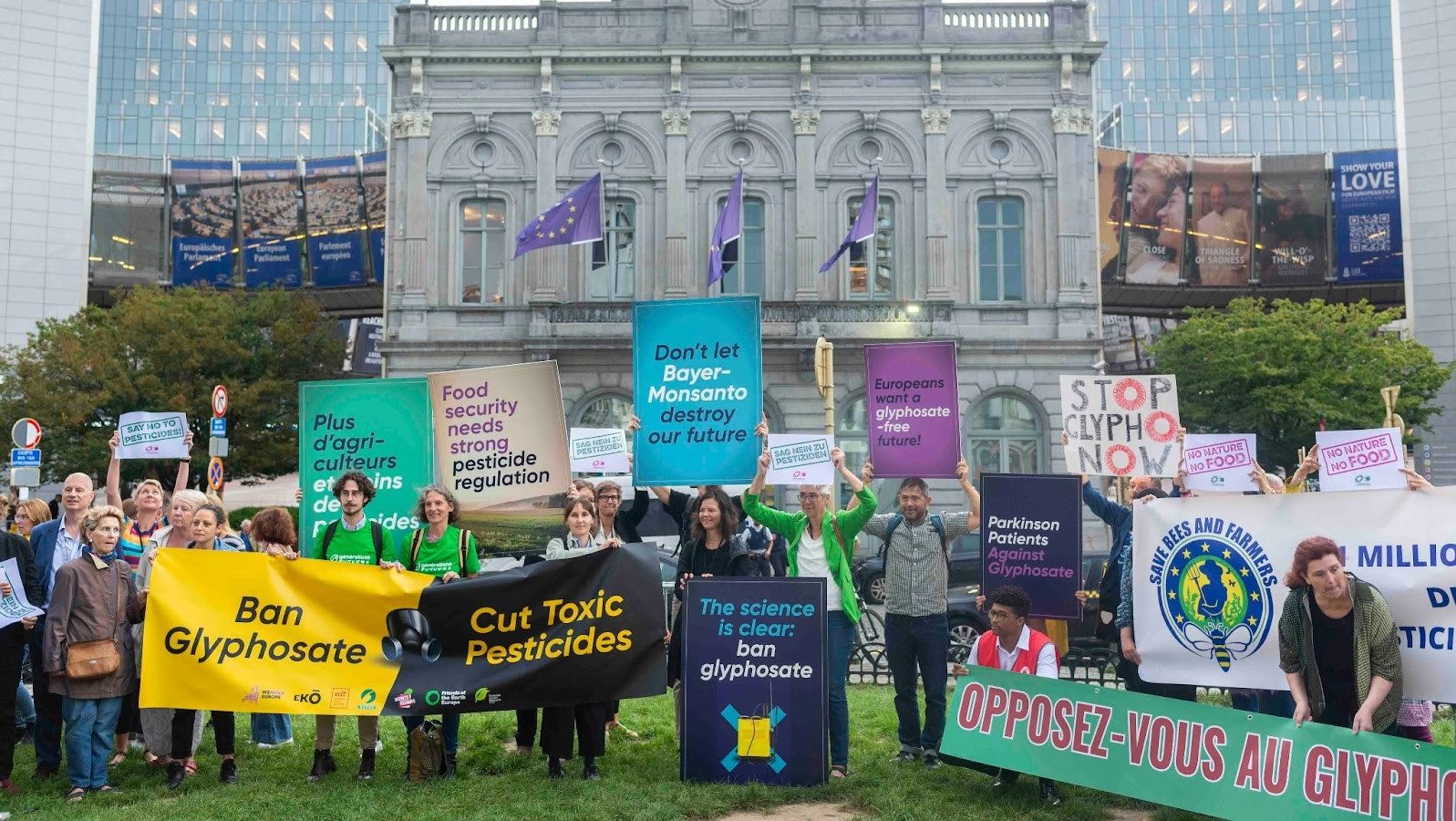
We are fighting to protect the laws and conventions that protect citizens’ rights to shape decisions that impact the environment, calling for transparency, public participation and, where necessary, access to courts. Alongside over a million citizens who have signed the Hands Off Nature petition, we’re demanding that European leaders defend the laws that protect people and nature, not bow to the biggest polluters.
We’ve also taken legal action when governments have tried to usher through new pesticide rules under the radar and roll back key environmental measures, like the EU’s ‘Common Agricultural Policy’, without properly consulting the public.
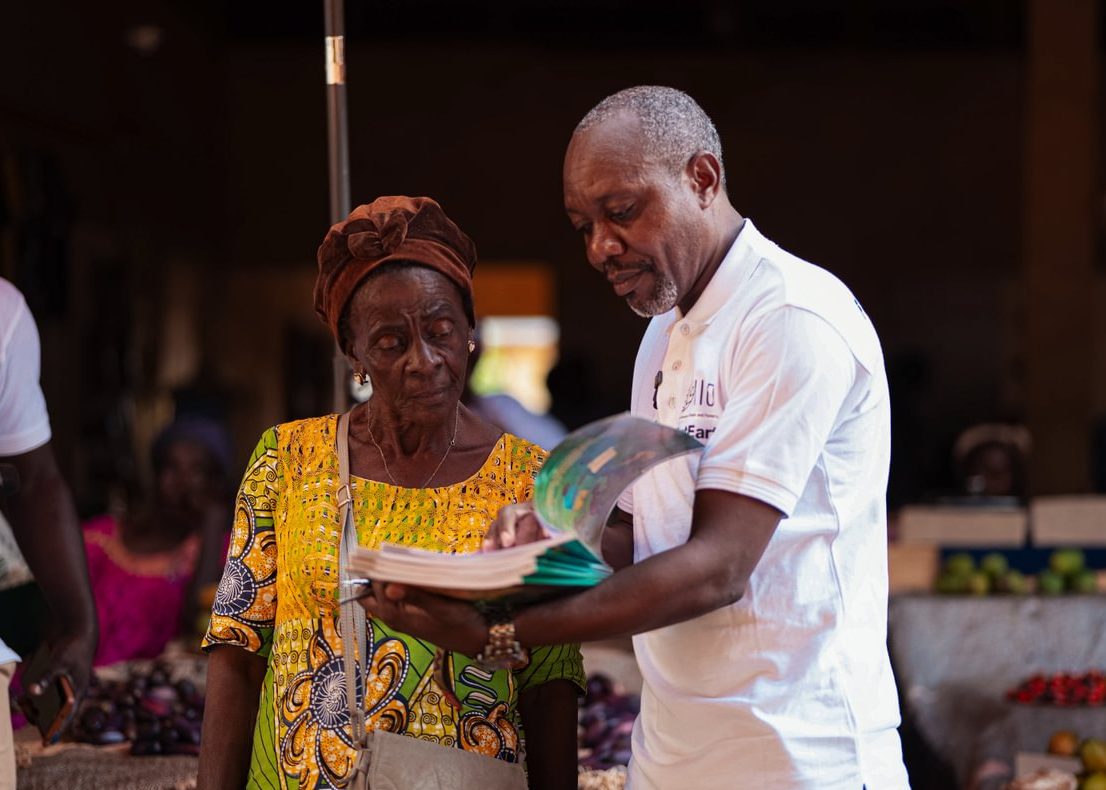
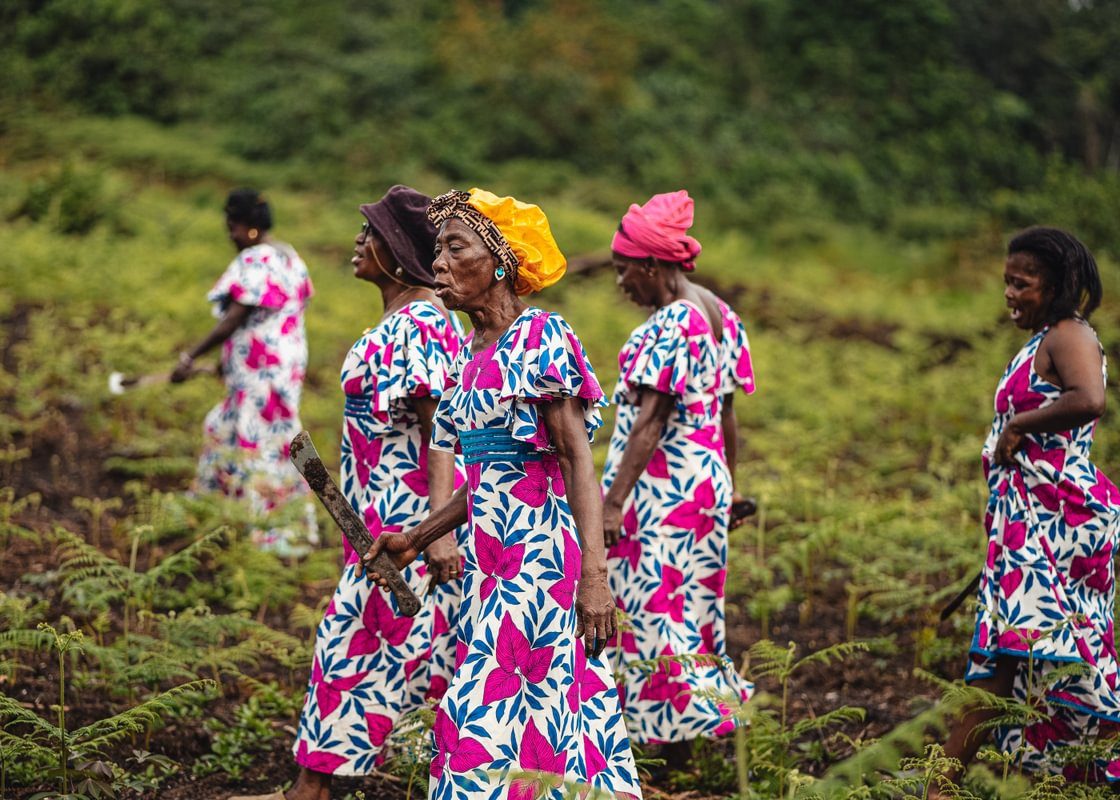
Not all of this happens in the courtroom: a lot of it involves working directly with communities on the ground too. In West Africa, we’re working with local partners to support communities of Gabon’s incredible forests. They have stewarded these ecosystems for generations, yet still face uncertainty over their rights to access, use, and manage them. Through workshops, campaigning and legal support, we’re helping to strengthen the laws that improve their rights, make legal texts more accessible to communities, and increase women’s say over how forests are used.
Setting a precedent
We also choose our cases for the snowball effect they can set in motion. A single case can change the game, paving the way for replica lawsuits, shifting how regulators enforce the law or how boardrooms calculate risk. One such area is the use of human rights law to tackle environmental issues.
In 2025, we won a landmark judgement with a community in Galicia, Spain, that will have far-reaching impacts for people across Europe. The High Court of Justice of Galicia ruled that national and regional authorities breached residents’ human rights by failing to curb severe pollution from intensive pig and poultry farms.
The Galicia story
Driven by export markets, cheap production models and weak environmental controls, the unchecked expansion of intensive pork farming has had devastating impacts across Spain. In the 12 months leading up to February 2025, more than 53 million pigs were slaughtered nationally, making it the EU’s top pork producer. Despite decades of evidence of excessive pollution and impacts on local communities, public authorities in Spain have continued to greenlight the expansion of intensive pork production, often in areas already facing water stress and nitrate contamination.
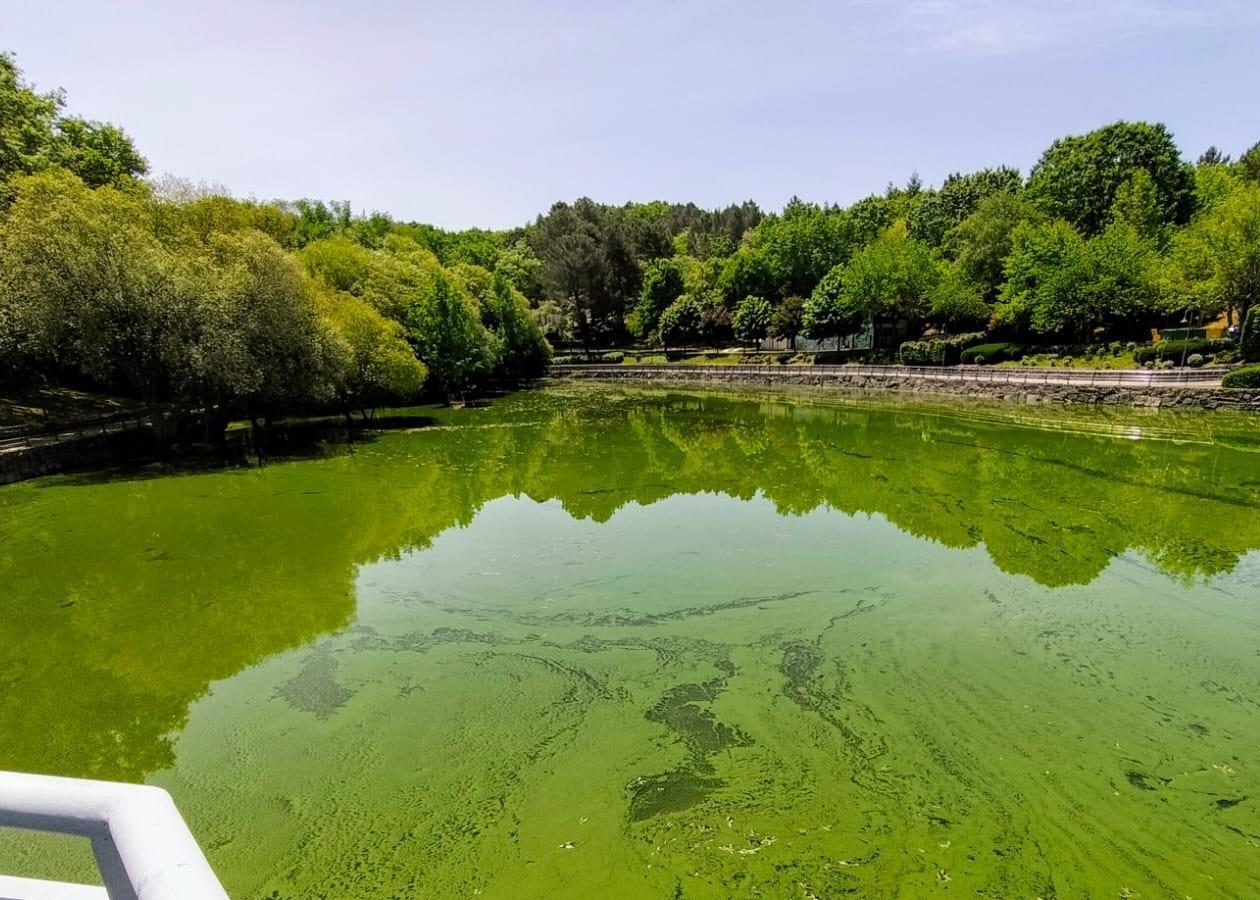
Over the past decade, the As Conchas area in Galicia unwillingly became a ‘sacrifice zone’. In the village of A Limia, drinking wells were polluted, local reservoirs turned soupy green with toxic algae, and a stench left cafes closed and locals bolting up their windows. Scientists found evidence of antibiotic-resistant superbugs and serious nitrate contamination (at times 1,000x higher than typical levels).
ClientEarth, Friends of the Earth Spain, and the Spanish Consumers and Users Federation (CECU) supported a tight-knit community of local claimants to stand up for their human rights. In July 2025, the High Court of Galicia found that their rights were breached by local authorities by failing to manage record levels of pollution from hundreds of pig and poultry farms in the A Limia region. Despite an appeal by the authorities, the ruling was upheld by Spain’s Supreme Court early in 2026, which means it is now fully enforceable.
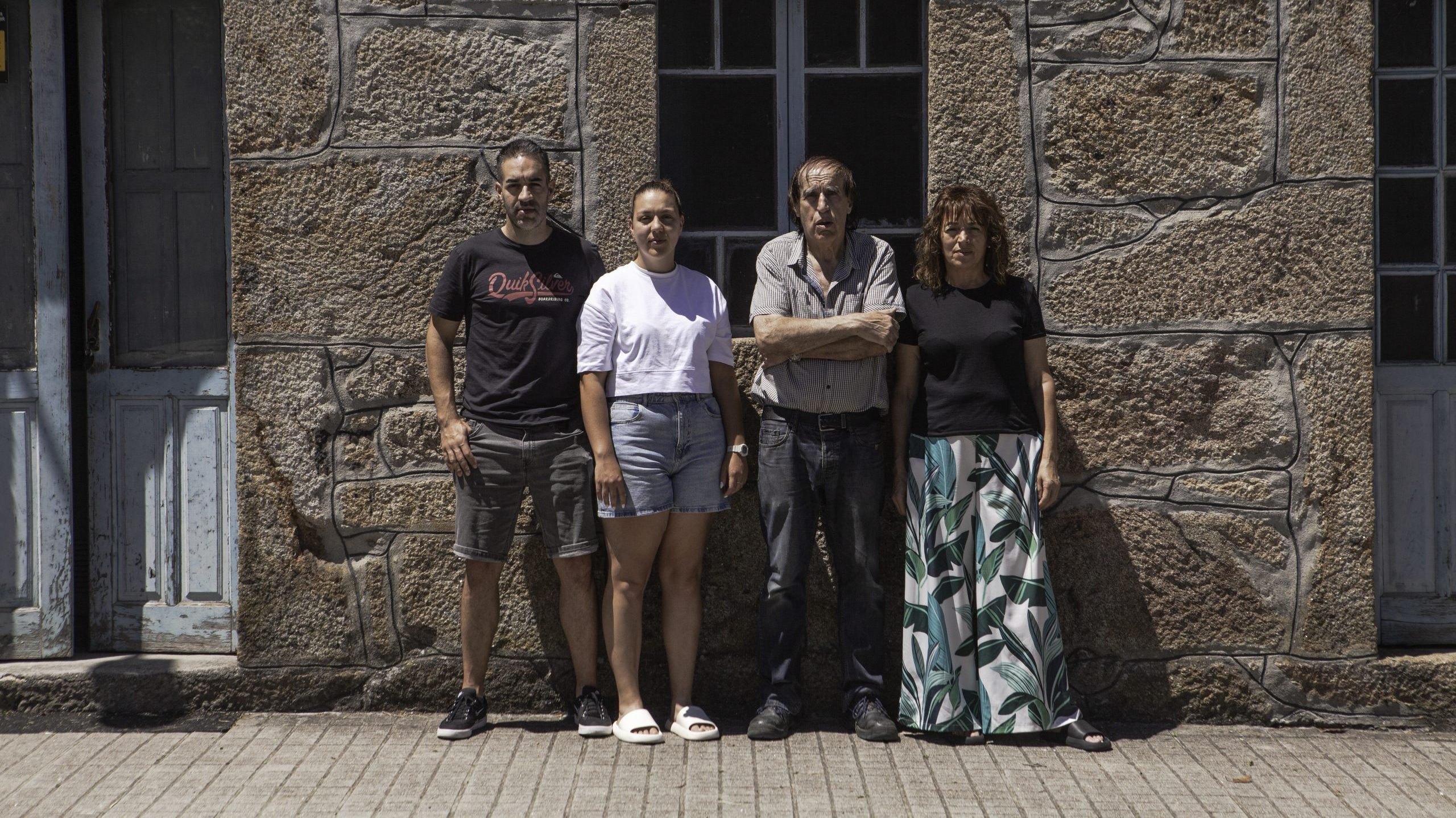
“We hope this marks a turning point for many other communities across Europe – that they know they are not alone, that change is possible, that justice, sometimes, is served.” Pablo Álvarez Veloso (Galicia case claimant)
This case has enormous potential to change the game on intensive agriculture permitting and shows how the law can give suffering communities confidence to demand more.
So the next time you choose a farmer over a factory or back a policy that protects the land, remember there is a third thing worth standing behind: the laws that make those choices stick. When we cannot rely on voluntary action from corporations and politicians, the law gives us accountability, defining rights and responsibilities that endure beyond the cycles of elections and political turbulence. When we need it most, the law can drive truly systemic change, holding big corporations to account over environmental harms, bringing about new laws that reward nature-friendly farming, or ensuring governments fulfil their obligations.
So what can you actually do?
Challenge decisions directly
Back the organisations that go to court
Hold companies to account
You don’t need a law degree to put the law to work. Bringing a case from scratch is hard for any one person, which is why most landmark wins happen when thousands of people stand behind them. But there are real ways to get involved, wherever you are in the EU.
Challenge decisions directly
When an authority waves through a permit or an environmental decision that doesn’t add up, citizens can question it, through mechanisms like the EU’s internal review request, by challenging permits in national courts or by joining strategic litigation. It’s the most direct way to use environmental law yourself.
Back the organisations that go to court
Groups like ClientEarth, Urgenda, Milieudefensie and Greenpeace turn individual concern into legal action. Most major climate and nature cases exist because people contributed evidence, campaigning, donations, or simply added their name to a collective action.
Hold companies to account
You can report greenwashing to advertising regulators, request environmental information under transparency laws, and flag breaches to the authorities. Many big environmental investigations started with ordinary people using exactly these rights.
Written by George Kontou

George Kontou works in ClientEarth’s Global Communications team, working on agriculture, oceans and supply chain cases across the UK and EU.
Comments
Keep digging ...