
Looking for more? 

We’re just an email away.

Field news

min

Published October 2026

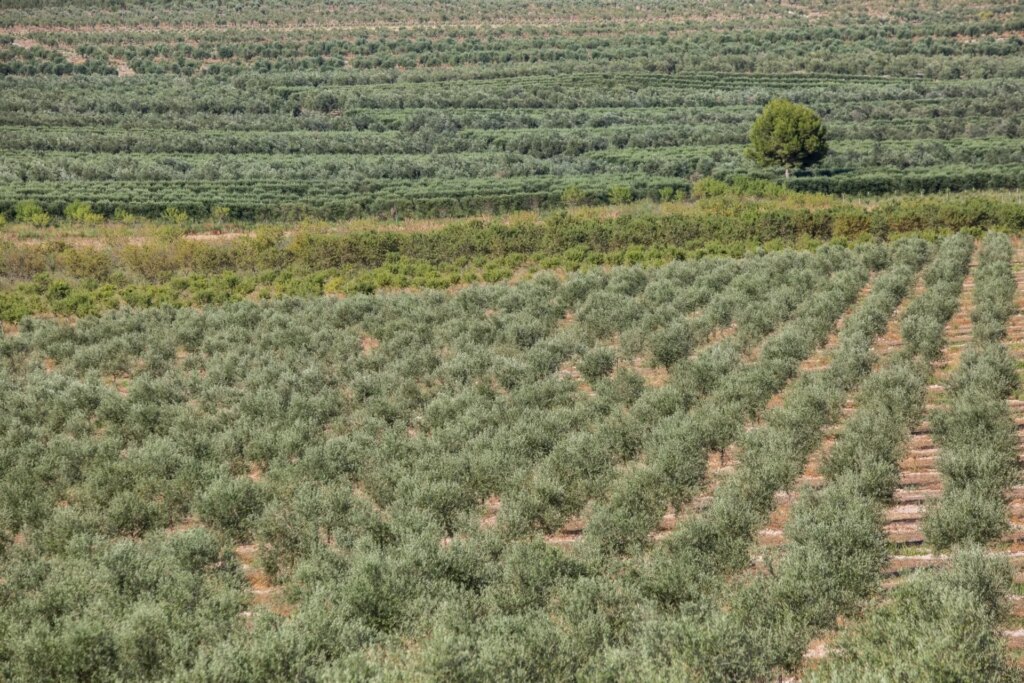
Nevero and its extra virgin olive oil

Querido Crowdfarmer, 

Tras la primera cosecha siendo parte de la comunidad de Crowdfarming, hemos empezado otro año con mucha ilusión y ganas de seguir con nuestro trabajo. Queríamos dar las gracias a todos los que habéis colaborado con nosotros, nos encantó ver el apoyo y la confianza que nos mostrasteis.

La campaña de aceituna 2020 fue un tanto especial. Fue un año un tanto atípico, con muchísima lluvia durante una parte del año, seguido de una gran sequía y unas temperaturas muy altas durante todo el verano. No tuvimos grandes problemas ni de plagas (por suerte, el clima tan extremo no es favorable para su desarrollo), ni de enfermedades, aunque el frío del invierno sí que nos hizo cierto daño. 

Cuando llegó la época de la cosecha, la aceituna estaba perfecta. Eso sí, en la almazara tuvimos algunos problemas para la extracción, ya que el rendimiento graso de las aceitunas fue muy bajo comparado con otros años, en algunas partidas no llegamos ni al 13%. Creemos que fue debido a los cambios tan bruscos de temperatura. Aún así, estamos muy contentos con la calidad del AOVE. 
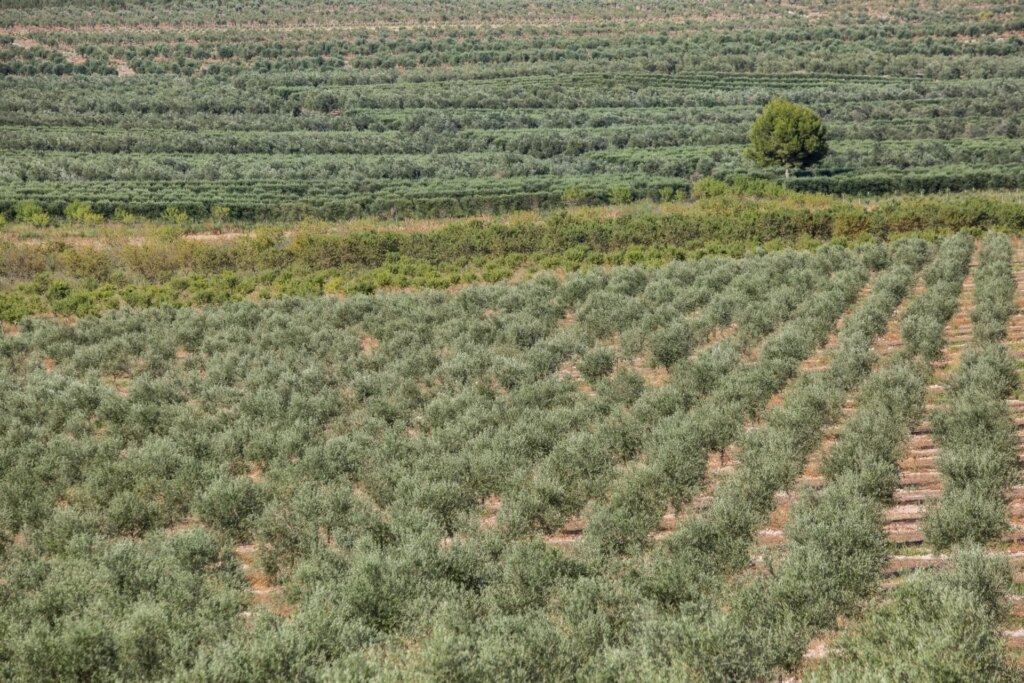
Nevero organic


Este primer año teníamos todo a punto para que los pedidos salieran bien preparados. Sin embargo, justo antes de mandar las cajas, hicimos unos envíos de prueba y vimos que la caja no resistía lo suficiente y tuvimos que hacer cajas nuevas lo más rápido posible. Por eso recibisteis 2 cajas en vez de una. Lamentamos muchísimo el haber usado más material, pero pensamos que era la mejor manera para que todo llegase bien. Este año ya estamos trabajando en un nuevo sistema de cajas para mejorar el envío y minimizar el uso de cartón.  

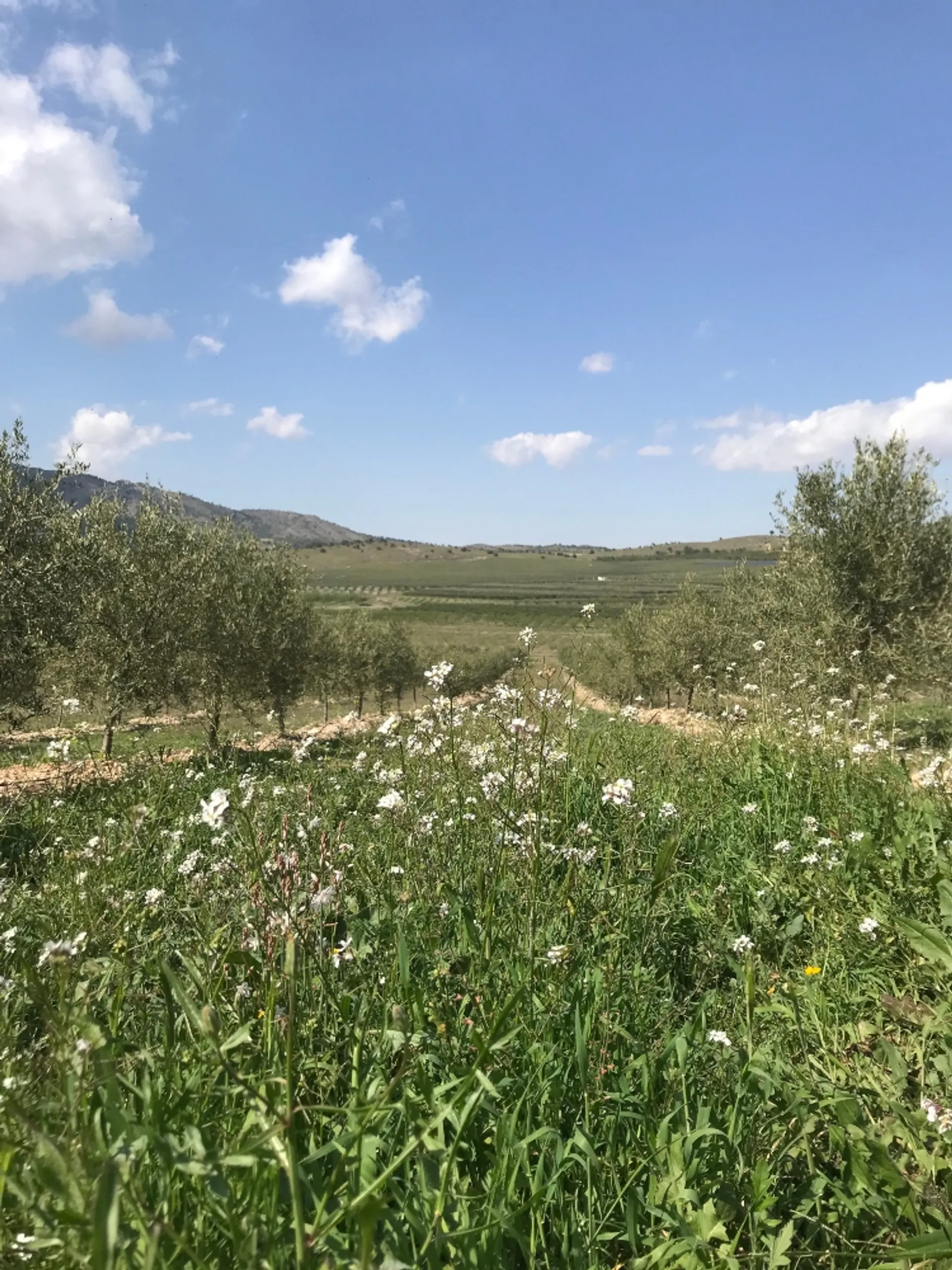
Hace muy poco que nuestros olivos prácticamente han terminado de florecer y empezado a formar las nuevas aceitunas. Este invierno ha sido bastante duro y hacía tiempo que no veíamos tanta nieve. Pero hemos tenido suerte y no ha habido muchos daños por las heladas. 

Este año no ha tocado poda, por lo que sólo manejaremos nuestra cobertura vegetal (¡El suelo siempre ha de estar cubierto para evitar dañarlo! Para nosotros es un recurso limitado y que debemos cuidar y mimar), regaremos y seguiremos de cerca nuestros olivos para que crezcan felices. Quizás ésta sea una de las claves del cultivo ecológico: conocer y monitorizar el cultivo para evitar problemas. Por lo que hacemos seguimiento de plagas con feromonas y trabajamos con agricultura de precisión para ver cómo evoluciona el medio ambiente de nuestra finca.
Ferme Nevero


Espero que esta campaña se dé todo lo mejor posible y podamos volver a ofreceros nuestro aceite de oliva virgen extra. Mientras tanto, hasta que llegue la siguiente cosecha, tenemos mucho trabajo que hacer con nuestro proyecto en CrowdFarming: marcar e identificar cada uno de los árboles, mejorar nuestras cajas, seguir buscando alternativas de envases con menor gasto de material y hacer algún cambio estético en nuestras latas.

Para terminar, quería volver a agradeceros de parte de todo el equipo el apoyo que habéis mostrado a nuestro proyecto y esperamos poder compartir con todos vosotros nuestra pasión por los olivos y el aceite de oliva virgen extra.

¡Ah! Y os informamos de que hemos empezado una cuenta de Instagram (@neveroevoo). Os iremos contando nuestro trabajo y cómo van los olivos. También nos gustaría que, si tenéis cualquier duda o comentario sobre la finca o el AOVE, por favor nos las mandéis y os contestaremos encantados.
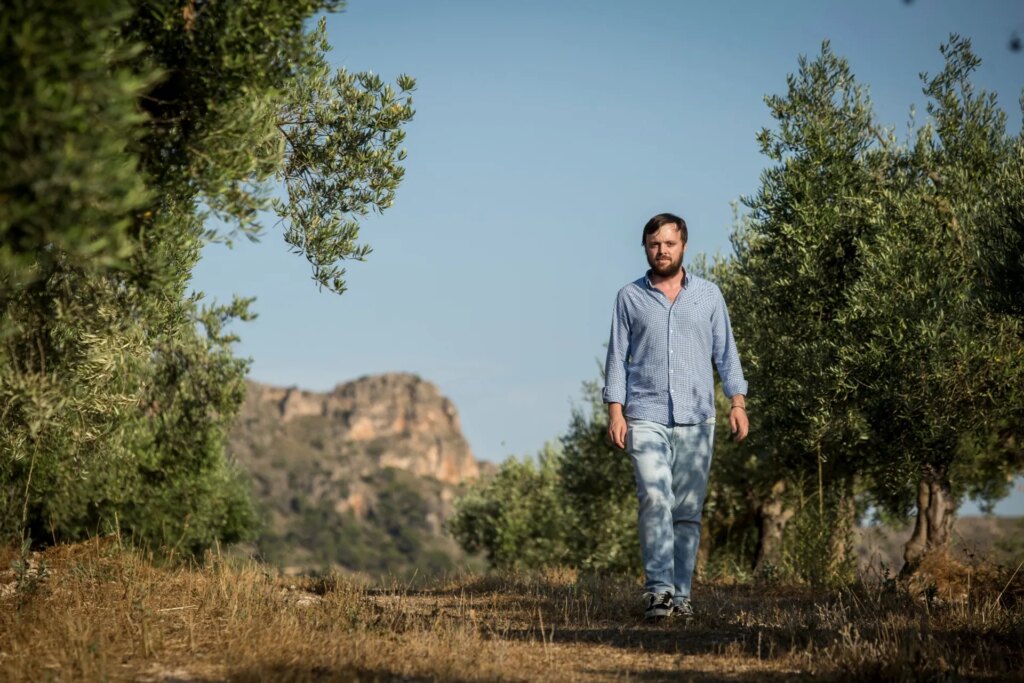
Juan Olivares Fernández


¡Un saludo a todos!

Juan Olivares Fernández – Nevero

Written by Farmers of CrowdFarming

Farmers of CrowdFarming

Share this content:

Keep digging ...

Field news

3 min

The ‘Mad German’ 40 Years On

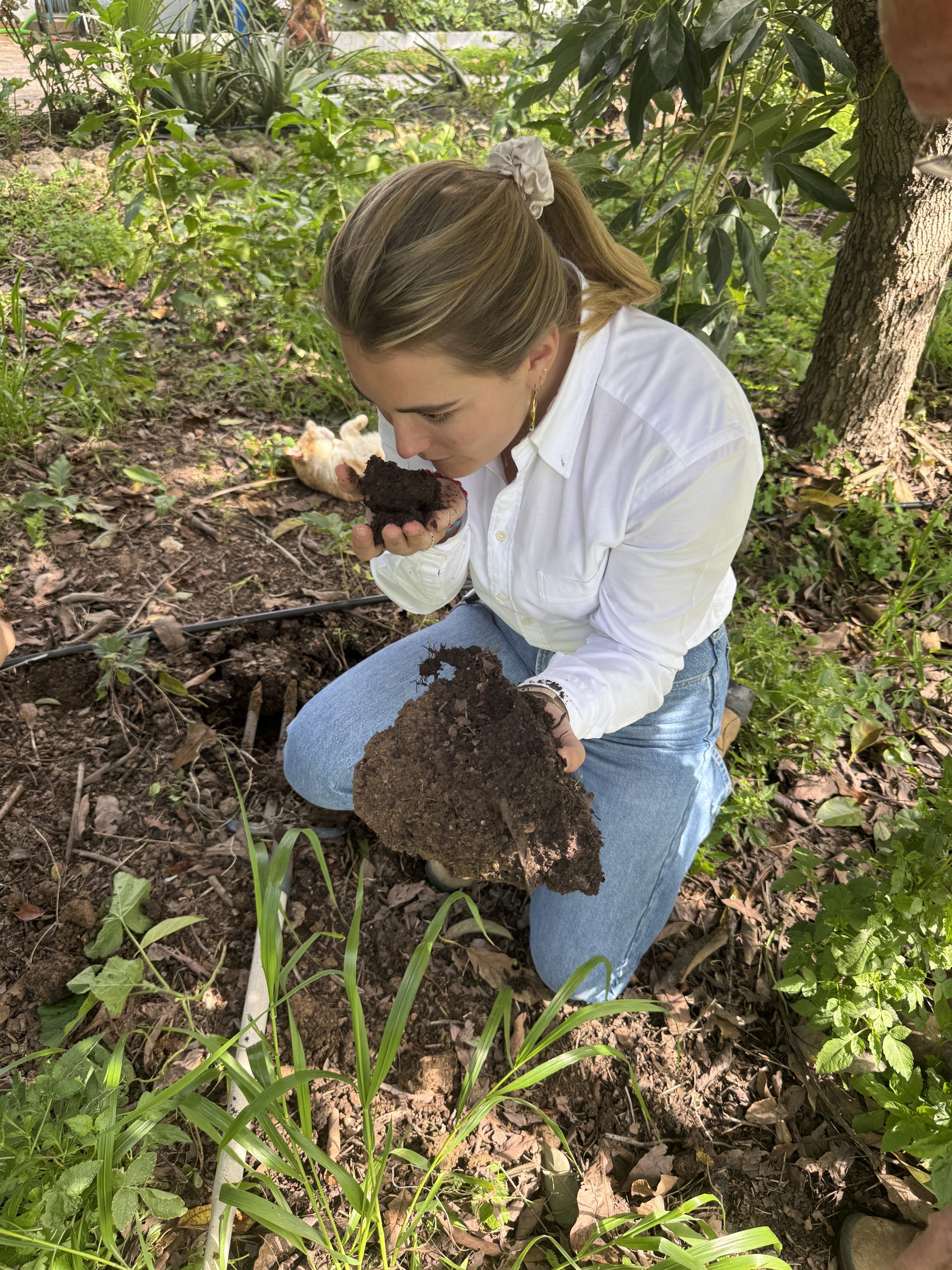
If you take a stroll with Friedrich across his farm near Gibraleón today, the first thing you’ll notice is the noise: a literal wall of birdsong. But behind this idyllic scene lies a radical choice made years ago—one that flew right in the face of convention. Today, having held Demeter certification since 1994, he’s living proof that his “madness” was the only logical response to the crisis facing our soil.Forty years ago, Friedrich fell in love with Finca Jelanisol-Montebello during a trip to Spain. At the time, he was working as a middleman for conventional fruit and veg. Two things happened back then that made him stop and think: A friend gave him a book on permaculture by Bill Mollison, which sparked an idea. While visiting a farm in Italy, he found himself desperately digging for earthworms. When the farmer told him there weren’t any “because you don’t need them,” Friedrich began to question everything. A Holistic Vision: Everything is ConnectedFor Friedrich, farming isn’t an isolated job; it’s part of a much bigger picture. He holds a deeply philosophical, holistic view of the world where everything—from soil microbes to the end consumer—is linked. He doesn’t see his farm as just a production site, but as a living organism where people and nature live in harmony. In his eyes, a peaceful society can only exist if we produce in tune with nature. If we get it right, there’s enough for everyone—we just can’t afford to destroy the foundations.One of the biggest things driving Friedrich is a deep-seated worry about the state of the modern diet. He explains that much of the food we eat today is “empty.” By this, he means conventional produce that, thanks to pesticides and long storage times, has lost any real nutritional value. He lives by the rule: Healthy Soil = Healthy People. Only living, regenerated soil can produce fruit that actually nourishes the body.One of the first things Friedrich did was build a large pond—not for irrigation, but purely for the birds, frogs, ducks, and fish. It also acts as drainage during heavy rain. They produce their own organic fertiliser using microorganisms, supplying the trees with a steady stream of minerals through a drip irrigation system.

Read

Field news

min

The Science Behind the Sweetness

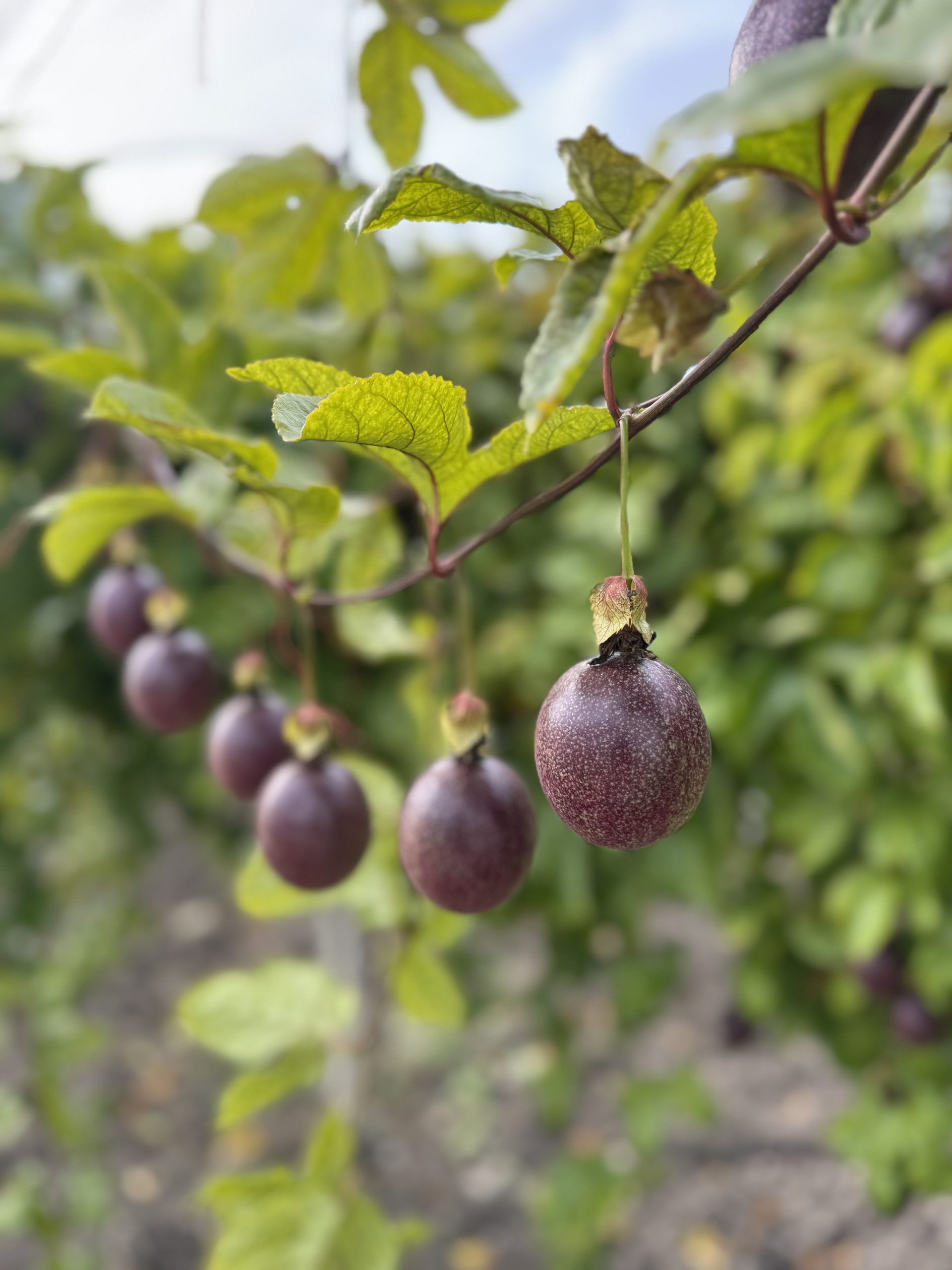
We visited Antonio from Sicilian Passion in Sicily. In a region traditionally known for its citrus fruits, Antonio decided to take a different path several years ago: he grows passion fruit (and even papayas!).Brix value, ensuring that the fruits have reached the required physiological maturity and full aromatic profile. Harvesting only begins once these thresholds are met. In the video below, you can see our colleague Angelo taking these measurements. It’s a lot of fun, because you’re literally looking into the future.Ripening Characteristics and EtymologyAn important quality characteristic of passion fruit is the texture of its skin. Unlike many fruits, here’s the rule: the more pronounced the wrinkling of the fruit, the higher the sugar content. Due to slight evaporation during the ripening process, the fruit sugar concentrates inside, while the acidity subtly decreases. There are two harvests per year – one in the winter months and one in the summer months. Especially in summer, the fruits are “wrinklier” because the liquid evaporates faster due to the heat.Did you know that the name “passion fruit” is derived from Christian iconography? Spanish missionaries in the 16th century interpreted the complex flower structure as symbols of the Passion of Christ. The filaments of the flower were associated with the crown of thorns, the three stigmas with the nails of the cross, and the five stamens with the wounds. In the gallery, you’ll find a picture where this is very clearly visible.

Read