
Looking for more? 

We’re just an email away.

Field news

min

Published October 2026

Your Farmer’s Voice: Merveilleuses Noix

Dear CrowdFarmers,

We would like to thank you for your trust and we are delighted to have been able to send you, for the 2nd year, beautiful nuts in organic conversion.

This year 2020, the continuing global warming leading to capricious weather conditions, has shown us once again that a farmer must know how to be reactive and must adapt to all situations !

COVID and the confinement measures since March have reinforced our choice to have joined CrowdFarming, in order to send the harvest directly to you without any intermediary.

We are delighted and very grateful to be able to count on you, CrowdFarmers, throughout the year with your adoptions of nuts, sent in November and walnut oil, sent in March.
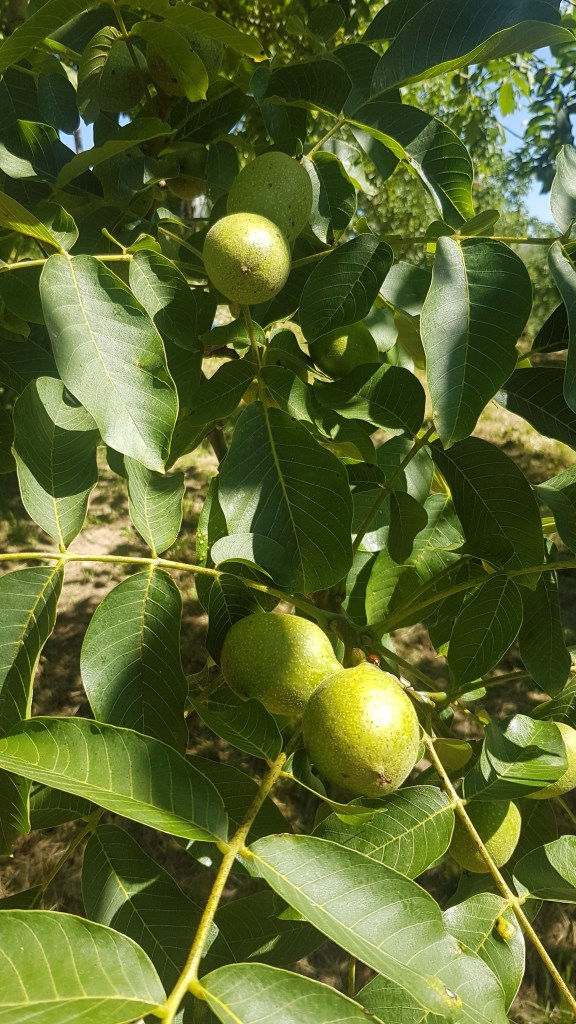
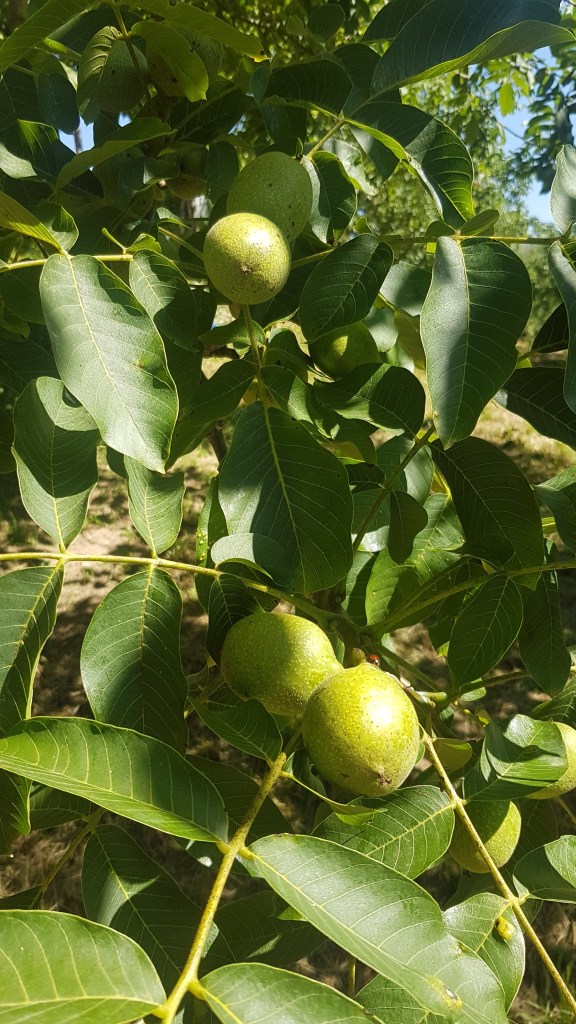
Walnuts in their green shells on a walnut tree branch

Regarding this year’s harvest, the rainy spring with cold nights until mid-July followed by a very dry and hot summer meant that we found ourselves with huge production gaps in the fields. Despite these hazards and the number of trees damaged or uprooted last year because of storms, the harvest was abundant this year. However, we had a lot of fruits of smaller size that did not fit into the PDO “Noix de Grenoble”. Because of this event, this year we are offering boxes of nuts for immediate purchase from December 2020 to January 2021.
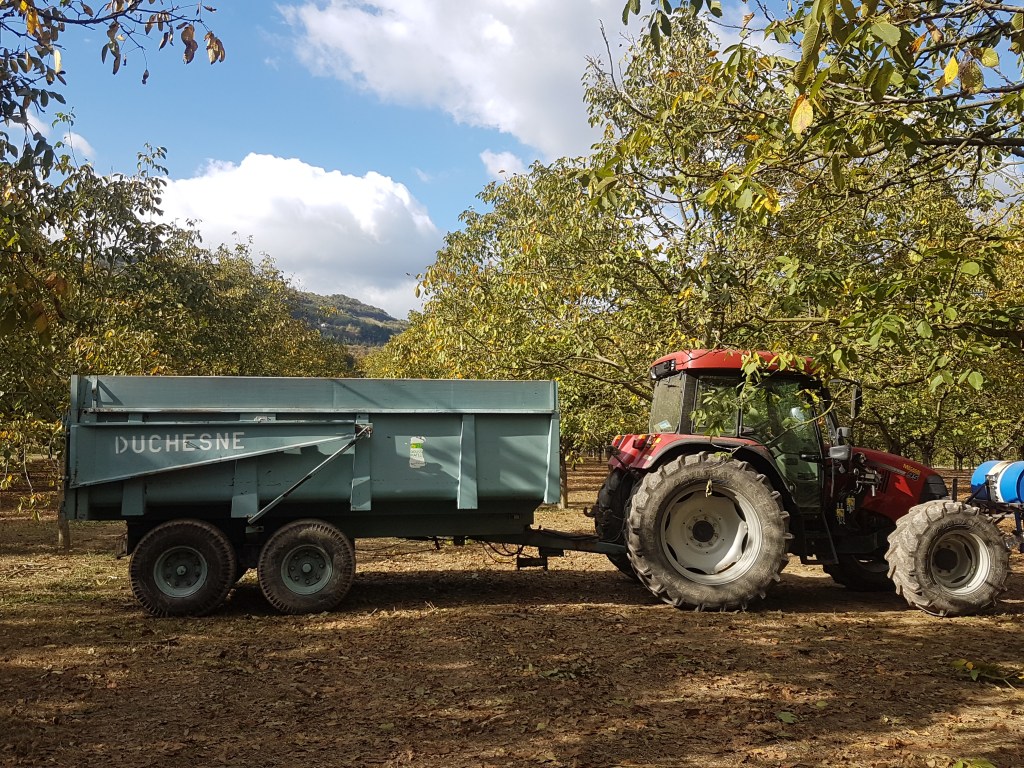
A tractor with a trailer in a field of walnut trees

The preparation of your boxes of nuts was carried out well after the harvest with very careful sorting.
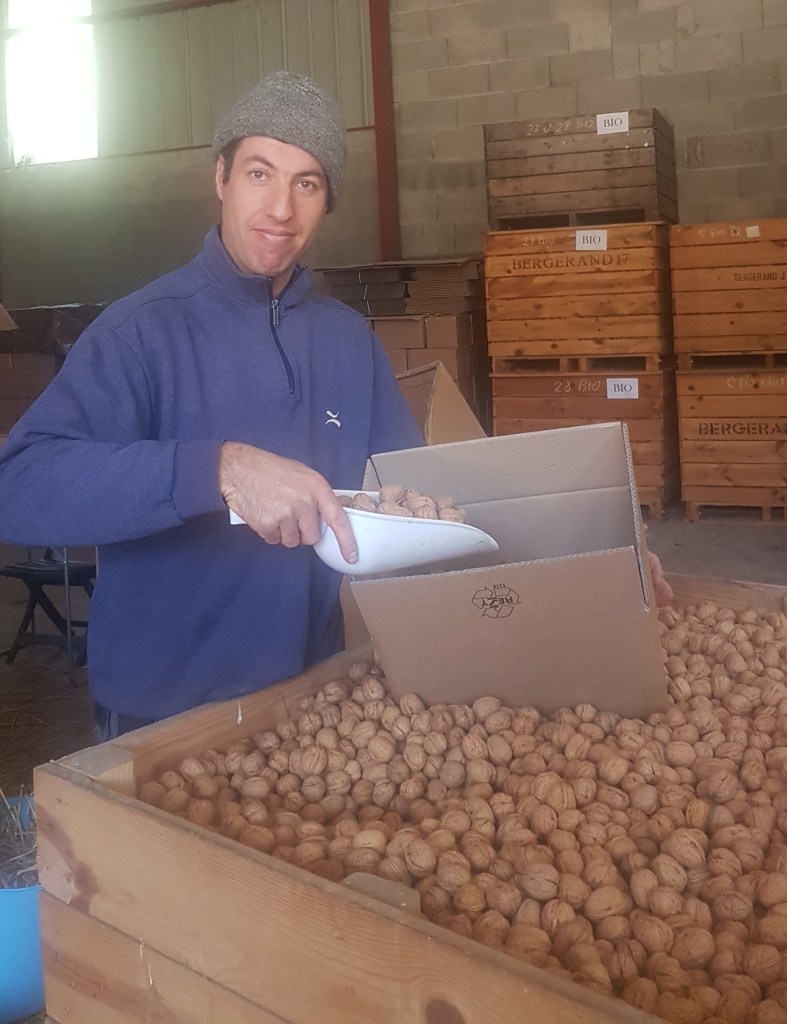
The farmer Sylvain Bergerand putting the walnuts in a box
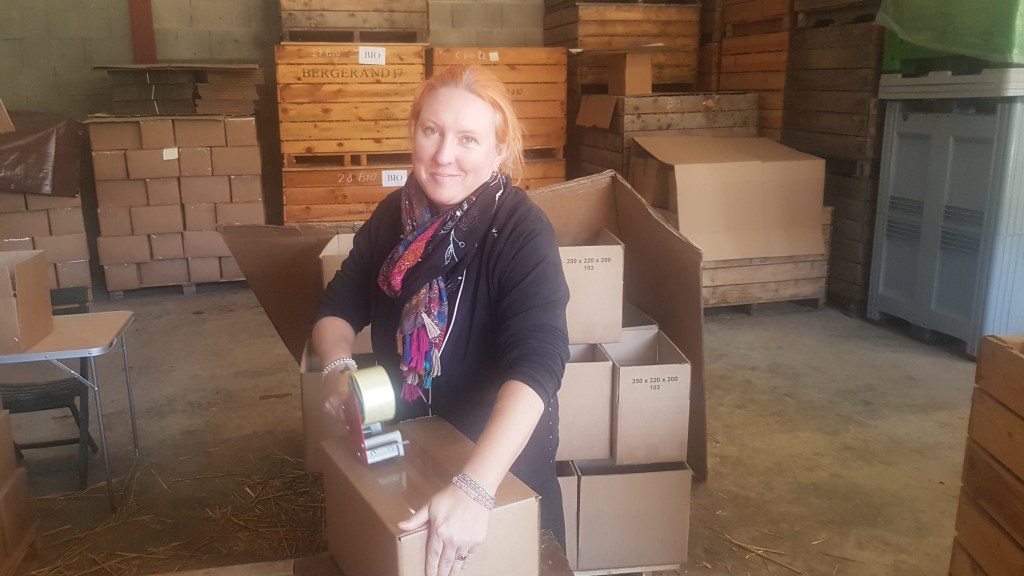
A woman sealing a box with Sellotape

Since mid-November, we have started breaking the nuts and sorting the kernels by hand for the next production of walnut oil.
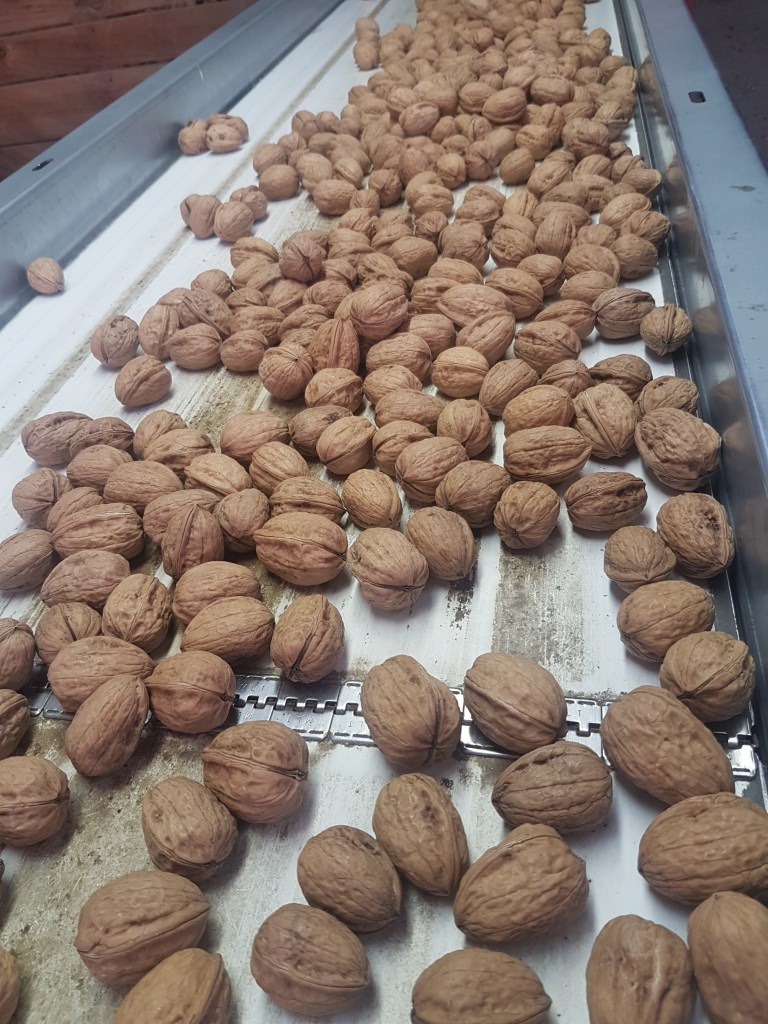
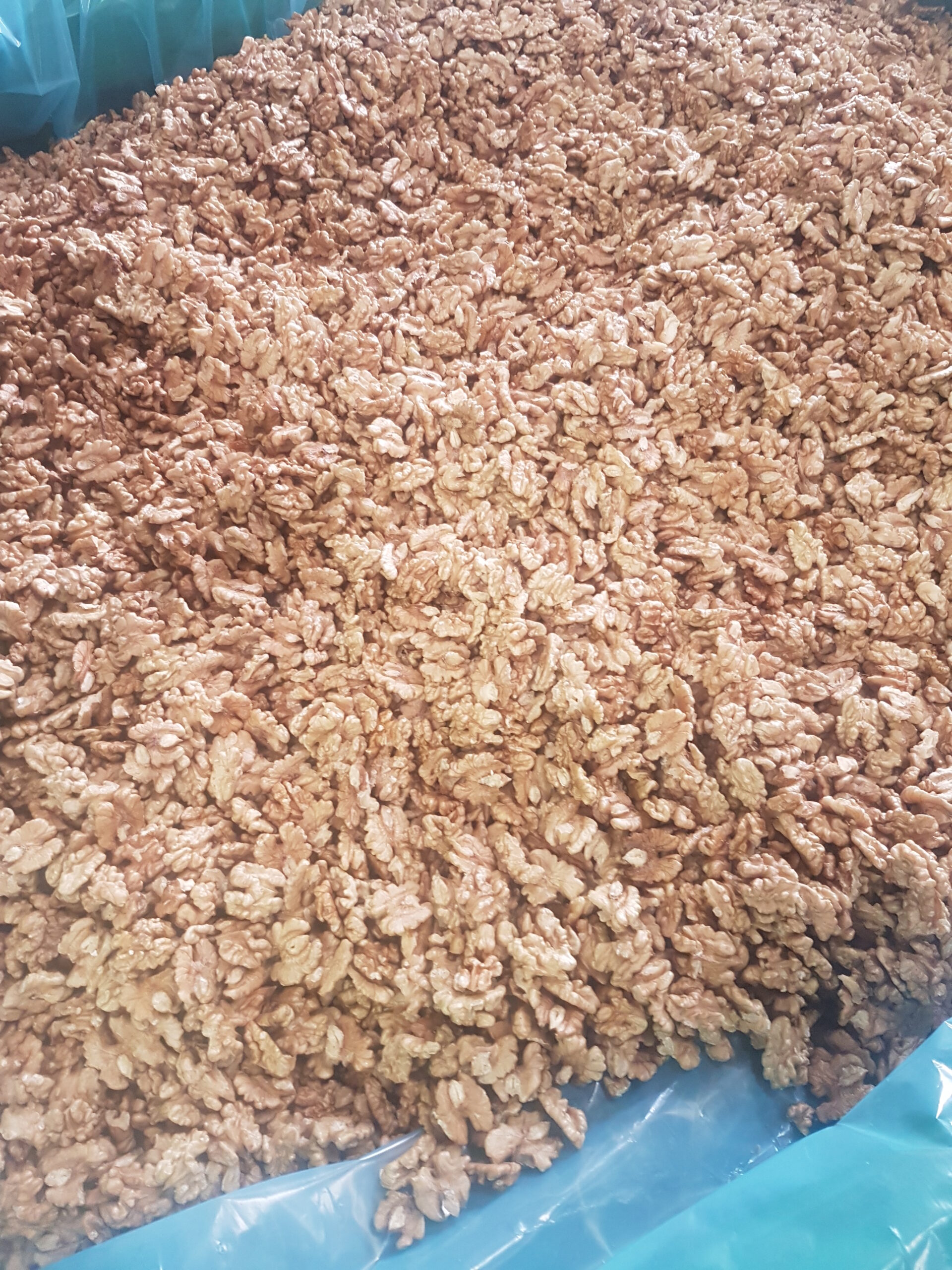
Walnuts on a conveyor belt
Shelled walnuts

Overall, Sylvain and I, his wife, manage the work on the farm throughout the year. But the recruitment of a seasonal worker is sometimes necessary to help us, especially during the harvest period, a time of high activity for us, as well as in winter for pruning trees and in spring to clear the brush and pull up the ivy that climbs on the tree trunks.

In November, Sylvain runs the chipper all over the land to accelerate the decomposition of dead leaves and promote the addition of organic matter to the soil. It also allows a preventive control of the fungi that can develop on the leaves in the spring with the rains.
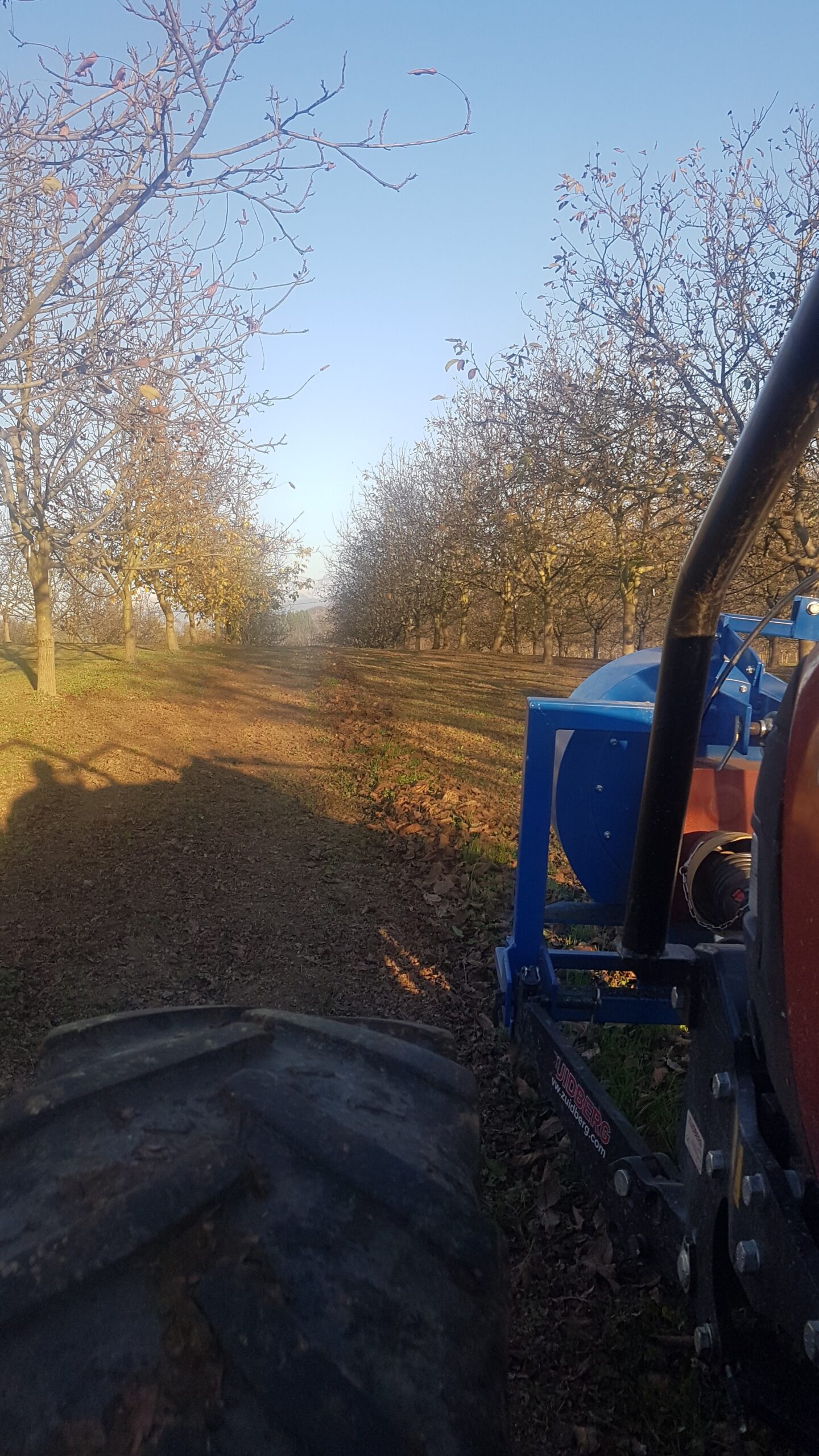
A tractor in a field of walnut trees

Sylvain has just started pruning orchards a few days ago because each tree in production is pruned once every 3 years. He uses pole saws, telescopic saws and sometimes an articulated boom lift to reach the tops of taller trees. This pruning has 3 objectives: to remove dead or broken branches, to promote the supply of light inside the trees to promote photosynthesis, and to allow the passage of agricultural machinery under the trees.
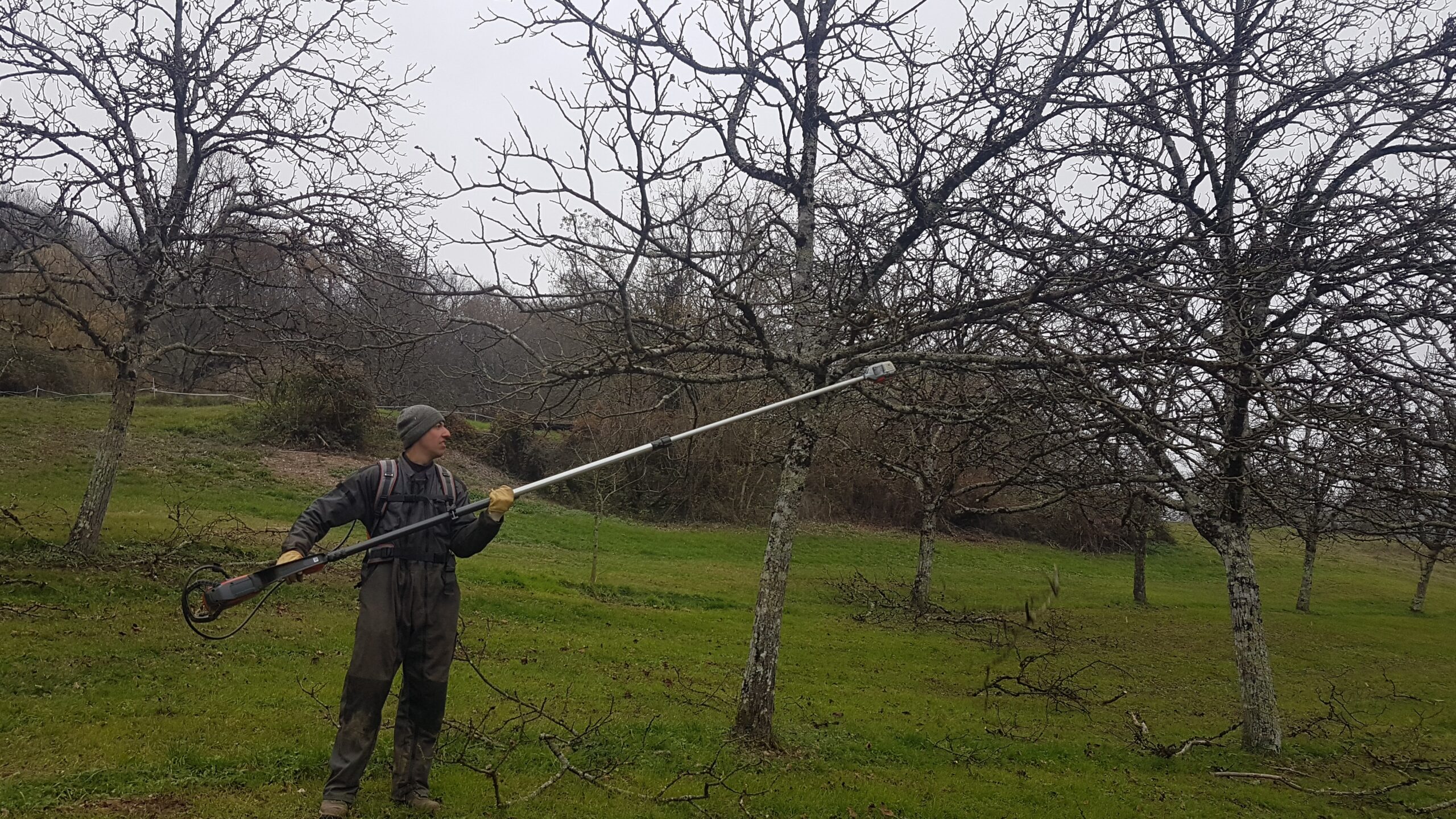
Sylvain Bergerand pruning the walnut trees

We are now preparing the future harvest of 2021 !

For November 2021, the nut boxes will evolve: a jute bag will protect and wrap your nuts and this will avoid mixing the straw with the fruit. Every year, we gradually consolidate our experience to send you the most successful and solid packages possible ! This was not our job at the start and we are happy to be able to do everything by hand while respecting the environment as much as possible.

Thank you to everyone for your adoptions of our walnut trees. We continue to pamper them with great joy every day, to produce the best nuts possible for you. Thank you very much for your positive feedback, it only makes it more motivating !

Whatever happens, we strive to maintain a high taste quality and we hope you enjoy our nuts, with the new jute bags, as well as our walnut oil !

In the meantime, take good care of yourself, and eat lots of nuts ! See you soon,

Sylvain & Clémence from Merveilleuses Noix (Isère in France)

Written by Farmers of CrowdFarming

Farmers of CrowdFarming

Share this content:

Keep digging ...

Field news

3 min

The ‘Mad German’ 40 Years On

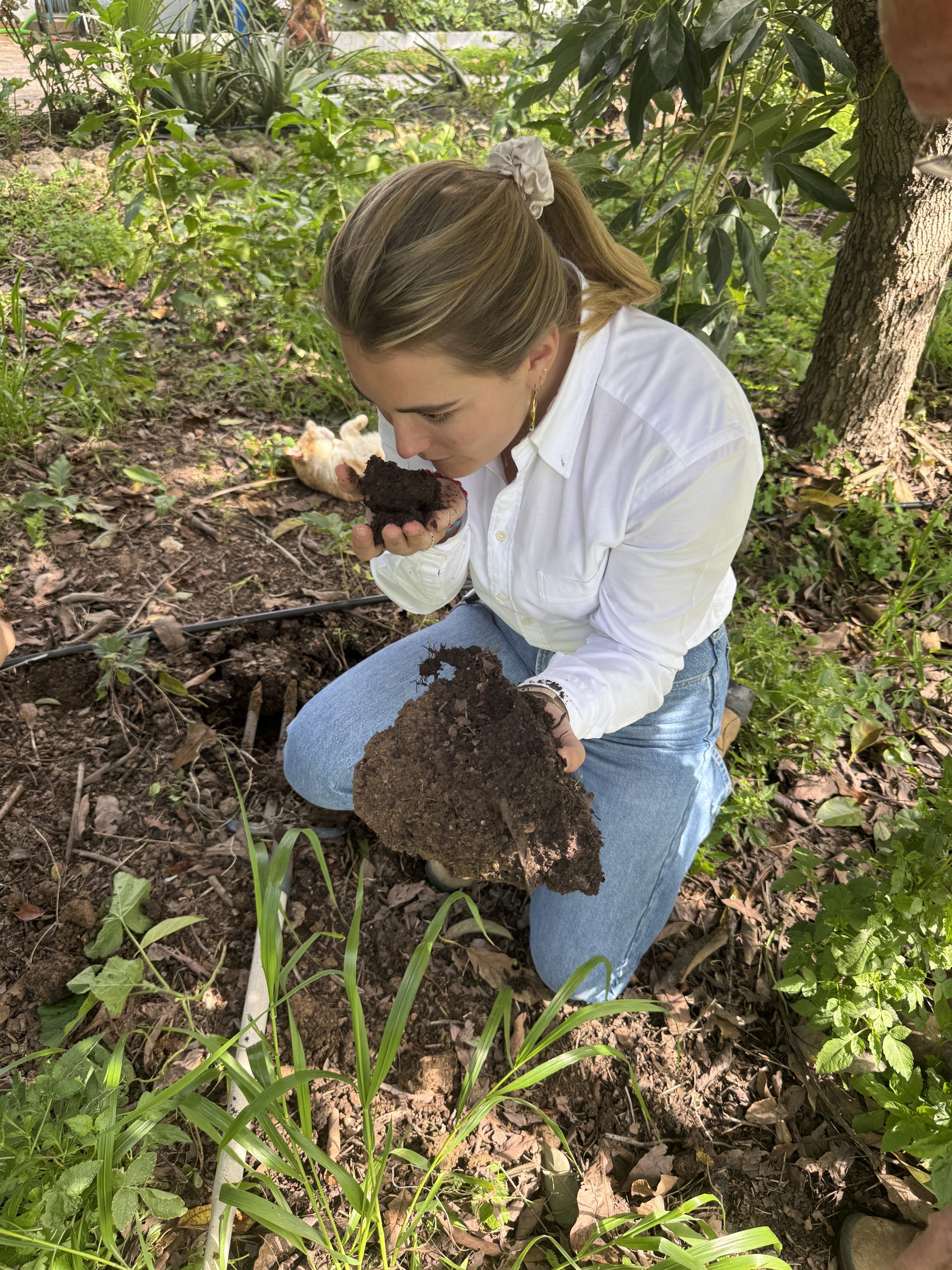
If you take a stroll with Friedrich across his farm near Gibraleón today, the first thing you’ll notice is the noise: a literal wall of birdsong. But behind this idyllic scene lies a radical choice made years ago—one that flew right in the face of convention. Today, having held Demeter certification since 1994, he’s living proof that his “madness” was the only logical response to the crisis facing our soil.Forty years ago, Friedrich fell in love with Finca Jelanisol-Montebello during a trip to Spain. At the time, he was working as a middleman for conventional fruit and veg. Two things happened back then that made him stop and think: A friend gave him a book on permaculture by Bill Mollison, which sparked an idea. While visiting a farm in Italy, he found himself desperately digging for earthworms. When the farmer told him there weren’t any “because you don’t need them,” Friedrich began to question everything. A Holistic Vision: Everything is ConnectedFor Friedrich, farming isn’t an isolated job; it’s part of a much bigger picture. He holds a deeply philosophical, holistic view of the world where everything—from soil microbes to the end consumer—is linked. He doesn’t see his farm as just a production site, but as a living organism where people and nature live in harmony. In his eyes, a peaceful society can only exist if we produce in tune with nature. If we get it right, there’s enough for everyone—we just can’t afford to destroy the foundations.One of the biggest things driving Friedrich is a deep-seated worry about the state of the modern diet. He explains that much of the food we eat today is “empty.” By this, he means conventional produce that, thanks to pesticides and long storage times, has lost any real nutritional value. He lives by the rule: Healthy Soil = Healthy People. Only living, regenerated soil can produce fruit that actually nourishes the body.One of the first things Friedrich did was build a large pond—not for irrigation, but purely for the birds, frogs, ducks, and fish. It also acts as drainage during heavy rain. They produce their own organic fertiliser using microorganisms, supplying the trees with a steady stream of minerals through a drip irrigation system.

Read

Field news

min

The Science Behind the Sweetness

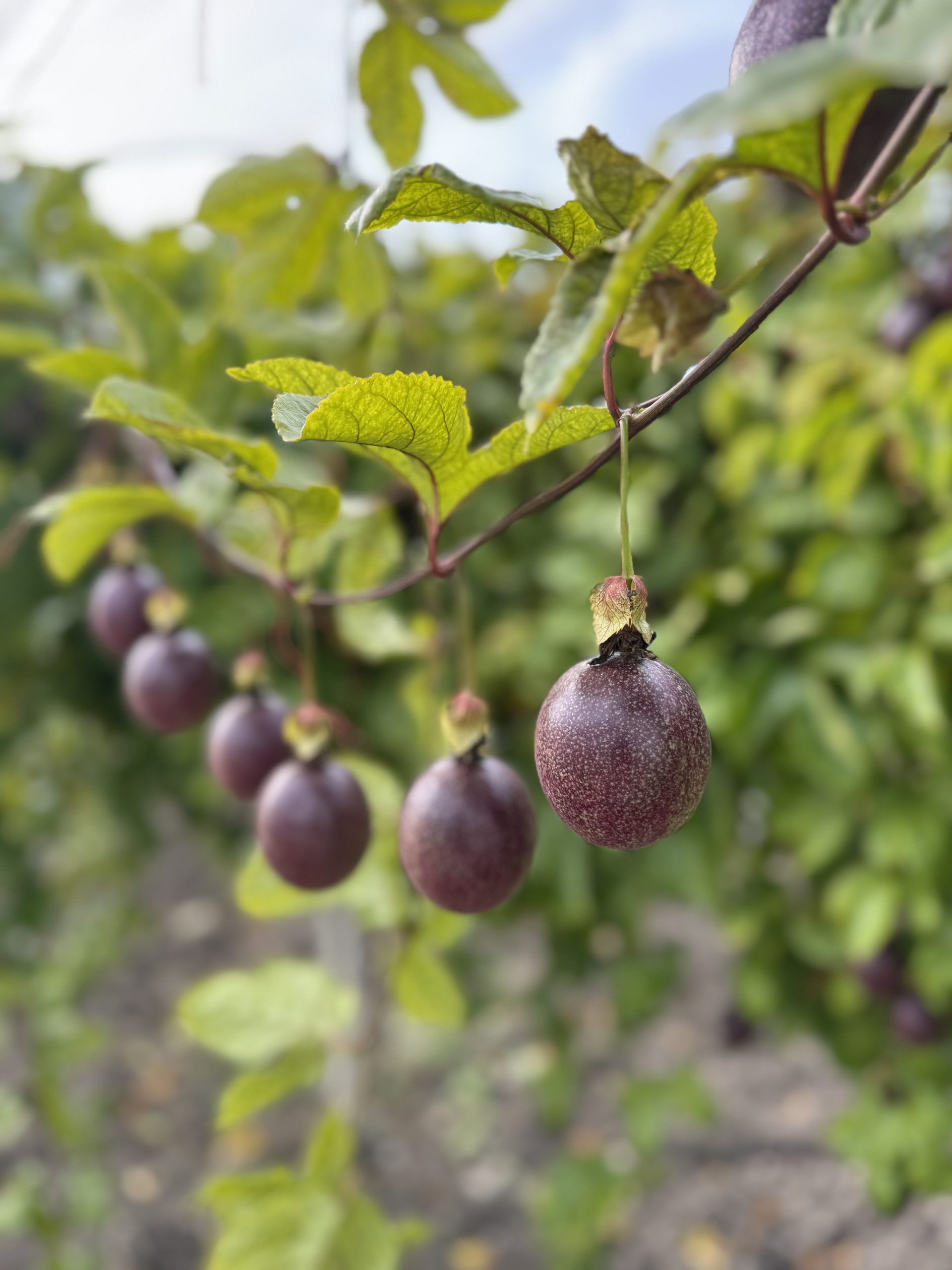
We visited Antonio from Sicilian Passion in Sicily. In a region traditionally known for its citrus fruits, Antonio decided to take a different path several years ago: he grows passion fruit (and even papayas!).Brix value, ensuring that the fruits have reached the required physiological maturity and full aromatic profile. Harvesting only begins once these thresholds are met. In the video below, you can see our colleague Angelo taking these measurements. It’s a lot of fun, because you’re literally looking into the future.Ripening Characteristics and EtymologyAn important quality characteristic of passion fruit is the texture of its skin. Unlike many fruits, here’s the rule: the more pronounced the wrinkling of the fruit, the higher the sugar content. Due to slight evaporation during the ripening process, the fruit sugar concentrates inside, while the acidity subtly decreases. There are two harvests per year – one in the winter months and one in the summer months. Especially in summer, the fruits are “wrinklier” because the liquid evaporates faster due to the heat.Did you know that the name “passion fruit” is derived from Christian iconography? Spanish missionaries in the 16th century interpreted the complex flower structure as symbols of the Passion of Christ. The filaments of the flower were associated with the crown of thorns, the three stigmas with the nails of the cross, and the five stamens with the wounds. In the gallery, you’ll find a picture where this is very clearly visible.

Read