



Published March 2026
Citrus Myths
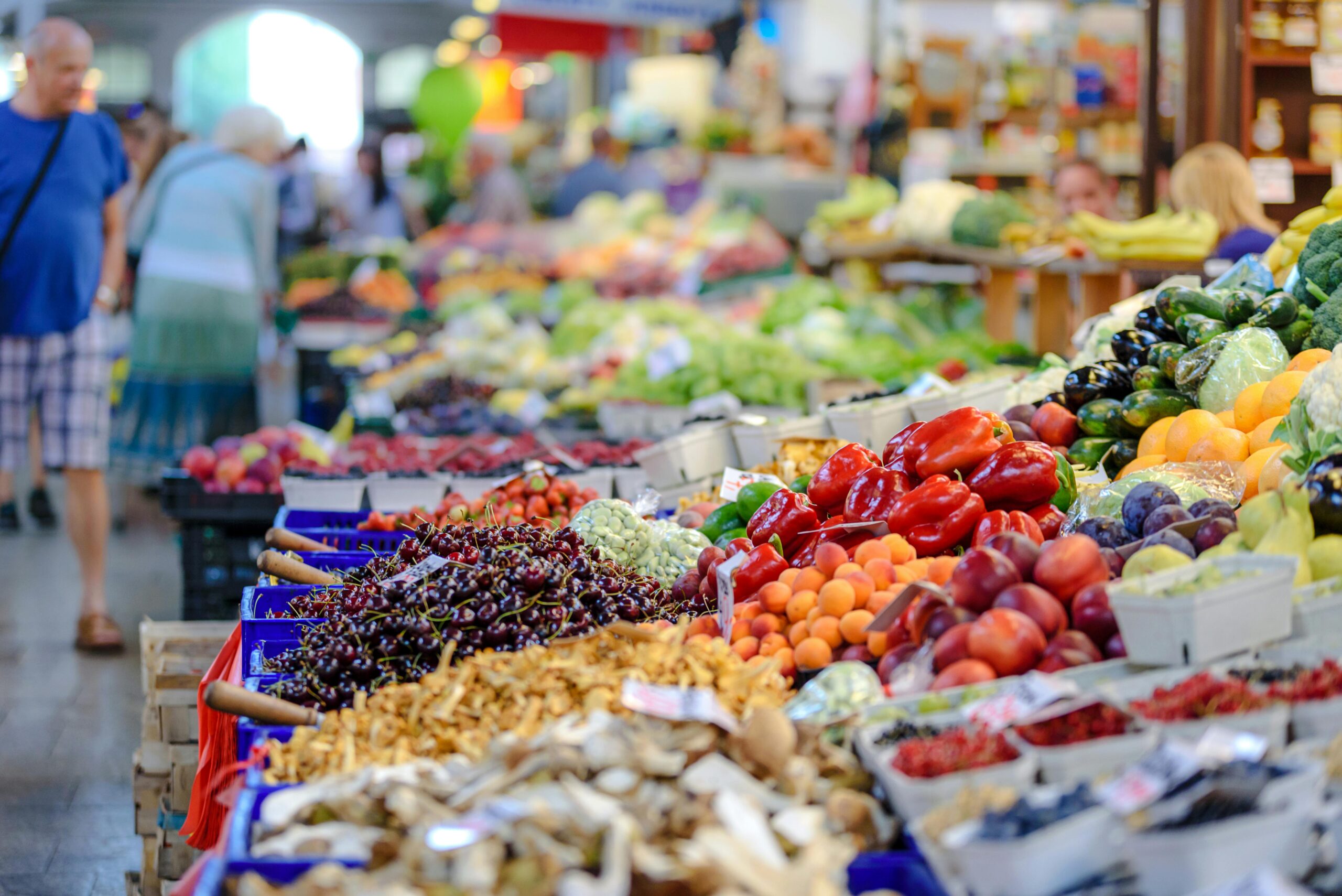
Many food myths may have arisen as a result of the disconnect between the countryside and consumers. Many marketing campaigns to sell food created by people who have never grown it have been successful in confusing consumers with misleading information. In this article, we will debunk some myths about citrus fruits.
What’s the difference between clementines and mandarins?
There is a lot of debate, and we can find contradictory information on the internet. Citrus fruits can easily produce new varieties as a result of natural hybridisation, which occurs by chance. Furthermore, humans have created new citrus varieties (artificial hybridisation) in search of sweeter, seedless, earlier or later ripening fruits.
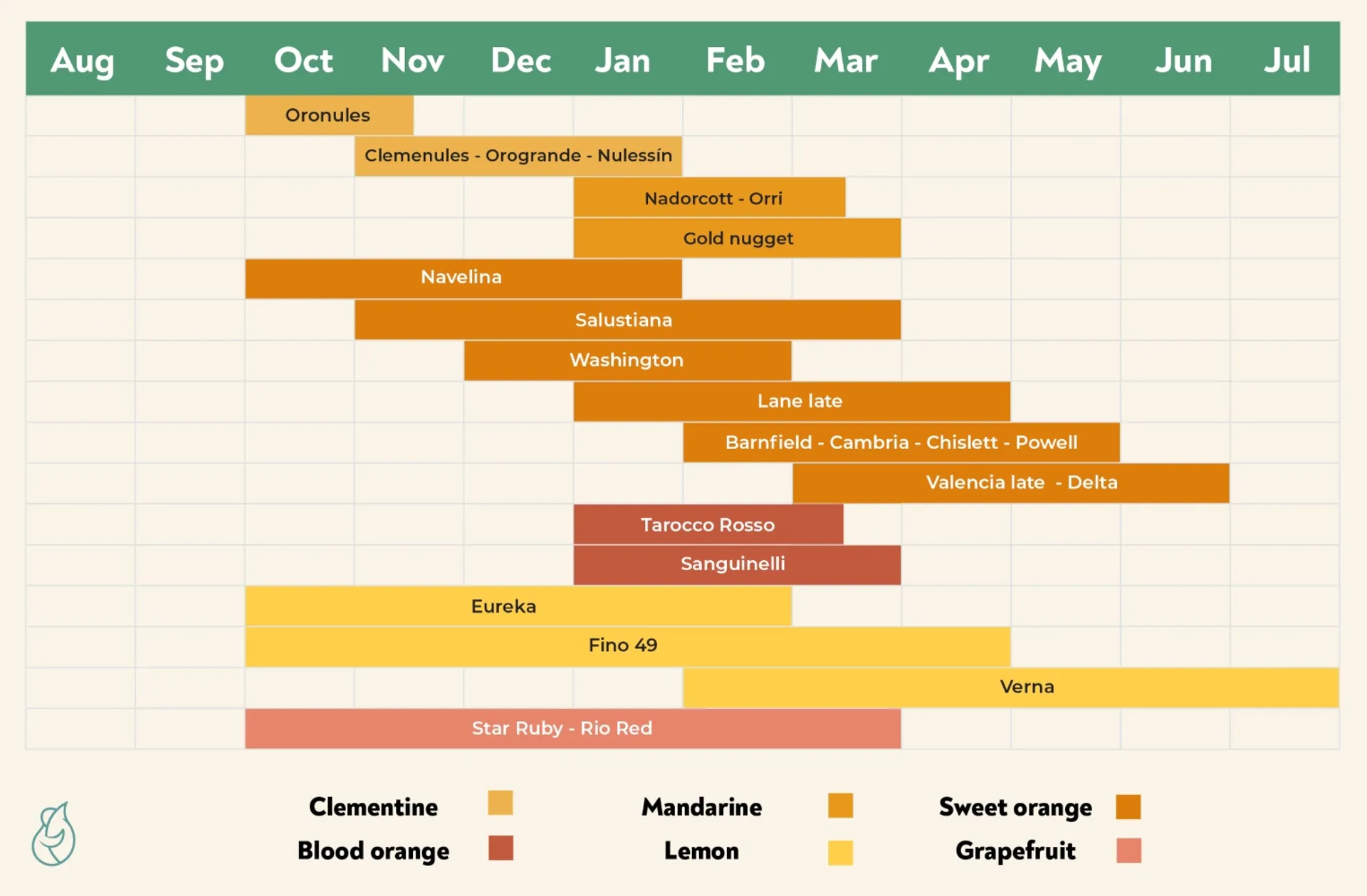
The word mandarin refers to a wide range of varieties, including clementines, which are further subdivided into clemenules, orogrande, and fine clementines. On a commercial level, we usually try to simplify by referring to all citrus fruits of smaller size that are easy to peel as mandarins. It is difficult to tell them apart at first glance, and perhaps the simplest way is by the time of ripening. Most clementines ripen in Europe between November and January, while the other mandarin varieties ripen before or after these months.
Note: after this post was published, one of our readers David Hanke, a former Professor of Botany at Cambridge University, argued that clementines are not mandarins: The origin of the Clementine is not a myth but well-documented. The first plants were obtained by frère Clément Rodier by crossing the Mandarin and the bitter Seville Orange (the reason that Clementine fruit is more acidic than the Mandarin), around the year 1900, near Oran in Algeria. The Clementine is therefore a distinct hybrid and not a type of Mandarin.
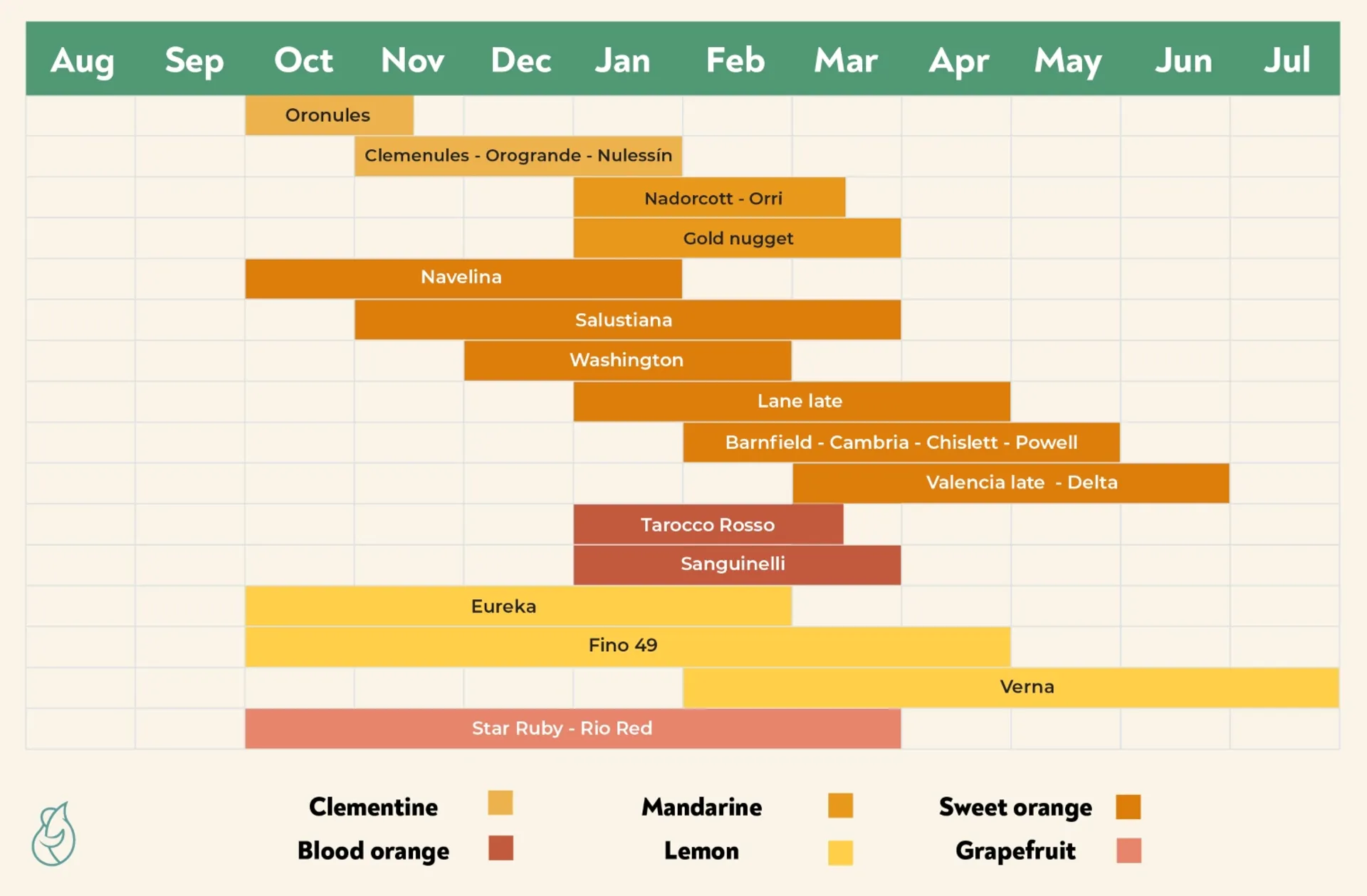
Table oranges or juice oranges
All oranges are suitable for juicing and can be consumed whole. This distinction is the result of a commercial argument. This distinction is less common in the direct sale of organic citrus, as the consumer does not perceive a large or seemingly perfect fruit as a fruit of higher quality. Oranges are classified into three types: white oranges, navel oranges, and blood oranges.
- Traditionally, navel oranges have been considered table oranges, though smaller sizes or those with more damaged skin are sold as juice oranges in supermarkets.
- The white group’s varieties are typically sold as juice oranges. Because their juice lasts longer and is less bitter, many of these oranges are sold directly to the beverage industry. This does not imply that their juice is of higher freshness than the juices of navel varieties.
- Blood orange varieties are typically consumed in juice form. These varieties are distinguished by their reddish flesh. The degree of coloration is determined by both the variety and the thermal difference between day and night.
The amount of juice depends on the type of citrus fruit and its ripeness index. Clementines have a high juice content as well, but due to their small size, they are not widely consumed as fresh juice. A question about the amount of juice in citrus fruits: it is assumed that the longer the fruit ripens on the tree, the more juice it contains. This is true until a certain point in time, when the tree may begin to suck its juice and dry the fruit if the outside temperature rises.
Citrus peel is not shiny
The color or thickness of the peel, the presence of pips, or the sweetness of a citrus fruit are not indicators of its quality. Not even in terms of size. Nature creates each fruit in its own unique way, and each person may prefer it in one way or another. Many factors influence these characteristics, including how much rain has fallen, the temperature, the age of the tree, how it has been pruned, when it was harvested, and the pests it has encountered.
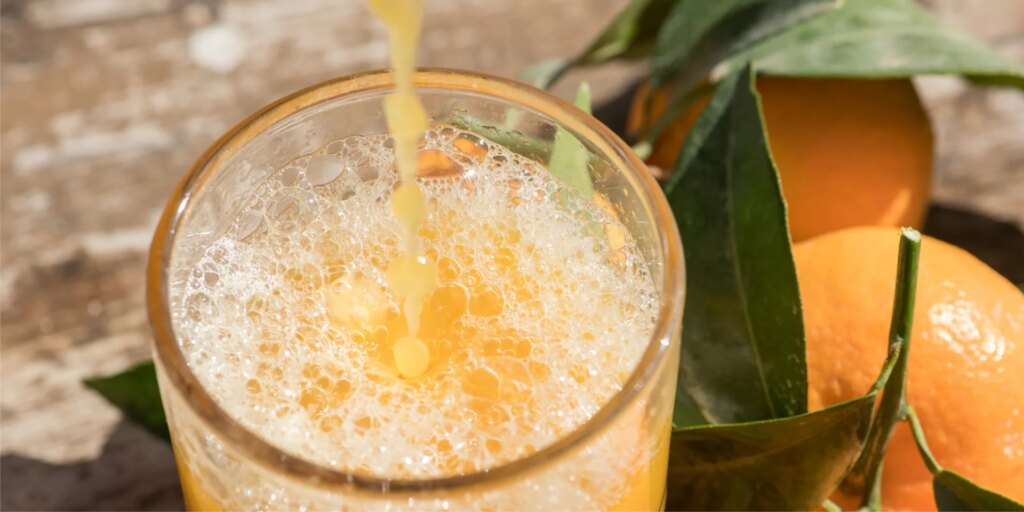
If we want to support sustainable production, we cannot demand aesthetic criteria from the fruit, and we should not believe that an orange will please us more because it appears to be perfect. When a citrus fruit shines, it’s most likely because a post-harvest waxing treatment was used to hide natural flaws and make the skin shine.
At CrowdFarming, we define quality using two criteria: organic and freshness. The higher the quality, the more organic it has been grown and the less time that has passed between harvesting and delivery to your home.
Citrus peel colour and ripeness
Is an orange’s green skin a sign that it isn’t ripe? No, not always. It is an indicator that can lead us astray in some cases. Oranges, clementines, and lemons that we can eat before the cold weather arrives usually ripen before their skin has reached a completely orange (in the case of oranges and mandarins) or yellow tone (in the case of lemons).
The temperature difference between day and night causes the skin’s colour to change continuously. When the outside temperature rises, the tree’s roots must absorb more water, incorporating more nitrogen. When the weather cools, water absorption decreases and nitrogen concentration decreases, causing the green hue to fade. The reversible transformation of the chloroplasts of the exocarp (skin) into chromoplasts causes the skin to turn from green to orange. This transition is caused by the concentration of carbohydrates within the orange as well as the nitrogen content of the peel (more nitrogen, more green). This is a potentially reversible process that occurs in late oranges (those harvested from April to June). The heat causes the tree to absorb more water and nitrogen, and its skin to turn from orange to green.
Sour or sweet citrus fruits
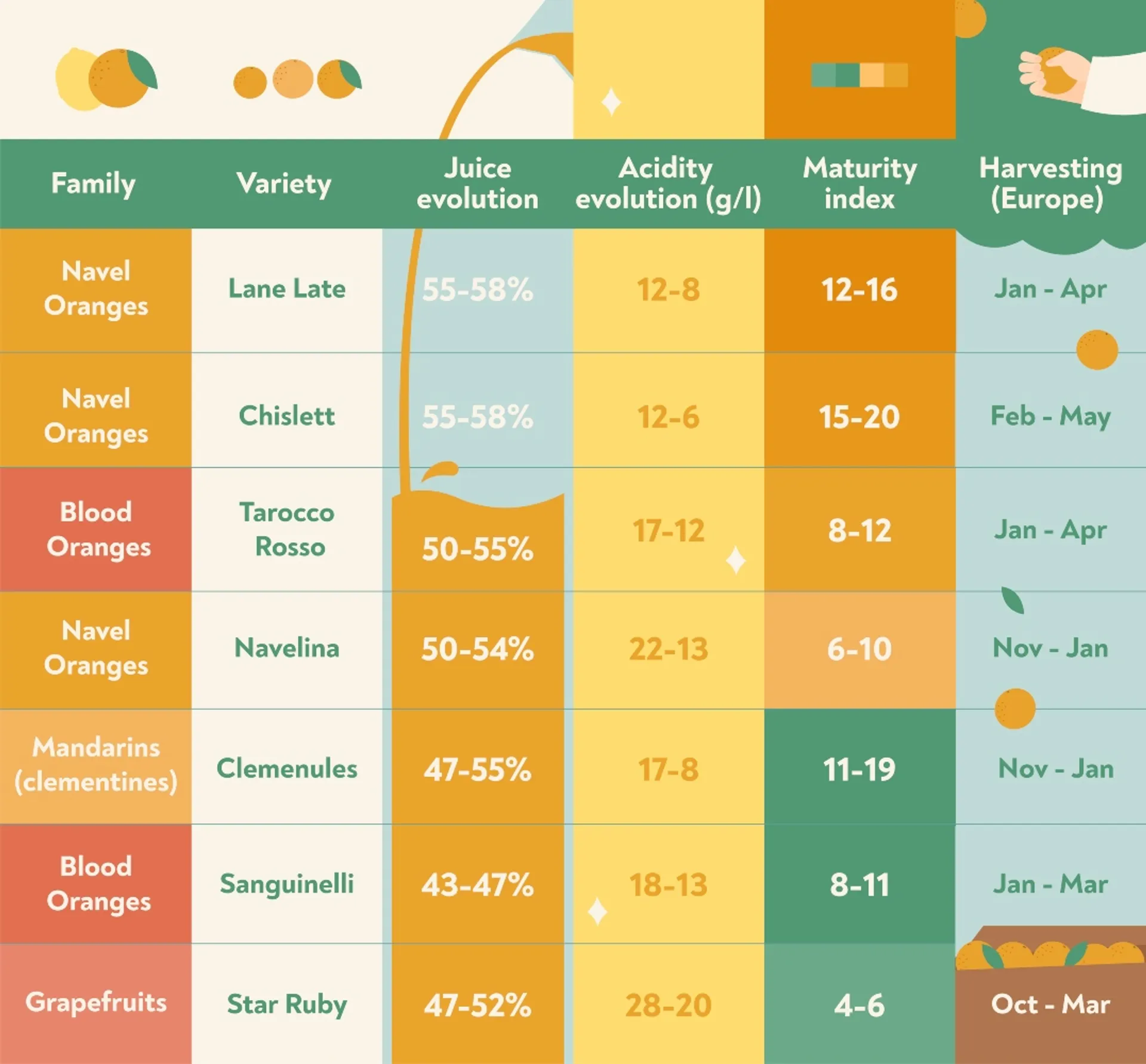
It is difficult to categorize citrus fruit as sweet or sour because it depends on when it is harvested and the tastes of the individual. Citrus fruits all contain Citric Acid, which gives the fruit a higher or lower level of acidity depending on its concentration, but oranges and mandarins are thought to have a lower acidity than lemons or grapefruit. The edibility of the fruit is usually correlated with the sugar-to-acidity ratio rather than just the sugar-to-acidity ratio. Citrus maturity standards are typically expressed as a ratio of total soluble solids to acidity, both measured in weight over fresh weight.
The flavour of an orange is stronger and the aroma is more intense in the first few days after it is picked from the tree. This can lead us to believe that the orange is not ripe. As the days pass, the acidic flavour fades and the aroma fades.
Citrus fruit can travel from the tree to the consumer’s home in a short period of time thanks to direct sales between growers and consumers. This introduces new flavors to consumers who are accustomed to eating fruit that used to take weeks, if not months, to arrive on supermarket shelves (especially in northern Europe).
Written by Gonzalo Úrculo

Gonzalo es un "farmeneur". Como cofundador de CrowdFarming y agricultor, divide su tiempo entre la oficina y el campo. Además de la agricultura, disfruta leyendo y escribiendo sobre productos digitales y logística y discutiendo sobre su impacto en la cadena de suministro de alimentos.
Keep digging ...