"Not all animals can live on grass alone. Free-range pigs in the Iberian Peninsula's dehesa need supplements in summer because they simply can't eat dry grass." — Orgo Team (Portugal)
Published March 2026
Grass-fed meat is turning our relationship with the organic label on its head
As we prepared to integrate meat and egg producers into CrowdFarming, we began consulting with farmers who share our values—mostly leaders of the regenerative movement in Europe. We discovered that many operate on the fringes of the organic label. This article explores the main hurdles these producers face when advancing regeneration while maintaining organic certification.
Before we dive in, let’s be clear: organic regulations represent a massive leap forward compared to industrial farming. Today, it is the best tool available at a European level to guarantee a common framework of ecological practices—such as animals living cage-free, having access to the outdoors, and being fed without pesticides or GMOs—which allows us to identify the farmers who strive to carry them out and ensures transparency for those who choose to consume food produced this way.
We could look the other way, but we prefer to navigate this uncomfortable terrain between regeneration and certification. We prefer to take a stand on what isn’t working; we owe it to our organic and regenerative producers and to the readers and consumers who trust us. We owe it to the organic movement, which has given us so much. We believe that being unconditional fans is not how we are most useful, but rather by conveying these challenges so that we can evolve together.
What does our food eat, and why does it matter?
How does an organic animal live and die?
How can we reward—instead of punish—regeneration?
The crux of the matter: What does our food eat?
Before we talk about certifications, we need to talk about biology. To understand the impact of the meat we eat, we must first ask ourselves what the natural state of these animals is and what they should be eating according to their evolutionary history.
The “natural” menu of herbivores and omnivores
Ruminants (like cattle and sheep) are made to eat grass: they have a digestive system biologically designed to ferment cellulose. In nature, this doesn’t consist of a monoculture of alfalfa, but a mega-diverse ecosystem. A wild ruminant forages daily on an enormous variety of grasses, legumes, herbs, and shrubs that provide the nutrients and essential oils it needs.
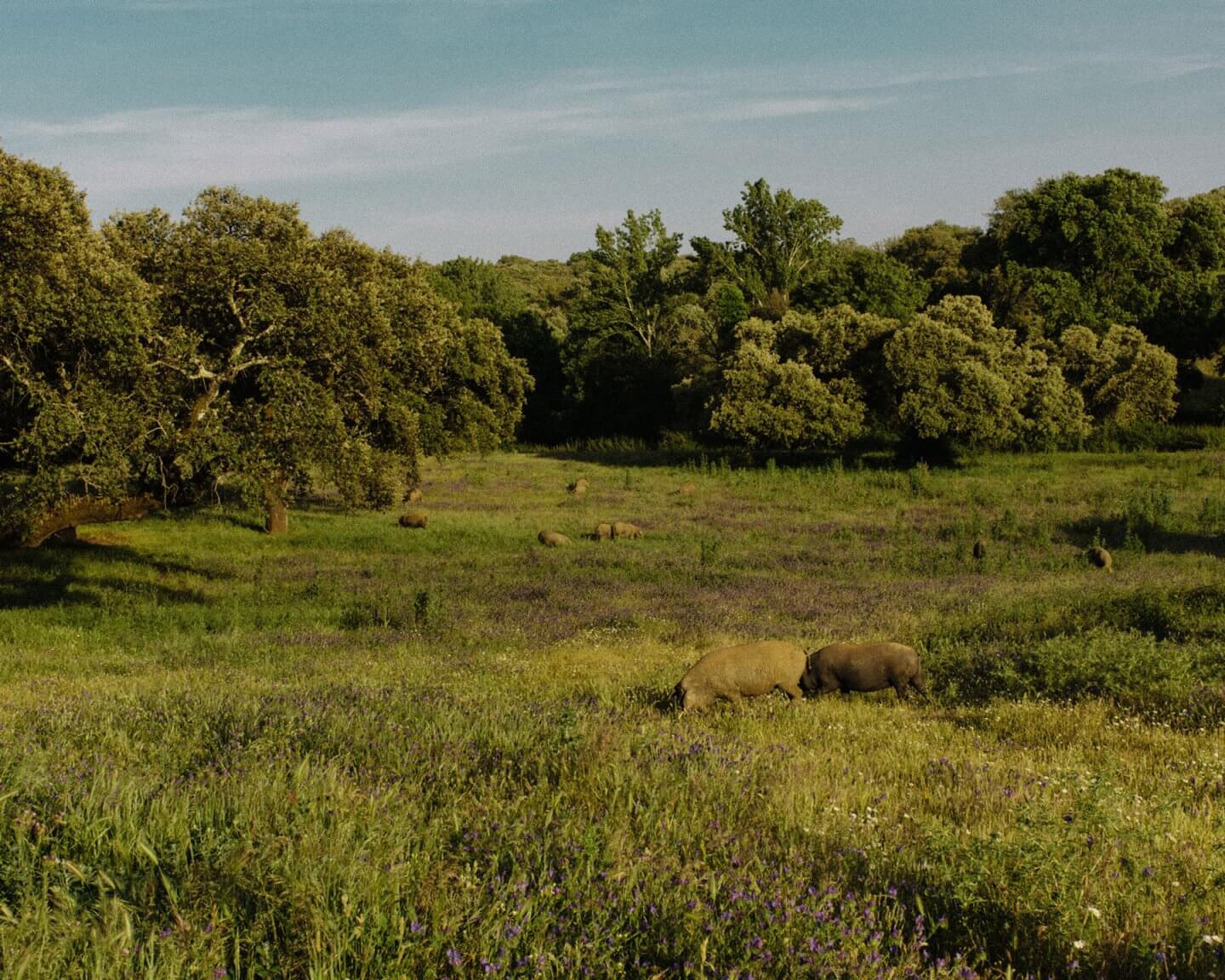
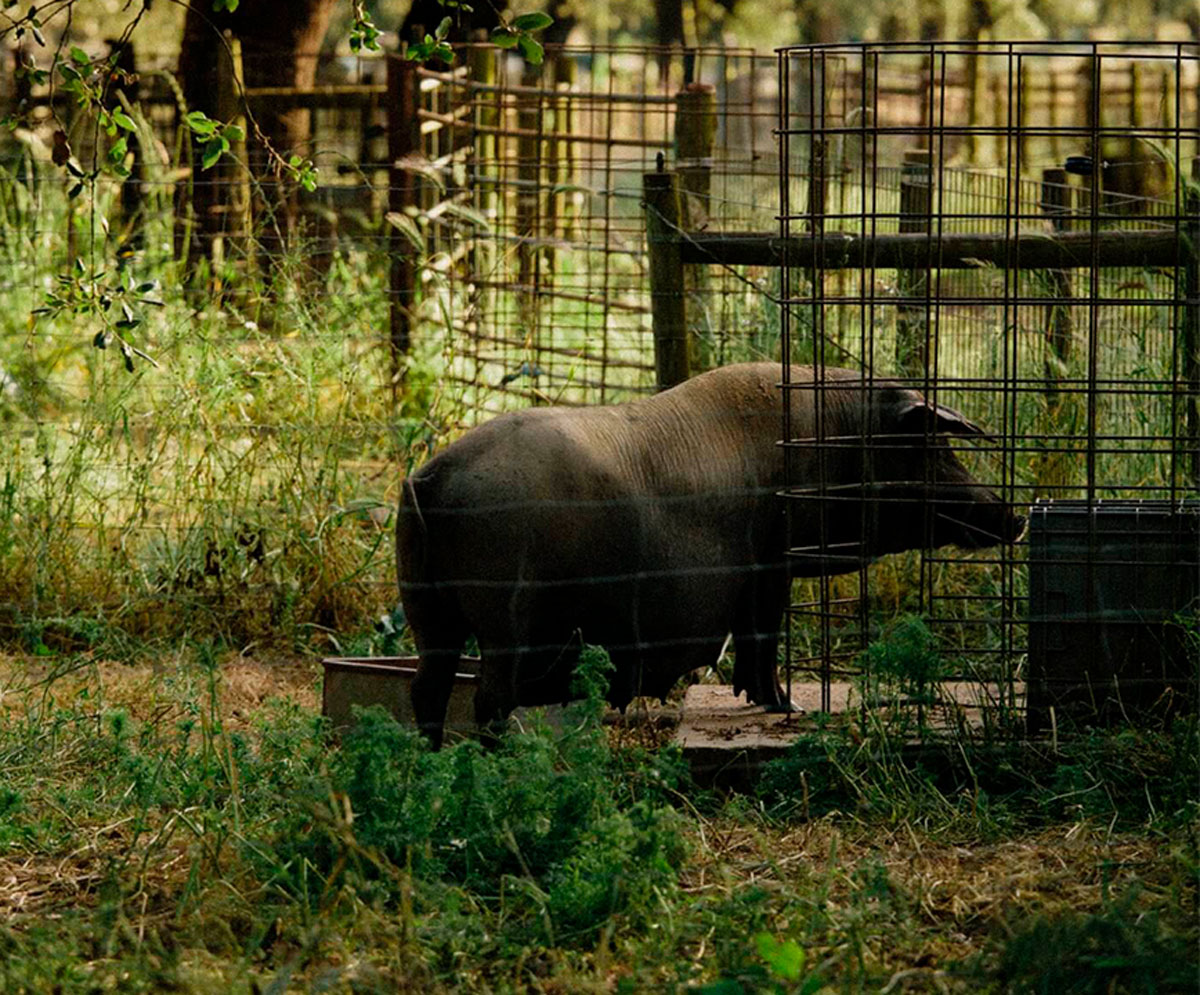
On the other hand, pigs and chickens are omnivores (just like us). However much they live in the countryside, they cannot survive on grass alone; they need an extra source of protein, which they used to find naturally in the soil. A pig roots around in the earth in search of roots, tubers, fungi and fruits (such as acorns), whilst a hen actively forages, scratching around in search of insects, earthworms and wild seeds.
Straight to the grain (and the soy dilemma)
Organic regulations have done a great job of ensuring that the majority of herbivores’ diet consists of natural forage (at least 60–70%). However, for farmers who rely entirely on pasture, the remaining 30% allowed to be supplemented with organic feed and cereals makes a significant difference.
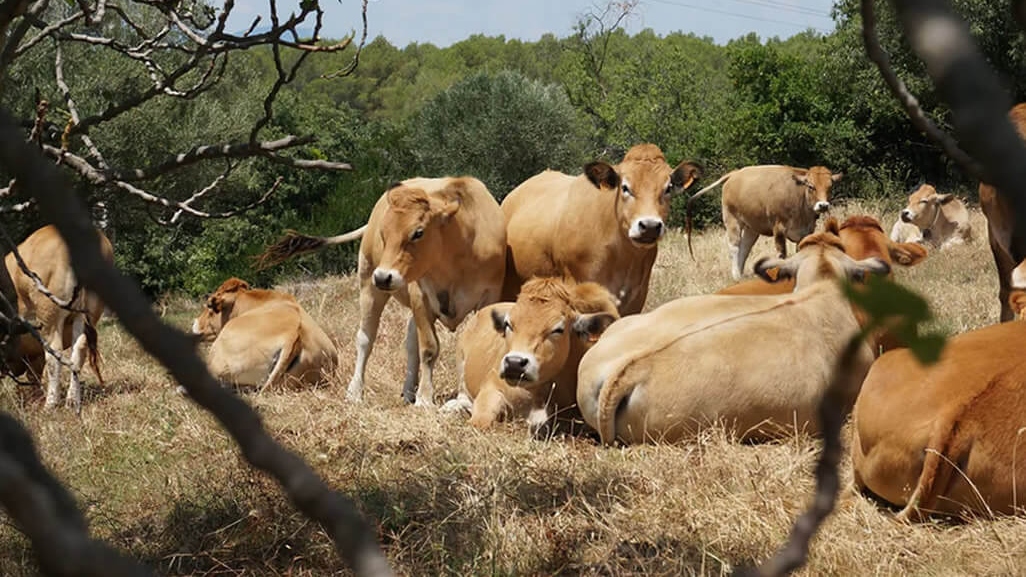
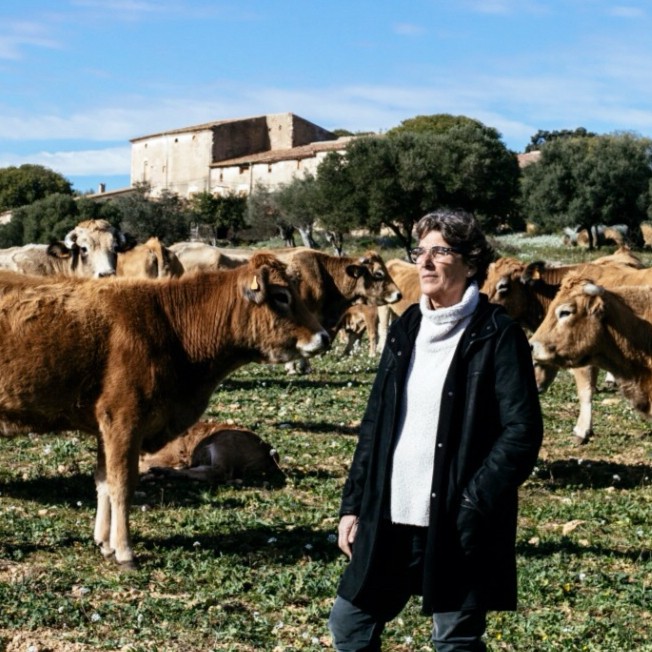
"It's purely an economic issue. Organic certification allows feeding a cow grain and starch to artificially accelerate its fattening, allowing the animal to be slaughtered at 10 months. A 100% pasture-based diet requires 20 to 30 months of slow growth, and all that means more costs per animal." - Marisa Reig, Biograssfed.
A cow eating 100% grass doesn’t just mean opening the gate to the field. It requires water, land, and an extreme level of dedication. Benedikt Bösel, from the Gut & Bösel farm (Germany), summarises it as a 24/7 commitment. This effort mimics the movement of wild herds, guaranteeing the necessary rest periods to avoid overgrazing and achieve real soil regeneration.
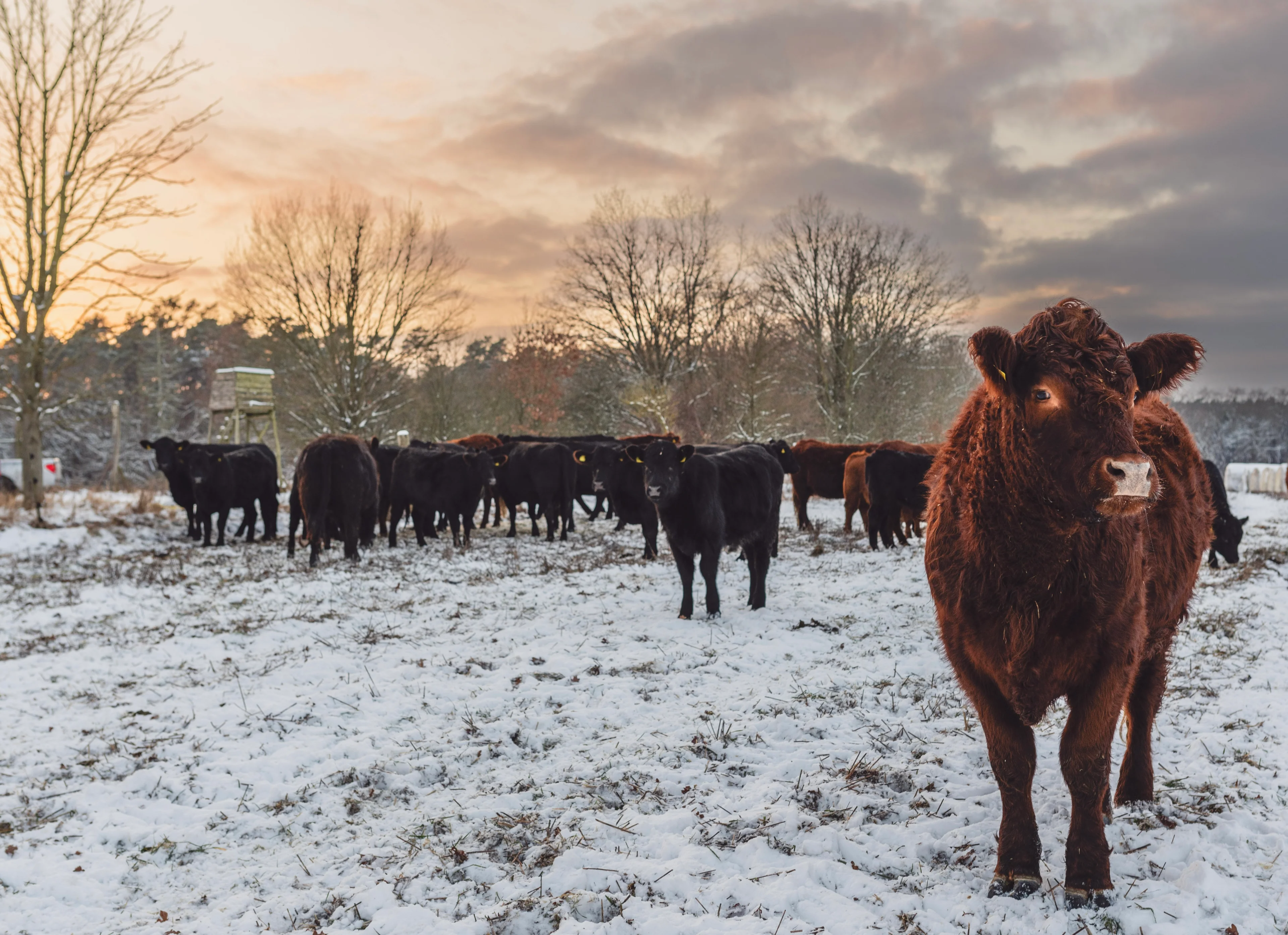
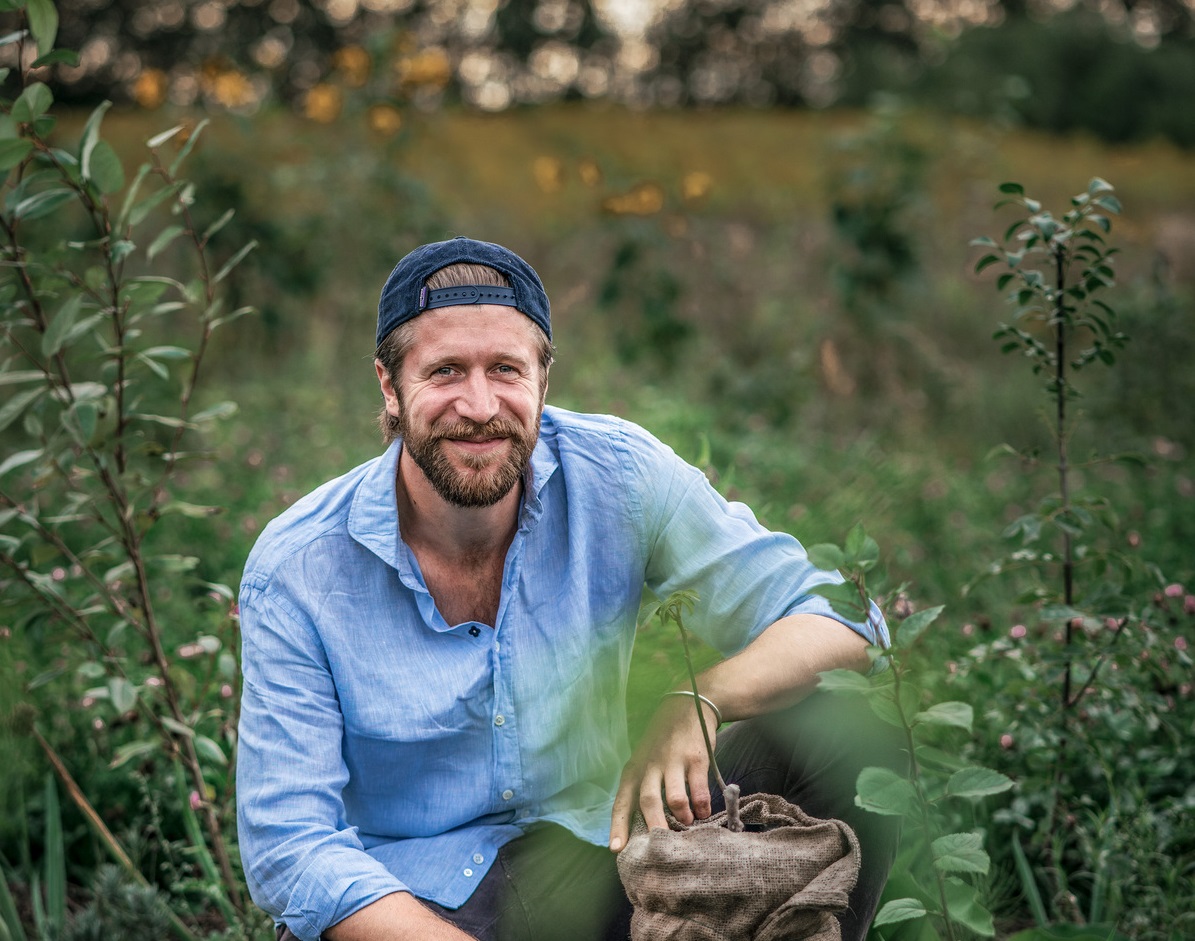
"We work with mobile fences that we reorganise daily, so that the cows move from one plot to another several times a day." — Benedikt Bösel, Gut & Bösel farm (Germany)
For omnivores, the modern substitute for those insects, seeds, and wild roots is soy. José Luis, head of the regenerative poultry farm Poultree, illustrates the sector’s great paradox: the chicken needs soy because it is the most balanced and digestible vegetable protein. However, the European Union produces barely 3% of the soy it consumes, and the little organic soy grown in Europe is destined for human consumption (vegetable drinks and vegan processed foods) at very high prices. This pushes organic farmers to choose between importing certified soy from Latin America or consuming local soy and losing their certificate.
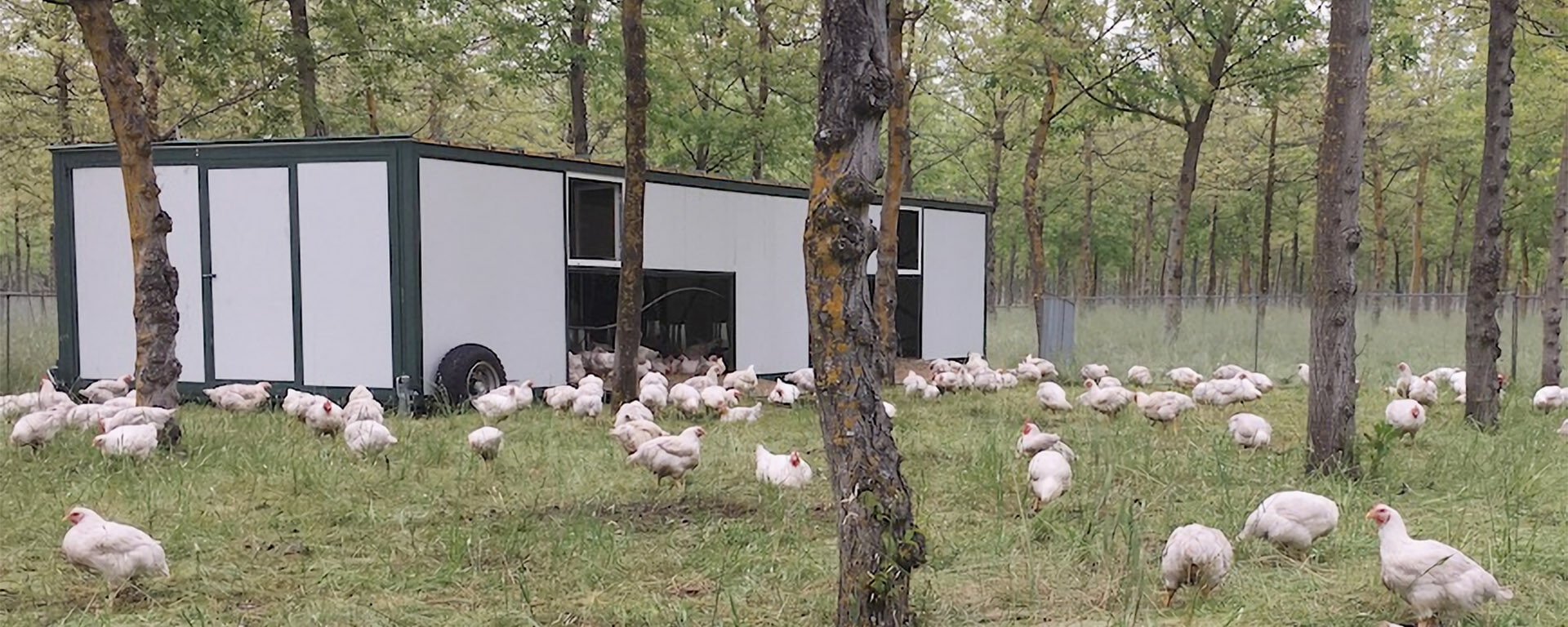
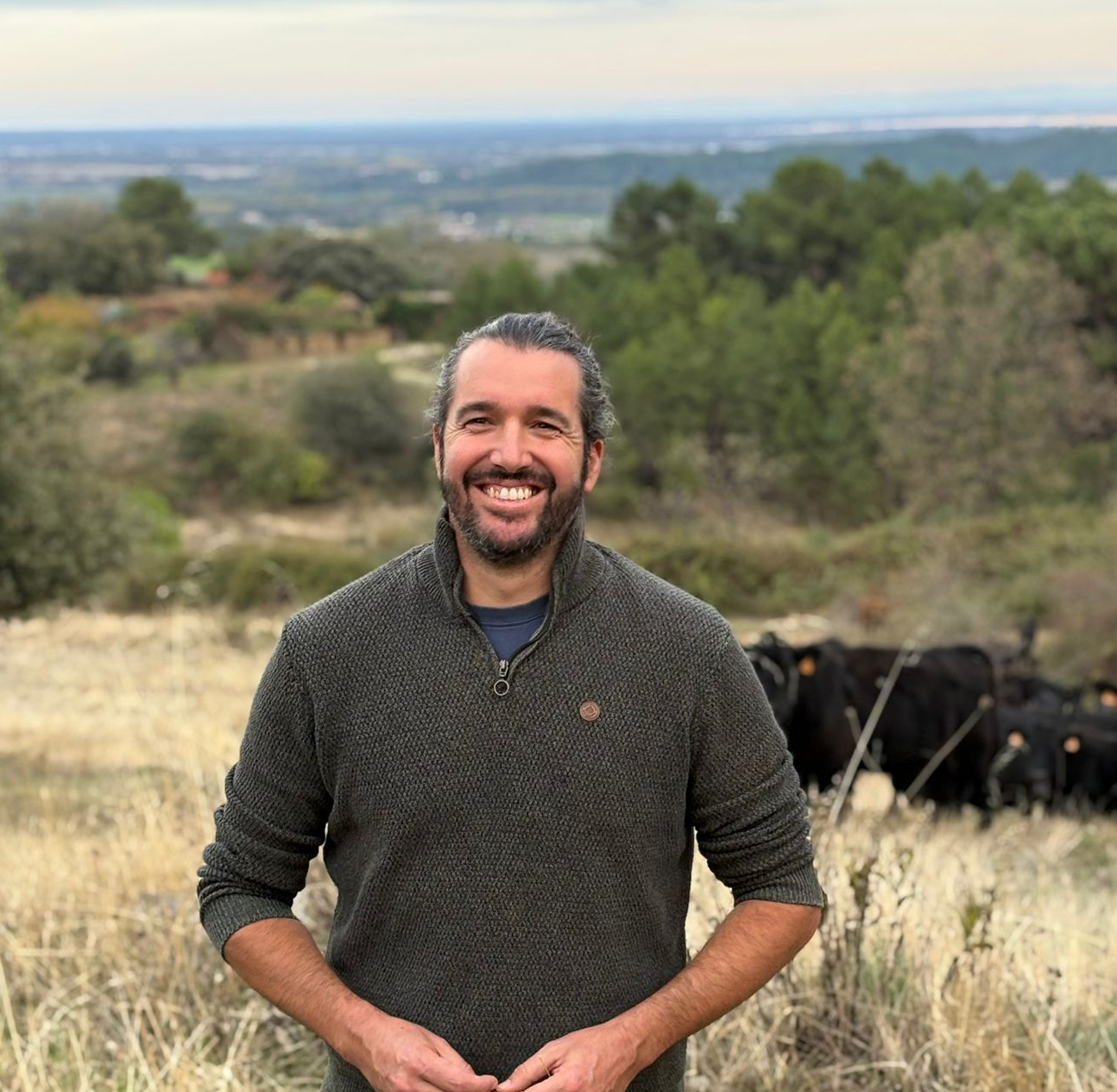
"Why not just raise chickens without soy? Because biologically and economically it's almost impossible. Eliminating it from the diet would push costs to an unviable €58 per chicken and result in tougher, darker meat, making it very difficult to find a market." — José Luis (Poultree)
And why does what our food eats matter?
Health doesn’t understand labels, it understands biochemistry.
When a ruminant abandons mega-diverse pasture and is fed industrial grain-based diets—even if it’s organic grain—the composition of its fat changes drastically. Its meat accumulates an excess of Omega-6 fats (which in excess are pro-inflammatory) versus healthy Omega-3s, reaching harmful ratios of 14 to 1 (Duckett et al., 1993; Simopoulos, 2010).
In contrast, when we return the animal to its natural 100% pasture diet, this ratio drops to optimal levels below 2 to 1, an anti-inflammatory balance comparable to wild salmon or oily fish (Daley et al., 2010; French et al., 2000). Additionally, that natural diet based on living forage boosts the density of vitamins A and E and multiplies cardioprotective fats (CLA) by two or three (Daley et al., 2010). In short: the animal’s diet is the line that separates a nutritious food from an inflammatory one.
This nutritional superiority and life in motion completely change the structure of the meat, forcing us to re-learn how to eat it. As Marisa Reig (Biograssfed) summarises: “Meat from animals fed with feed tastes like feed. On the other hand, an animal that has fed on a diverse pasture produces meat full of nuances.”
How does an organic animal live and die?
But biology not only dictates what the animal eats, but also its own genetics.
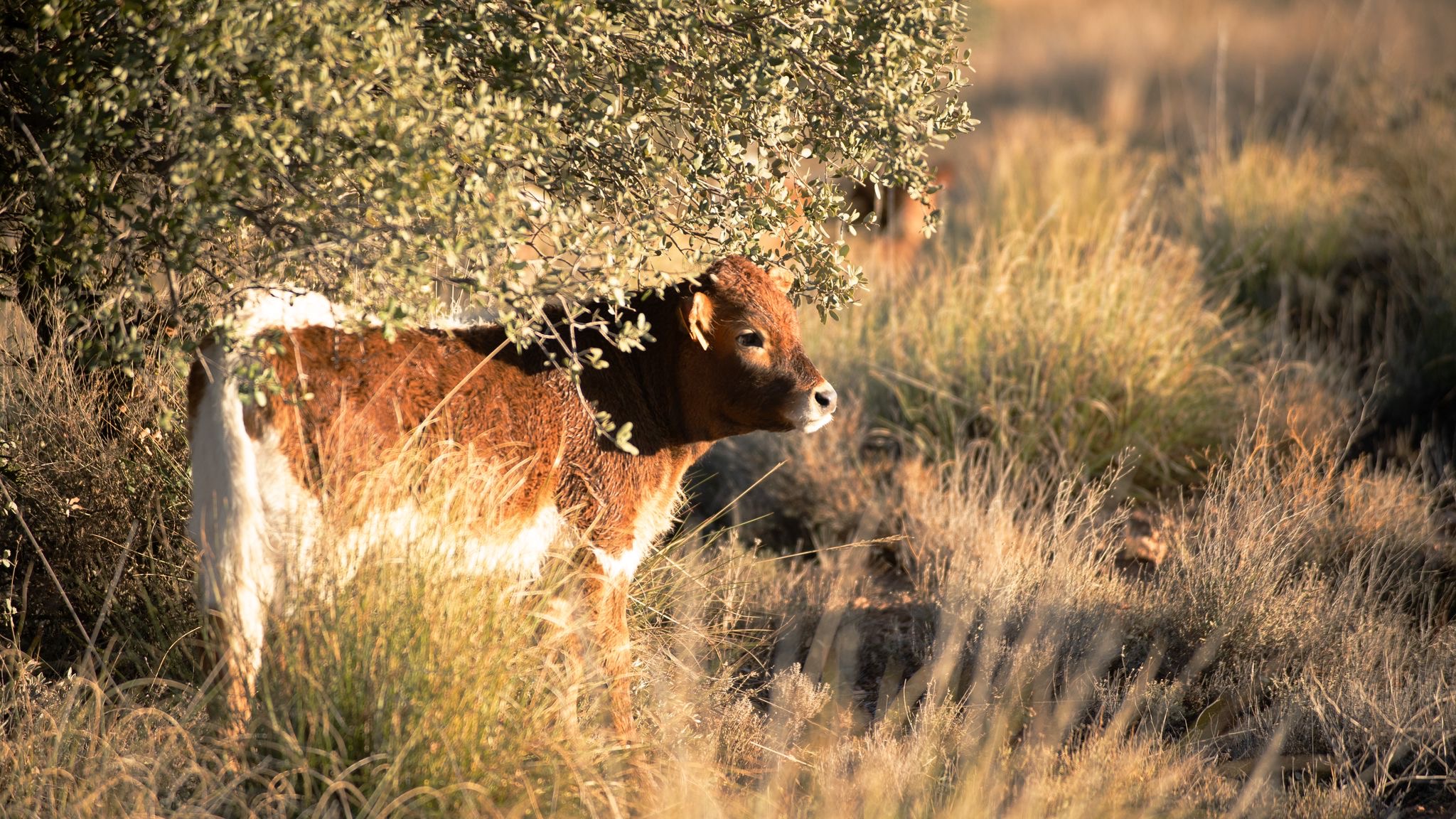
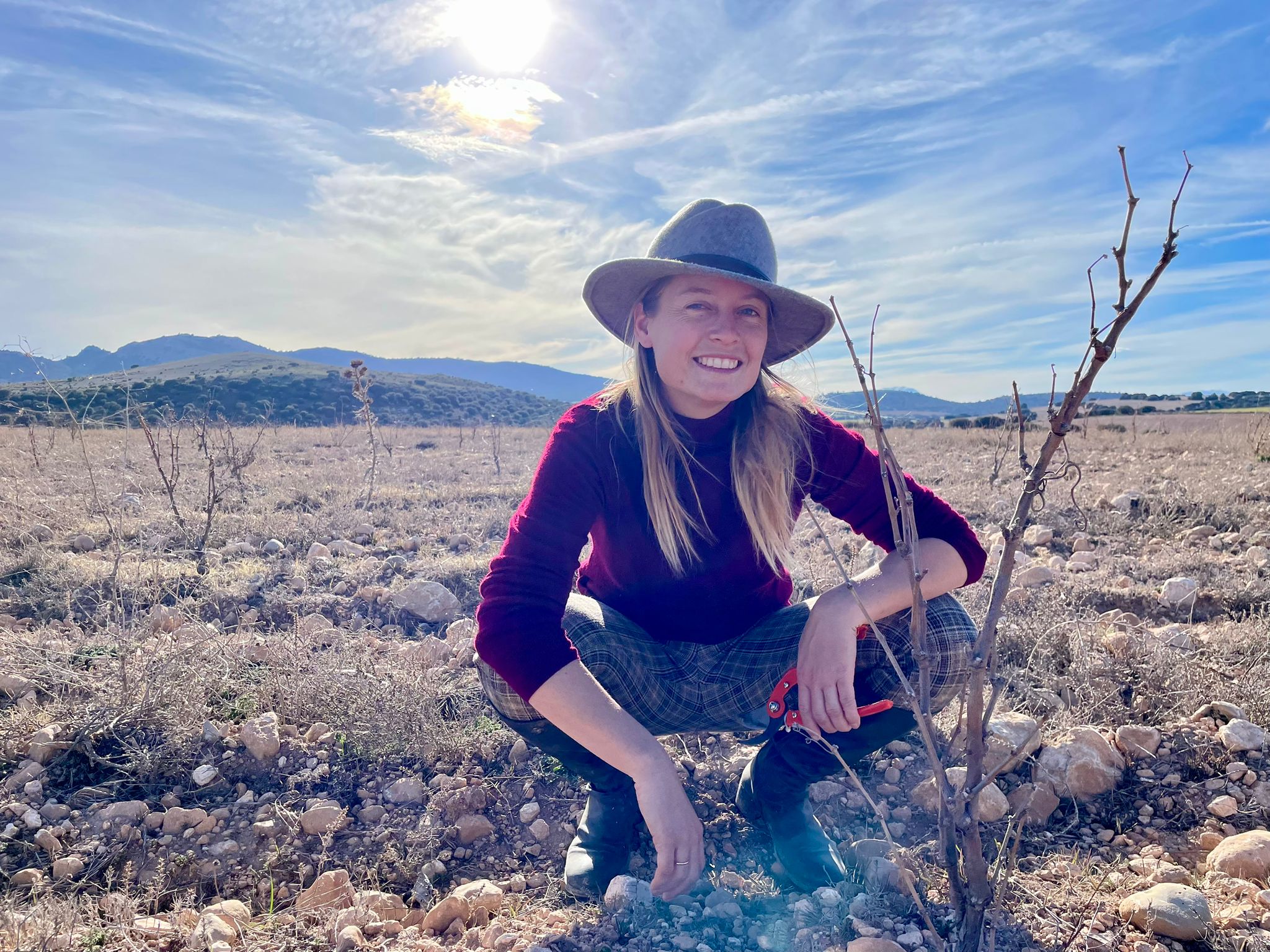
"To recover the native Murcia Levantina cattle breed, we made the decision to introduce breeding stock that don't come from organic farms. We won't be able to sell organic meat this year." La Junquera, Spain
Organic conversion periods in livestock farming can last 12 months or more, an essential safeguard to ensure that the animal is free of any previous conventional practices. However, this creates difficult paradoxes for regenerative pioneers. For example, at the La Junquera farm, they decided to bet on recovering the Murcia Levantina cow, a rustic native breed ideal for grazing, but of which there are barely any specimens left and no organic breeders existed. By prioritising genetic biodiversity and ecosystem health, they voluntarily assume that necessary conversion period, giving up selling their meat under the organic seal during that year.
At the level of animal welfare, the organic seal is an indisputable guarantee compared to the conventional system: it prohibits cages and always requires that animals, such as pigs or birds, have guaranteed access to outdoor yards so they can “express their natural behaviours.” However, when we look at the regenerative vanguard, we see that biology pushes standards one step further.
While the organic standard allows outdoor access to take place in a fixed pen (whose soil, due to constant trampling, can lose its plant cover), regenerative models prioritise constant rotation over living pastures. As Guiomar, an organic and regenerative farmer in Spain, warns, the problem with this system is that “by not rotating the livestock and staying fixed in a shed, they are always stepping on the same ground which ends up being destroyed instead of regenerated.”
The organic slaughterhouse odyssey
Animal welfare is not only about how an animal lives, but also how its last day is. Beyond ethics, the stress of transport generates cortisol, causing the meat to lose its water retention capacity, making it darker, tougher, and drier. To avoid this suffering and the deterioration of the meat, a farmer—regardless of the importance they give to animal welfare—would logically prefer to choose the local slaughterhouse 20 minutes from their farm. However, if that municipal slaughterhouse is not organic-certified, taking the animal there means automatically losing the seal.
Strict organic regulations for traceability and separation in slaughterhouses and cutting plants are fundamental to avoid fraud and protect the consumer. The problem is not that the rule is bad, but that it is increasingly difficult to access local slaughterhouses that are also willing to become organic-certified.
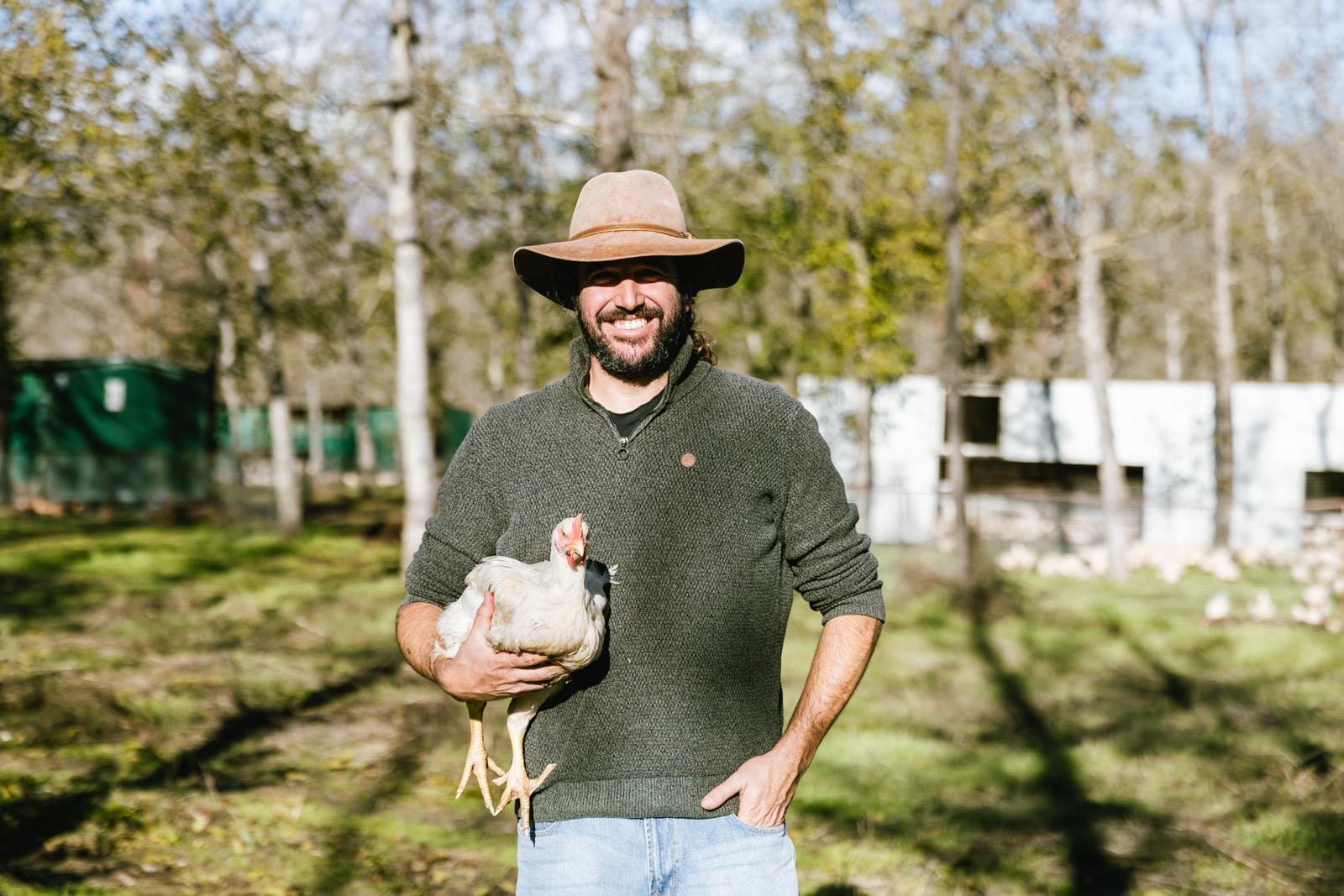
"The chicken sector—and this applies to other animals too—is in the hands of large integrating companies that have their own slaughterhouses and don't slaughter for third parties. There are fewer and fewer local options, and requiring them to open an organic line is a documentary hassle of parallel traceability and physical separation that they don't want to take on." — José Luis (Poultree, Spain)
But the bottleneck doesn’t end at the slaughterhouse; the “cutting plant” and the butcher’s where they are processed must also be certified. And if the seal survives this far, and the producer wants to make burgers or sausages to sell all their organic meat, they face one last wall: 95% of the ingredients must be certified. As farmer Guiomar laments, for something as simple as adding garlic powder to a burger, she has to find a supplier of large quantities with the official seal.
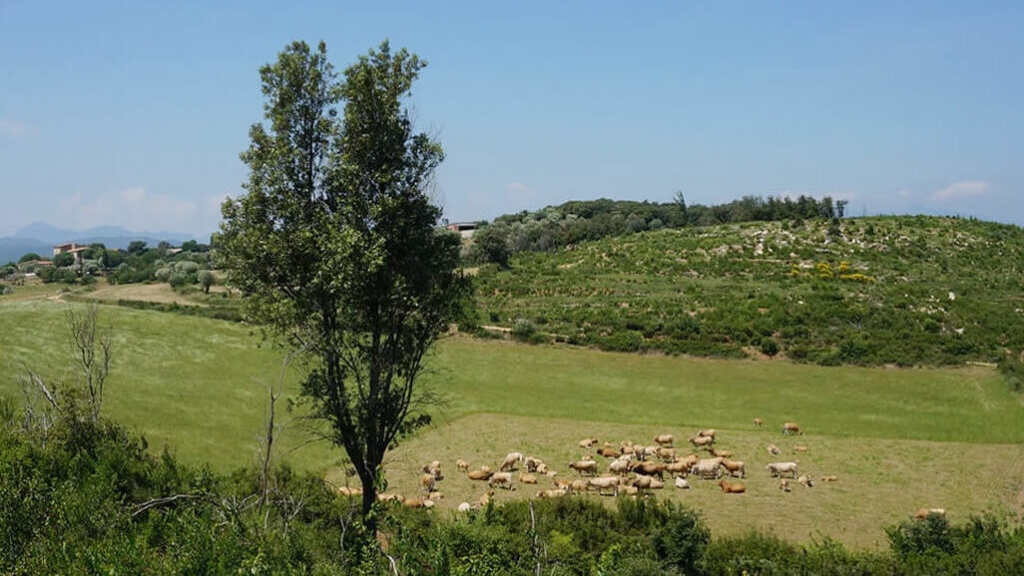
"The customer has the right to know exactly what they're eating." - Marisa Reig (Biograssfed)
Marisa explains that the problem is those who see it only from the producers’ perspective—where they only see bureaucracy—instead of seeing it as consumers. For Marisa, 100% of the ingredients should be organic-certified. Although some say she is “fundamentalist,” she defends it as the only way to return decision-making power to the consumer.
Hacking the final day
Faced with these logistical and bureaucratic limitations, the most pioneering producers of the regenerative movement are looking for radical alternatives to completely eradicate the transport phase. In Portugal, the Orgo team is promoting the use of mobile slaughterhouses—units costing around €300,000—that travel from farm to farm to “slaughter the animals with low stress” in their own environment and process the meat locally. In Germany, they have gone a step further thanks to more flexible regional regulations and have opted to shoot the livestock directly in the field.
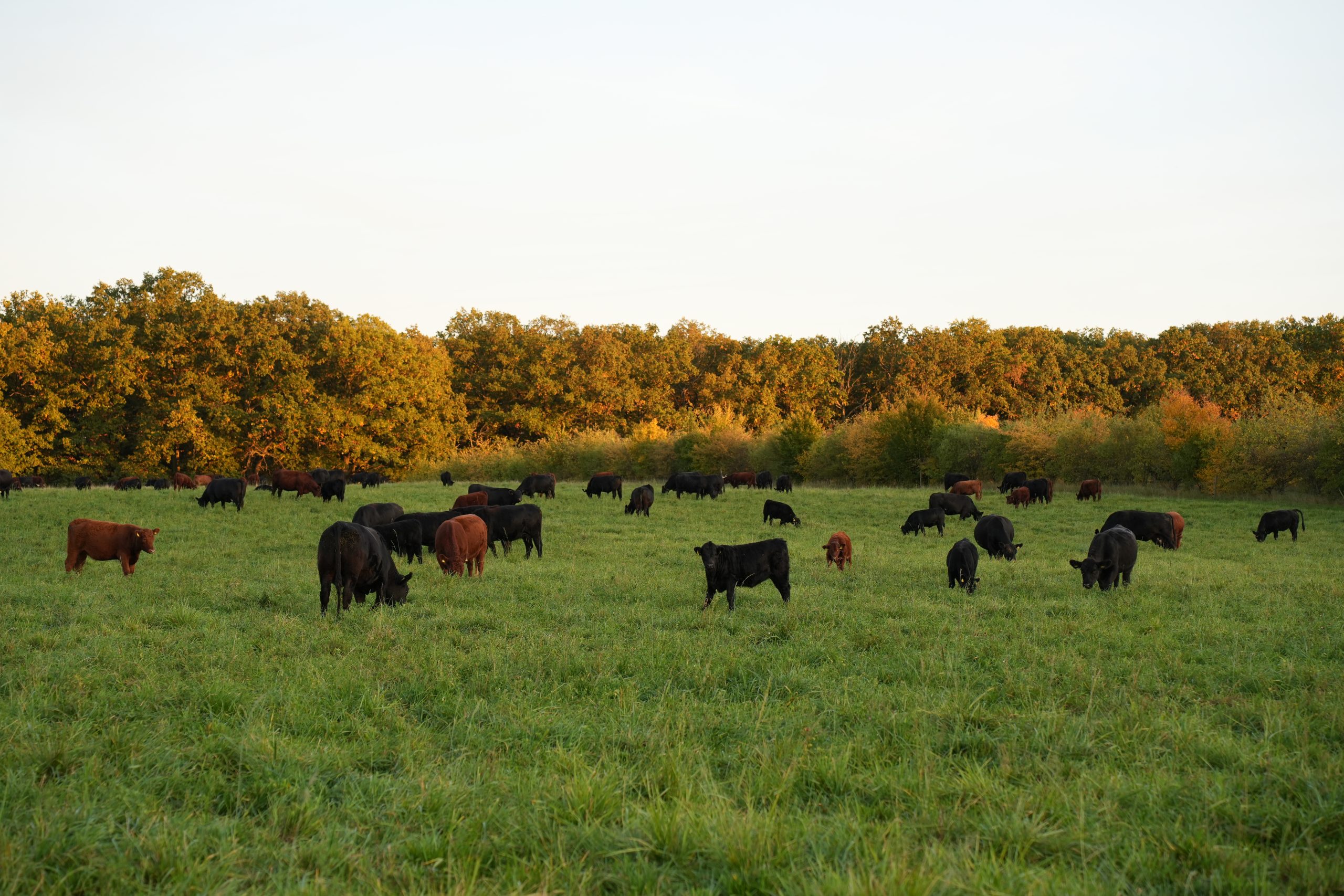
"They never see the inside of a truck. They never have to go through the slaughterhouse." — Gut & Bösel (Germany).
Faced with the impossibility of finding organic facilities, producers like Marisa Reig (Biograssfed) have been forced to set up their own organic cutting room on the farm and even a butcher shop in a nearby town, which they eventually had to close because it wasn’t profitable.
How can we reward—instead of punish—regeneration?
We know that soil regeneration depends on the integration of agricultural and livestock systems: returning animals to the land so they close the nutrient cycle—either literally or by replicating it somehow (fertilizing with compost to mimic their manure, or knocking down cover crops to emulate the trampling that retains moisture). Practices like having a flock of sheep clean vineyard rows and fertilize the soil, or having livestock graze forests to prevent fires, are fundamental to recovering European soils.
As if that weren’t enough, this agro-livestock integration offers us invaluable ecosystem services for the whole of society, capturing CO₂ from the atmosphere and storing it in the earth (Stanley et al., 2018; Teague et al., 2016) while improving fertility, turning the soil into a sponge protecting us against droughts, floods (Fließbach et al., 2007; Zani et al., 2021) and multiplying biodiversity (Tallowin et al., 2005; Yang et al., 2019).
Despite all these benefits, anyone who wants to put it into practice runs headlong into regulations that aren’t designed for complexity.
The paper can’t handle everything
When a farmer, not without some trepidation, decides to introduce livestock among their crops, they face a bureaucratic deluge, added to economic uncertainty: the fear that integrating animals or grazing forests will cause those lands to stop counting as “eligible agricultural area” for CAP subsidies. These farmers seek to mimic nature’s processes, where animals and plants coexist. However, the legal system and the CAP rigidly divide land use between what is strictly “agricultural,” “livestock,” or “forestry.”
It’s undeniable that large regulatory structures have their function. The organic label remains the best tool we have at the European level to guarantee a common framework of permitted practices. For its part, the Common Agricultural Policy (CAP) has played a historic role supporting the sector and could become the main lever to promote a transition that economically rewards the environmental services these farmers provide to society.
But as Marisa points out, the model to follow shouldn’t be a label of bureaucratic “minimums,” but a system that drives evolution. Examples like the Savory Institute, which requires soil analyses every 5 years to demonstrate real and continuous ecological improvement, or CrowdFarming’s regeneration index, show us the way to reward positive impact, not just compliance with criteria.
Faced with the limitations of these systems, complementary ways are emerging to validate and reward the effort of these pioneers.
If you don’t believe it, come see it
José Luis (Poultree) perfectly illustrates this paradigm shift. Although he raises his cows in a regenerative model (100% grass-fed), he has decided not to certify his beef as organic. He recognises that certifying ruminants is much more accessible—their diet is 100% pasture and they don’t depend on importing organic soy from Latin America—but he simply doesn’t need the seal. By explaining his management transparently, he has managed to shift between 500 and 600 chickens a week and about 10 or 12 cows a month.
In the end, as Marisa points out, radical transparency—and each person’s conscience—is the only way; if a producer lies about their management “they’ll know it when they go to bed and, well, they can be reported too.” The consumer has the power to pick up the phone, call their producer, and directly ask how they raise their animals. In fact, at their Can Genover farm they’ve gone a step further, rehabilitating old neighborhood houses to accommodate people interested in learning about the ecosystem. Ultimately, this radical transparency generates a level of trust and security that no paper audit can match.
Alongside direct sales, these producers are promoting Participatory Guarantee Systems (PGS) or “self-audit” models within the collective itself. The proposal, already applied by organizations like the Association of Grass-Fed Livestock Producers (DeYerba) in Spain, is based on community validation. Instead of an external inspector unfamiliar with the reality of the countryside, it’s the network of farmers itself that evaluates, audits, and accepts their peers’ practices.
“An experienced livestock farmer only needs to ask a handful of key questions (about water availability, land area, livestock numbers and feed) to know whether another farmer is actually feeding their animals a 100% grass-based diet.” – Marisa Reig. Biograssfed.
The challenge of scaling trust
When trying to open this model to the general public, the question that looms is inevitable: are these systems solid enough on their own to truly allow scale and ensure trust at a distance?
While self-auditing may work at a local level, bringing it to a large-scale European market poses challenges and requires complementary mechanisms, such as organic certification itself and protocols to measure the real impact on the ecosystem, which allow us to certify not only what is not done, but the tangible impact.
Perhaps the system of the future does not involve discarding certifications or making them even more complex, but building upon them. That on that solid legal base, we all also assume our responsibility. That producers become once again the guardians of how to produce, auditing each other, sharing knowledge and raising the organic and regenerative bar of the collective. And that we, as a society, be the guardians of what we consume, taking an interest in the origin of our food.
Sources
European Parliament and the Council of the European Union. (2018). Regulation (EU) 2018/848 of the European Parliament and of the Council of 30 May 2018 on organic production and labelling of organic products and repealing Council Regulation (EC) No 834/2007. Official Journal of the European Union.
Daley, C. A., Abbott, A., Doyle, P. S., Nader, G. A., & Larson, S. (2010). A review of fatty acid profiles and antioxidant content in grass-fed and grain-fed beef. Nutrition Journal, 9(1), 10. https://doi.org/10.1186/1475-2891-9-10
Duckett, S. K., Wagner, D. G., Yates, L. D., Dolezal, H. G., & May, S. G. (1993). Effects of time on feed on beef nutrient composition. Journal of Animal Science, 71(8), 2079-2088.
French, P., Stanton, C., Lawless, F., O’Riordan, E. G., Monahan, F. J., Caffrey, P. J., & Moloney, A. P. (2000). Fatty acid composition, including conjugated linoleic acid, of intramuscular fat from steers offered grazed grass, grass silage, or concentrate-based diets. Journal of Animal Science, 78(11), 2849-2855.
Simopoulos, A. P. (2010). The omega-6/omega-3 fatty acid ratio: health implications. OCL – Oilseeds and fats, Crops and Lipids, 17(5), 267-275.
Fließbach, A., Oberholzer, H. R., Gunst, L., & Mäder, P. (2007). Soil organic matter and biological soil quality indicators after 21 years of organic and conventional farming. Agriculture, Ecosystems & Environment, 118(1-4), 273-284.
Stanley, P. L., Rowntree, J. E., Beede, D. K., DeLonge, M. S., & Hamm, M. W. (2018). Impacts of soil carbon sequestration on life cycle greenhouse gas emissions in Midwestern USA beef finishing systems. Agricultural Systems, 162, 249-258.
Tallowin, J. R. B., Rook, A. J., & Rutter, S. M. (2005). Impact of grazing management on biodiversity of grasslands. Animal Science, 81, 193-198.
Teague, W. R., Apfelbaum, S. I., Lal, R., Kreuter, U. P., Rowntree, J. E., Davies, C. A., … & Byck, P. (2016). The role of ruminants in reducing agriculture’s carbon footprint in North America. Journal of Soil and Water Conservation, 71(2), 156-164.
Yang, Y., Furey, G., & Lehman, C. (2019). Soil carbon sequestration accelerated by restoration of grassland biodiversity. Nature Communications, 10.
Zani, C. F., Gowing, J., Abbott, G. D., Taylor, J. A., Lopez-Capel, E., & Cooper, J. (2021). Grazed temporary grass-clover leys in crop rotations can have a positive impact on soil quality under both conventional and organic agricultural systems. European Journal of Soil Science, 72, 1513-1529.
Written by Cristina Domecq
Cristina Domecq is the Head of Impact at CrowdFarming. She operates where the boardroom, the field, and social conversations converge, convinced that the clues to fixing the food system are revealed in that intersection. Her goal is to achieve a behaviour change that sticks—a mission that only works if both farmers and consumers are truly on board.
Comments
Keep digging ...