Looking for more? 

We’re just an email away.

Field Notes

5 min

Published March 2026

From the barn to the treasure chamber

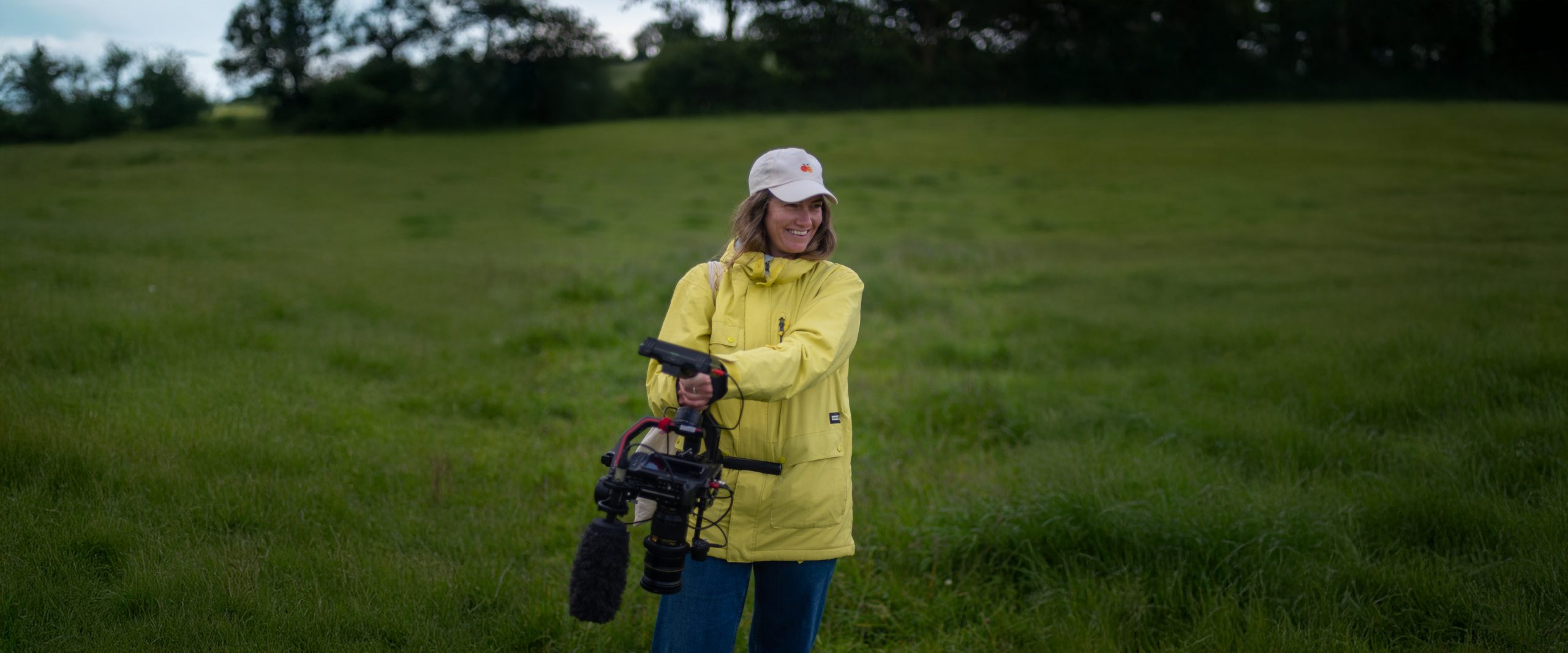
I’m visiting Linda Becker from Farmer Freigeist in the Altmark region, a small town called Wiepke.

A few months ago, I invited Linda to an online meeting where she told her story to the 1% for the Soil community directly from the barn. Perhaps it’s because I’m from Thuringia myself that stories from the GDR era always resonate with me. Linda’s family was expropriated in the GDR, which meant the farm became state property. After the fall of the Berlin Wall, the family was able to buy back the farm and acquired some parts of the former LPG (Licensed Farming Company).

There’s also a production cooperative in my area, which is why the rather “plain” barns don’t put me off. I admire Linda and her family because, while young people are migrating, and organic farming, in particular, isn’t everywhere in East Germany, her family has decided to rebuild the farm and create jobs. So, it’s no longer just about agriculture, but about the future of a region. While it might sound pathetic, it isn’t. How often in my years in customer service have I talked to customers about how it would be better to “buy from the farmer around the corner.” But in my region, there are no farm shops at all, let alone organic farm shops. Opening a self-service store with organic products in a small town like Wiepke is a logical decision and, according to Linda and Tillmann, has been well received.

There’s always a need for someone to take the initiative. And Linda and Tillmann are definitely two people who are actively working on sustainability—not just in the fields.

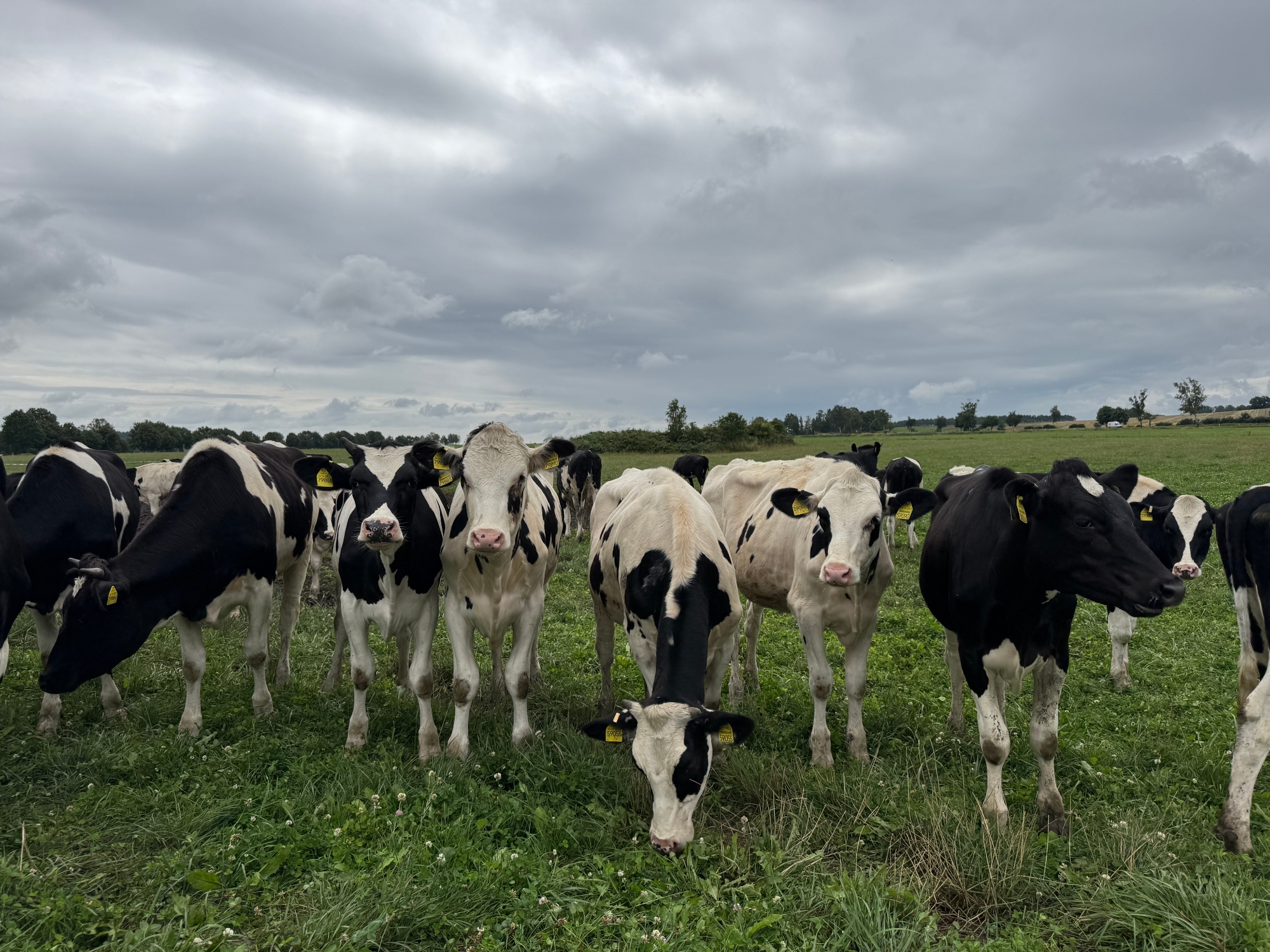
Linda’s herd consists of around 300 animals, and since it’s been raining, most of the animals are kept in the barn. Linda explains that it has been raining so continuously over the past few weeks that the pasture needs frequent regeneration breaks, and she brings the green fodder directly to the barn. Through a so-called “green forage belt,” the cows are provided with green fodder from early spring to late autumn – in addition to pasture. Alfalfa and clover grasses not only ensure that the cows have fresh forage, but also that rainwater is stored in the soil, as the grasses can remain in the crop rotation for several years.


Linda not only participates in our regenerative agriculture program but has also been chair of the Demeter Association for several years. As part of the Demeter certification process, she decided to breed her cows to grow their horns again. For the cows, these horns help regulate body temperature and serve as a means of communication. For farmers, however, they can pose a risk, as the cows can injure each other. It now takes several generations for the horns to fully grow back.

I understand this involves a lot of reflection – what worked well, what could be improved, and how to streamline the way things are done. Linda explains that friction can always arise on her family business, and that innovations are always the subject of much debate. It took “some convincing” to get her family on board with purchasing a fully automatic milking robot. “That sounds very technical, but it’s actually much more important that we understand that this is exactly what a cow would do in nature. She would decide on her own to eat something, stand still, and then the calf would have the opportunity to collect milk,” Linda explains. The cows seem to like it – while Linda introduces us to her team and explains how “Robi” makes the work so much easier, the same cow runs through the trough three times. Why? While the cow is being milked, feed is poured into a trough. If the robot notices that the cow has already been milked and is only coming back for the feed, the lid closes. Nature and technology – it’s exciting to see how they intertwine.

Investments always have to pay off, explains Linda – but she definitely wouldn’t want to be without “Robi” anymore.


As Linda leads me through the stables and tells me about her family, I keep thinking about the enormous effort involved – a completely subjective thought, since this is all Linda’s daily work. I’ve been with CrowdFarming for eight years, come from a farm myself, and yet I’m still constantly overwhelmed by everything that goes into producing a food product and how humble we all should be sitting in front of our full plates.

So I’m all the more excited when we drive to the cheese factory in Gardelegen – a commercial kitchen that Linda rescued from being vacant.

It’s very humid and smells of warm milk, almost a bit sour. Halloumi is being made here today. Halloumi is being made here today – a grilled cheese that’s cooked in 90°C whey and then aged in brine. At lunch afterwards, we were able to witness the excellent quality for ourselves. My colleague Amanda is allowed to help with turning and coating the cheese wheels – it’s primarily fun, but also an almost meditative process that must be repeated daily.


The last stop on my visit is the “treasure chamber,” as Linda calls the ripening chamber. When I ask her what she bases her decision on when making cheese, Linda simply says, “Whatever I feel like.” Translated into CrowdFarming terms, that means six crates, each with several different varieties—there’s literally something for every taste. Linda’s creativity knows no bounds, and that’s how the idea for a smoked cheese was born. Linda and her colleague Ika are particularly proud of “Rauchi”—not only is it beautiful to look at with its rust-red skin, but it was also awarded a Culinary Star this year. This is a cheese that is smoked for three days in three smoking sessions.


My visit is coming to an end. What I take away from Linda: Agriculture is much more than just producing food. It’s about community, a regional future, and the courage to break new ground. Her work reminds me that sustainable food systems don’t spring up anywhere -they begin here, on farms like this one.

Here you can find a recording of our live stream – directly from the field and with an unexpected surprise guest.

Watch here

Written by Magdalena Werner
Magdalena Werner

I'm Magdalena, a Farmer Ambassador. I've been working at CrowdFarming for eight years, and after seven years in customer service, I'm now part of the sustainability and awareness team, sharing the farmers' stories and taking you on a journey through their daily lives in the fields.

Share this content:

Keep digging ...

Field Notes

min

The Science Behind the Sweetness

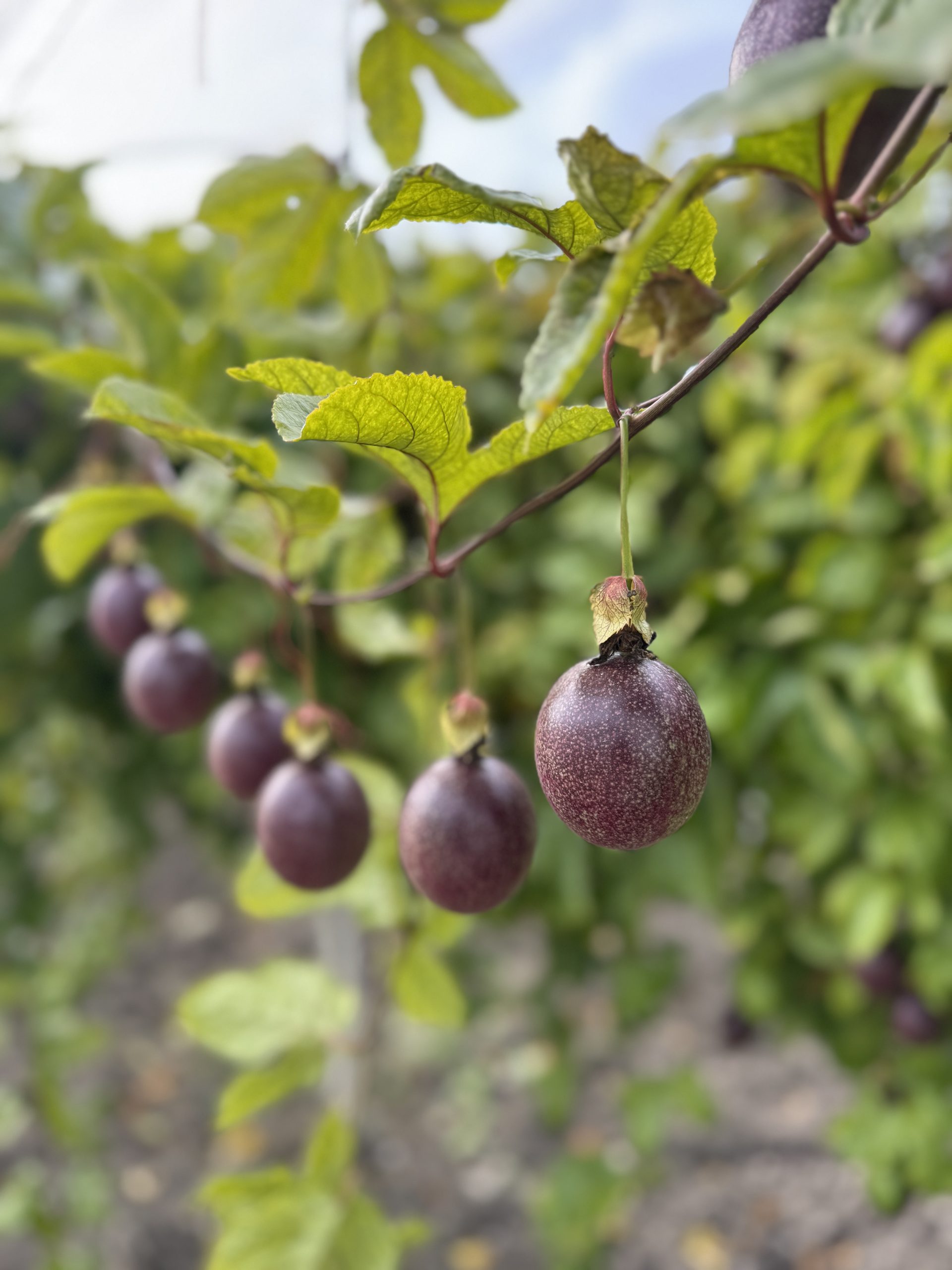
We visited Antonio from Sicilian Passion in Sicily. In a region traditionally known for its citrus fruits, Antonio decided to take a different path several years ago: he grows passion fruit (and even papayas!). A crucial part of our collaboration is precisely determining the harvest time. Our teams conduct sugar content measurements directly in the field. A refractometer is used to determine the Brix value, ensuring that the fruits have reached the required physiological maturity and full aromatic profile. Harvesting only begins once these thresholds are met. In the video below, you can see our colleague Angelo taking these measurements. It’s a lot of fun, because you’re literally looking into the future. Ripening Characteristics and Etymology An important quality characteristic of passion fruit is the texture of its skin. Unlike many fruits, here’s the rule: the more pronounced the wrinkling of the fruit, the higher the sugar content. Due to slight evaporation during the ripening process, the fruit sugar concentrates inside, while the acidity subtly decreases. There are two harvests per year – one in the winter months and one in the summer months. Especially in summer, the fruits are “wrinklier” because the liquid evaporates faster due to the heat. Did you know that the name “passion fruit” is derived from Christian iconography? Spanish missionaries in the 16th century interpreted the complex flower structure as symbols of the Passion of Christ. The filaments of the flower were associated with the crown of thorns, the three stigmas with the nails of the cross, and the five stamens with the wounds. In the gallery, you’ll find a picture where this is very clearly visible.

Read

Field Notes

3 min

Rain, Rain, Spain

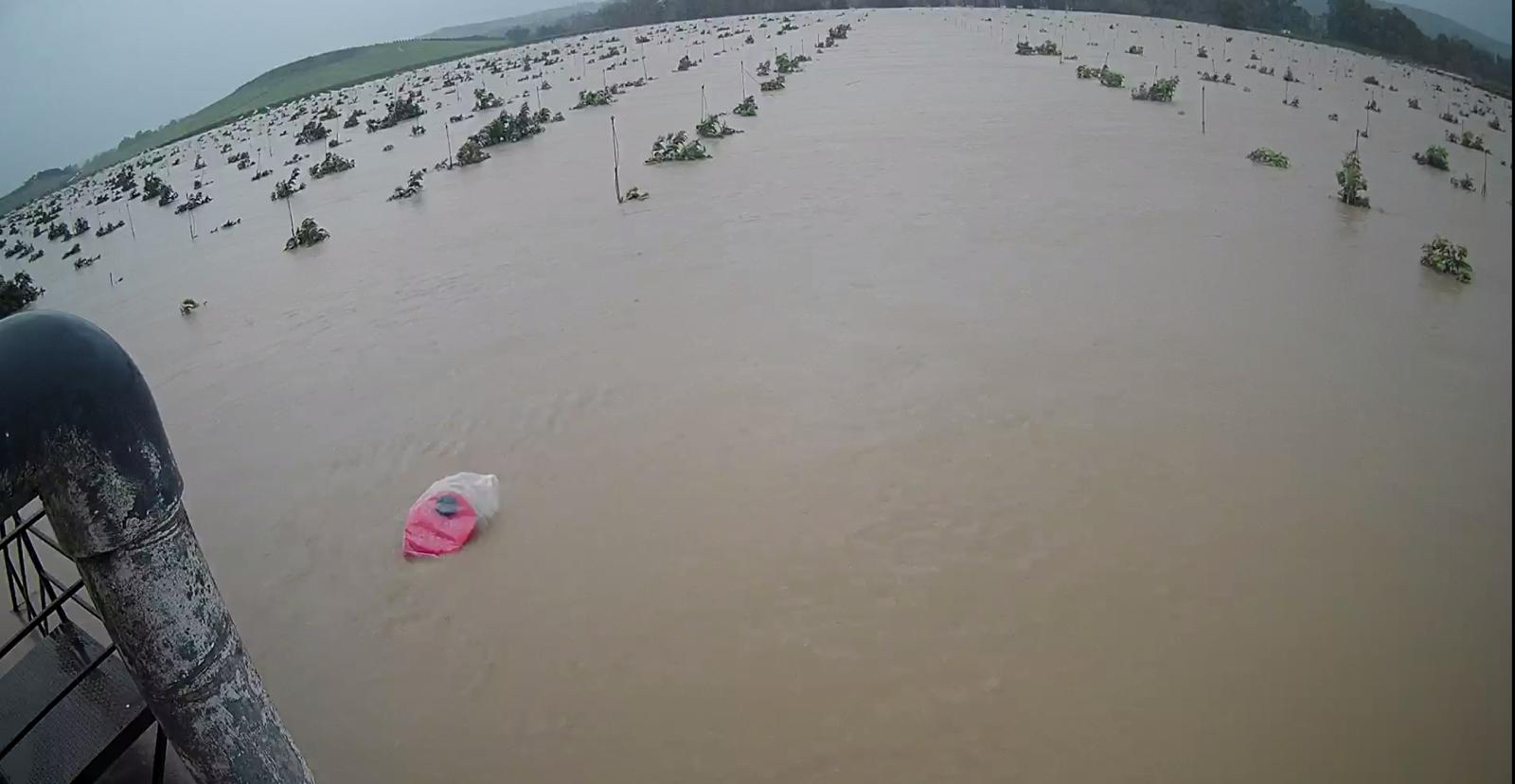
We Weren’t Prepared for This – Or Were We? It has been raining for several weeks in Spain. This week, however, a state of disaster was declared in several regions, especially in Andalusia. Our farmers sent us the pictures attached below – and our team was speechless for several minutes. We have reported on heavy rainfall many times before, but this year the extent is particularly great. The good news is: all farmers are doing well! Persistent low-pressure weather systems brought intense rainfall, hurricane-force gusts of wind, and rivers overflowing their banks. Our farmers from the Málaga region are reporting fallen trees and muddy roads, making access almost impossible. Unfortunately, some farmers have already informed us that they will likely suffer crop losses as fruits have been damaged. The lesser evil is probably the delays in delivery – it hasn’t stopped raining, which means the fruits are too wet to be shipped; they would mould in their boxes. Haven’t We Already Found the Solution? I’m speaking with Maikel from Finca Habitat, located in a small town between Jaén and Granada – one of the most severely affected areas. He sends me a video, which you can find below – it shows his neighbors’ flooded olive groves and the raging river. In the next video, he’s in his own fields, showing how much rain has fallen. He pours it onto his trees, which he protects from drying out and simultaneously fertilizes with his sheep’s wool during hot months. “For me, the rain is an absolute joy. It’s wonderful!” says the farmer. In his fields – not even a puddle. “This is a sign that we are doing everything right, Magdalena,” he explains. Maikel decided to farm regeneratively over a decade ago. In one of Spain’s driest regions, he manages to avoid irrigating his olive trees through his practices. How Does That Work? Through a ground cover that acts like a sponge, soaking up all the water and allowing it to seep into deeper soil layers. Not a single drop of water is lost because the root system has such a high capacity to absorb water that it neither drains away nor accumulates. What if we could make farms so resilient that they emerge encouraged from extreme weather events? Would regenerative agriculture be the solution we’ve been looking for? These are the questions I ask myself when I see the pictures and videos that offer such a different perspective on the situation. The weather forecast continues to show rain for the next few days, and we, along with the farmers, reassess the situation daily – safety comes first, and we will probably have to be patient a little longer until the sun comes out again.

Read

Field Notes

4 min

Viva el Campo: Learning from the Ground Up

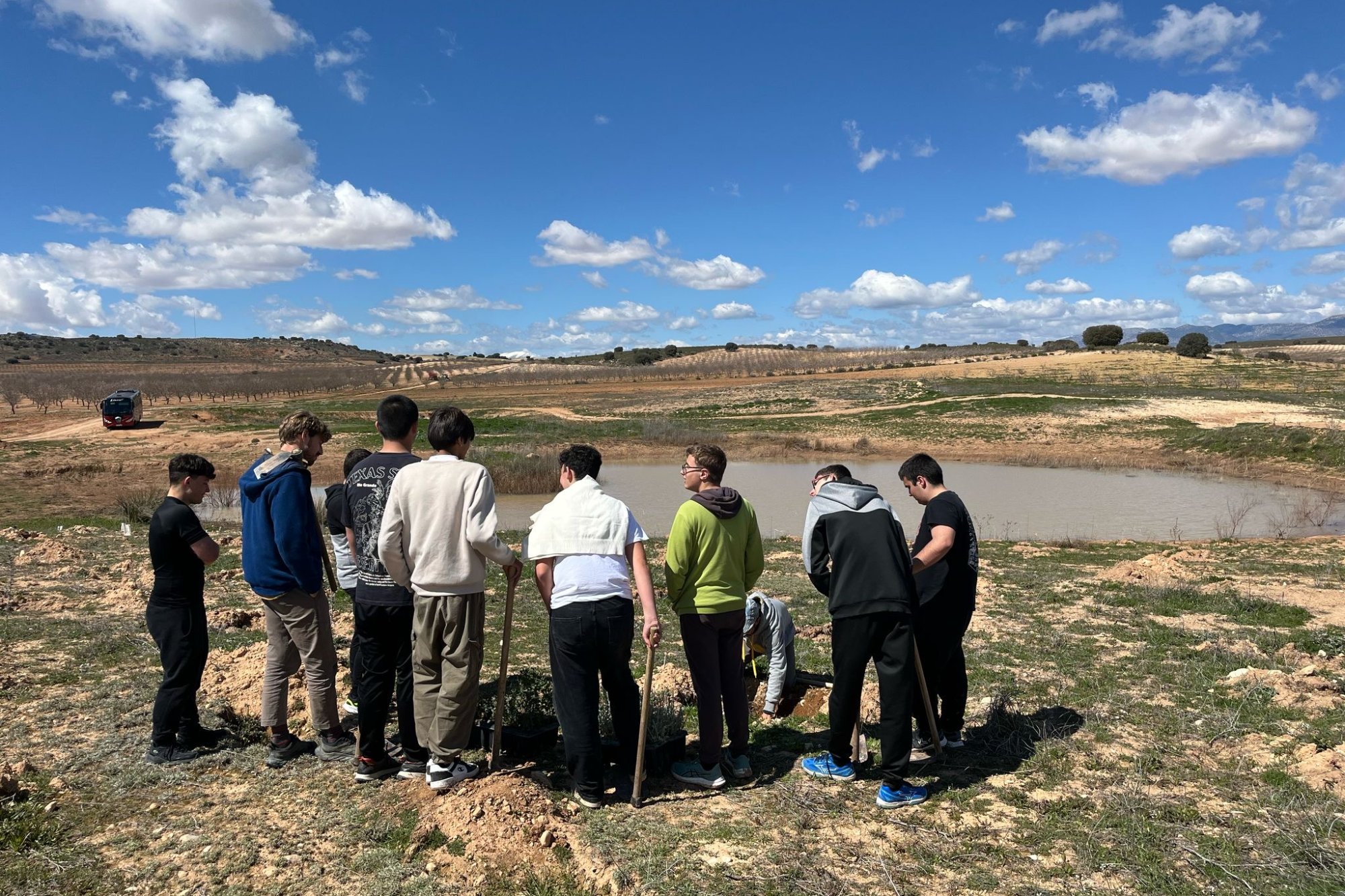
The soil is still the best classroom we have. More than one year ago, we launched our 1% for the Soil initiative with a clear goal: to regenerate 10,000 hectares of soil and re-invest in projects that create lasting impact, not only in the fields, but also in the minds of future generations.Once every 6 months, we regroup with our community to present our progress and our budget, and once a year, we vote on what initiatives we would like to invest in for the next semester. Out of different initiatives, our community voted for Viva el Campo organised by La Junquera farm within the Camp Altiplano area (Ecosystem Restoration Camps) as one of the projects to support this year. It’s an initiative that reflects what regeneration means: passing on knowledge, reconnecting people with the land, and inspiring young minds to see soil as the living foundation of life. It is an educational programme that brings students out of the classroom and into the fields to learn about soil, biodiversity water and also the origin and the future of food. Jacobo, head of the program, tells us, that in many rural areas of Spain, including the region of Murcia, often young people grow up without ever setting foot on a farm. They may learn about climate change, photosynthesis, or soil erosion from textbooks, but few have had the chance to hold a handful of soil, identify earthworms, or see how weather and water scarcity affect crops first-hand. Schools often lack the time, funding, and infrastructure to organise outdoor learning. Teachers would love to show their students what living soil looks like, but there are no structured programmes, no nearby farms that can host them, and no space in the curriculum. As a result, the countryside remains distant, something they read about, not something they feel part of. Each year, secondary school students between the ages of 12 and 16 leave behind the whiteboards and screens of everyday school life and head to local farms in Spain. There, they become researchers and observers. Over the course of a week, they explore how food is produced and how agriculture connects to broader challenges such as water scarcity, soil degradation, and climate change. Each day has its own theme, from the soil beneath our feet to the biodiversity that sustains it. Students collect soil samples, identify plants and insects, measure water infiltration, and record their observations in field notebooks. They discover the relationships between farmers and ecosystems, between human choices and environmental consequences, between the field and the plate. At the heart of Viva el Campo lies a mini research programme. Each group of students develops a small, practical experiment: comparing the moisture retention of soils with and without plant cover, observing biodiversity across habitats, or testing how regenerative practices influence water absorption. Guided by farmers from La Junquera and educators like Jacobo, they collect data, analyse results, and share their findings at the end of the week. The experiment is conducted in three plots with different management methods: non-intervention, regenerative, and conventional vs. .organic. Students collect soil samples with augers and shovels and analyse indicators such as pH, moisture, nutrients (NPK), and microbial activity. They also use techniques such as invertebrate traps, infiltration tests, microorganism cultures, soil respiration measurements, and biomass analysis. The data is analysed and compared in the classroom, where the students prepare a short scientific paper. In it, they present their conclusions, explain the research process, and reflect on the impact of agricultural practices on soil health. This exercise strengthens their scientific skills and allows them to communicate the results obtained in the field in a rigorous and accessible way. One of the biggest challenges European agriculture faces today is the lack of generational renewal. Many farms risk closure, not only because of more difficult climatic conditions, but also because there is no one left to take over. Fewer young people choose to become farmers, often simply because they’ve always been shown a negative image of what farming needs. . Being a farmer has lost prestige over time, it can be seen as exhausting work with little financial reward. This perception distances young people from the land and from a profession that is, in reality, one of the most vital to our collective future.Jacobo tells us, that children and teenagers who once saw the countryside as something distant begin to view it as essential and that they often want to come back to the farm and help and learn. Jacobo says he always starts the course by asking which of the young people would like to be a farmer, and that usually no one raises their hand. Before the young adults board the bus back to Murcia, he asks the same question again, and in most cases, there are two or three young people who raise their hands. They see how soil becomes food, how water is stored in living ground, and how nature’s balance depends on cooperation.

Read