Published March 2026
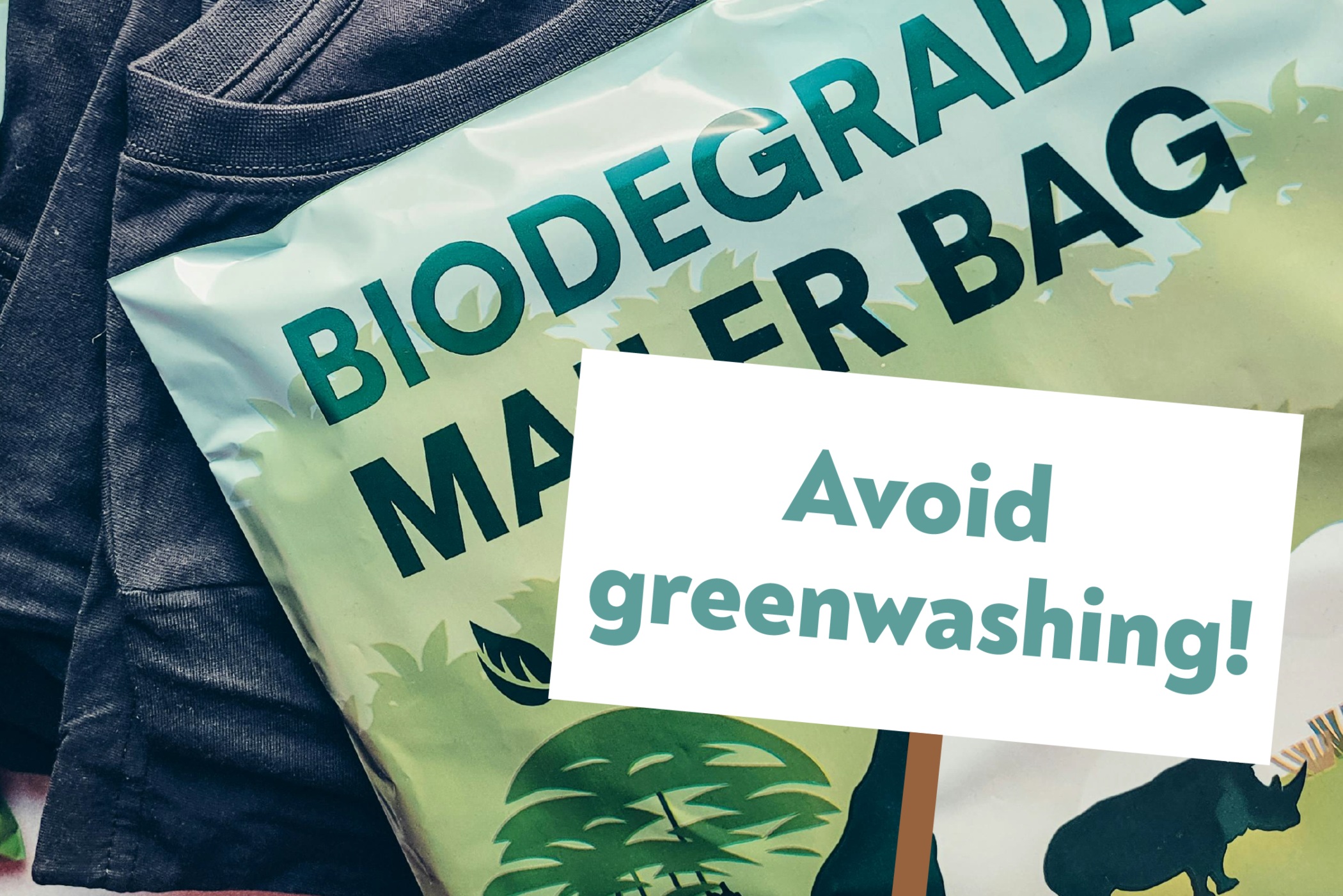
Navigating the “Green” Jungle: EU’s new Anti-Greenwashing Laws
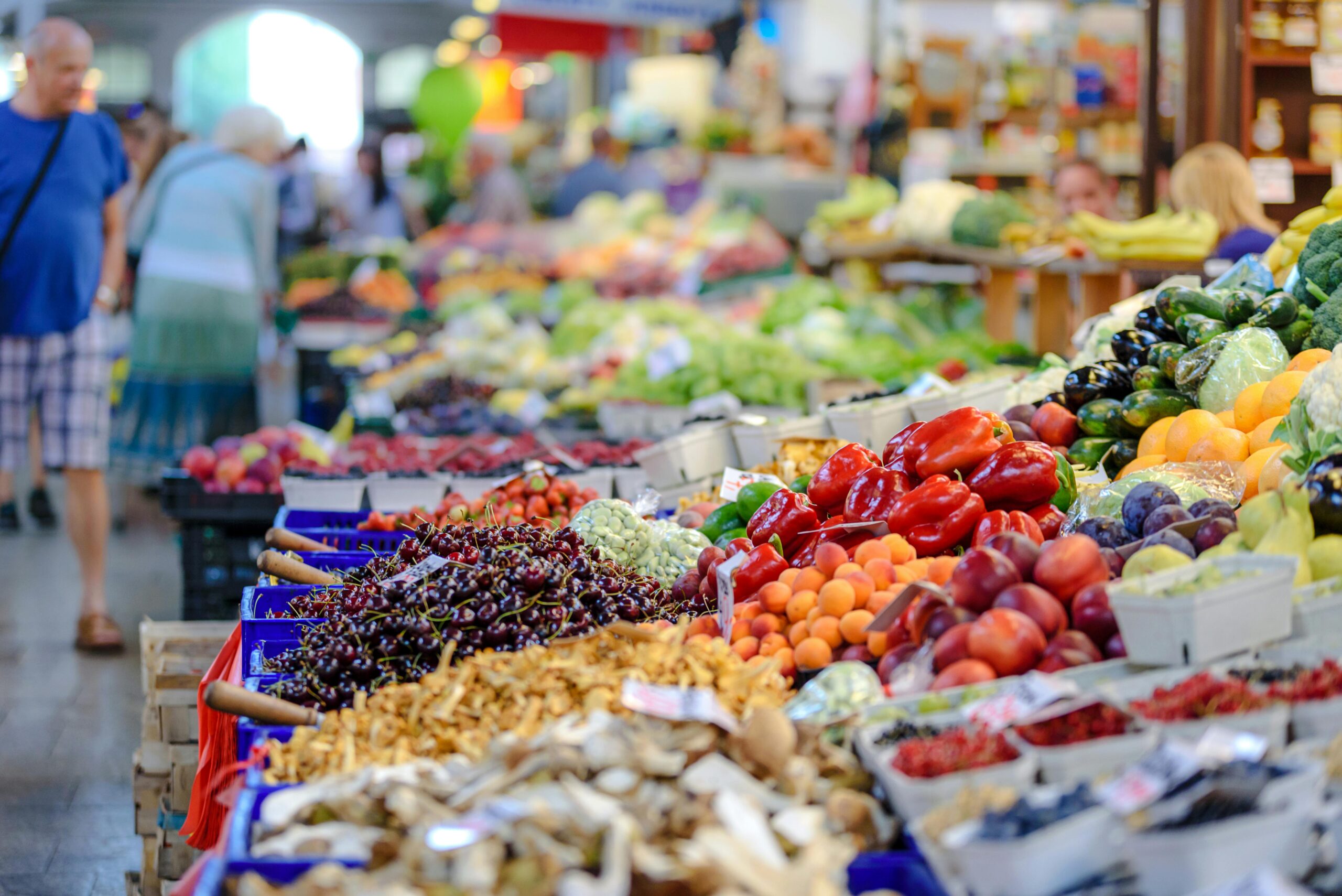
When you’re buying a product, do you trust all those labels, logos, and slogans like “recycled,” “natural,” or “environmentally friendly”? It’s a common dilemma in today’s market flooded with sustainability claims. Sometimes, the scepticism towards greenwashing has become so ingrained that even genuinely eco-conscious brands face scrutiny.
This begs the question: how can consumers distinguish between greenwashing and genuinely sustainable products?
In response to the rising concerns over greenwashing, the European Union (EU) has taken a significant step forward with the implementation of new anti-greenwashing laws. A recent study by the European Commission revealed alarming statistics: more than half of green claims by companies in the EU were found to be “vague, misleading, or unfounded”, with 40% lacking any substantiation. That’s a lot of smoke and mirrors in the eco-friendly aisle!
The EU has taken note of this confusion and is stepping in with a new set of regulations to tackle the menace of greenwashing. This new directive targets various aspects of greenwashing, including carbon offsetting. It bans claims such as “climate-neutral” or “reduced emissions” when relying solely on offsetting to balance carbon footprints. This move responds to growing doubts about the effectiveness of offsetting programs, which often fall short in mitigating emissions.
Moreover, the directive introduces a harmonized label to highlight products with extended guarantee periods, aligning with the circular economy objectives outlined in the Circular Economy Action Plan. An extended guarantee period means that products that have a longer guarantee are valued and highlighted more. These measures aim to promote transparency and accountability across industries, fostering consumer trust in sustainability claims.
But it’s not just about carbon offsetting and guarantees. The directive also aims to streamline sustainability labels, putting an end to the proliferation of confusing eco-labels that only serve to sow mistrust among consumers. With over 230 different eco-labels currently in use in Europe, it’s no wonder shoppers are feeling overwhelmed and unsure of which ones to trust.
What do these new rules mean for consumers and companies?
Consumer demand for sustainable products is evident, with 75% of Europeans willing to pay more for eco-friendly options. However, navigating the sea of green labels and claims can be overwhelming. The EU’s initiative seeks to empower consumers by requiring manufacturers to substantiate environmental claims with verified data.
For businesses, adapting to the EU’s anti-greenwashing laws presents both challenges and opportunities. While compliance may entail additional costs and scrutiny, it also offers a chance to differentiate themselves in a crowded market. By prioritizing genuine sustainability efforts and transparent communication, companies can build stronger brand loyalty and credibility.
Under the new regulations, generic environmental labels like “eco” or “biodegradable” must be supported by solid evidence of environmental performance. Companies will need to demonstrate compliance with recognized standards, such as ISO 14024 certification or EU Ecolabel criteria. From raw materials to the end of its useful life, companies will need to provide solid, verified data to back up their claims. And it’s not just about words – even pictures or symbols that convey an “environmentally friendly” message will be subject to scrutiny.
So, these new laws are a win-win for both consumers and truly sustainable companies. With clearer labels and more transparency, shoppers can make more informed choices about the products they buy. And for companies that are genuinely committed to reducing their environmental footprint, these regulations level the playing field and ensure that their efforts are recognized and rewarded.
So next time you’re faced with a sea of green claims at the supermarket, remember that help is on the way.
If in doubt — look for the EU organic leaf!
As explained by IFOAM – Organics in their ORGANIC MOVEMENT’S MANIFESTO
“Organic farming is well known by EU consumers, and it is the only legally defined and certified sustainable food production system. As such, the European Green Deal acknowledges organic agriculture as playing an important role in the transition to a sustainable food system in Europe.”
By making informed choices and supporting genuine sustainable practices, we can combat greenwashing and drive real change in the industry. Let’s use our purchasing power wisely and be vigilant in distinguishing between genuine sustainability and mere marketing ploys. With each conscientious decision, we move closer to a healthier planet and a more sustainable food system for future generations.
Written by Emilia Aguirre
Emilia Aguirre is our Awareness & Advocacy specialist — which means she spends her days asking the uncomfortable questions about how our food is grown, priced, labeled, and sold. She hosts What The Field?!, a podcast packed with stories from the ground, hard-hitting research, and conversations with the people shaping the future of food (whether they like it or not).
Keep digging ...