Published October 2026
Thank you letter to the 2023 harvest
In 2023, I experienced fear for the first time since we founded CrowdFarming. In April, our orange and avocado farmers were left without a harvest much earlier than we had estimated. It wasn’t an isolated case on a single farm; it was a widespread issue across all farms in southern Europe, including my own orange orchard in Valencia. The effects of the drought had been much greater than we had anticipated.
Our farmers suffered, and so did we. As a young and growing company, we had prepared for a 40% increase in shipments that never materialized due to the absence of a harvest. This shortage went unnoticed in supermarkets (our competitors) as they sourced oranges and avocados from different continents. However, we, who only work with fresh produce grown in Europe, ran out of product.
We went through a tough period and had to focus on securing financing to avoid making significant cuts that would have forced us to halt key projects for the future.
When taking on projects like CrowdFarming, encountering challenging times is expected, but my apprehension went beyond financial concerns. It was more of a personal than a business-related fear. What if, due to the drought, our farms were no longer suitable for cultivating what we had planted?
Adapting to changes in climatic conditions on the farms
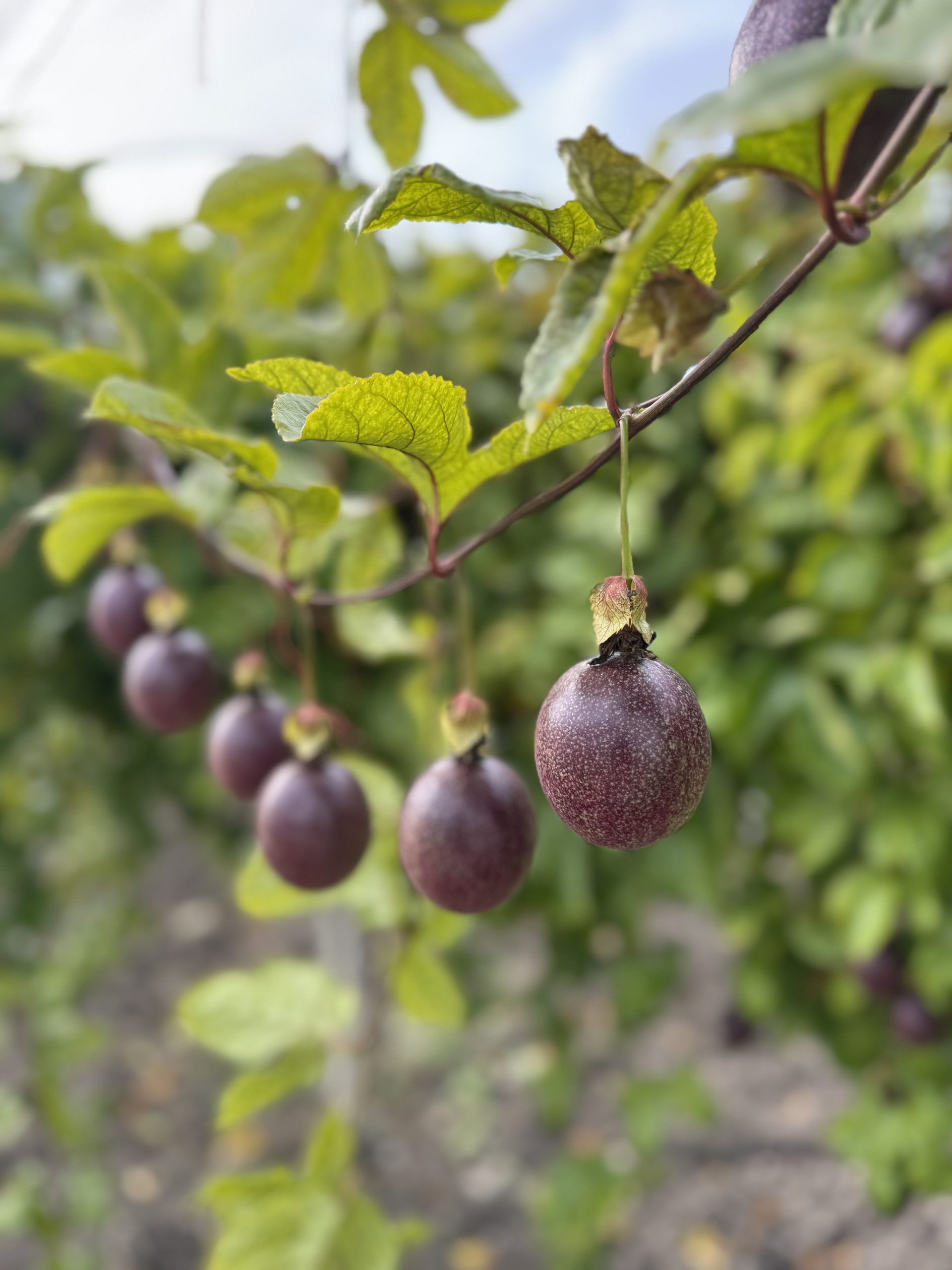
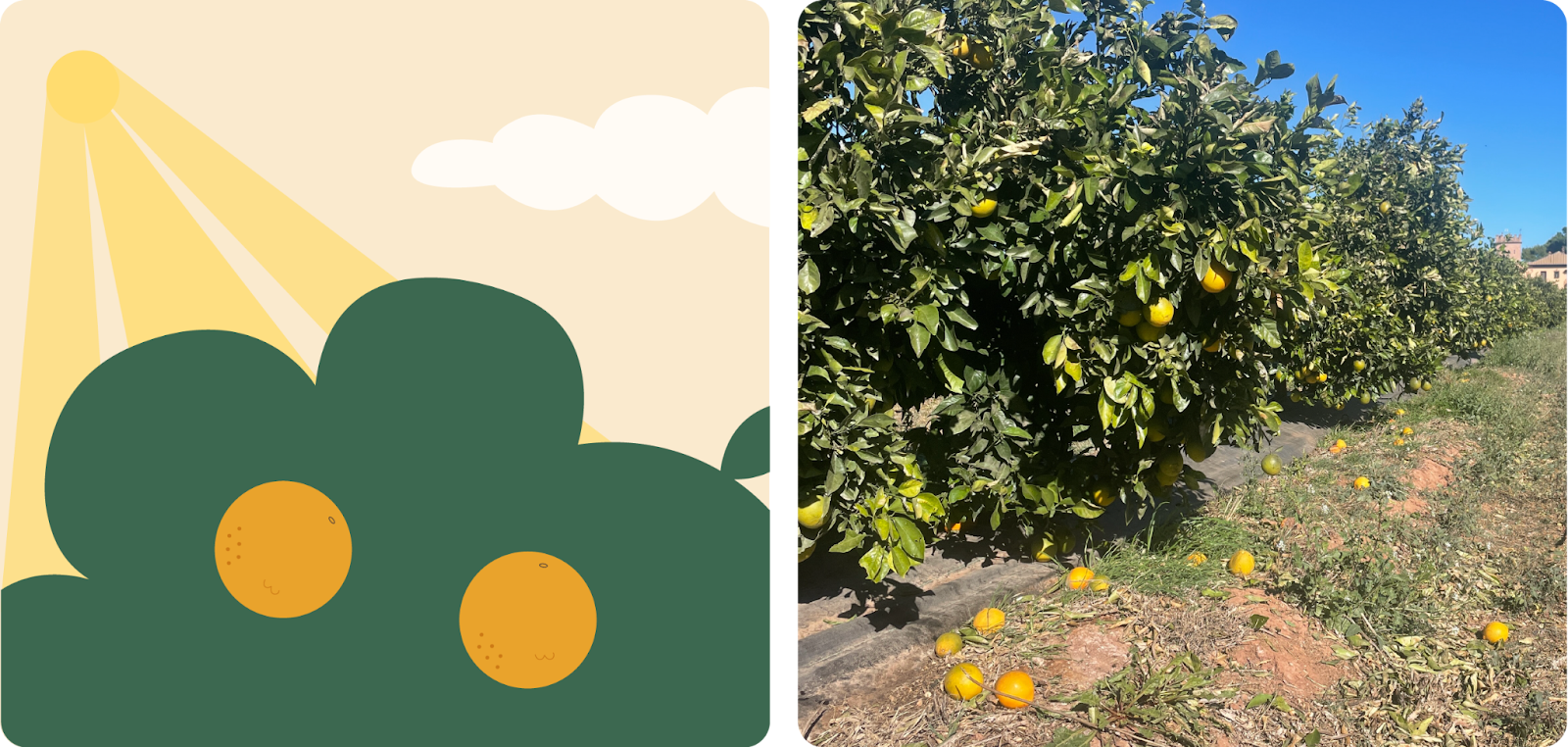
The ideal climate for citrus cultivation requires areas with an average rainfall of around 500 millimetres per year and maximum temperatures that do not exceed 38ºC. During the year 2023, the average rainfall in Valencia was 340 millimetres (33% lower than the average of the last 30 years) and temperatures above 40ºC were reached on several days, causing heat stress to the orange trees. The heat stress causes (among other things) the orange trees to drop the fruit to the ground because they no longer have the energy to maintain them.
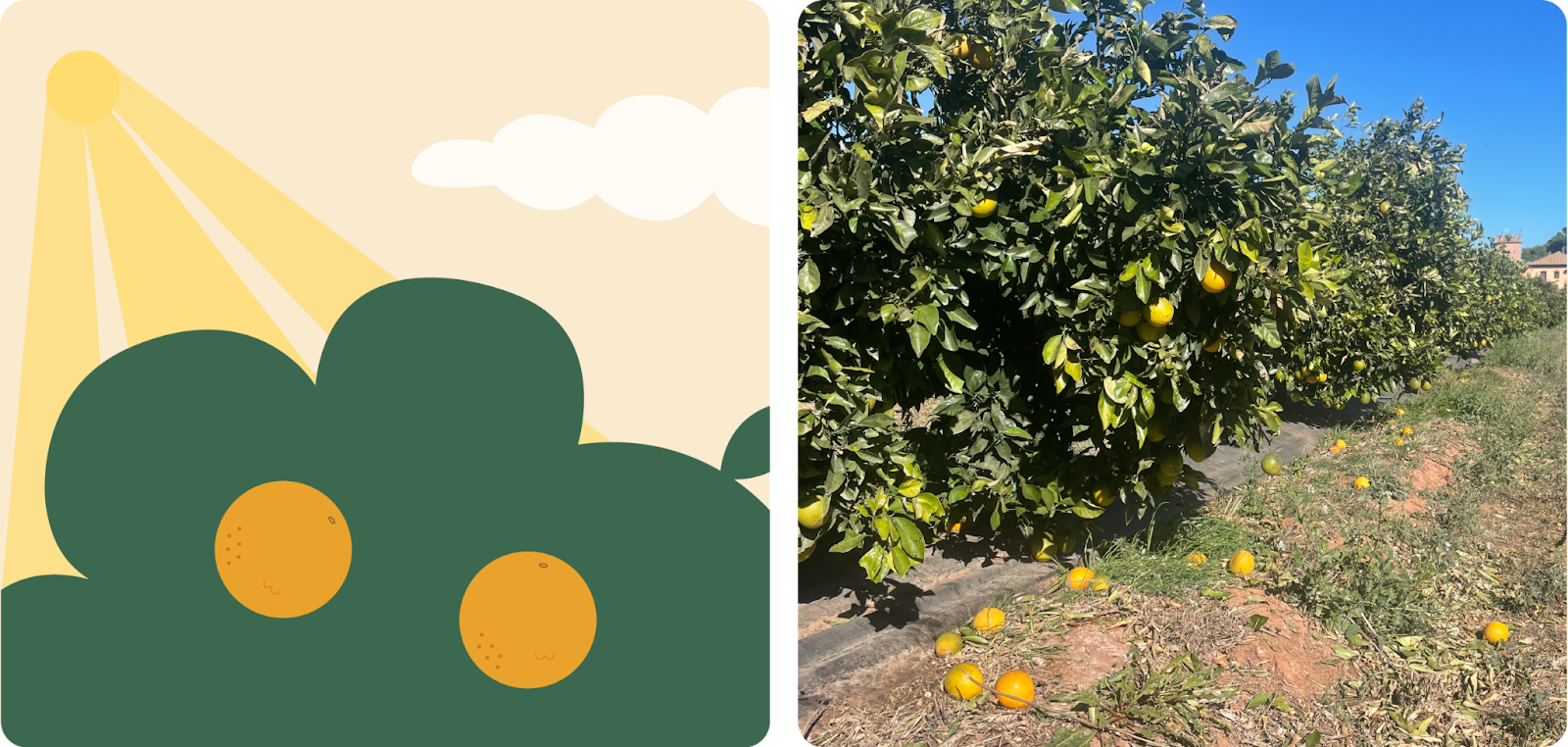
It is curious how some plants in stressful situations sacrifice their fruit when they feel their life is in danger (orange or olive trees) and others may even die trying to save their crop (such as almond trees).
Milestones for the year 2023
In a year where the weather has not been good, making the wrong decisions becomes more visible. When the weather is good, the abundance of harvests can make up for our mistakes, but when it rains just about enough, any bad decision or logistical inefficiency becomes costly.
During the last part of the year, we have managed to greatly improve our logistics service by supporting our farming community in the preparation of orders, reducing incidents and delays in deliveries.
- (Positive) 52 new farmers joined us and more than 90% of our existing farmers have renewed their contracts. In total, we are now 283 farmers selling our crops without intermediaries, and more than 40% of them are young farmers.
- (Negative)The lack of harvest forecasting caused many projects to be refunded and we did not manage communications well.
- (Positive) 10 farmers have been able to obtain the organic label without financial problems thanks to the security of selling their harvest at a fair price for the adoptions.
- (Negative) Our e-mail response time to customers has been over 5 days during the last part of the year.
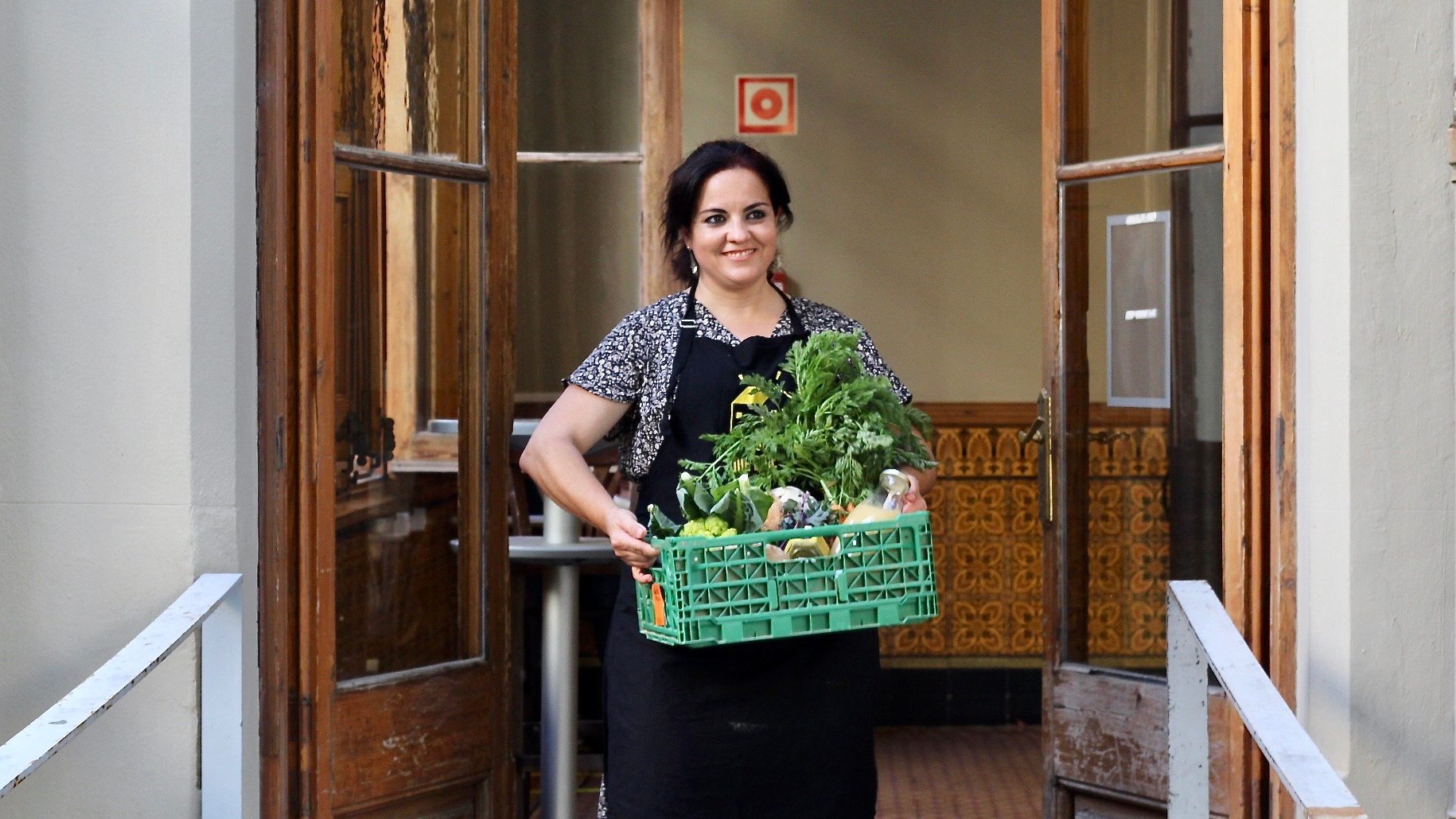
- (Positive) We have launched a subscription to a mixed seasonal organic fruit box with products from various farmers which is proving to be a success.
The challenges of 2024
In 2024 we have the biggest challenge in CrowdFarming’s history to date: to prove that regenerative organic farming is economically viable for farmers and society through direct sales.
The more people who buy directly from farmers, the more income they will be able to dedicate to implementing organic and regenerative practices on their farms.
“But Gonzalo, with organic farming we cannot feed the entire population because the yields per hectare are lower.”
This is the biggest lie spread by the chemical fertiliser industry. Here are some arguments so that you can refute it the next time you hear it:
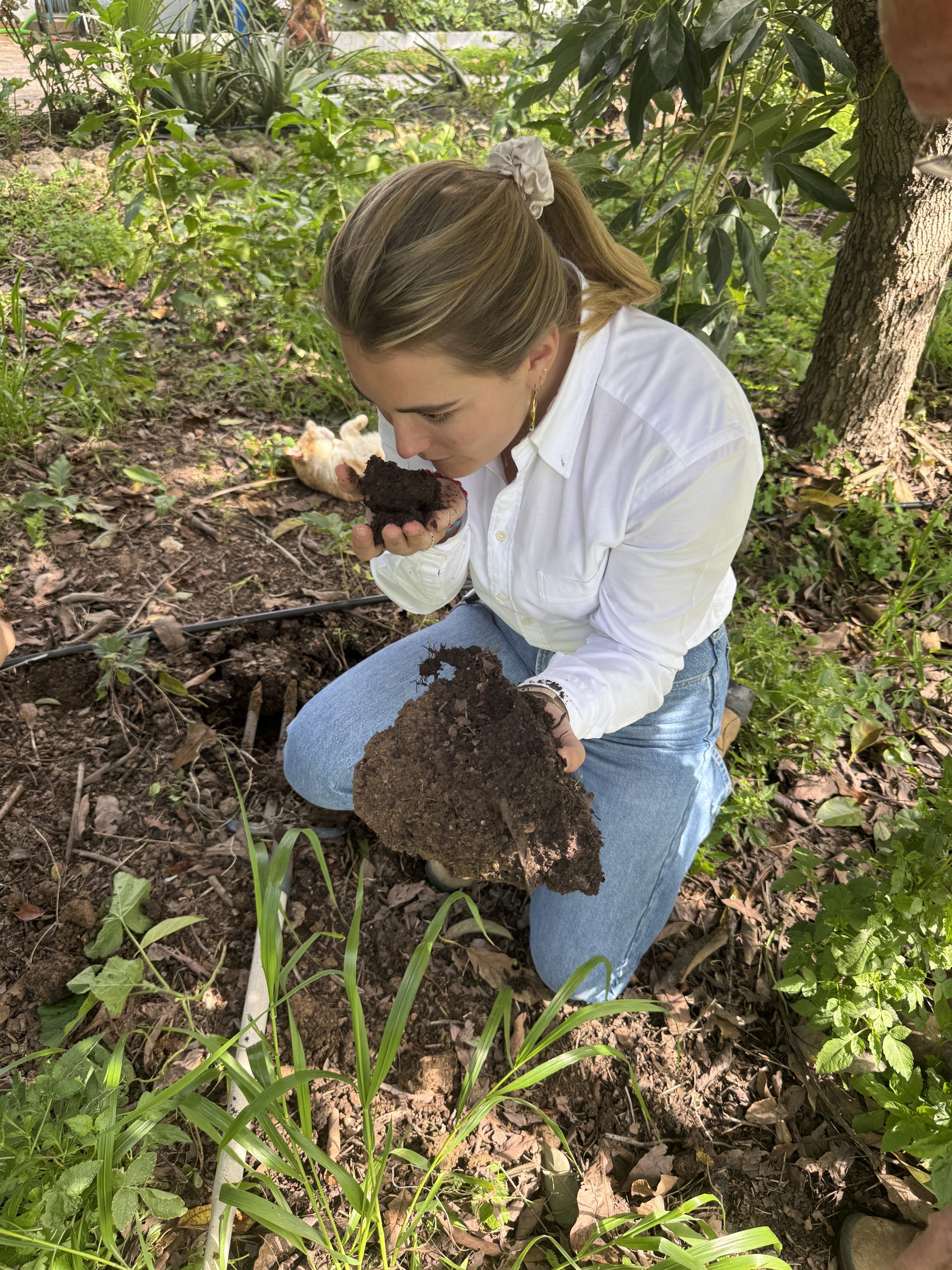
First, in Europe a third (⅓) of the food produced is wasted. We live in a society of abundance and chemically synthesised herbicides and fertilisers have made it possible to produce very cheap food at a high environmental cost. If you live in Europe you should be more concerned about the loss of natural agricultural soil fertility than about the lack of food.
Second, a lot of research is being done in the regenerative organic farming space and there is a huge gap for innovation. The scientific community is developing ways of working that not only take into account yields per hectare but also don’t damage the ecosystem where they are to be applied.
Third, as the consumption of organic products increases, not only will it encourage more farmers to go organic, but it will also mobilise more capital towards companies that are innovating in these fields.
Europe has set itself the target of having 25% of the fields cultivated organically by 2030. Personally, I think this is not enough, but we have to start somewhere. The last official figure for 2021 says that we are at 9.9%, today we estimate that we are between 11%-12%.
We still have 6 years to double the amount of land cultivated organically. From CrowdFarming we take on this challenge, which drives us to do our best.
Happy 2024 harvest!

Written by Gonzalo Úrculo

Gonzalo es un "farmeneur". Como cofundador de CrowdFarming y agricultor, divide su tiempo entre la oficina y el campo. Además de la agricultura, disfruta leyendo y escribiendo sobre productos digitales y logística y discutiendo sobre su impacto en la cadena de suministro de alimentos.
Keep digging ...