Published March 2026
How meteorological phenomena are contributing to food shortages
The scientific community agrees that the frequency of extreme weather events is increasing. According to the latest IPCC report, man-made climate change is already having an impact on many extreme weather and climate events in all regions of the world.
The floods of 2021 in Germany, the extreme heatwave in the UK and Spain in 2022 and the long periods of drought we have been experiencing in Europe over the last few years could have particularly damaging effects on crop yields. This creates widespread shortages, and this reduction in production leads to an economic imbalance for farmers and consumers, as well as undermining food security for us all.
The impact of meteorological phenomena
Although Europe is generally considered to be a region with a stable and diversified food supply, it is not immune to the effects of extreme weather events. Here are a few examples of weather events that can have a direct impact on agricultural production, such as a reduction (or even total loss) of harvests or the disruption of crop planning.
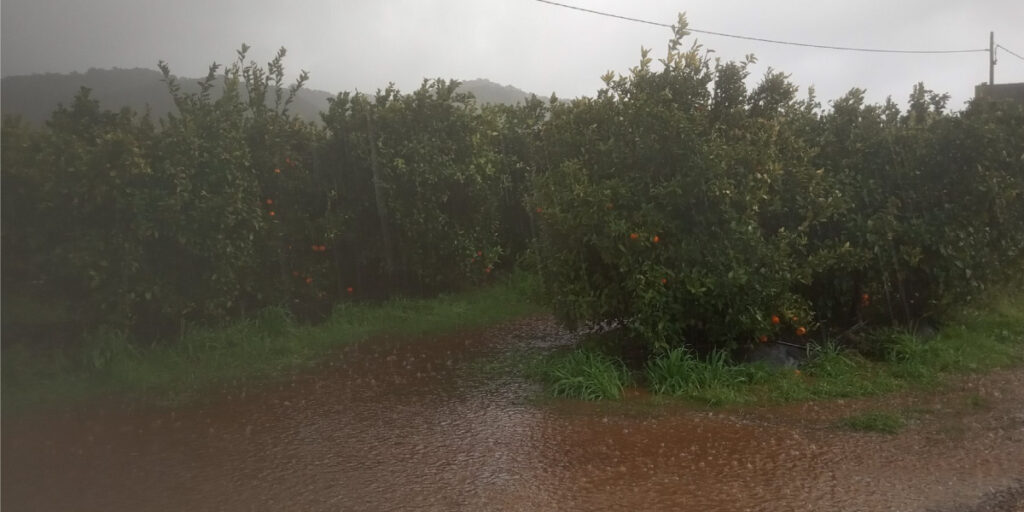
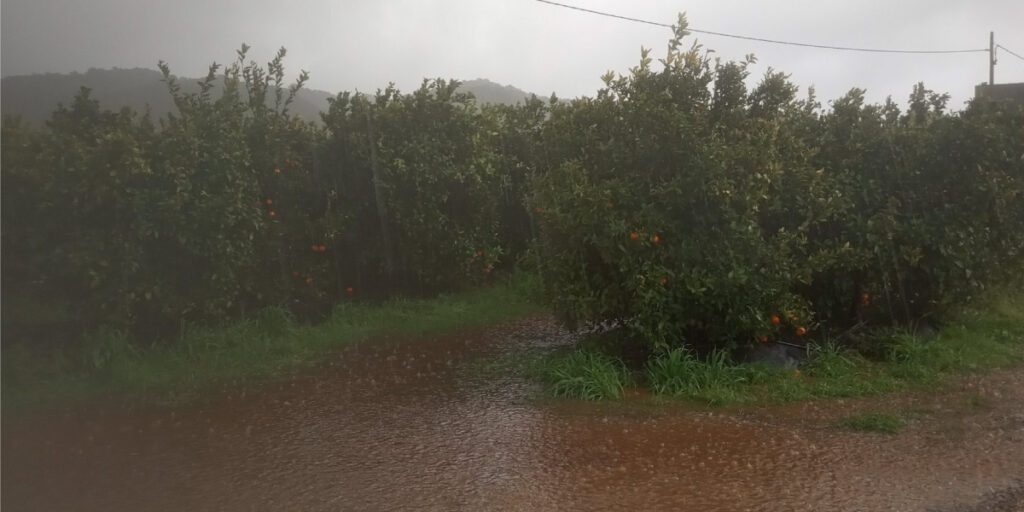
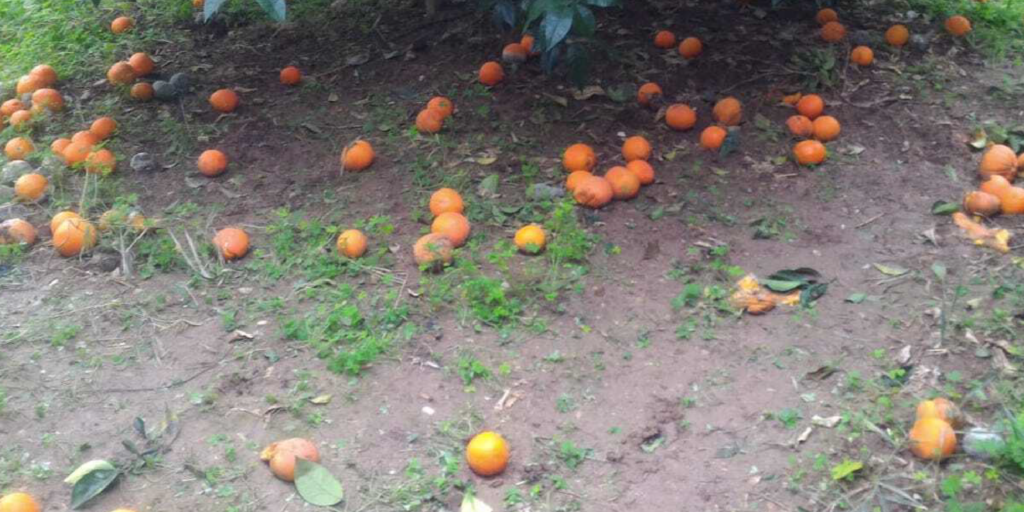
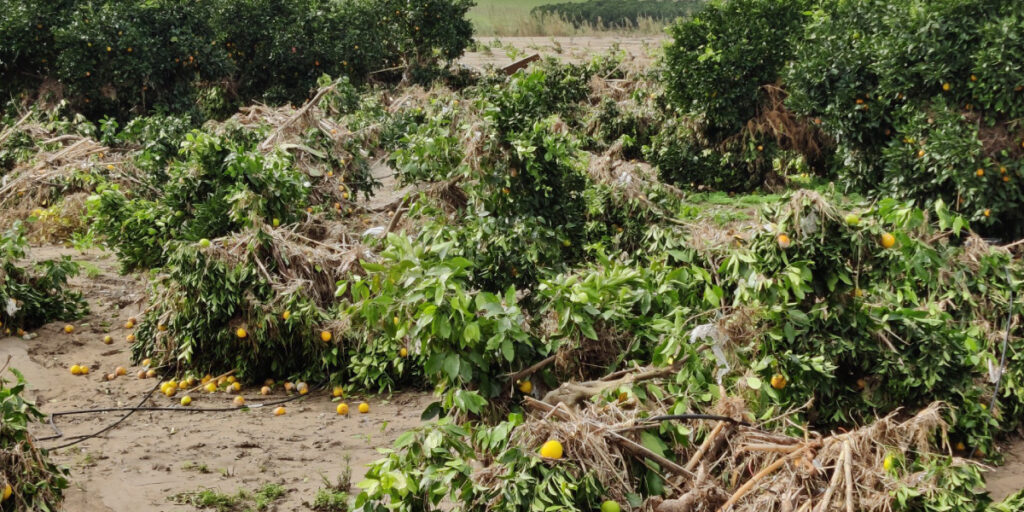
- Flooding: Excessive rainfall and flooding can also disrupt farming activities. In the Spanish Mediterranean basin, rainfall is becoming increasingly concentrated, resulting in long periods without rain and many litres per square metre falling in just a few hours, causing flooding, sometimes accompanied by hail, which destroys crops. The water has no time to infiltrate and runs off the surface of the ground. Floods can also damage crops, washing away topsoil and making fields inaccessible for planting or harvesting. Waterlogged soils can also lead to root rot and other plant diseases, further reducing crop yields. In some cases, flooding can destroy entire harvests, resulting in major food losses.
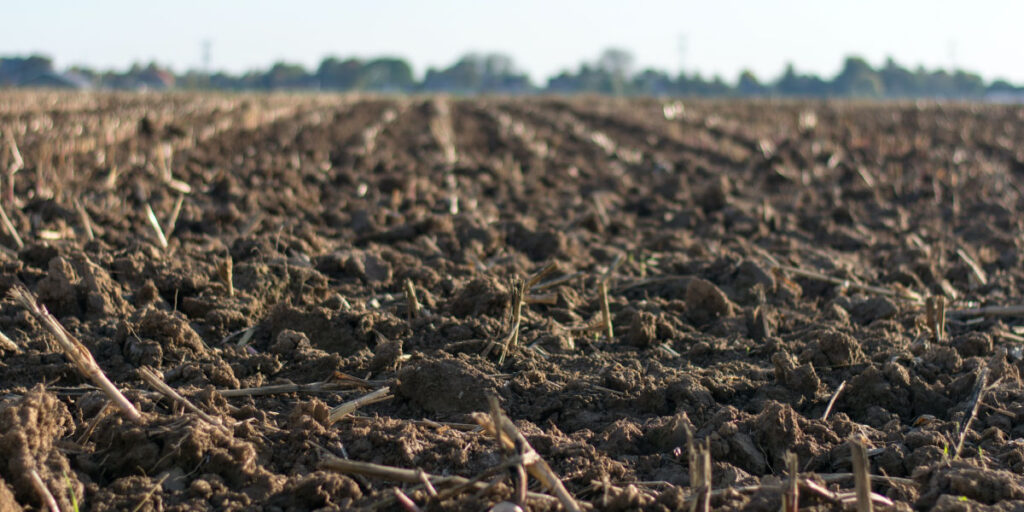
- Droughts: Prolonged periods of drought can have serious consequences for agriculture. The lack of rain reduces soil moisture, making it difficult for crops to grow and affecting their yield. Droughts can also mean less water available for irrigation and for replenishing water reserves throughout the year. This often results in lower production yields and a premature end to the harvest season.
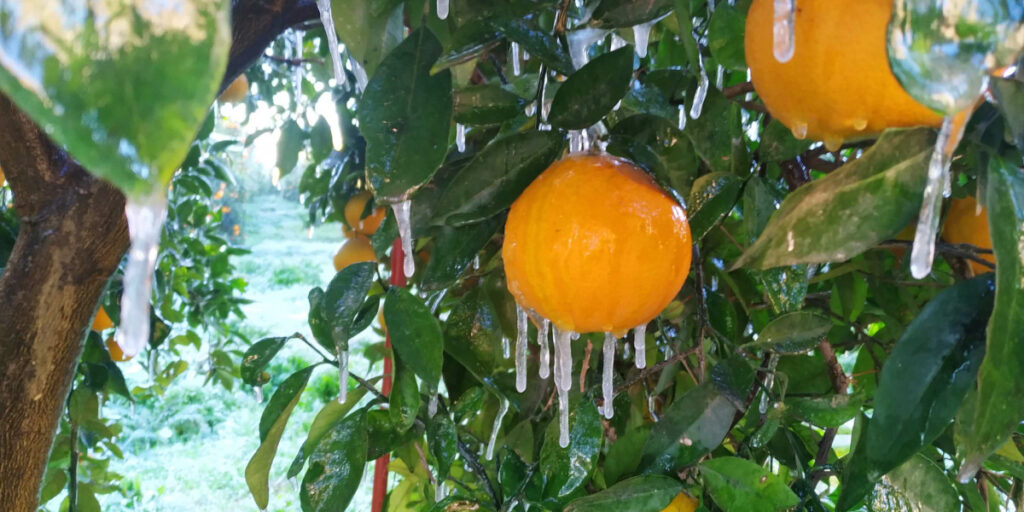
- Extreme temperatures: Extreme heat or cold waves can have extremely harmful effects on crops. Heat waves can cause water stress in plants, affecting their growth and productivity. High temperatures can also disrupt pollination, reducing crop fruiting. It can also influence the prevalence and spread of pests and diseases, affecting crop health and reducing yields. On the other hand, sudden cold snaps can damage or kill crops that are not adapted to frost, which can result in the loss of an entire harvest.
In addition, phenomena such as frost or fog can also affect yields. For example, the fog that arrived in Spain from the Sahara in the spring of 2022 affected the flowering of many crops, as the mud created damaged the flowers and prevented the fruit from setting.
This year, after an extensive drought period in both Italy and Spain, our cherry farmers quickly came to curse the torrential rains that followed: The intensity of the sudden downpour blasted open their fruit and effectively ruined their year’s harvest, pouring many months of hard work down the drain. Apricots suffered a similar fate, though luckily not the whole harvest was ruined.
When these meteorological phenomena occur at critical stages in crop growth or affect several regions simultaneously, they can lead to a drop in food production, which can cause food shortages across the continent. The severity and duration of these food shortages depend on the scale and intensity of the weather phenomena, the farming practices put in place and the availability of alternative food sources on the market.
According to Copernicus, the European Union’s Earth observation programme, it is already a foregone conclusion that agriculture will suffer in southern Europe this year, with reductions in yields even in the event of late rains.
It is important to note that other factors are also likely to contribute to reduced harvests in the long term, such as the use of intensive farming methods, which can deplete the soil, reduce biodiversity and increase the risk of pest and disease epidemics.
The economic impact on our food security
The above mentioned factors not only undermine our food security but can contribute to economic instability for both farmers and consumers.
Financial instability for farmers
Extreme weather events can cause significant damage to fields and crops, resulting in loss of income for farmers. In addition to a loss of yield or possible destruction of their crops, certain weather events, such as flooding, can destroy agricultural infrastructure, resulting in considerable financial losses in the longer term.
Another factor to be taken into account at present would be the increase in production costs and the rise in the cost of non-agricultural materials, such as energy costs, which further amplify the difficulties that farmers may encounter in maintaining their activities.
Market volatility
Weather events can cause market volatility because of their impact on agricultural products and can lead to major shortages. Poor harvests and reduced production can cause prices of essential foodstuffs to soar. Increased volatility in food prices can have cascading effects on the economy, affecting inflation rates, consumer spending and overall economic stability.
In the conventional food chain, farmers often have to adapt to market demand and mass distribution. As we saw above, certain weather phenomena can upset the initial planning for a particular harvest. If the large retailers do not receive the desired products at the expected time, this can have a major impact on the cost of purchasing these products.
Food security at risk
Reduced harvests can have a significant impact on our global food security.
With energy and food prices reaching unprecedented levels around the world, particularly since the start of the war in Ukraine, food price inflation is high in many countries. In 2023, for example, British supermarkets were forced to ration their customers’ purchases of certain fruit and vegetables partly because of persistent shortages, such as apples, tomatoes and peppers. As a result, they are experiencing difficulties in the food chain.
Although we know that phenomena associated with climate change have always existed, their frequency has increased. The trend is towards an increase in the frequency of extreme events and a reduction in the resilience of the agro-ecosystem. As a result, farmers are likely to be in trouble for years to come, and climate anomalies are making us increasingly vulnerable, with harvests becoming more unpredictable, jeopardising the food security of millions of people. According to the United Nations’ WFP, more than 345 million people worldwide will be facing food insecurity crisis levels in 2023, an increase of almost 200 million since the start of 2020.
In addition, the general rise in prices has also affected the agrochemical industry, leading to higher fertiliser prices and lower yields for conventional crops. The World Food Programme for example admonished in 2021 already that “high fertiliser prices could turn the current food affordability crisis into a food availability crisis, with lower maize, rice, soya and wheat production expected”.
However, solutions do exist to deal with this situation.
How can we limit the impact of these phenomena?
To limit food shortages and cope with these weather phenomena, it is essential to implement sustainable farming practices, support our farmers and create a more efficient food distribution chain.
Promoting sustainable farming practices
Fighting for the resilience of our food systems and investing in agricultural production methods that are more resistant to climate change is essential. To achieve this, a number of concrete actions can be taken in the fields:
- Promoting organic farming:
- Going even further by promoting regenerative agriculture
- Using renewable energy sources
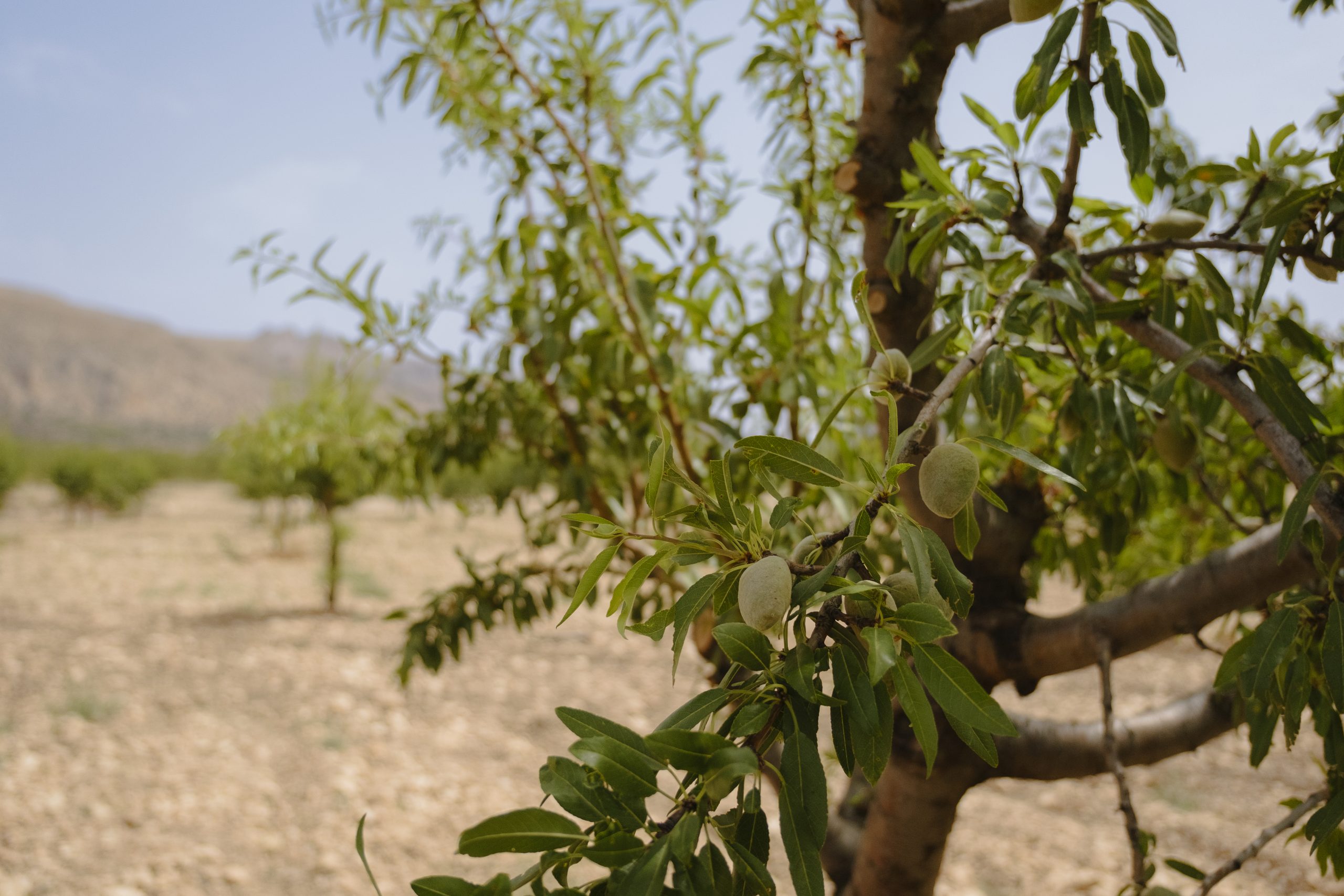
- Switching to more suitable crops and varieties. The introduction of more suitable crops or varieties, taking into account their water requirements for example, helps to reduce the negative impact of climate change on farming systems while ensuring stable agricultural production.
All these practices help to preserve natural resources and mitigate the adverse effects of climate change, by ensuring the long-term sustainability of the land.
Reducing food waste is another important factor in improving food security. Improving supply chains reduces post-harvest food losses and food storage time. These different measures can help to reduce the risks associated with reduced harvests and improve long-term food security.
While weather events are a major contributor to food shortages, other factors such as market dynamics, economic conditions and political factors can also play an important role in food availability and access. The war in Ukraine, for example, led to a spike in feed prices, as Ukraine is a major supplier of cereals, but it also led to a temporary shortage of mustard on French supermarket shelves, as French mustard manufacturers were apparently using Ukrainian mustard seeds in their production. The pandemic also had a huge impact on supply chains worldwide. These are factors that are hard to predict and even harder to prevent.
The challenge today, given the pessimistic forecasts issued by several scientific sources and the unstable geopolitical context, is to limit the damage caused by these extreme weather phenomena as much as possible in order to protect farmers and the population’s food security. To achieve this, we need to focus on more sustainable farming practices and a fairer and more efficient food chain.
References:
- IPCC – Climate Change 2023
- Organisation Météorologique Mondiale 2022- Changement climatique et phénomènes extrêmes
- Copernicus EU 2023 – Europe’s eyes on earth
- Copernicus 2022 – record temperatures in Europe and across the world
- FAO 2006 – Changing Policy Concepts of Food Security
- World Food Program 2023 – Ambassador Cindy McCain takes the helm at WFP at critical moment for global food security
- World Food Program 2023 – A global food crisis
Written by Giovanna Rodrigues

Giovanna es experta en comunicación. La alimentación, la agricultura y la sostenibilidad son sus áreas de interés y competencia. También es una apasionada de la música y le encanta debatir sobre cómo encontrar soluciones sostenibles para el futuro, mientras se toma una copa de vino (de Burdeos, a ser posible).
Keep digging ...