
Published October 2026
We are B Corp! (and what that means for us)
These past few years, there has always been a question in the back of our minds – should we get an official certification as a “seal of quality” for our activities, to prove our impact and our company’s credibility? And if so, which of the several existing certifications out there makes the most sense for us?
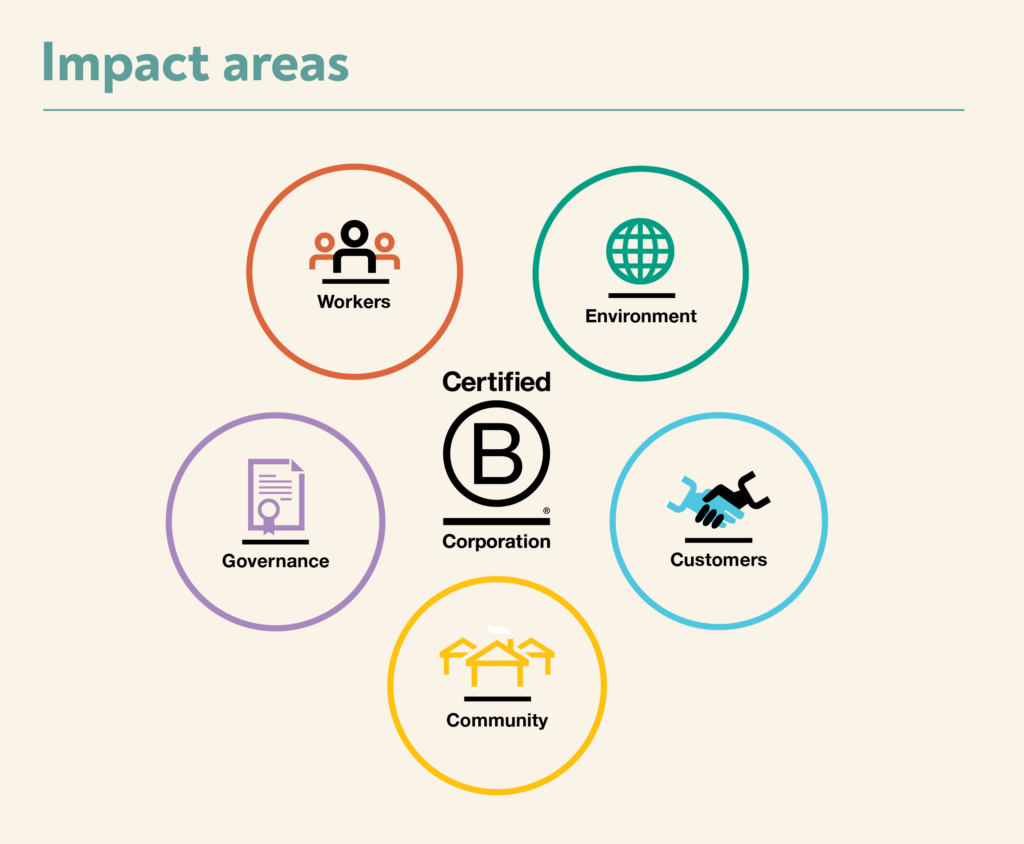
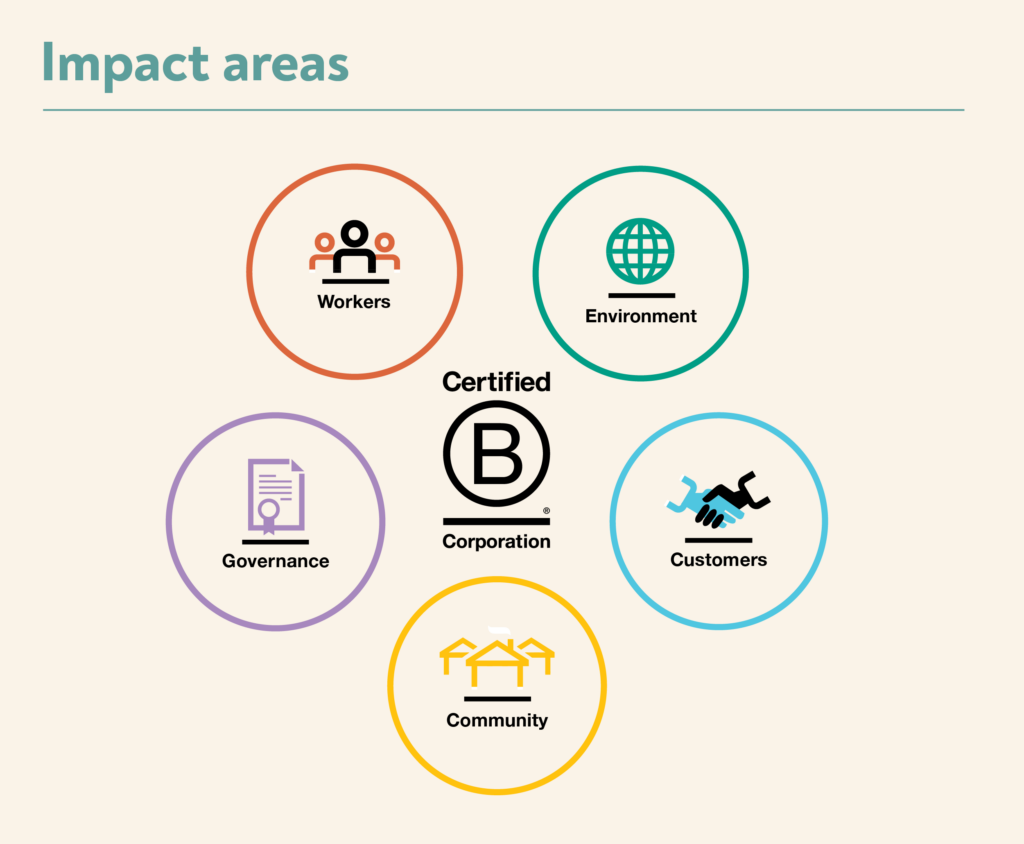
Today we are happy to announce that we have not only chosen to become a part of B Lab Europe’s network but that we have officially been awarded their B Corp certification, with a score of 106.6! Why did we join this “movement”? What does this score mean? What happens now?
Let us share the arguments that convinced all the internal detractors to get started with the certification process.
- We work with organic certified farmers – does this necessarily mean farmers without the certification are implementing conventional practices? Of course not. But we believe that having an external party define a set of standards and analysing if you comply or not is good to encourage change and trust at scale, and this applies to us too. If we want to grow our revolution, we need people to trust us, and we believe having an external party look into our guts helps in achieving this.
- What mirror do we want to look into? We tend to compare our ways to the traditional ways of doing things – to that status quo we aim to change. Of course, there are other great companies within the agrofood industry we look up to. However, there are areas we might not have been focused on until now, or challengers within other industries that can become new lighthouses for a future version of CrowdFarming. So we decided to open ourselves to new paths to improve the way we do business.
- Why not? What does it say about us if we turn our back on this movement? What point are we trying to make by not pursuing a B Corp certification? We asked ourselves these questions, and came to the conclusion that we had more to win by doing a self-critical exercise than by criticising a movement that might have its flaws, but is for sure encouraging a very necessary conversation.
So we decided to jump in! It has been a looong journey to be honest – but we finally got there thanks to the collaboration of different teams.
All that glitters is not gold…
We share the space with other certified brands that we admire and others that we might not have looked up to before, but we value the effort all of them did to get here. However, it worries us that this certification we decided to believe in becomes a greenwashing tool instead of a transformation tool, the end goal instead of a step in the journey.
There are a whole lot of decisions B Lab needs to make in these coming years that will be decisive in the certification becoming either a guiding star (for companies and consumers to inform their decisions) or a green paint brush (to keep doing business as usual but under yet another certification).
What now?
106,6 points… Is that good? To put this number into context, the maximum score is 200 (which no company has yet been able to reach), and most businesses score between 40 and 100. 80 points are what is required to become certified. But we won’t get complacent with our good grades. We have passed the first test, now it is time to see what the B Lab community has to offer.
- We need to scrutinize our results, understand how we are doing compared to others and against the Sustainable Development Goals (SDGs). Once you have finalized the assessment, you can start testing yourself against SDGs through an initiative developed with UN Compact.
- Pick our battles and prioritize what we need to improve by when
- Now that we are part of it, what is our role in the community? We want to get to know the community dynamics and understand how we can be of use to the B Lab community.
To conclude – B Corp is definitely not the end goal for us. After our conversations with them, we share their vision of this journey being one that starts – instead of ending – with the certification. It makes us proud that we made the effort of going through the process, and now we are able to talk from experience. We are expectant to see where this road takes us – both CrowdFarming and the whole B Corp movement.
→ To know more, check out our What The Field!? Podcast episode where we discussed these and other topics with Maria Correa – Head of Communications and Community Engagement at B Lab Europe.
Written by Cristina Domecq
Cristina Domecq is the Head of Impact at CrowdFarming. She operates where the boardroom, the field, and social conversations converge, convinced that the clues to fixing the food system are revealed in that intersection. Her goal is to achieve a behaviour change that sticks—a mission that only works if both farmers and consumers are truly on board.
Keep digging ...