Published October 2026
Letter to the 2022 harvest
2022 ended with news that struck me: Europe’s consumption of organic food has fallen in the past year. Analysts attribute this to the fact that during periods of increased inflation, sales of ultra-processed food rise and sales of organic products fall. How is it possible that European society cannot afford healthy and organic food because of financial constraints?
We know that organic agriculture is one of the most powerful tools for creating jobs and combating climate change. According to data from the European Union, the extended use of pesticides and chemical synthetic fertilizers degrades 60%-70% of our agricultural soils.
How is it possible that the consumption of organic food grown in Europe is not promoted more (with any kind of measures)? I can’t find an explanation for it. Especially because I think there are simple measures that could have a lot of impact such as not taxing organic and nutritious foods with the same VAT as non-organic goods, might have a huge impact. Alternatively, refrain from importing food from other countries until those grown locally have been consumed.
It saddens me to consider the consequences: a decline in consumption will put an end to the excellent streak of farmers switching to organic farming. Worse, some of those who have lately made the transition are now reverting to using synthetic pesticides that destroy ecosystems. Furthermore, the transition to organic farming in Europe coincided with a generational shift, and the decline in consumption may discourage young producers (the average age of farmers growing organic crops is 48 years and that of those who grow with synthetic pesticides is 64 years).
The start of a new year has turned grief into motivation. There are numerous things CrowdFarming can do to help reverse the situation, and one of them is our outreach effort to create awareness in society (farmers and consumers) of the environmental, social, and economic benefits of organic farming.
Agriculture in Europe needs to be associated with environmental responsibility, fair pricing, and high-quality jobs.
What have we done in 2022?
We have launched our podcast What The Field?! to discuss the sustainability of the food supply chain with experts in a didactic and transparent way. This podcast has become one of my favourite hobbies. It allows us to have the perfect excuse to meet extraordinary people, invite them to chat and learn from them.
In terms of functionality, we have had a very busy last quarter on the website. We were desperate to offer the option to gift adoptions (it’s already available!). For now you can only give the adoption as a gift for one season. During this year we will be rolling out improvements so that, for example, you can include payment for shipping in the gift.
We have also introduced the option of group orders. This way you can share the payment of a box with several people and save the environmental and economic cost of transportation.
We are quite proud of these improvements, but now is also a good moment to reflect on our failures, assess why we failed, and plan how we will go forward to prevent repeating them. I also want to say thank you for being patient with us if there was ever a problem.
Where have we failed?
- Logistical issues: we have improved a lot compared to last year, but we need to continue to improve. We delivered 70% of orders on time (vs. 64% last year).
- We wanted to start selling summer fruit last year, but we could only conduct a few tests. We didn’t yet have a reliable way to deliver summer fruit to your home due to packing and refrigerated transit issues. We hope that next summer we will be able to offer you peaches, apricots, plums, etc. and that they will arrive in good condition.
- The last year has seen a number of technical issues with our new app. It has much improved over the past month, so if you don’t already have it, I recommend you download it so you can place orders more quickly.
Optimistic vision for 2023
While last year’s organic consumption data was not encouraging, the direct selling data was: we are a niche market but with a very engaged community.
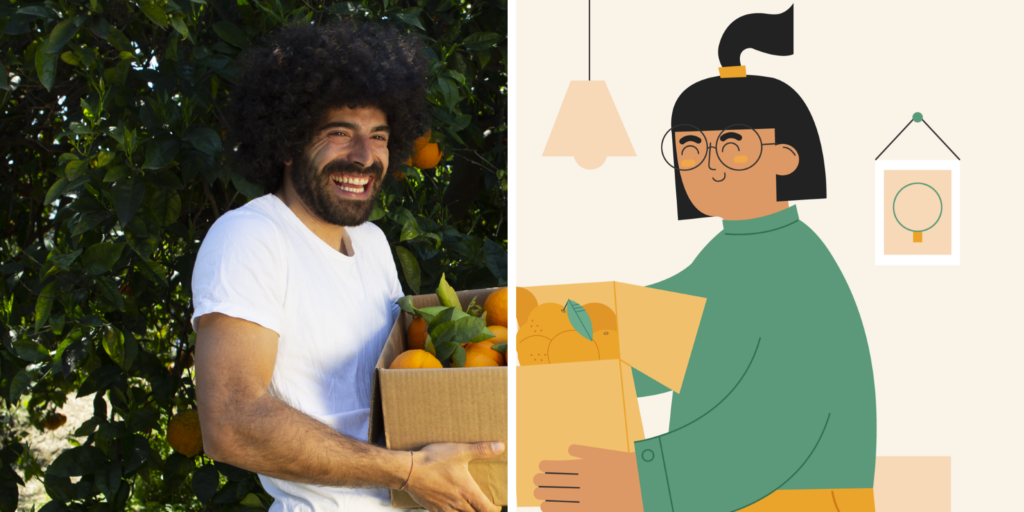
There have only been 3 farmers (out of more than 290) who have given up on direct sales in the past five years. The remainder are still here, expanding each season and showing greater enthusiasm than ever before.
Happy 2023!
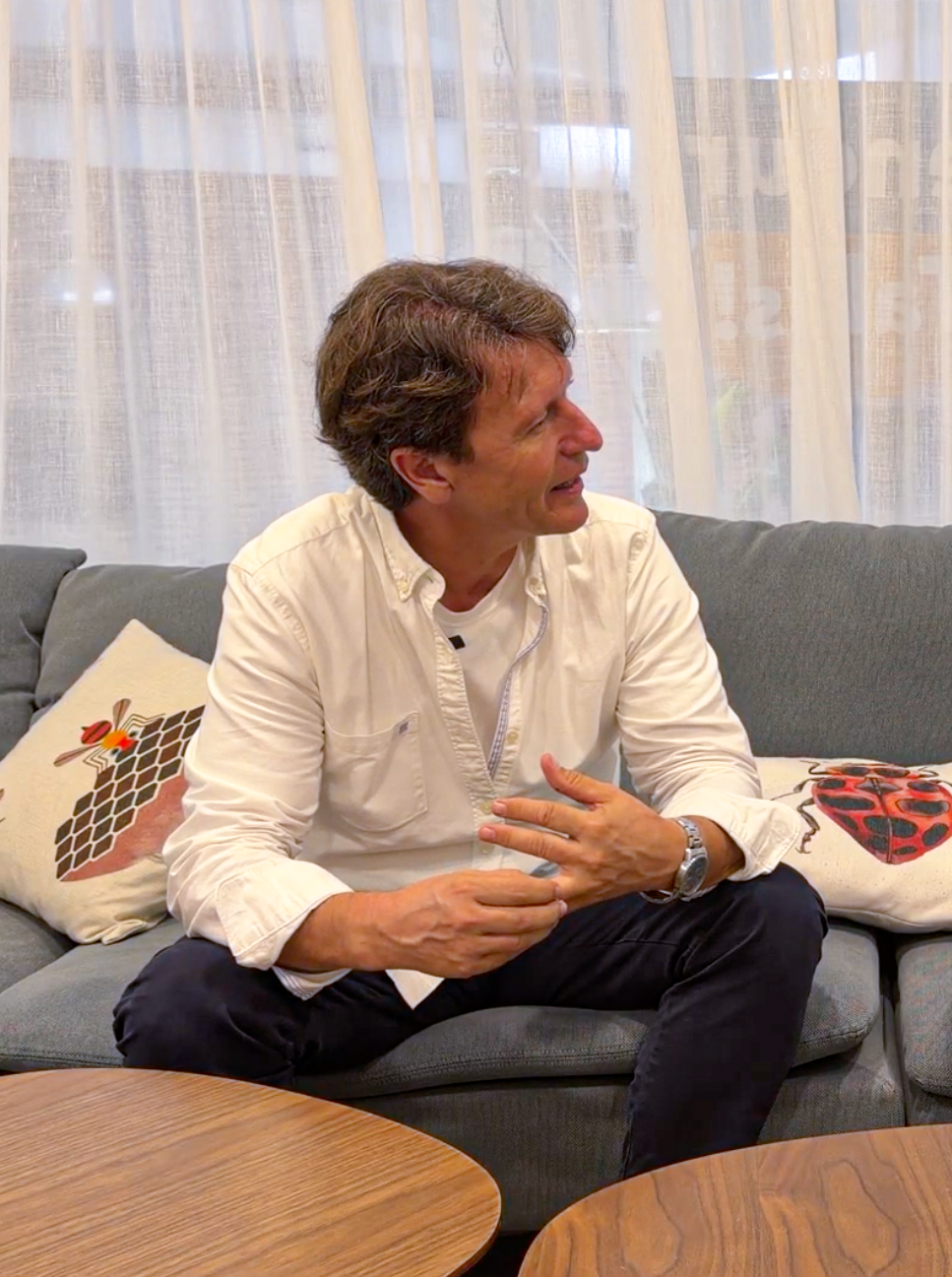
Written by Gonzalo Úrculo

Gonzalo es un "farmeneur". Como cofundador de CrowdFarming y agricultor, divide su tiempo entre la oficina y el campo. Además de la agricultura, disfruta leyendo y escribiendo sobre productos digitales y logística y discutiendo sobre su impacto en la cadena de suministro de alimentos.
Keep digging ...