
Looking for more? 

We’re just an email away.

Field news

min

Published October 2026

Your Farmer’s voice: Canard des Rizières

Dear CrowdFarmers,

First of all, we would like to thank you for your adoptions and your trust, our activity is at its lowest point and we are proud to embark again on this beautiful adventure this year.

This year has been marked by transmission, indeed, Bernard and his wife Catherine Poujol, who created Canard des Rizières in its entirety, have joined Mathieu Lacan and his partner Sabrina who are gradually taking over the production and marketing part with, of course, the same method, the same passion and the same convictions that motivate them.

They are in fact the ones who are behind the CrowdFarming project and this is particularly close to their hearts.
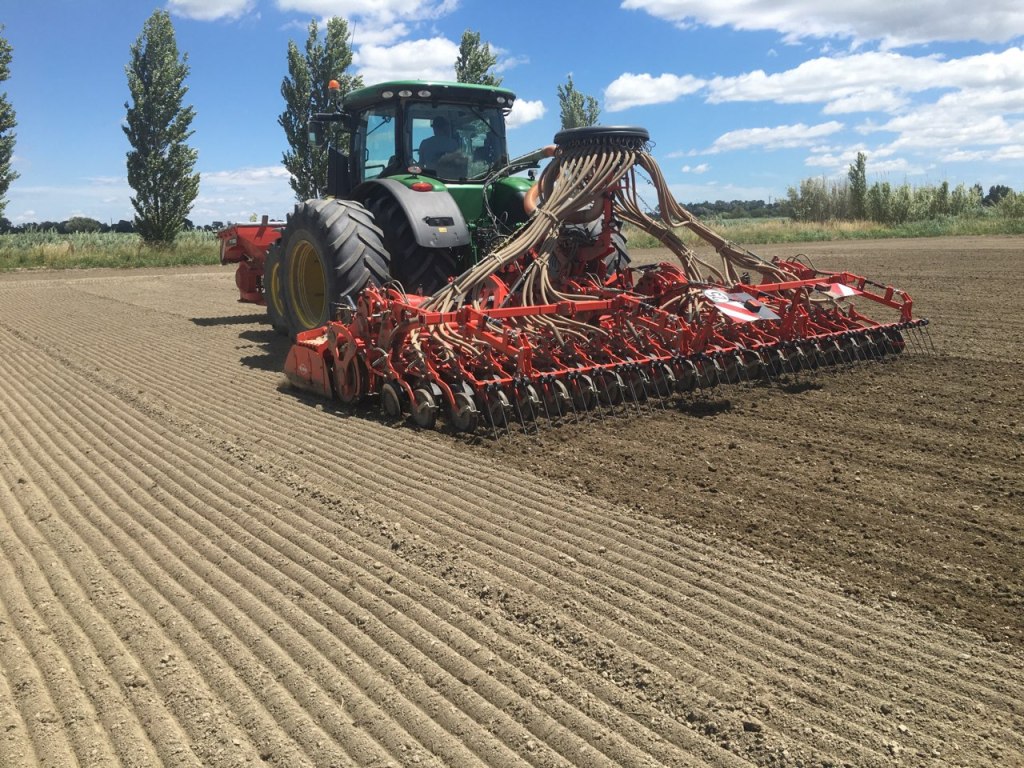
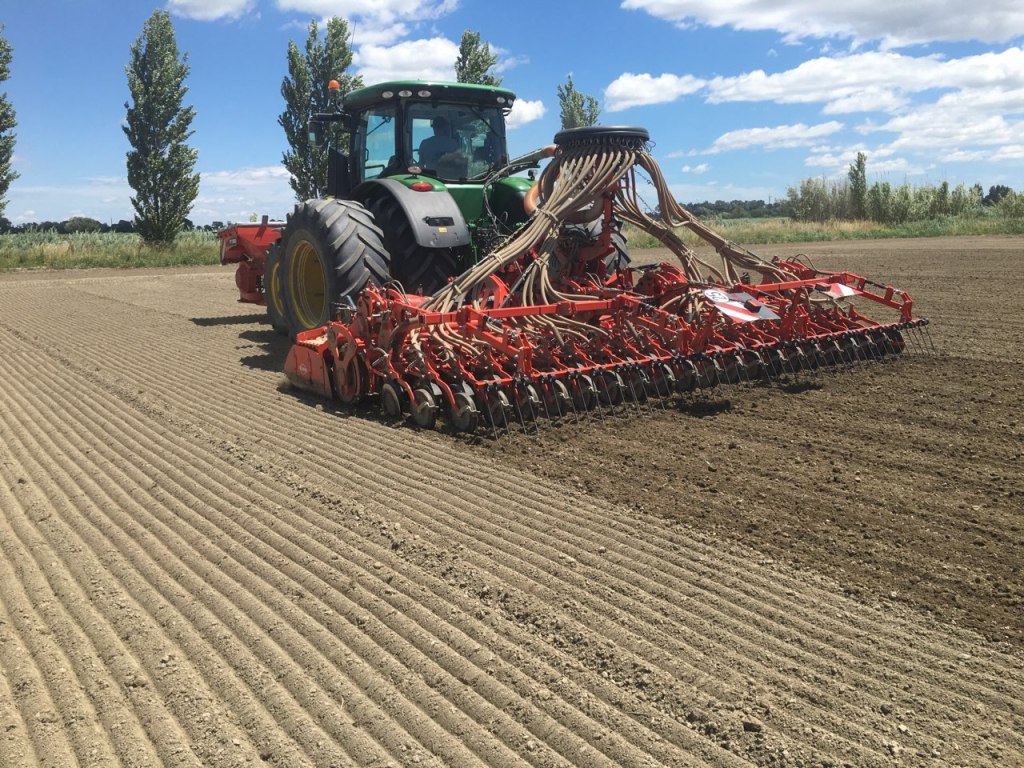
The tractor preparing the rice field

This month is busy with work, we are preparing the soil for the sowing of the rice this weekend.

At the same time, Bernard and Mathieu are harvesting alfalfa to feed our herds of Aberdeen Angus and Gascon cattle, also in Organic Agriculture. At our place, animals and plants are one!

This year was also marked by the loss of many ducks to predators, so Bernard dug an island on the farm to create a place of refuge.
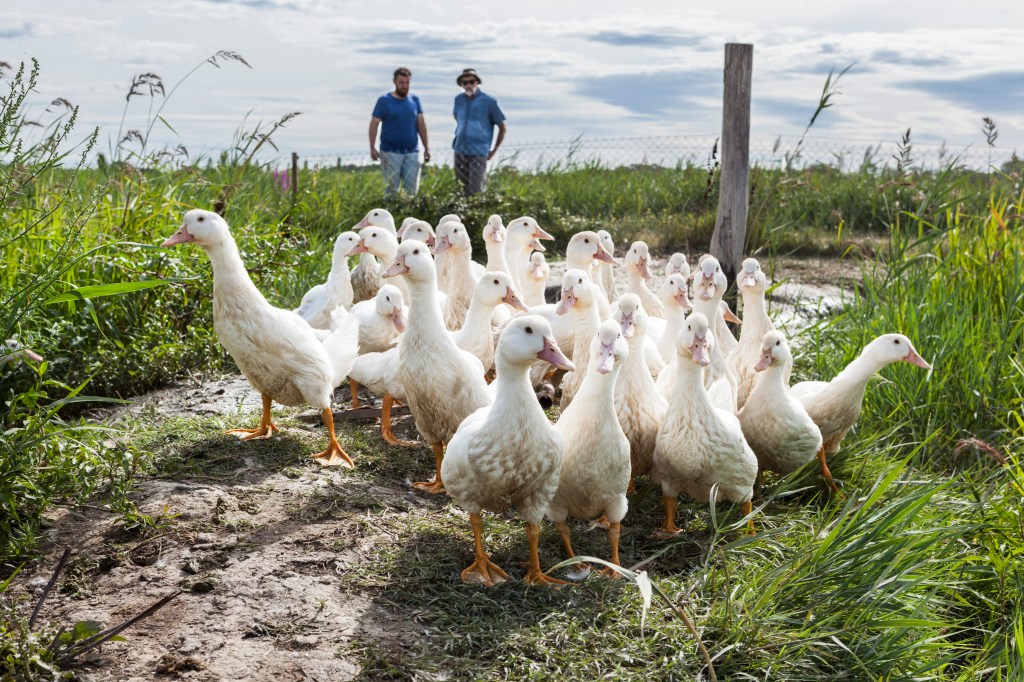
Ducks in the rice fields with two farmers
©lahcène ABIB

We look forward to receiving the ducks within the next month. We will send you pictures once we put them in the rice fields. It’s a very emotional moment for us, it’s the beginning of a long agronomic process where our farming method makes sense!

Last December, we took great pleasure in preparing each of your boxes. We were touched by the number of adoptions but also by the diversity of countries. Crowdfarming made it possible to make our rice known beyond borders.

We don’t have the time to travel, but in your way, you allowed us to do so.
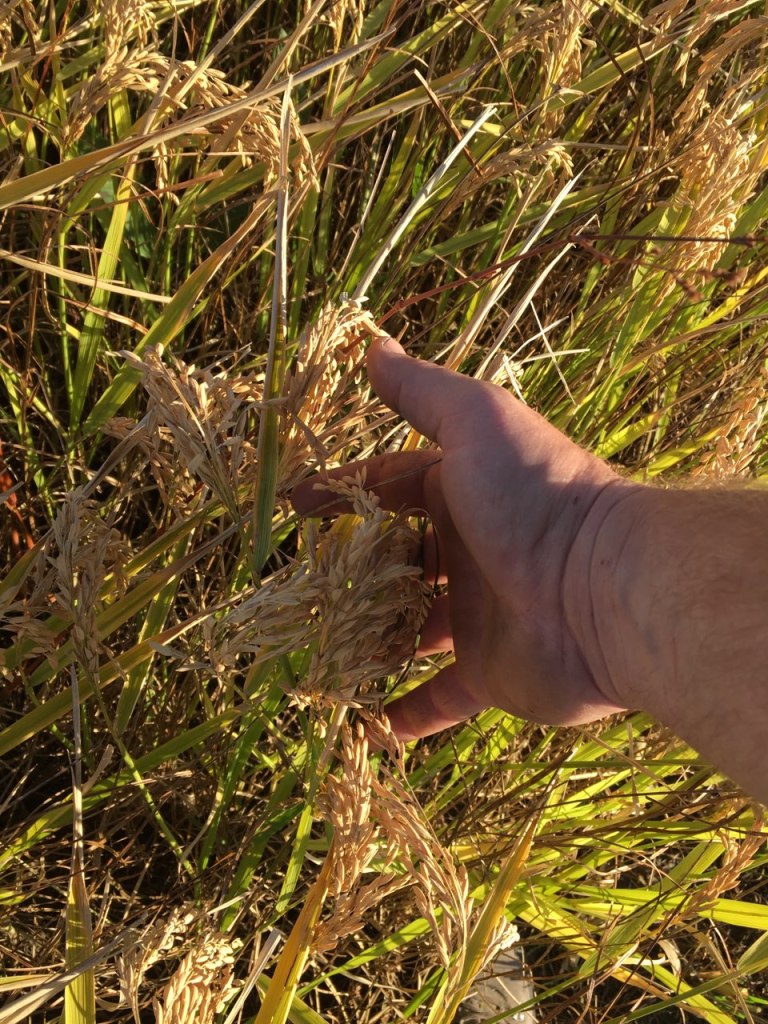
A hand through the wheat

Thank you again, take care of yourself and your loved ones and think that today is the day we build tomorrow!

Catherine, Sabrina, Bernard and Mathieu


Written by Farmers of CrowdFarming

Farmers of CrowdFarming

Share this content:

Keep digging ...

Field news

3 min

The ‘Mad German’ 40 Years On

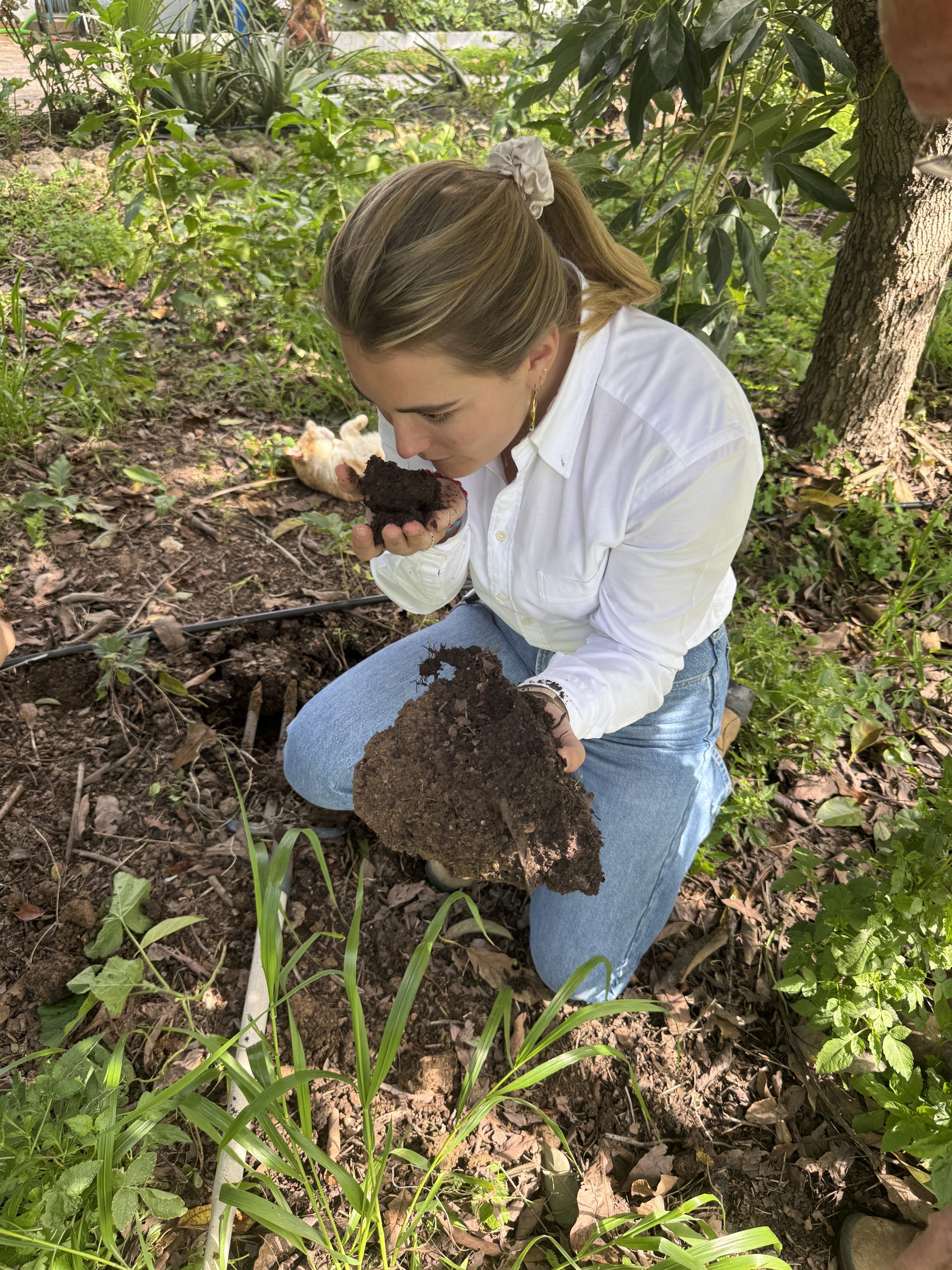
If you take a stroll with Friedrich across his farm near Gibraleón today, the first thing you’ll notice is the noise: a literal wall of birdsong. But behind this idyllic scene lies a radical choice made years ago—one that flew right in the face of convention. Today, having held Demeter certification since 1994, he’s living proof that his “madness” was the only logical response to the crisis facing our soil.Forty years ago, Friedrich fell in love with Finca Jelanisol-Montebello during a trip to Spain. At the time, he was working as a middleman for conventional fruit and veg. Two things happened back then that made him stop and think: A friend gave him a book on permaculture by Bill Mollison, which sparked an idea. While visiting a farm in Italy, he found himself desperately digging for earthworms. When the farmer told him there weren’t any “because you don’t need them,” Friedrich began to question everything. A Holistic Vision: Everything is ConnectedFor Friedrich, farming isn’t an isolated job; it’s part of a much bigger picture. He holds a deeply philosophical, holistic view of the world where everything—from soil microbes to the end consumer—is linked. He doesn’t see his farm as just a production site, but as a living organism where people and nature live in harmony. In his eyes, a peaceful society can only exist if we produce in tune with nature. If we get it right, there’s enough for everyone—we just can’t afford to destroy the foundations.One of the biggest things driving Friedrich is a deep-seated worry about the state of the modern diet. He explains that much of the food we eat today is “empty.” By this, he means conventional produce that, thanks to pesticides and long storage times, has lost any real nutritional value. He lives by the rule: Healthy Soil = Healthy People. Only living, regenerated soil can produce fruit that actually nourishes the body.One of the first things Friedrich did was build a large pond—not for irrigation, but purely for the birds, frogs, ducks, and fish. It also acts as drainage during heavy rain. They produce their own organic fertiliser using microorganisms, supplying the trees with a steady stream of minerals through a drip irrigation system.

Read

Field news

min

The Science Behind the Sweetness

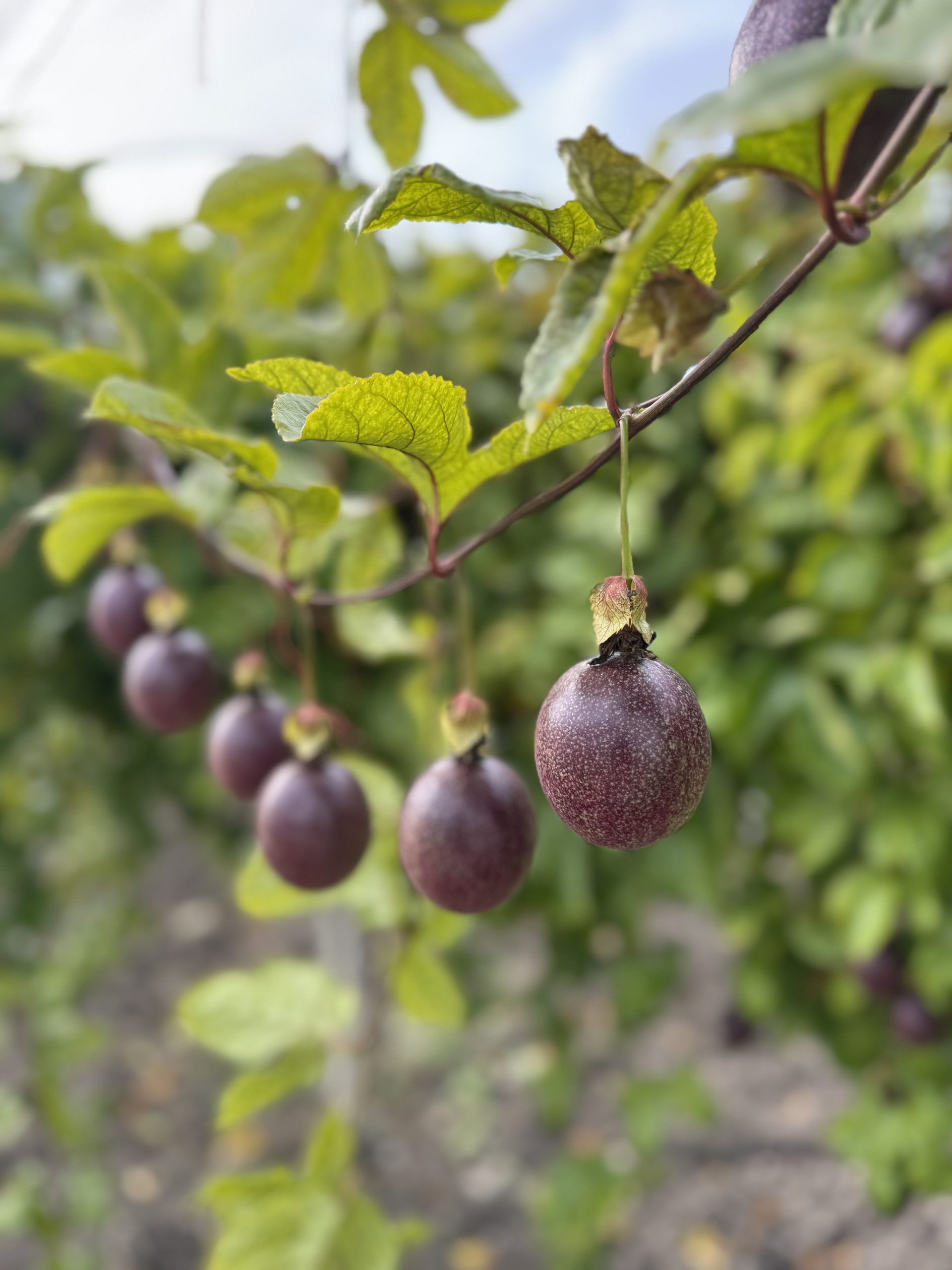
We visited Antonio from Sicilian Passion in Sicily. In a region traditionally known for its citrus fruits, Antonio decided to take a different path several years ago: he grows passion fruit (and even papayas!).Brix value, ensuring that the fruits have reached the required physiological maturity and full aromatic profile. Harvesting only begins once these thresholds are met. In the video below, you can see our colleague Angelo taking these measurements. It’s a lot of fun, because you’re literally looking into the future.Ripening Characteristics and EtymologyAn important quality characteristic of passion fruit is the texture of its skin. Unlike many fruits, here’s the rule: the more pronounced the wrinkling of the fruit, the higher the sugar content. Due to slight evaporation during the ripening process, the fruit sugar concentrates inside, while the acidity subtly decreases. There are two harvests per year – one in the winter months and one in the summer months. Especially in summer, the fruits are “wrinklier” because the liquid evaporates faster due to the heat.Did you know that the name “passion fruit” is derived from Christian iconography? Spanish missionaries in the 16th century interpreted the complex flower structure as symbols of the Passion of Christ. The filaments of the flower were associated with the crown of thorns, the three stigmas with the nails of the cross, and the five stamens with the wounds. In the gallery, you’ll find a picture where this is very clearly visible.

Read