• Directly from the farmer

  • Harvested on demand

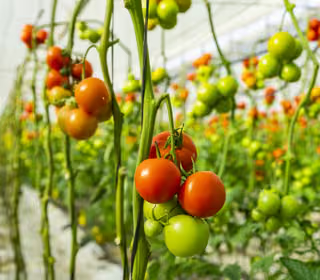
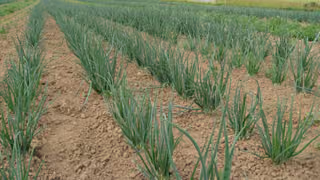
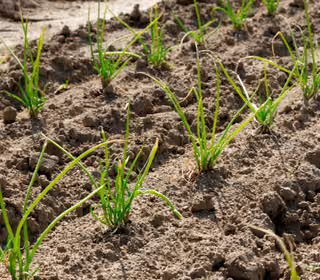
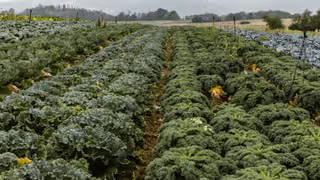
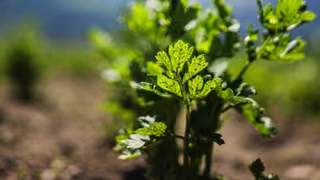
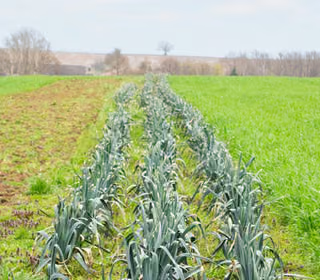
  • Produced in harmony with the environment

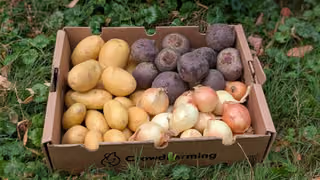
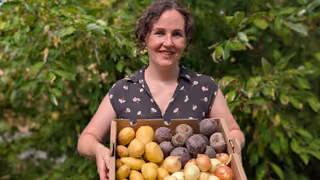
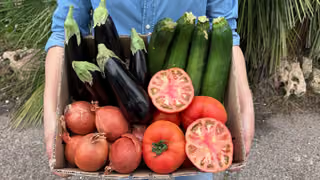
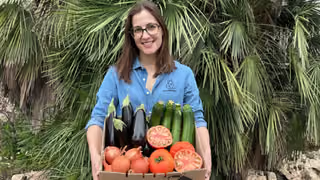
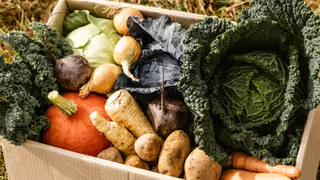
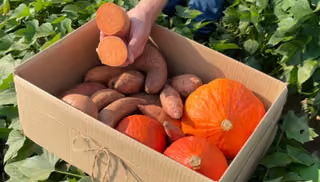
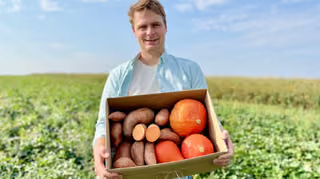
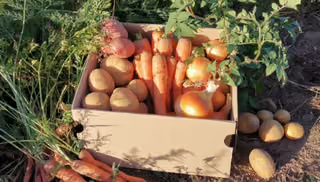
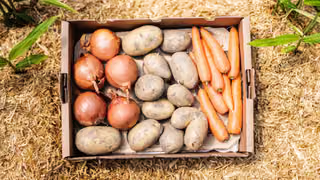
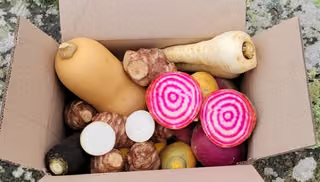
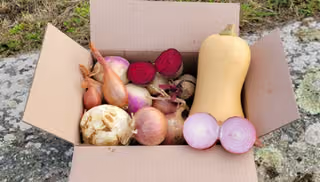
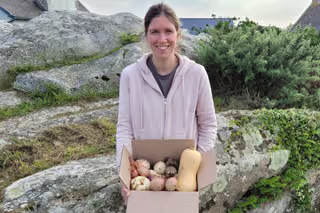
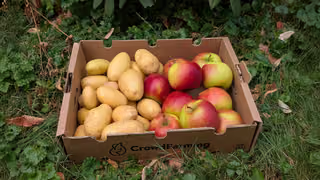
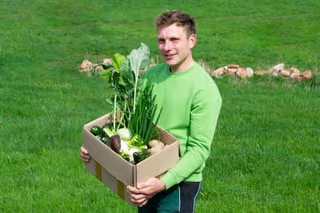
  • The composition of the vegetables in your box changes every month, allowing you to follow the harvest year through taste.
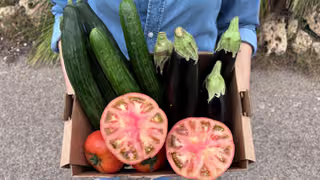
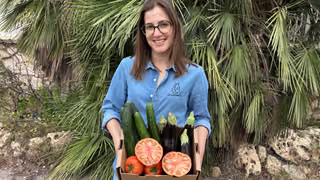
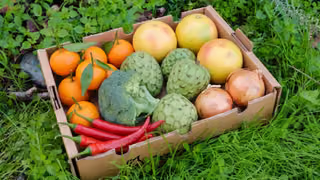
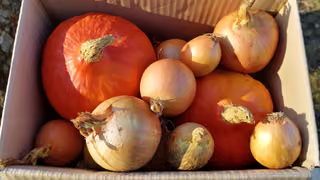
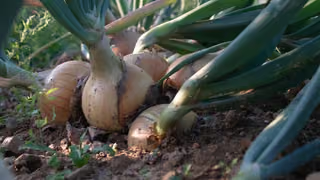
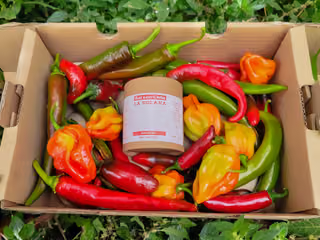
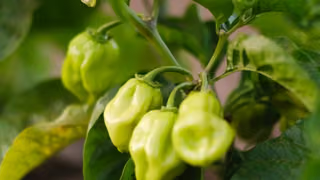
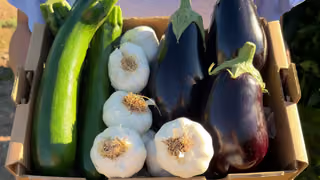
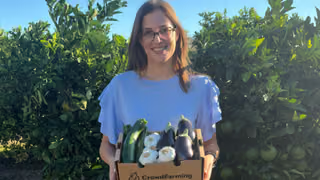
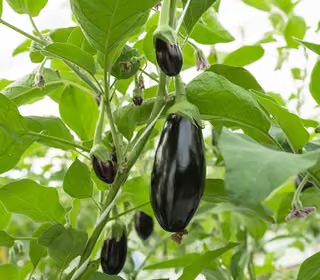
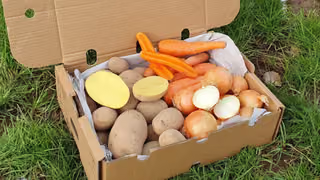
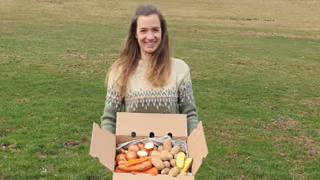
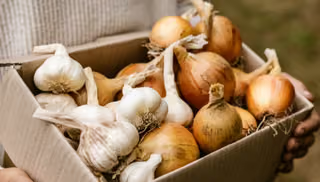
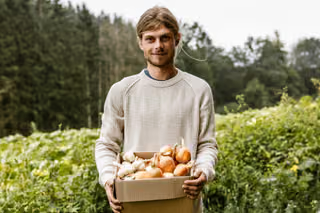
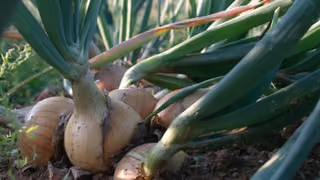
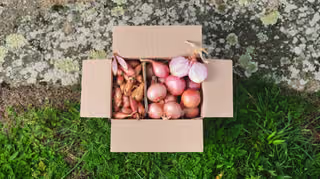
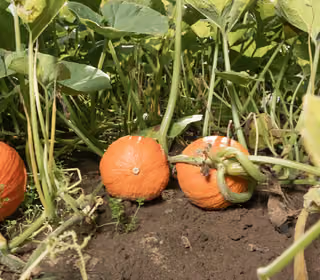
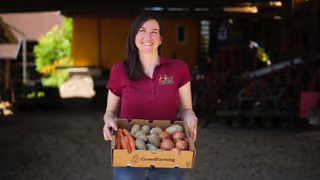
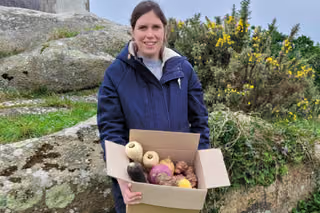
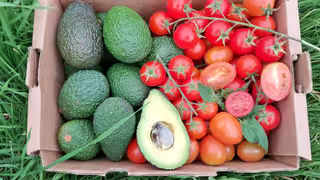
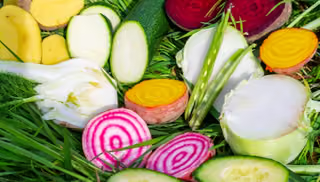
  • Your box always contains at least three different seasonal vegetables, including, for example: potatoes, beetroot, various types of cabbage, various pumpkins, various onions, radishes, Jerusalem artichokes, rutabagas, courgettes, aubergines...
  • If you would like to know which vegetables we will be harvesting in the next few months, you should take a look at ‘Additional Analyses’
  • Organic cultivation, certified with the European seal for organic farming since 2014 and organic-vegan cultivation since 2022
  • The individual vegetables may vary slightly in terms of quantity; in the worst case, a crop may fail due to a lack of rain, early frost, snow, etc.; however, you will receive a total quantity of 10 kg in any case
  • Attention! The vegetables arrive unwashed; they may still have soil on them; this may not look nice, but it prolongs the shelf life

This calendar shows the months during which the farmer has this product available for shipment. The dates are based on the natural production cycle and may vary slightly depending on each year's harvest.

2026

November

2026

December

2027

January

2027

February

2027

March

2027

April

2027

May

2027

June

2027

July

2027

August

2027

September

2027

October

Nutrition facts

Typical valuesper 100 g
Energy15 kcal / 63 kJ
Fat0.11 g
Saturated Fat0.037 g
Carbohydrates3.63 g
Sugars1.67 g
Dietary Fiber0.5 g
Protein0.65 g
Salt0.005 g
Vitamin K16.4 mcg
Vitamin C2.8 mg
Potassium147 mg
Magnesium13 mg

Mixed seasonal vegetables

Biohof Hausmann · Rochlitz Ot Breitenborn, Germany

Meet the farmer and their farm
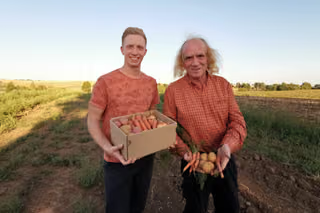
Daniel Hausmann

Daniel Hausmann

Biohof Hausmann

3 years

in CrowdFarming
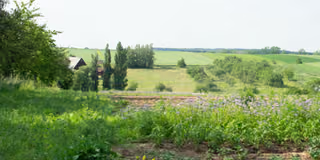
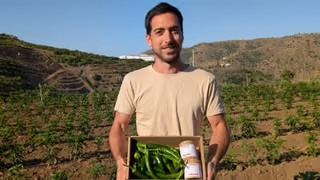
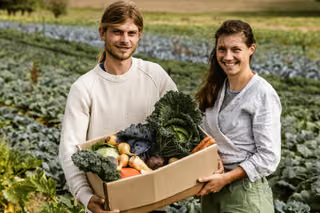
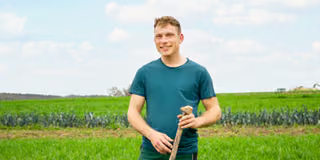
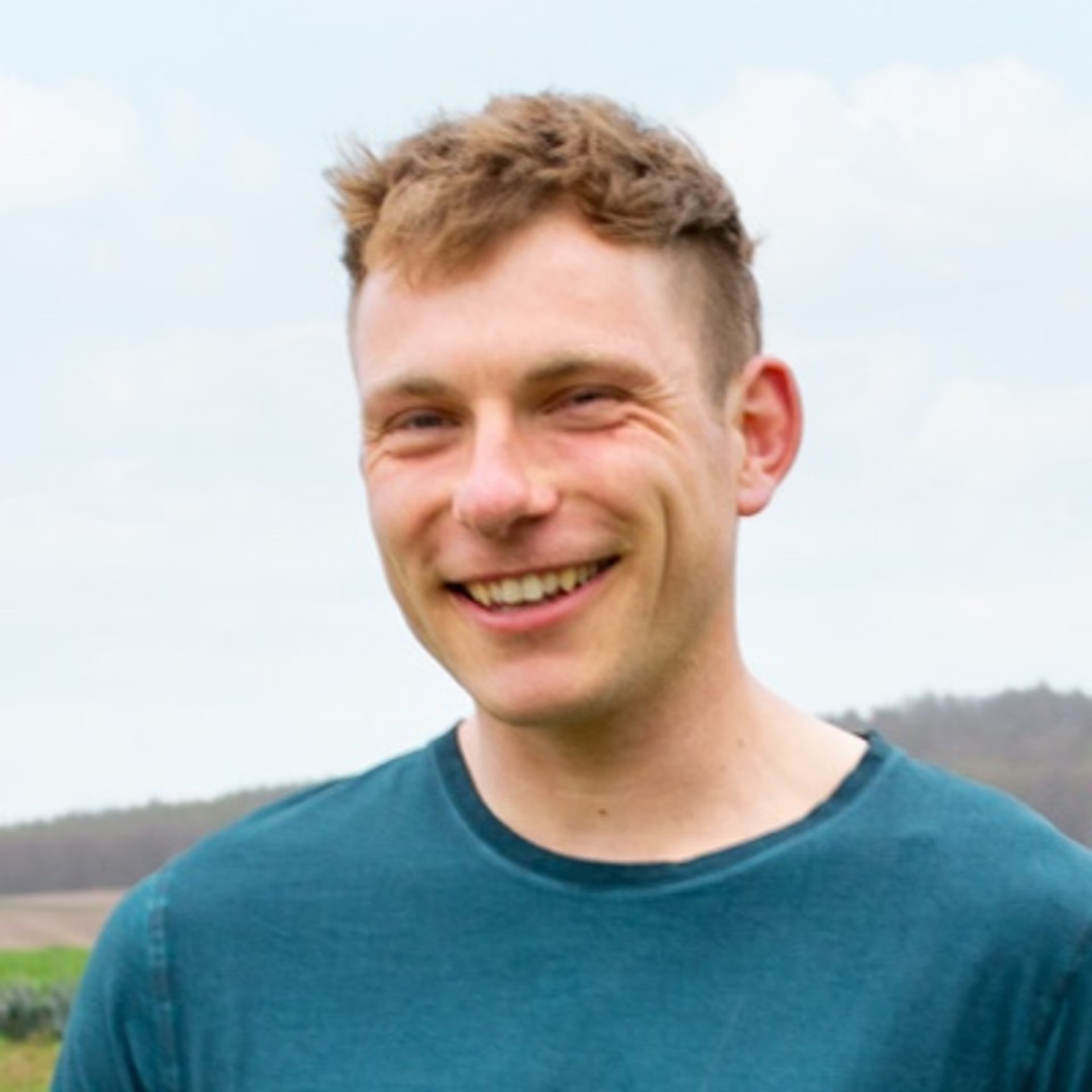
My name is Daniel Hausmann. I grew up on a farm and since I can remember I was interested in how to grow things like vegetables, grains and fruits. In 2012, my father died and I took over the responsibility of the farm. At this time, we cultivated grain and kept some cattle. Actually, at that time I had just started training to become a curative education nurse and work with handicapped people. To prevent closing or renting the farm I dropped out of the training and did an internship at the neighbour's organic farm. They grew vegetables and I soon realised that that's exactly what I want to on my farm. In the autumn of the same year, I started to study 'Organic Farming and Marketing' at the Eberswalde University of Sustainable Development. Due to lack of time, we sold the cattle and had the fields cultivated on a contract basis. This means that a service provider takes over the work and invoices us for it. Through new contacts and a new social environment at my university, I became more and more involved with the topic of veganism and decided to live vegan. Of course, it didn't make sense to acquire new farm animals. In 2014 we converted the farm to an organic one. Since then, we have deliberately not used any animal fertilisers, so we have also been farming organic-vegan, so to speak. Two years later, in 2016, I finished my studies. My mother Jana quit her job at the bakery and together we started growing vegetables. Slowly, our team grew - in the meantime, my uncle and four other part-time workers also started working on the farm. In the morning we meet on the farm and talk about all the tasks for the following days. Together we decide who's taking over which task. Then we usually split up, but see each other again at the latest for lunch together. There we always cook for everyone. Monday to Wednesday we are mainly in the fields. Thursday we pack our subscription boxes and deliver them. Friday is the buffer for all the tasks we didn't get done during the week. With our farm, I want to show that biocyclic vegan farming is possible and also profitable. It's particularly important to me to show alternatives and to deliver directly to the people. At the moment our veggies are just available for people living around Leipzig. With CrowdFarming we can reach people all around Germany. This way you can also support our way of farming even when you're living far away!
Rochlitz OT Breitenborn, Germany
Altitude300 meters
Team3 women and 4 men
Size65 hectares

Farm weather forecast

"I don't just want to produce healthy organic food. I also would like to produce it vegan and organic while showing, that it is possible to rebuild a small farm in difficult times. I definitely see a cruelty-free way of farming in the future. Technology helps us to work more efficiently without distancing ourselves from nature. That's why CrowdFarming is a smart way to bring together farmers and consumers to support each other, no matter how far apart they are."

Direct sales (adoptions in particular) provide farmers with the price security and stability they need to farm organically, allowing them to focus more on the nutritional quality of the food rather than its appearance.
Direct sales vs supermarkets

Direct sales vs supermarkets

Differences between buying from a farmer or in a supermarket

CrowdFarming

Supermarket

Where are the fruits and vegetables now?

In the field

In a warehouse

When are the fruit and vegetables harvested?

On request

Already harvested

Post-harvest treatment

None

Waxes and fungicides

Quality criterion

Freshness and nutritional value

Size and shape

Frequently asked questions

The displayed price is the final price. During the checkout process, the amount you see is the amount you pay to have this box delivered to your home, with taxes and transport included.

Whatever issue may arise, foreseeable or not (such as bad weather), we at CrowdFaming stand behind our farmers. We guarantee you a secure payment and a refund if a product arrives in poor condition or you are not satisfied.

Our farmers and their harvests depend on each year's weather. When you order from CrowdFaming, that affects you indirectly too. The products you buy are not waiting in a warehouse. They are growing on the farms and are harvested to order.

Rain, wind, hail or frost can delay your order. If we cannot be sure the product will reach you in good condition, we may have to cancel it.

Our agronomists help the farmers reduce these risks and, if something does happen, find a solution.

If the assigned farmer cannot send you the product, we can usually send you a similar product from another farm. If that isn't possible, we will let you know and refund your order.

CrowdFarming farmers only harvest and ship their products at their optimal ripeness.

You can plan your order at any time of the year. The delivery date shown by default is the earliest date the farmer has confirmed that the product will be ready to be harvested and shipped.

The delivery dates shown are indicative. Natural factors such as delayed ripening or rainfall may bring the delivery date forward or push it back. If this happens, we will inform you of any changes.