
Published October 2026
Your Farmer’s voice: Bienenhilfe
Dear CrowdFarmer,
The new 2021 year has begun for us humans: Calendars for 2020 were trashed, replaced by new ones and our technical devices change the year to 2021.
But what happens to bees at end of the year?
Of course, our honey bees do not orientate themselves according to our calendar and our time calculations. They rely on their little inner clock and on the clues provided by their environment instead. If you take a careful and thorough walk in nature, you can identify these signs each year throughout the year. If honey bees had a calendar, then the dates of the solstice in winter and summer would certainly be marked in bold!
What happens to your adopted honey bee colony during winter?
With the completion of the winter solstice on 21st of December, more young bees emerge in your honey bee colony, because the mother of all bees in the colony – the queen – begins to lay more and more eggs again.
The numerous new arrivals are urgently needed! Even if it doesn’t feel like it right now here in Much and perhaps at your home as home, early spring is not far away.
With constant brood care, it takes about 500 hours or 21 days for a young bee to emerge from a honey bee egg. After the honey bee sees the light of day, it lives inside the hive for about 20 more days before making its first excursions.
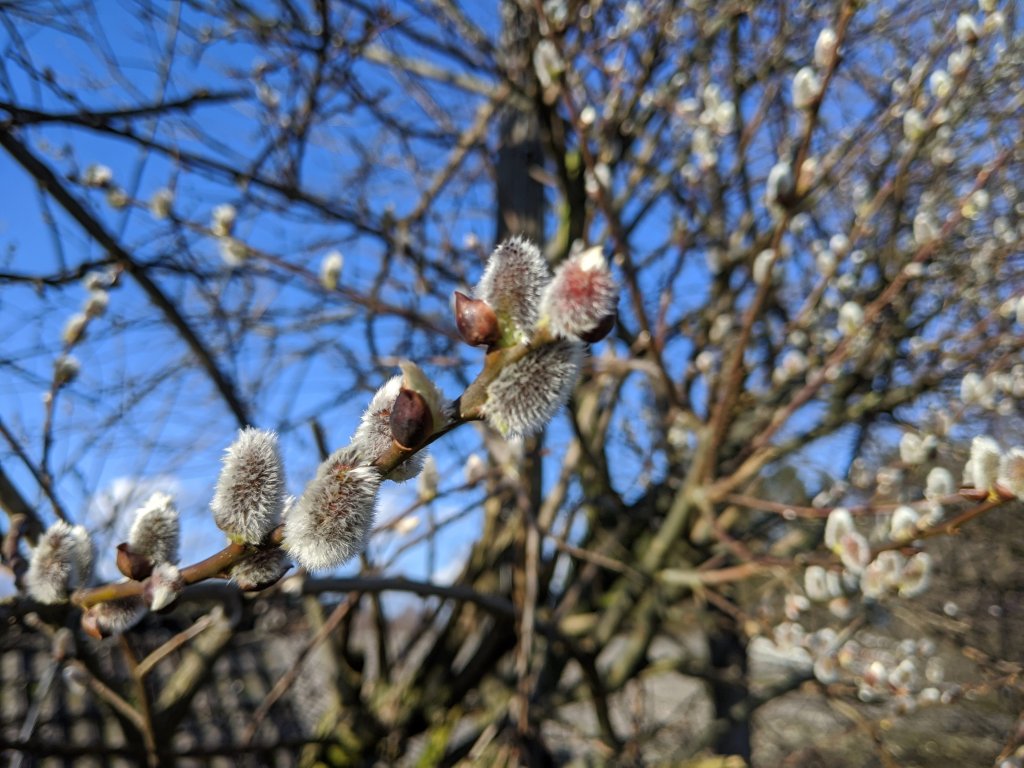
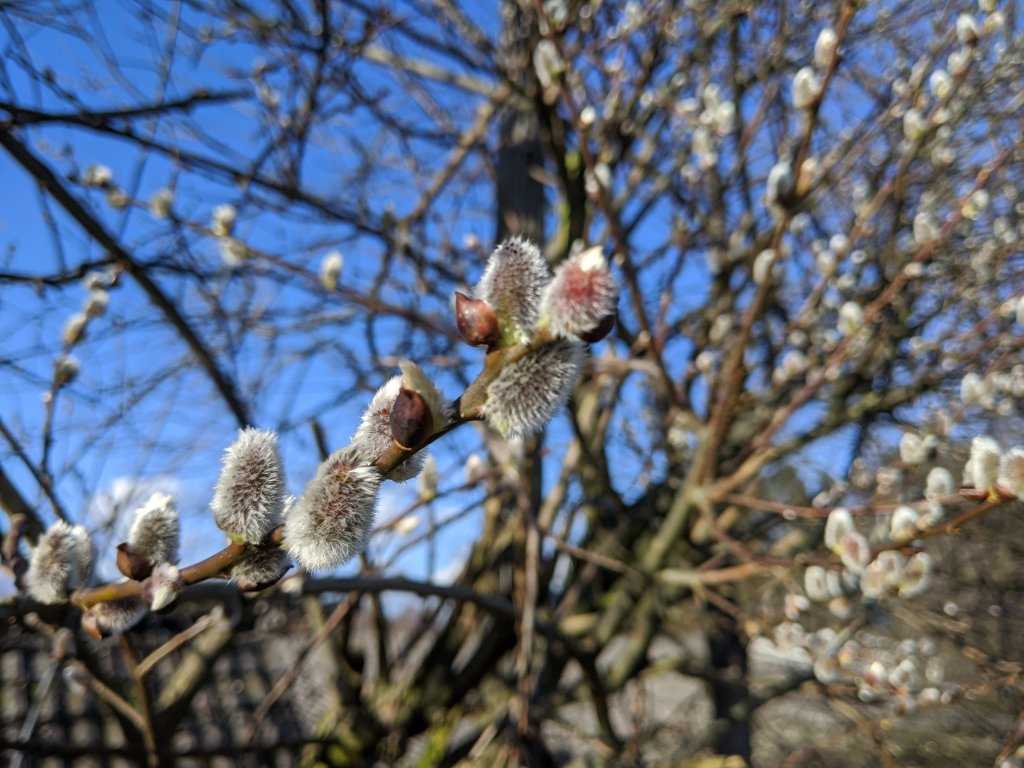
A young honey bee that hatches from an egg laid at the end of January would therefore be ready for its first collection flights by around mid-March. This means that it starts at an important time, just in time for the flowering of the willow, one of the most important pollen and nectar plants in the bee year!
Not far from our apiary stands a beautiful willow, I call it somewhat jokingly “the reference willow” because I observe the development of the flower on it and thus draw conclusions about the course of the early spring.
That’s what it is, isn’t it a delight ?
Our special highlight of the past year:
Starting with CrowdFarming!
This past season was my first as a farmer with CrowdFarming. I have been warmly welcomed to the family and am very happy to be part of it.
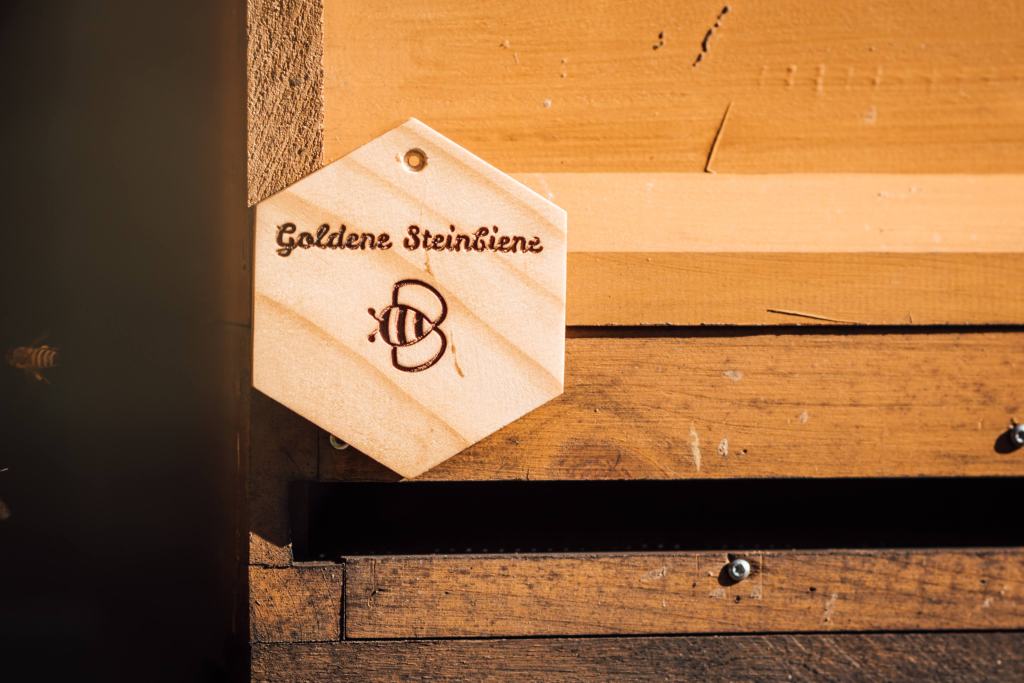
As you know, the aim of our association Bienenhilfe für Umweltschutz e.V. is to draw attention to the world of wild bees and their food plants, which are worth protecting, thanks to our bees’ honey. That’s why I have christened the bee colonies and attached a small wooden plate to each one with the name engraved on it. The colonies bear the name of a wild bee or a bee plant that produces pollen or nectar for the bees.
What experience from last year should not be repeated in 2021?
In March, a perilous situation happened at the apiary where I had placed last year’s new colonies! Because of the heavy rainfall, the river overflowed its banks and came dangerously close to the hives. We were lucky: my friend Albert from a neighbourhood close to the apiary contacted me, pointing out the unusually fast rising water level. With a lot of help, we evacuated the apiary the same evening, partly in the dark, and brought the colonies to safety. A few days later the water levels decreased and the apiary could be reoccupied.
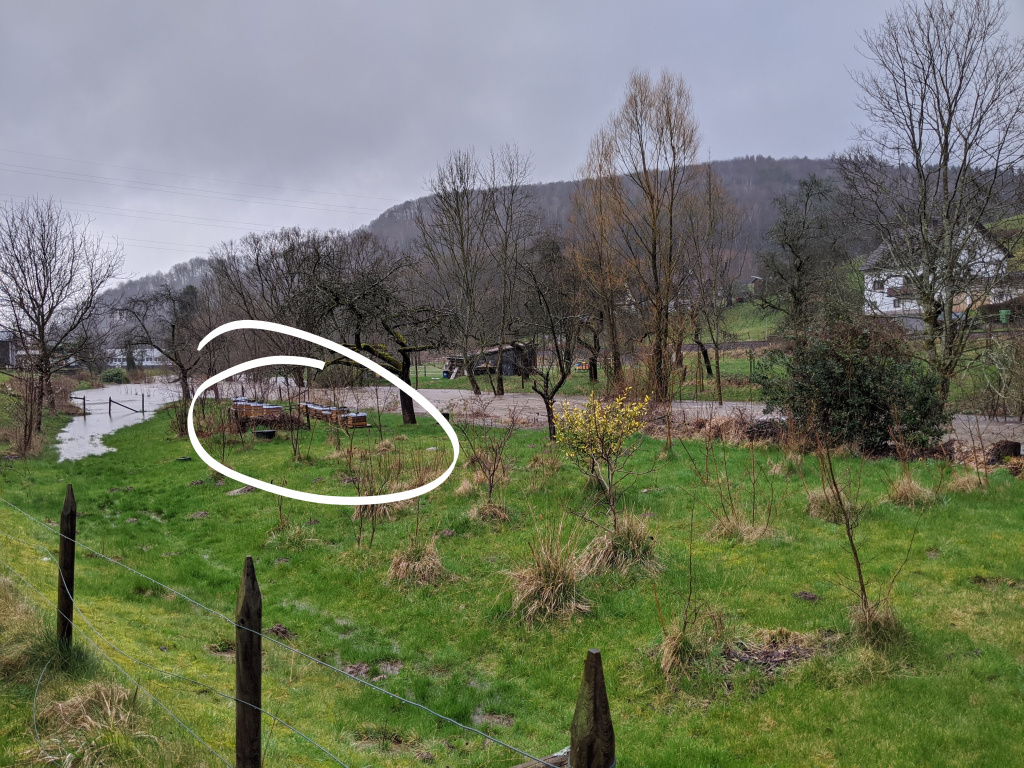
In the meantime I have renewed the wooden construction on which the colonies stand and placed it so high that the danger of flooding is avoided. I have used spruce wood from the local forest.
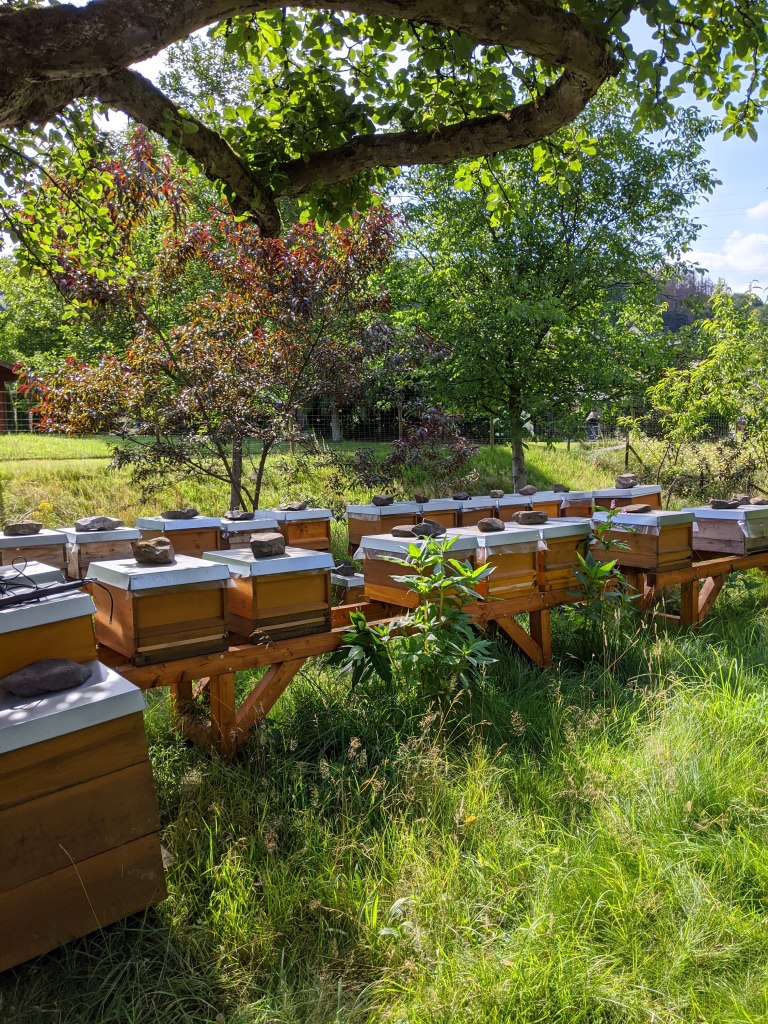
Spring at the apiary
During our spring appointment at the apiary in Much, we had forgotten the trauma of the floodings and the weather was wonderfully sunny and warm. The bees were out on excursions. We checked whether we could do something for our colonies. In addition, we increased the number of colonies. A wonderful job! I will use some of the honey from the newly formed colonies to make mead because of the increased demand. I have been preparing mead, also called honey wine, myself with a lot of love for several years now.
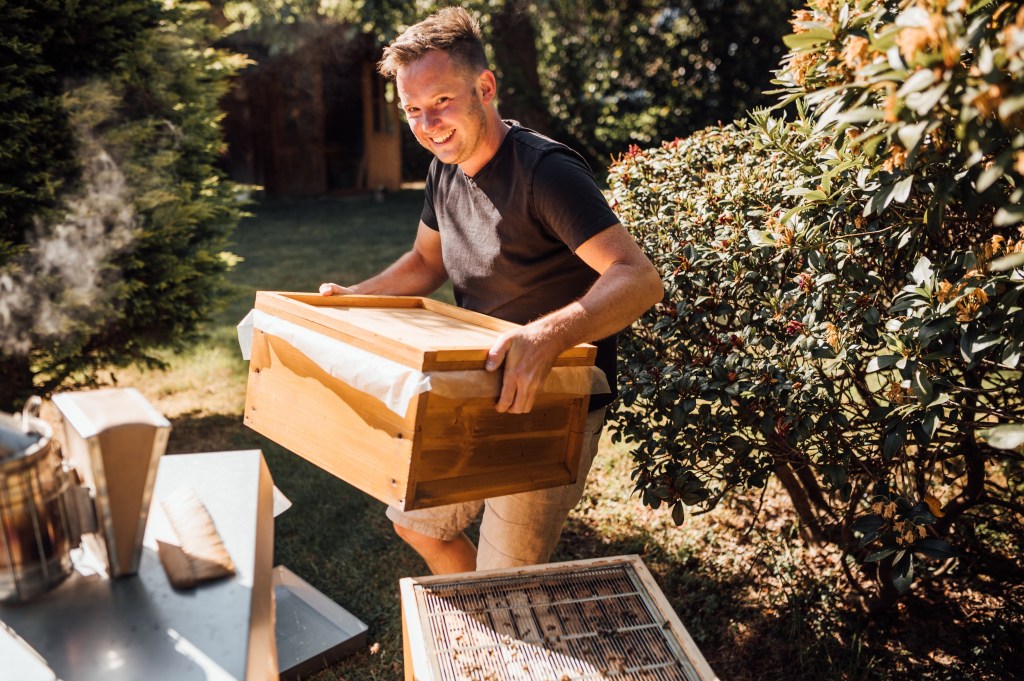
The honey chambers were already very heavy at the end of May. Each one had to be lifted off, because honey bees store most of their honey in the topmost room of the hive. Here the honey is far away from the entrance and therefore safe. Honey chambers are quite heavy, as you can see in the picture.
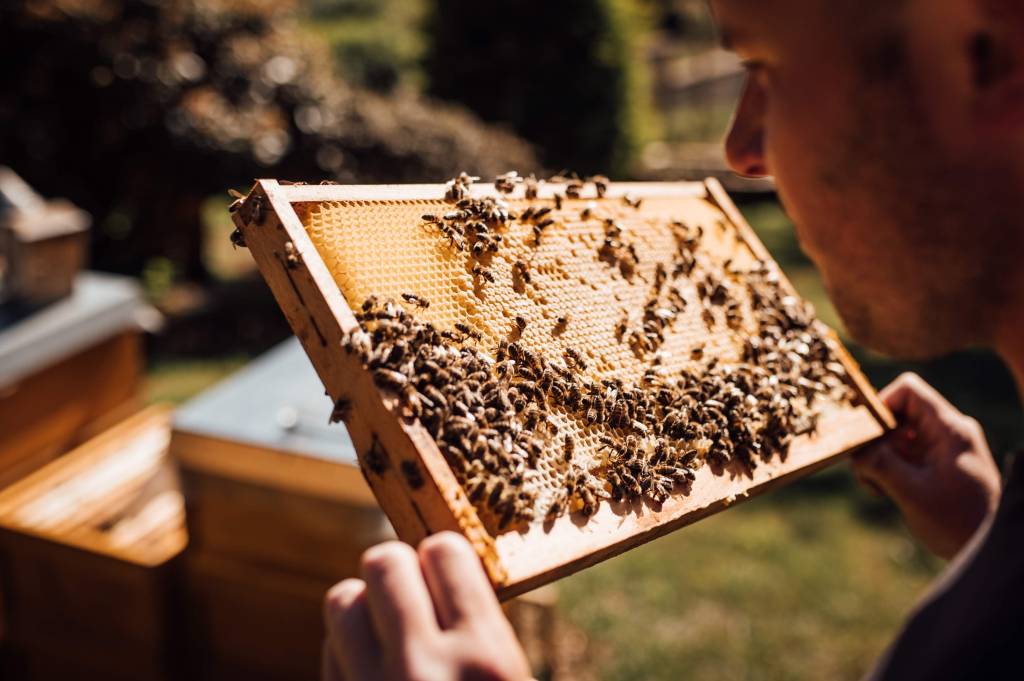
If you’re taking a closer look, you can see a lot of covered brood! Look at the how many closed cells in the picture! And make a guess: how many cells are there in total on each of the honeycomb’s side? You will find the answer further down in the text. Bees cover the brood cell about nine days after laying eggs. However, they are not tightly sealed lids. Due to the structure of the wax, air and heat flow can still take place.
Summer 2020 Honey Harvest
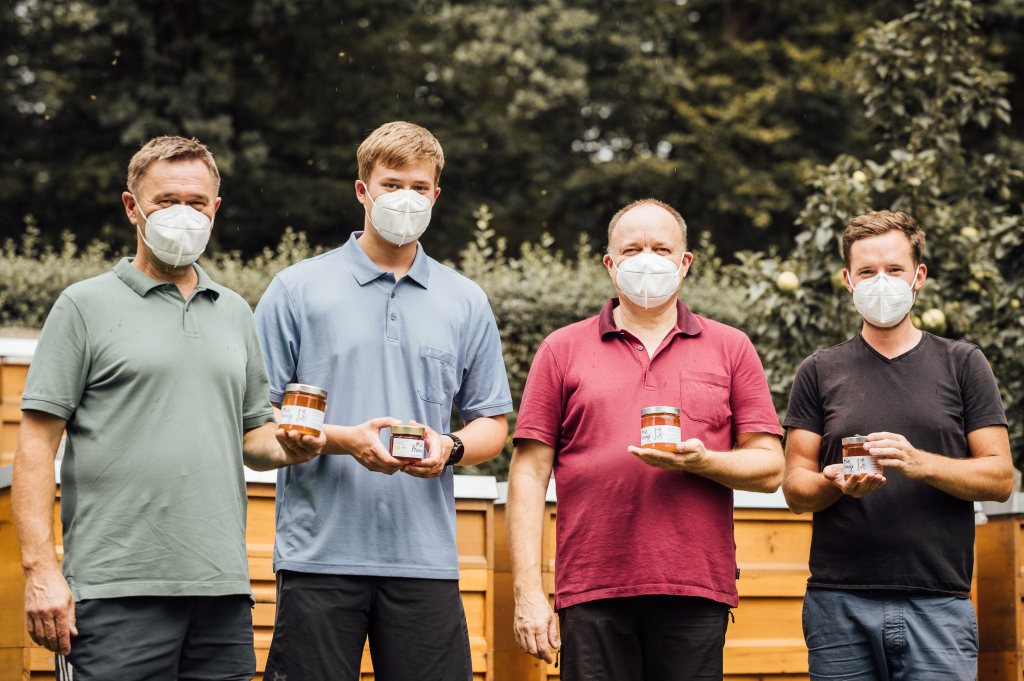
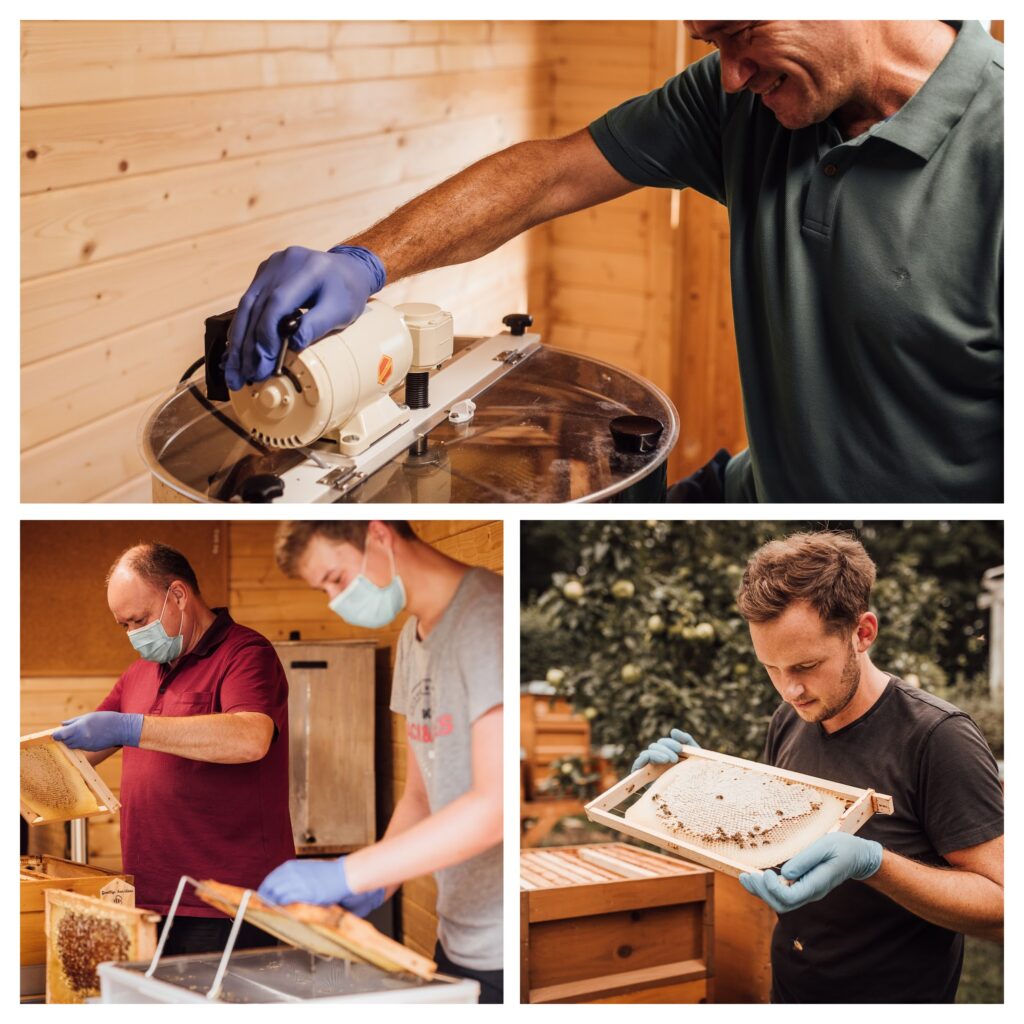
We had an amazing harvest that we sent to our CrowdFarmers last summer. Thanks to Dolfi, Calvin and Dirk’s help, we’ve been able to divide the work. Everyone had their own task station by station, so we avoided direct contact due to the pandemic.
Jessica, my cousin and our photographer, joined us during the harvest and captured our work in pictures.
The distribution of our honey
The delivery to all CrowdFarmers went very well. Thanks to the help from my family, who I’d like to thank very much again!
I am particularly happy to know that, throughout 2021, the numerous new wild bee nesting boxes that were sent out can be colonised for the first time!
Your valuable contribution
I am really happy about every single adoption! I have even experienced something personal from some CrowdFarmers: on top of plenty of nice feedback and conversations, an event remains in my memory forever. Silke, who was given the adoption of a bee colony by her daughter Marie, visited her CrowdFarming colony on her birthday, accompanied by her children. As a new CrowdFarmer, she helped with the work on the bee colony and was able to get a close-up view of autumn preparations. She was particularly amazed by the large amount of bee brood on the comb, as up to 1000 female honey bees can be hatched on each side!
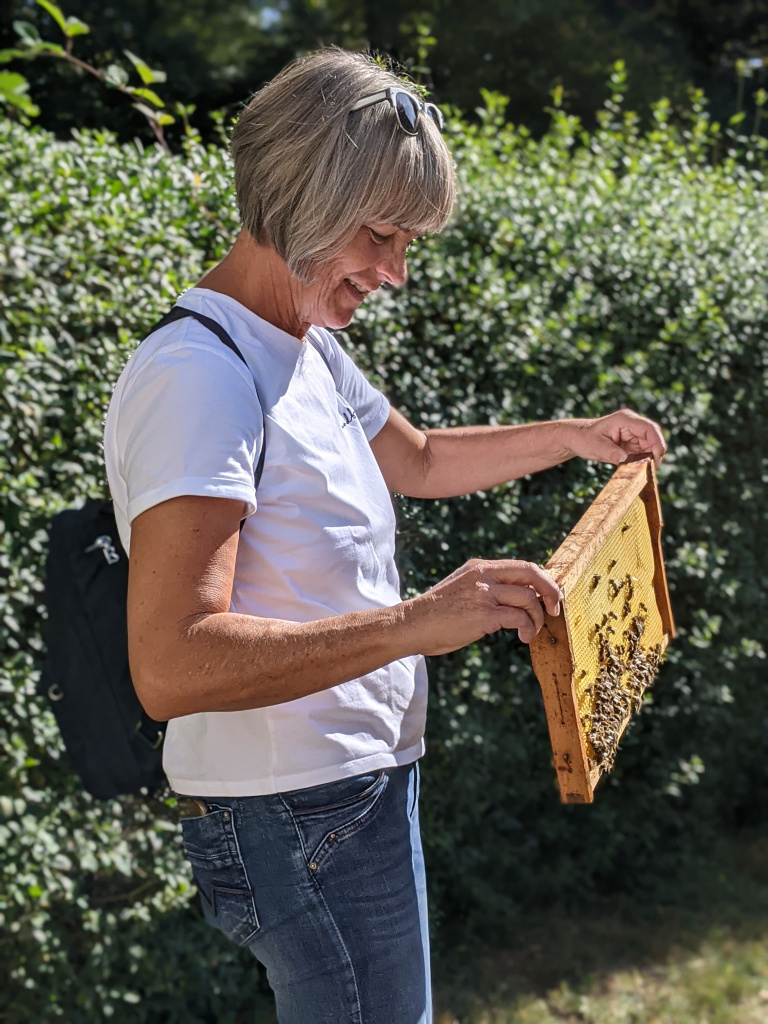
Not only human, but also animal visitors
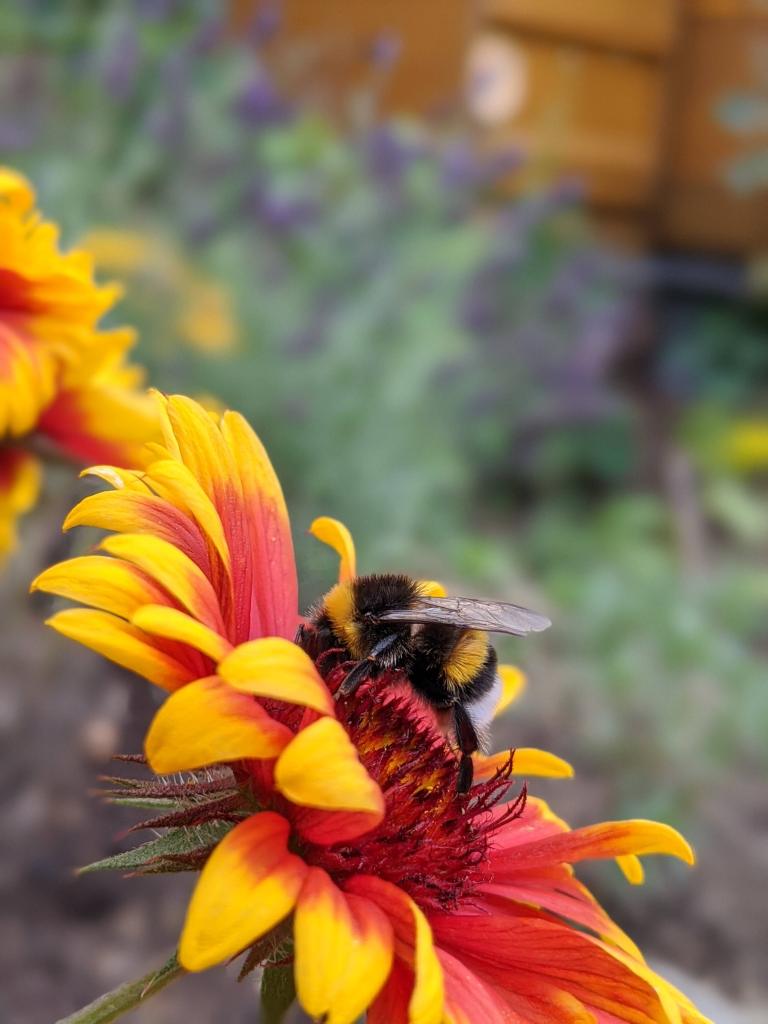
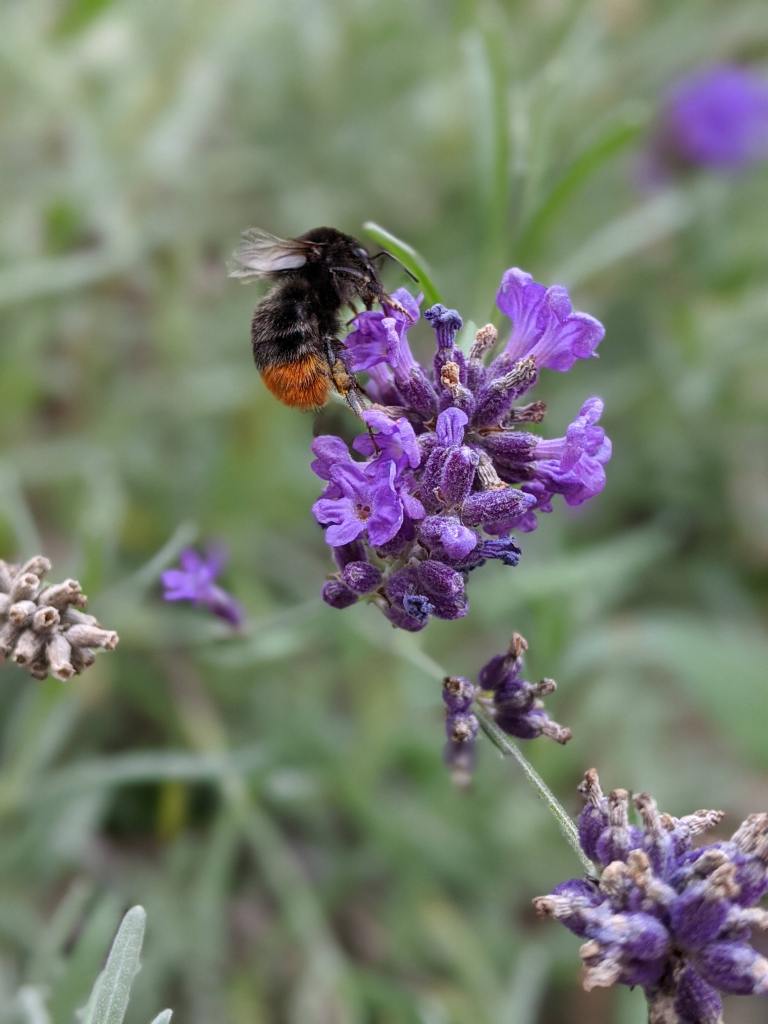
A real insider tip: If you like bumblebees as much as I do, I recommend the bumblebee identification app developed by the University of Bamberg, which you can find for free in your app/play store under “ID-Logics”!
What will happen this year?
This year, in addition to the wild bee nesting aids in tube form, I will also set up homemade bumblebee nesting aids for ground bumblebees. I will of course keep you informed about this and all the other ideas and stories that the new year will bring. I especially hope that we will be able to take up the primary school project week work “Maja’s wild sisters” again this year, as this was unfortunately not possible last year due to the pandemic.
I am looking forward to a new exciting year with you! It makes me happy and a little proud when you maintain or renew your adoption, tell friends and relatives about CrowdFarming and thus sustainably support our goals.
By the way: CrowdFarming has many excellent farmers and high-quality food to offer, some of which I have already tried out myself. It’s worth visiting the site regularly, because new farmers are being added frequently!
I wish you and your loved ones all the best for the new year!
Your farmer Björn & the entire Bienenhilfe team
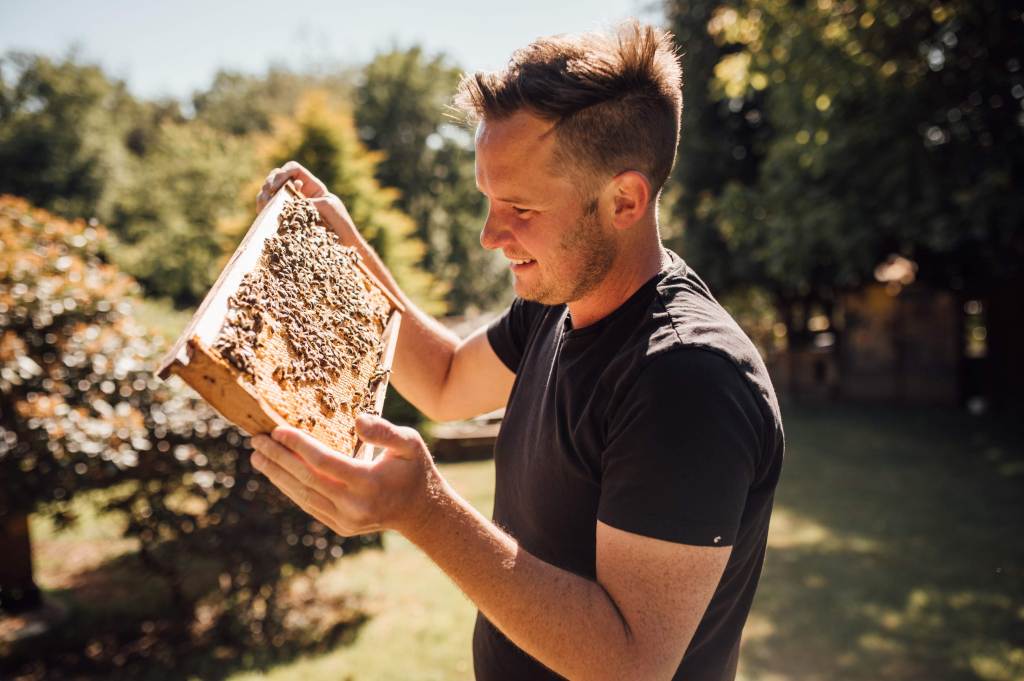
Written by Farmers of CrowdFarming

Keep digging ...