
Looking for more? 

We’re just an email away.

Field news

3 min

Published October 2026

What is heroic Viticulture?

Heroic Viticulture refers to the cultivation of vineyards under extremely difficult conditions. The vines of these regions are arranged on narrow terraces (bancales) built with stone walls, creating a unique landscape of great beauty. The winegrowers, with their effort and passion for the land, challenge the vertiginous slopes through a completely manual harvest.

The requirements that the vineyards have to meet in order to be considered an example of Heroic Viticulture are: height of the vineyards at least 500 meters above sea level, the incline of the slope greater than 30%, and the arrangement  of the vineyards in terraces. In Europe only 5% of vineyards accommodate these peculiarities.

Ribeira Sacra, a Denomination of Origin located in Galicia, Spain, is one of the areas where this type of viticulture takes place. The origin of these practices dates back to the 10th century, when monks during the Middle Ages brought different varieties of grapes through the St. James Way and began to cultivate them in the vicinity of their monasteries, following the course of the Sil River.

This image has an empty alt attribute; its file name is ViticulturaHeroica-1024x535.jpg


The orography, the different soils, the orientation of the vineyards, and the climate, all influence the aroma and flavour of these wines. These are wines produced from indigenous strains that for centuries have adapted to the land and climate and, therefore, are a pure expression of the landscape.

This kind of artisan work includes all the stages of the vines, from pruning to harvest, that time of year in which the grape bunches are collected. At that moment, the workers are organized in crews, usually of four people: two people harvest manually by cutting the grape bunches and the other two, called “carters”, carry them on their shoulders. This work involves lifting boxes weighing about 20 kg on the shoulder, along the steep slopes of the terraces.

A heroic woman

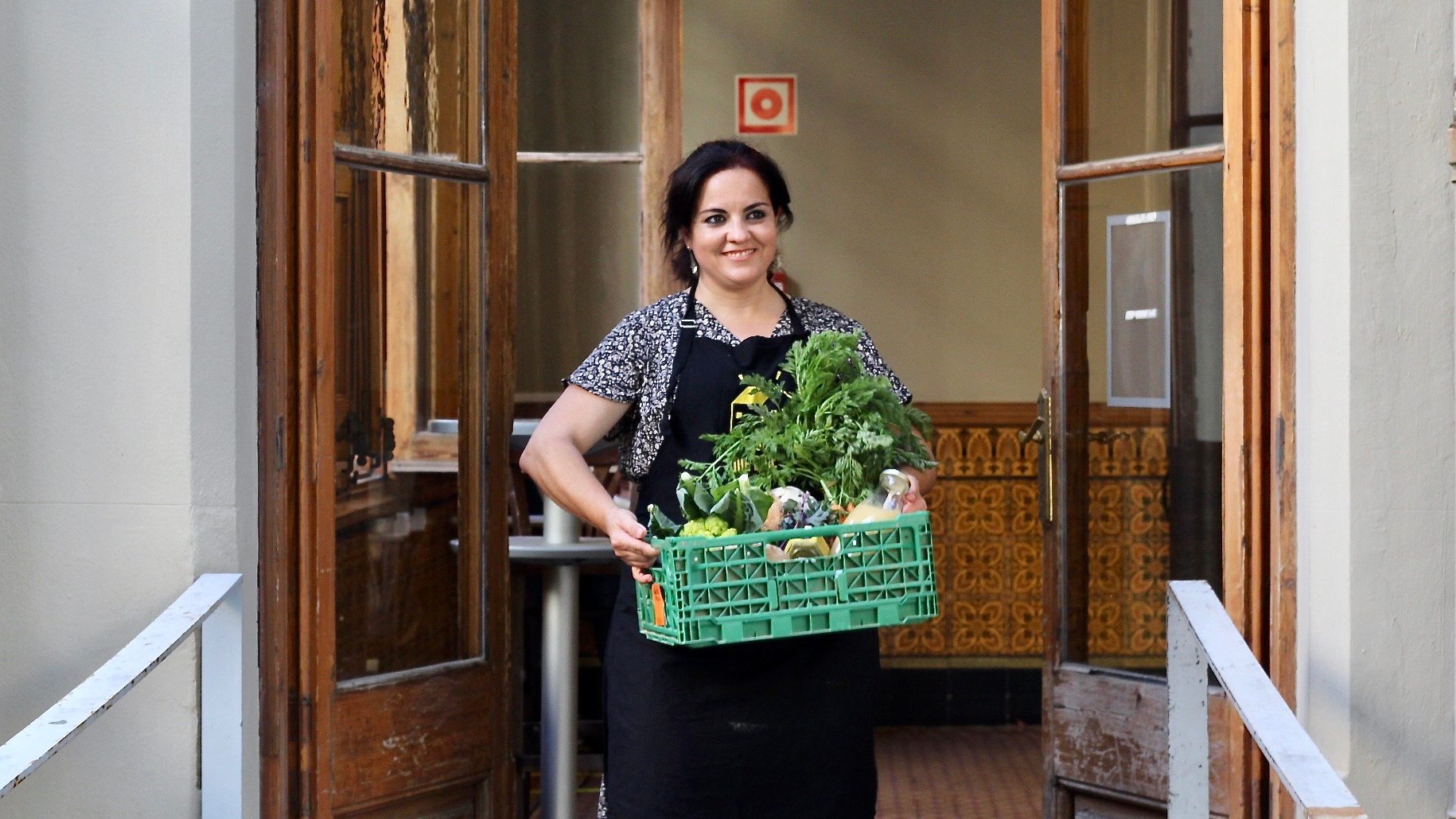
Ronsel do Sil is a small winery located in the heart of the Ribeira Sacra on the banks of the Sil River. María José Yravedra is the winegrower, founder, and leader of this viticultural project. After working as an architect and raising her four daughters, she decided to enter the world of wine.

Maria José practices Heroic Viticulture with the philosophy of making natural and sincere wines that convey the authenticity and values ​​of this landscape. In one of the most unpopulated areas of Galicia, the work in the winery is managed by Maria José and her four daughters, who, with enthusiasm and effort, seek to give visibility to the native Galician grape varieties, mainly Mencía.


The winery’s mission is to recover and preserve a landscape that is testimony to a way of life of entire generations. The result is a wine that is in absolute symbiosis with nature and the region’s ancient traditions.

Vel’uveyra Mencía is the wine most representative of the Ronsel do Sil, as this varietal is the predominant indigenous variety in the Ribeira Sacra.

Written by Emmeline Hess

Emmeline Hess

Emmeline es experta en comunicación, vocación que ha estado ejerciendo durante más de 9 años en empresas con enfoque en la sostenibilidad.

Esta nueva podcaster es una gran aficionada a la comida, una preocupada por el cambio climático (aspirante a guerrera) y le gusta una buena discusión casi tanto como los perros.

Share this content:

Keep digging ...

Field news

3 min

The ‘Mad German’ 40 Years On

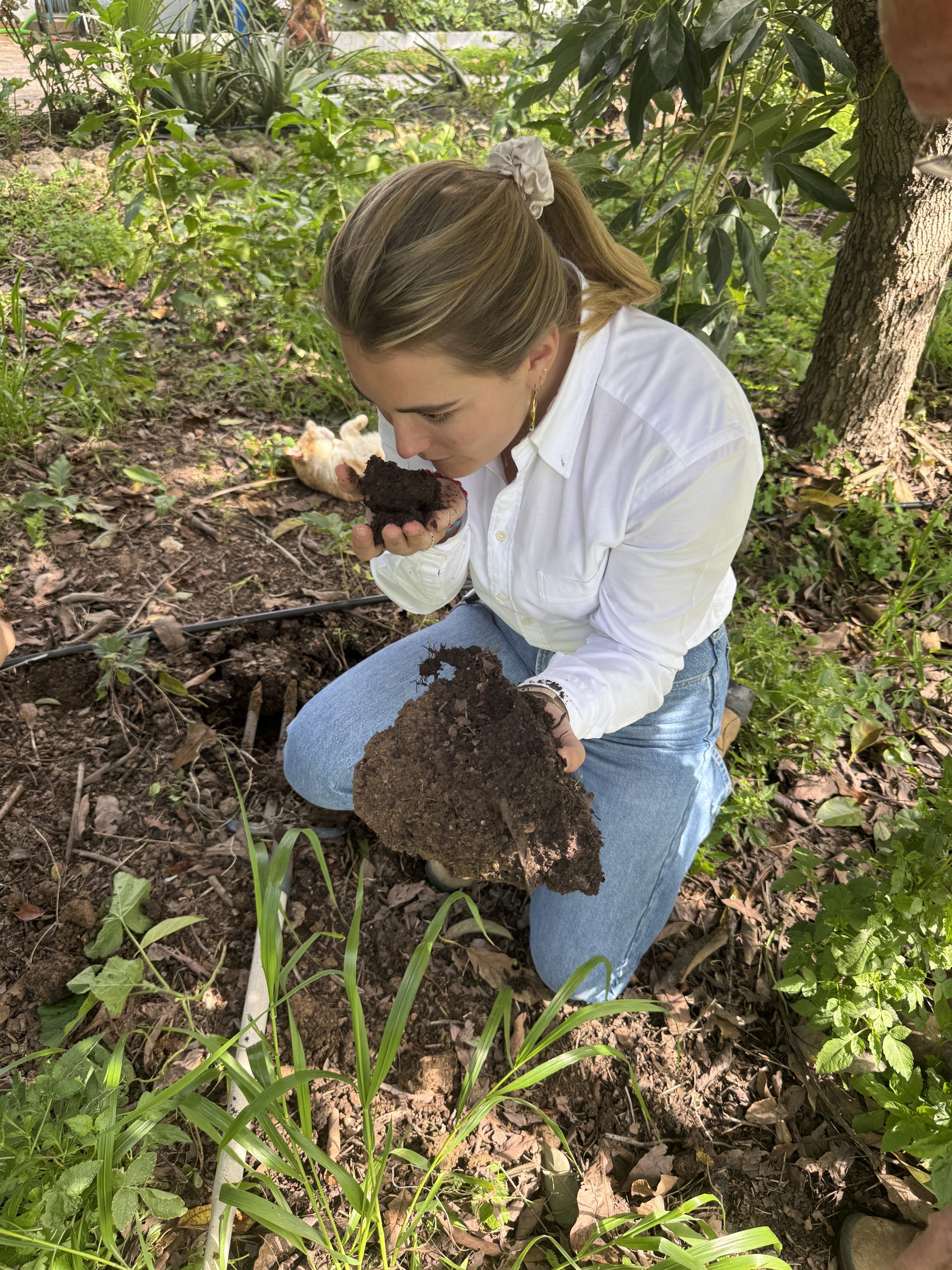
If you take a stroll with Friedrich across his farm near Gibraleón today, the first thing you’ll notice is the noise: a literal wall of birdsong. But behind this idyllic scene lies a radical choice made years ago—one that flew right in the face of convention. Today, having held Demeter certification since 1994, he’s living proof that his “madness” was the only logical response to the crisis facing our soil.Forty years ago, Friedrich fell in love with Finca Jelanisol-Montebello during a trip to Spain. At the time, he was working as a middleman for conventional fruit and veg. Two things happened back then that made him stop and think: A friend gave him a book on permaculture by Bill Mollison, which sparked an idea. While visiting a farm in Italy, he found himself desperately digging for earthworms. When the farmer told him there weren’t any “because you don’t need them,” Friedrich began to question everything. A Holistic Vision: Everything is ConnectedFor Friedrich, farming isn’t an isolated job; it’s part of a much bigger picture. He holds a deeply philosophical, holistic view of the world where everything—from soil microbes to the end consumer—is linked. He doesn’t see his farm as just a production site, but as a living organism where people and nature live in harmony. In his eyes, a peaceful society can only exist if we produce in tune with nature. If we get it right, there’s enough for everyone—we just can’t afford to destroy the foundations.One of the biggest things driving Friedrich is a deep-seated worry about the state of the modern diet. He explains that much of the food we eat today is “empty.” By this, he means conventional produce that, thanks to pesticides and long storage times, has lost any real nutritional value. He lives by the rule: Healthy Soil = Healthy People. Only living, regenerated soil can produce fruit that actually nourishes the body.One of the first things Friedrich did was build a large pond—not for irrigation, but purely for the birds, frogs, ducks, and fish. It also acts as drainage during heavy rain. They produce their own organic fertiliser using microorganisms, supplying the trees with a steady stream of minerals through a drip irrigation system.

Read

Field news

min

The Science Behind the Sweetness

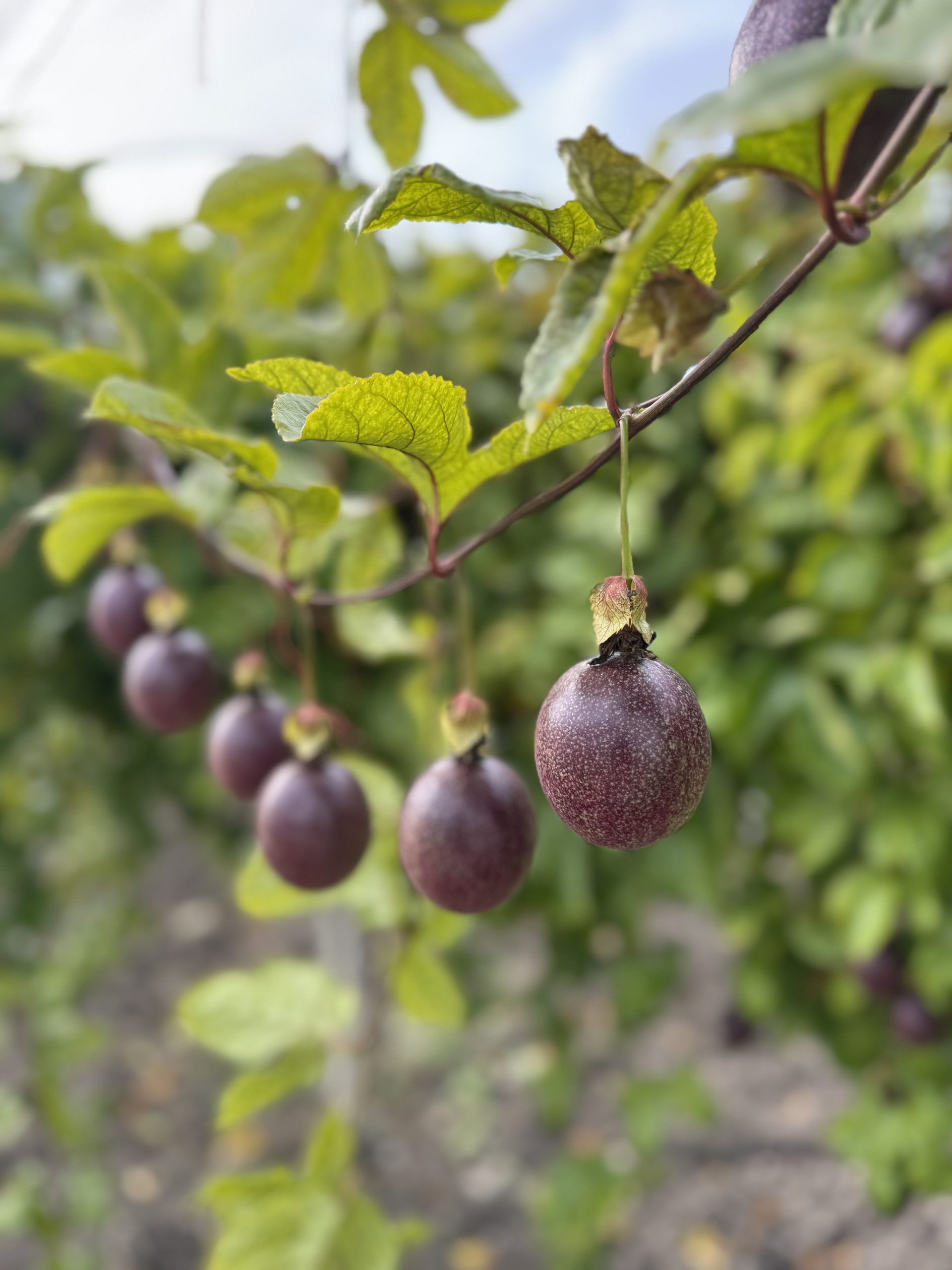
We visited Antonio from Sicilian Passion in Sicily. In a region traditionally known for its citrus fruits, Antonio decided to take a different path several years ago: he grows passion fruit (and even papayas!).Brix value, ensuring that the fruits have reached the required physiological maturity and full aromatic profile. Harvesting only begins once these thresholds are met. In the video below, you can see our colleague Angelo taking these measurements. It’s a lot of fun, because you’re literally looking into the future.Ripening Characteristics and EtymologyAn important quality characteristic of passion fruit is the texture of its skin. Unlike many fruits, here’s the rule: the more pronounced the wrinkling of the fruit, the higher the sugar content. Due to slight evaporation during the ripening process, the fruit sugar concentrates inside, while the acidity subtly decreases. There are two harvests per year – one in the winter months and one in the summer months. Especially in summer, the fruits are “wrinklier” because the liquid evaporates faster due to the heat.Did you know that the name “passion fruit” is derived from Christian iconography? Spanish missionaries in the 16th century interpreted the complex flower structure as symbols of the Passion of Christ. The filaments of the flower were associated with the crown of thorns, the three stigmas with the nails of the cross, and the five stamens with the wounds. In the gallery, you’ll find a picture where this is very clearly visible.

Read