
Published May 2026
Working conditions in agriculture
Fields of misery, fields of hope
Dawn. A landscape of open fields and white, plastic greenhouse plantations somewhere in a Mediterranean region. A large van stops. The driver throws the doors open, gesturing for its passengers to get out. A host of workers stumble out, accompanied by the driver´s shouts. Quickly, they pick up equipment from the back and get to work. Europe’s vegetable garden awaits its minions.
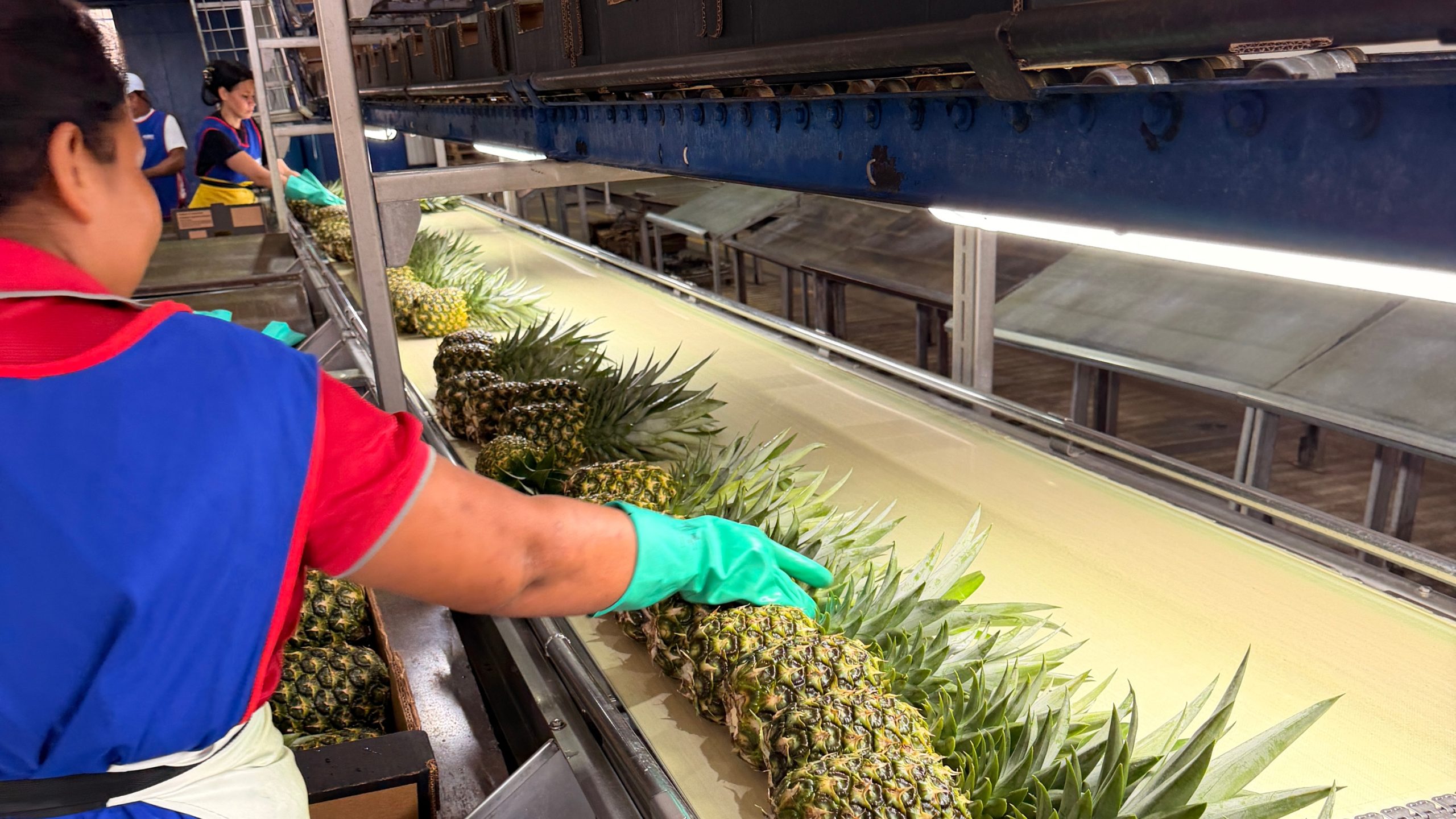
By the time they are picked up again, they will have spent the whole day working away in these fields in the blistering heat, only to fall into their barracks at night for a few hours, until being rudely awakened in the early hours of the next morning to start the process all over again. Many documentaries have captured this ugly relationship between immigration and food production. Even under more legal circumstances, the agricultural industry is not exactly known for long-term, quality jobs.
The low supermarket prices need to be balanced out: paying the workers decently, constant wages would not do the trick. It is no secret that conventional, industrial-scale agriculture comes at a steep price to the environment. But it also comes at a cost to those unlucky humans having no choice but to work under precarious conditions. There is no doubt that the companies behind these unfair working conditions could do better. But at the end of the day, they are the ones feeding Europe at the discount prices consumers have come to expect. Of course, not all fields belong to these agricultural companies. Some might belong to farmers that try their best to provide better working conditions for their workers. Farmers whose field hands are simply people from their villages or family members. But the precarity remains. The seasonal nature of agriculture creates the need for seasonal workers.
Between monoculture and instability
A lot of farms concentrate their production efforts on one type of crop, for example, olives, almonds, or oranges. This means that they only need assistance when they want to plant new trees or plants, and of course when it is time to harvest the crops. It also means that the farm only generates an income for a short period of time every year; namely when the harvest can be sold. Many farmers, therefore, can simply not afford to employ someone permanently, particularly considering the unpredictable selling price of their products.
How are small or even medium-scale farmers supposed to pay year-round salaries if they don’t receive a year-round income?
This is even more of an issue if their seasonal income is also an unstable one, subject to the price fluctuations of the global food market that intermediaries take their cue from when deciding on the offtake agreement.
So what is the solution?
We believe that the solution lies in the combination of fostering organic agriculture and simplifying the food supply chain. In other words; create direct selling channels between farmers and consumers. This cuts away the middlemen and the dependency on global market conditions, allowing the farmers to set the price for their own products. Giving agricultural products a real value instead of treating them as an easily interchangeable commodity provides financial stability for the farmer. And by empowering farmers to convert to organic, the need to employ more people and the ability to offer better job opportunities, in the long run, arises naturally.
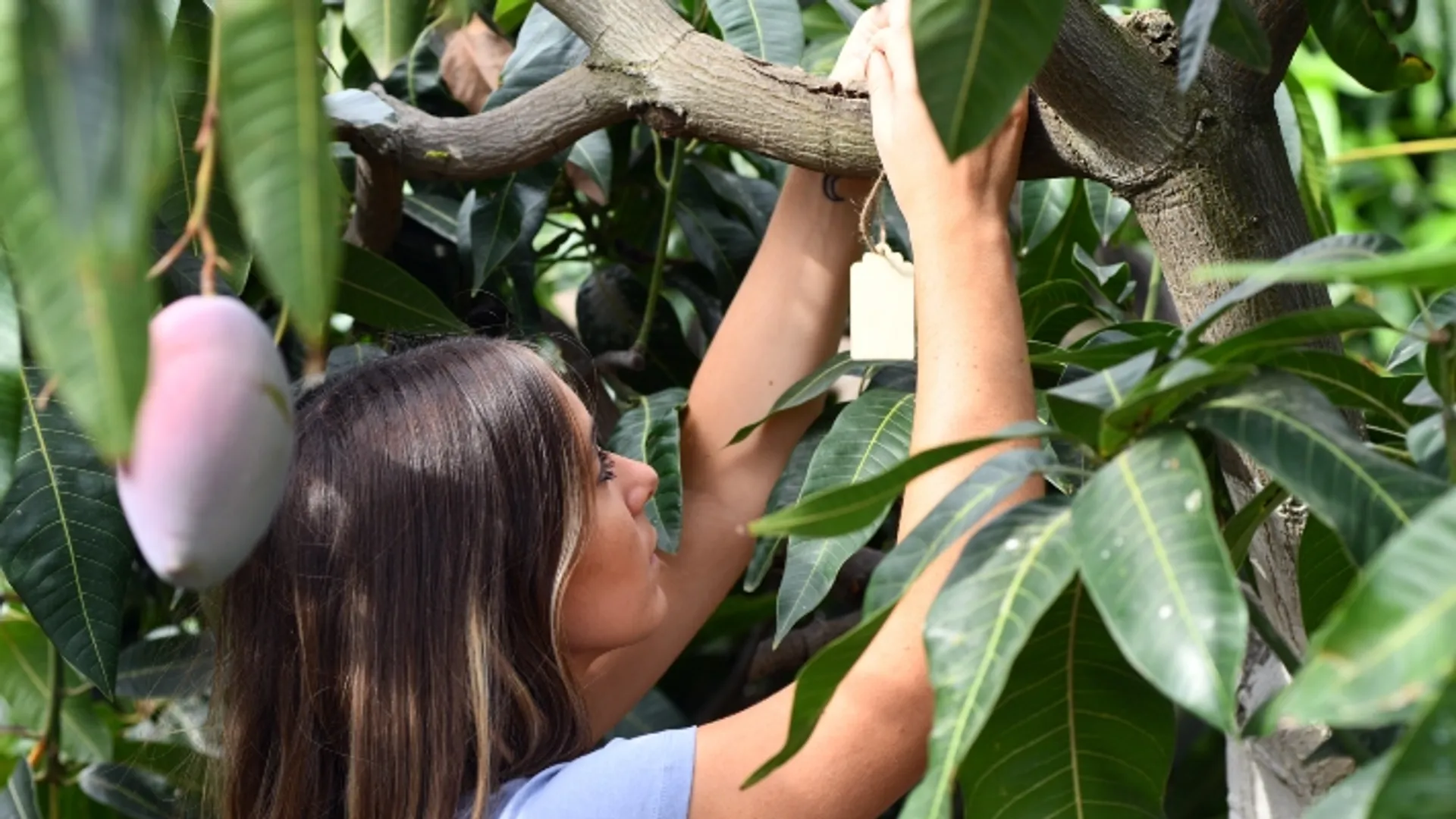
Through the adoption concept, we can create a framework for socioeconomic change in agriculture, offering farmers a chance to do better. In this system, whereby customers can build a relationship with the famers – and vice versa -, the farmers can also better plan their harvest. This allows them to not only avoid food waste, but better assess how many workers they need at which time of the year, or if they will be able to afford more permanent farmhands. The consumers can then, for example, choose to buy products from farmers that produce sustainably.
The Status Quo
All of the farmers joining our platform sign a collaboration agreement, which includes a clause mandating that all workers receive an official work contract with all applicable social guarantees (social security for example), and that the corresponding country’s labour laws are to be respected.
They have to also share the information of how many workers they are employing and their gender. This information is publicly available in their farmer pages on our website.
The collaboration agreement also includes potential subcontractors, to make sure that the farmers follow through with their social obligations in any contracting scenario. But the biggest factor at the end of the day is trust – we trust that our farmers do right by their workers, just like they try to do right by nature. And in many cases, including that of our founder who is a farmer himself, our theory was proven right; organic agriculture does indeed automatically create more jobs, and long-term, stable ones, purely due to its methods and labour-intensive nature. So, we are confident that supporting farmers in the transition process to organic will result in a better situation for both farmhands and the environment, turning fields of misery into fields of hope.
Written by Emmeline Hess

Emmeline es experta en comunicación, vocación que ha estado ejerciendo durante más de 9 años en empresas con enfoque en la sostenibilidad.
Esta nueva podcaster es una gran aficionada a la comida, una preocupada por el cambio climático (aspirante a guerrera) y le gusta una buena discusión casi tanto como los perros.
Keep digging ...