
Published August 2026
It’s a seedless world: the controversy around seedless fruit
Seedless fruits are everywhere — from grapes to watermelons, cucumbers to oranges. While it is true that this can be the result of human actions, it also happens in nature. Often, it is a combination of both.
How come some fruits are seedless?
Seedless fruits are the result of a natural process called parthenocarpy, where the fruit develops without fertilisation of the ovule (which typically forms seeds). This happens naturally in some plants and can also be encouraged by farmers through different techniques. Contrary to common misconceptions, most seedless fruits are not genetically modified organisms (GMOs). Seedlessness has been cultivated long before genetic engineering came into play, using natural breeding techniques.
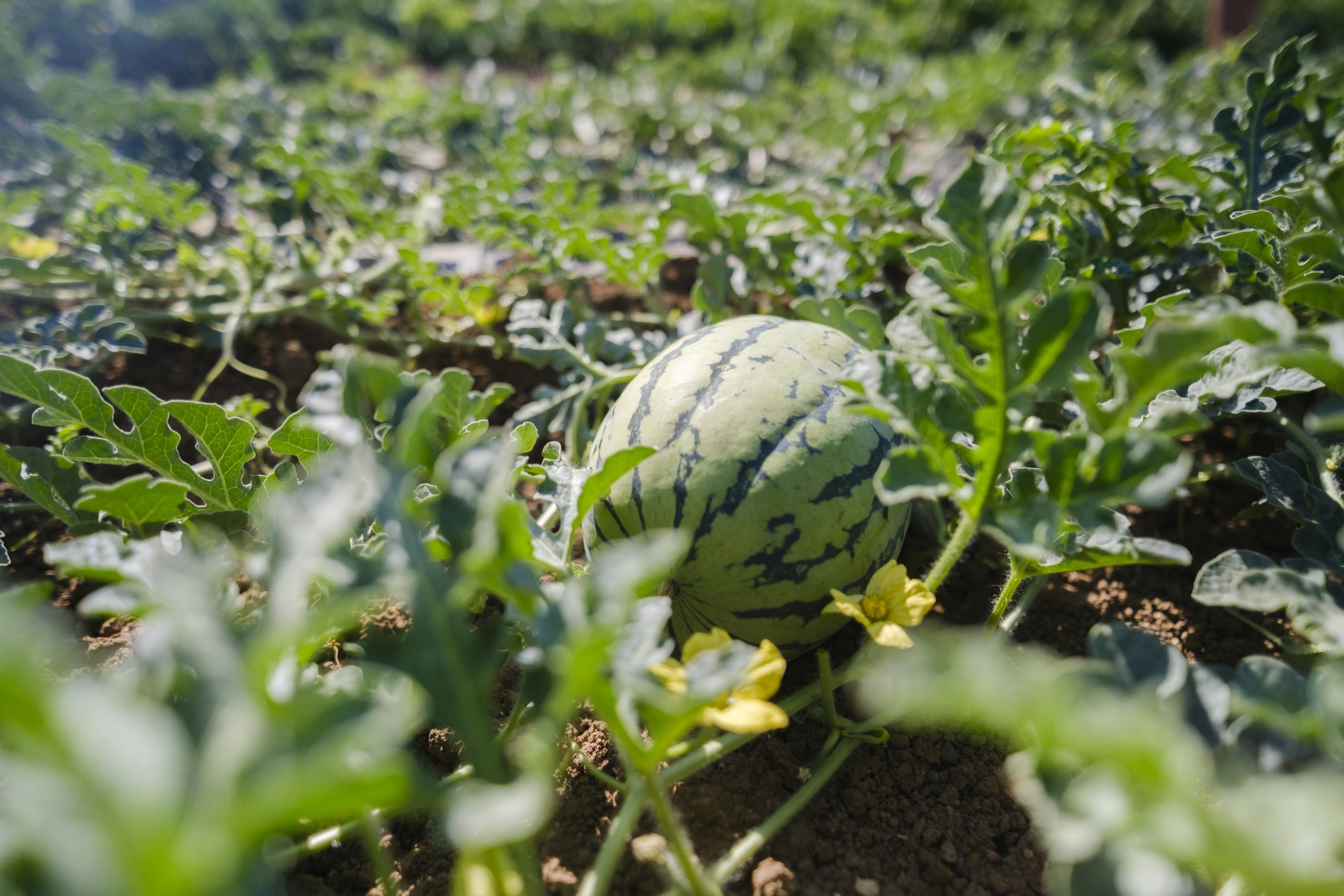
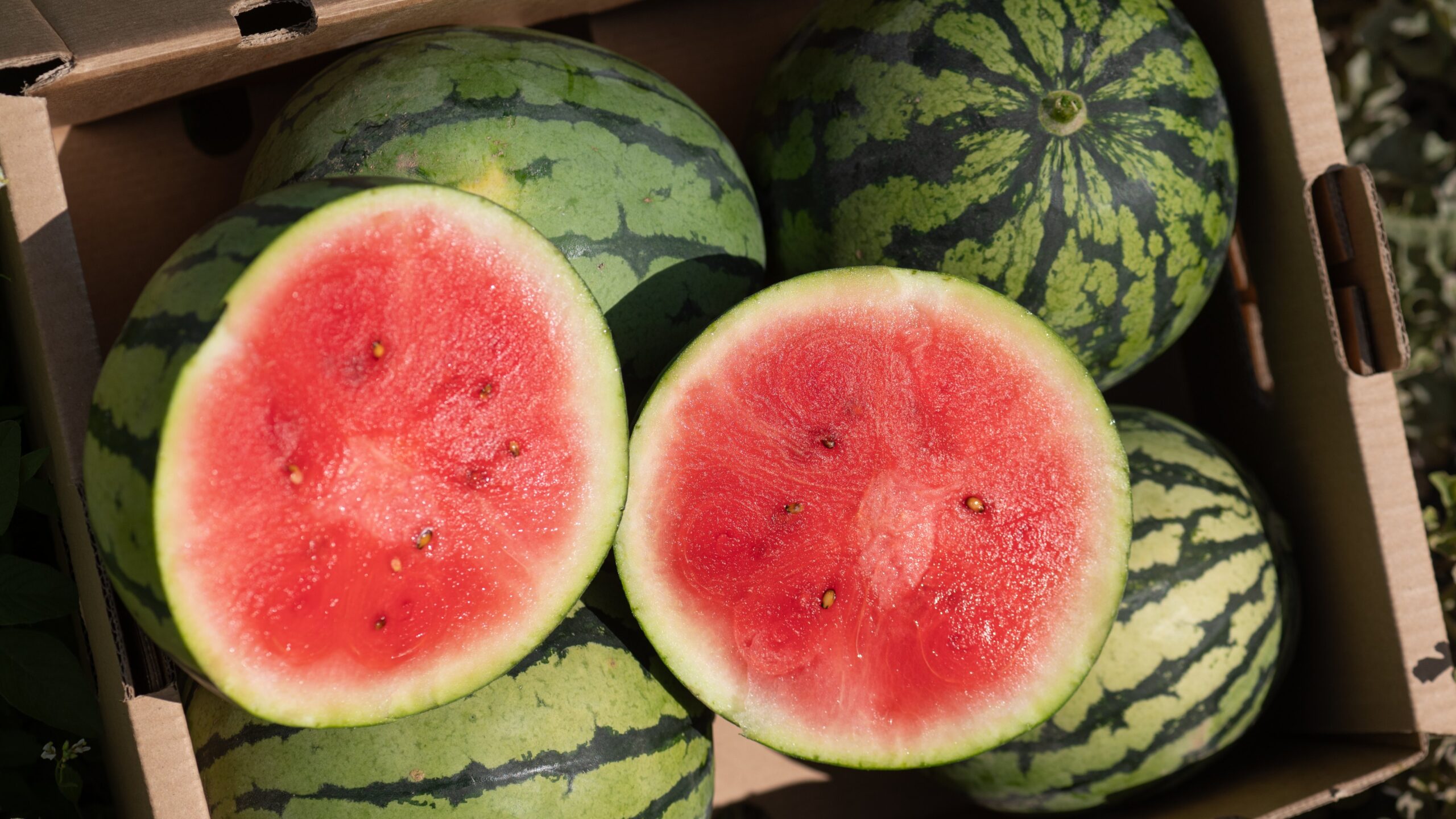
There are a few methods by which seedless fruits are created. For example, some varieties of plants are naturally self-sterile. Take pineapples — if you grow one variety in isolation from other compatible plants, it will produce seedless fruit. Other times, farmers might use techniques like netting citrus trees to prevent pollination, which results in seedless fruits too. Even in cases where pollination does occur, seed traces might not fully develop, leaving us with the “semi-seedless” varieties, like the white seeds we sometimes see in watermelons.
Can seedless fruits be organic?
Yes! Seedless fruits can absolutely be organic. Seedlessness is a biological trait that doesn’t inherently conflict with organic farming principles. Organic farming focuses on using GMO-free, natural processes and avoiding synthetic chemicals, and this applies whether the fruit has seeds or not.
Many seedless fruits are grown using traditional farming techniques. Since seedless fruit production often doesn’t require genetic modification or chemical intervention, it fits comfortably within the parameters of organic agriculture. However, since seedless plants often can’t reproduce through seeds, they are typically propagated through grafting or cuttings — a common practice in organic agriculture. This allows farmers to continue cultivating seedless varieties without relying on any non-organic methods. Grafting is a horticultural technique whereby tissues of plants are joined to continue their growth together.
Are seedless fruits sustainable?
Some argue that seedless plants, being incapable of reproduction without human intervention, are less sustainable or “natural”. However, from a practical standpoint, farmers have been successfully propagating seedless fruits for generations. Techniques like grafting allow them to maintain the genetic diversity of their crops and reduce the need for pesticides or other harmful inputs. So while seedless fruits may require more hands-on cultivation, they can still be grown sustainably.
Choosing seedless fruits doesn’t mean compromising on sustainability. In fact, they can play a role in efficient farming practices, particularly in areas where certain pests or growing conditions make seed-bearing fruits more vulnerable.
Who’s driving the seedless fruit production?
Seedless fruits are largely produced because consumers prefer them for convenience. Over the years, this demand for convenience has driven farmers and producers to focus on growing more seedless options to meet customer preferences.
As consumers increasingly seek quick, easy-to-eat options, seedless fruits have become a staple in markets worldwide. This demand creates a cycle where farmers are encouraged to cultivate these varieties to stay competitive and meet market expectations. In fact, some fruit types, like seedless grapes, are so popular that it would be rare to even find their seeded counterparts.
In addition, seedless fruits are often preferred for their longer shelf life. Since they don’t waste energy on seed development, the fruits themselves may stay fresher longer, which is another bonus for both retailers and consumers alike.
So, in short, consumer demand is a significant driver behind the production of seedless fruits. Farmers are responding to that demand by cultivating seedless varieties.
A note from a farmer (and CrowdFarming’s co-founder), regarding our own seedless varieties
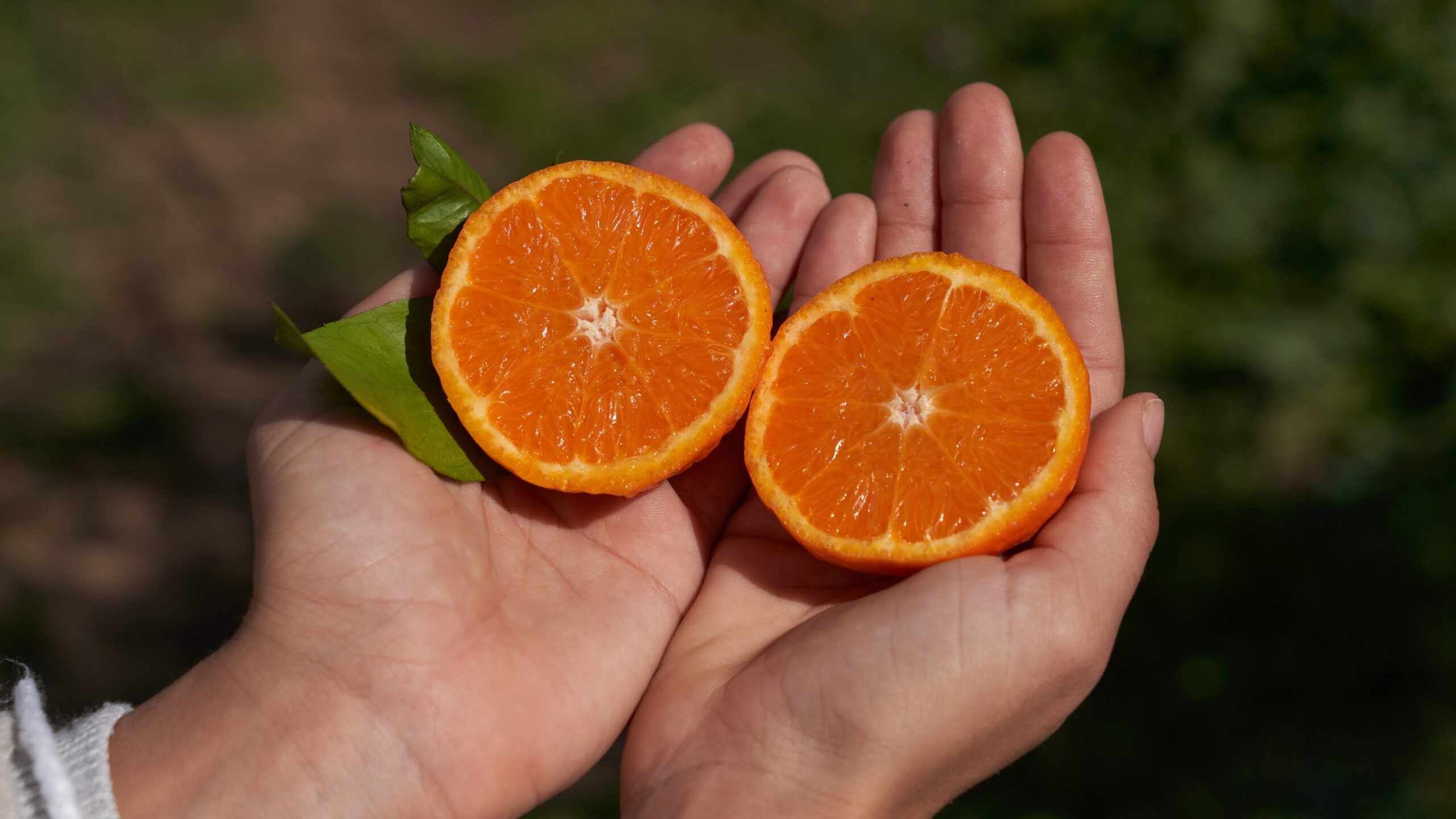
“Our grapes come from a natural selection that has nothing to do with GMOs. They are varieties originated by natural means. The pollen of one variety fertilises the ovary of another variety and the result is different from the parent plants, and what is done is to sow these seeds and observe the fruit they produce. Each seed produces a different plant, even if the differences are minimal, and sometimes special characteristics appear, such as having no seeds or very small seeds.
Regarding the nutritional value of the seeds, it is the least nutritious part of the fruit, as they usually contain plant hormones to initiate the development of the new plant and starch, which is one of the usual food reserves in plants, as well as being prepared to pass through the intestine of birds and mammals without decomposing or releasing their reserves. The pulp contains nutrients that can be assimilated by animals, which is what we eat, and which nature has prepared for us to eat and spread the seeds.”
Gonzalo Úrculo, farmer and CrowdFarming’s co-founder
The bottom line
Seedless fruits are most often a product of natural processes that can be both organic and sustainable. They are produced through various methods — from preventing pollination to using specific plant varieties — none of which require genetic modification. With organic and sustainable farming practices, seedless fruits can continue to thrive without sacrificing the health of the environment.
Written by Emilia Aguirre
Emilia Aguirre is our Awareness & Advocacy specialist — which means she spends her days asking the uncomfortable questions about how our food is grown, priced, labeled, and sold. She hosts What The Field?!, a podcast packed with stories from the ground, hard-hitting research, and conversations with the people shaping the future of food (whether they like it or not).
Keep digging ...