
Looking for more? 

We’re just an email away.

min

A chat with Sergio Nicolau, regenerative wine producer in Portugal

# | March 2024

min

Published March 2026

A chat with Sergio Nicolau, regenerative wine producer in Portugal

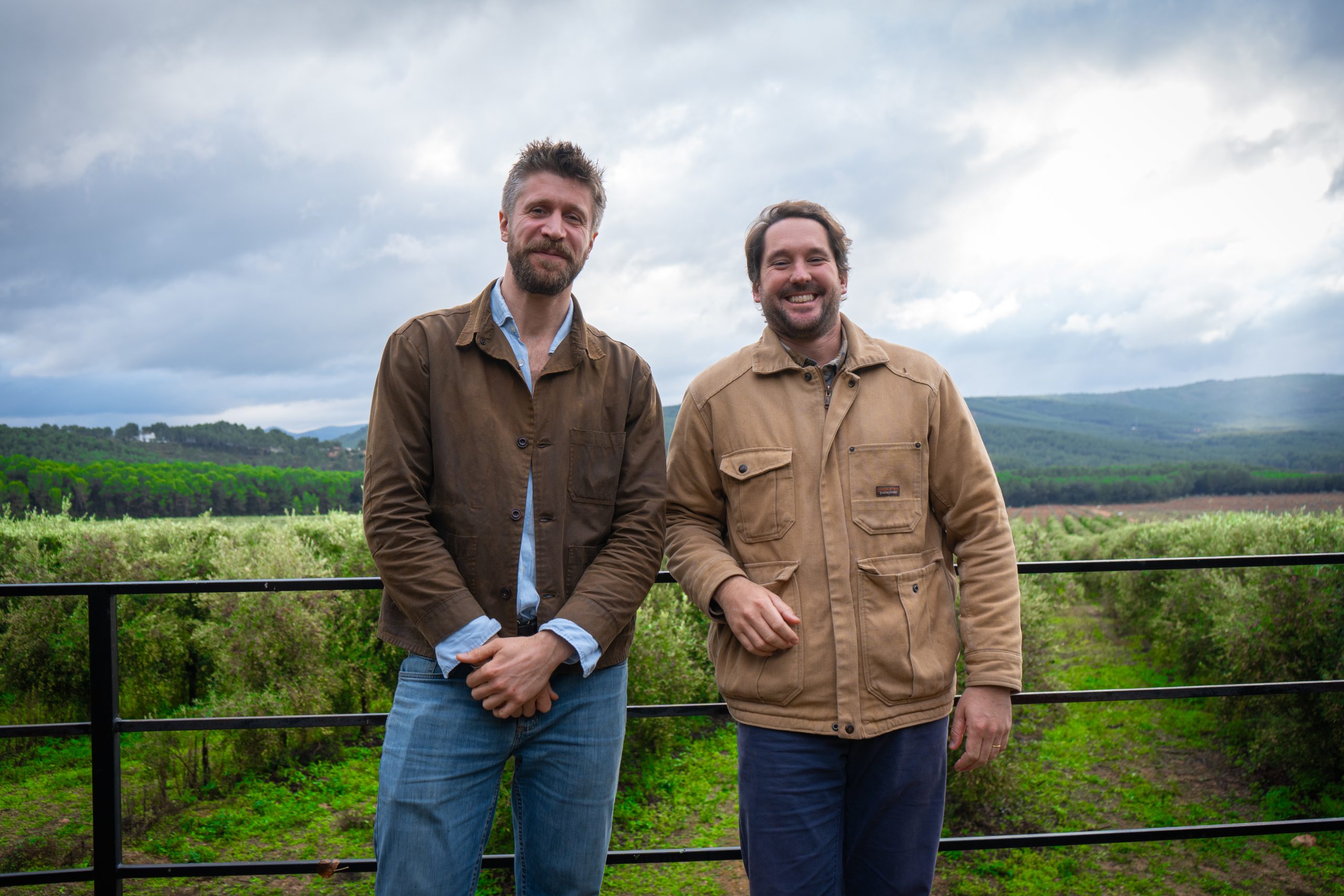
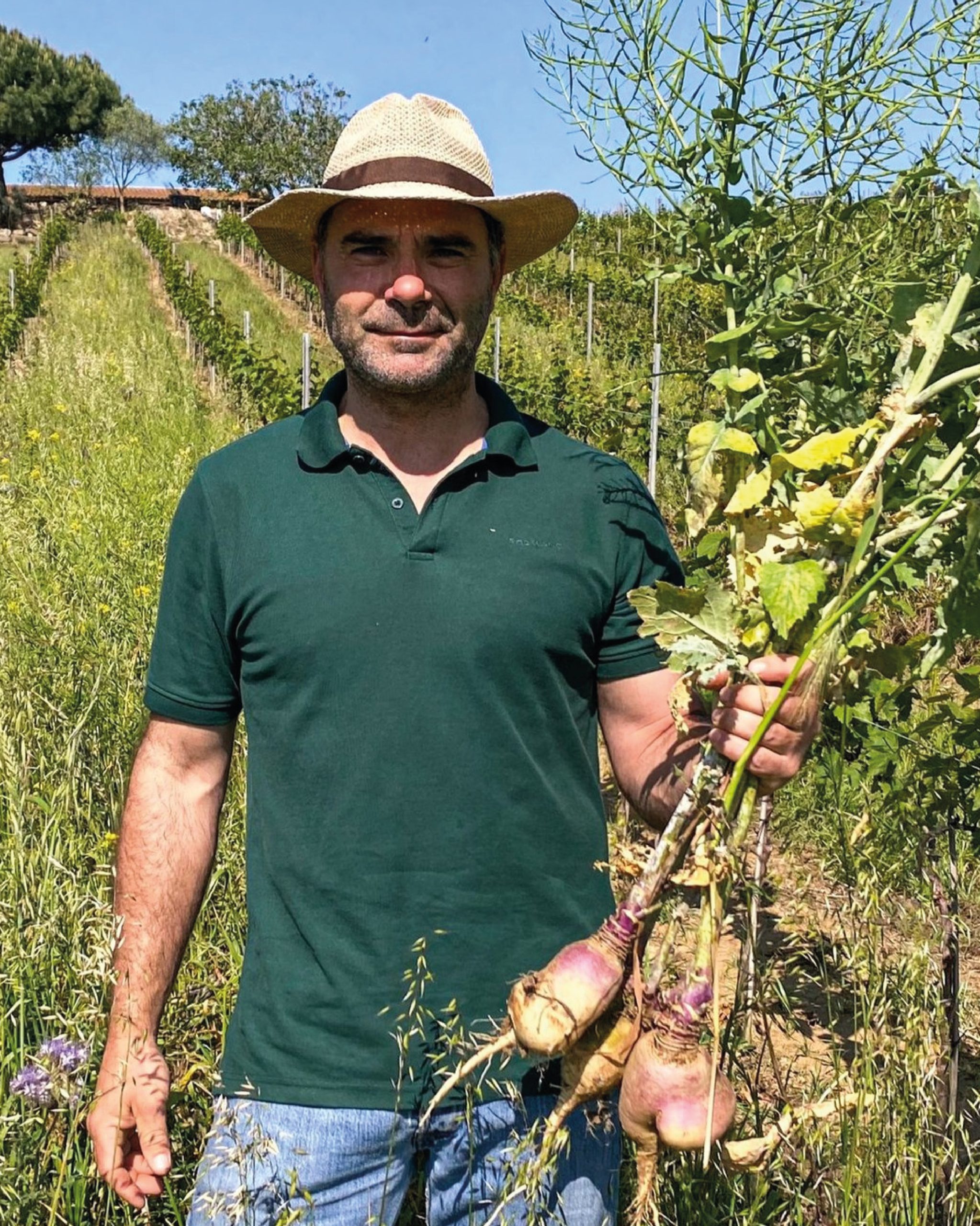
In this new episode of “What The Field?!” we discover the fascinating story of Portuguese farmer Sergio Nicolau. Like most farmers, he grew up in a farming family and went to agronomy school to learn the ways. However, he soon started to realise the negative impact climate change — and conventional practices — were having on his farm and after doing quite a bit of consulting work for other farms, he realised he wasn’t alone.

Sergio decided something had to be done, and convinced his father to go 100% organic and soon after, regenerative! In this episode he tells us all about how a change in a farmer’s mentality can shift his relationship to the land, the ecosystem, and consumers. Sergio has now set off to convince and assist other farmers on the path to regenerative agriculture, through his new organisation, Orgo

It is a truly inspiring conversation that brings hope to the sometimes overly theoretical world of regeneration, and Sergio shows us what it’s actually like on (and in) the ground and the day to day. His first-hand experiences confirm the benefits of regenerative agriculture, he has reduced costs and increased production all while increasing soil health and biodiversity, and he has now become a reference in the space. 

Don’t miss out and listen to the full episode!

Listen on your audio platform

Written by Emilia Aguirre
Emilia Aguirre

Emilia Aguirre is our Awareness & Advocacy specialist — which means she spends her days asking the uncomfortable questions about how our food is grown, priced, labeled, and sold. She hosts What The Field?!, a podcast packed with stories from the ground, hard-hitting research, and conversations with the people shaping the future of food (whether they like it or not).

Share this content:

Keep digging ...

48 min

Why Regenerative Agriculture makes business sense

#308 | December 2025

What if the future of farming was not only better for biodiversity and soil health, but also a smarter long-term investment? In this episode of What The Field?!, we sit down with Alessia Lenders, Head of Impact at SLM Partners, a pioneering investment firm proving that ecological farming and solid financial performance can go hand in hand.Alessia’s journey into regenerative agriculture did not begin in the fields but in the world of traditional finance. Searching for investment solutions that could genuinely improve biodiversity, she found herself returning again and again to agriculture: one of the biggest drivers of environmental degradation, but also one of the greatest opportunities for change.Today, SLM Partners manages more than 760 million dollars in farmland and forestland across the United States, Australia and Europe. Their approach is simple yet radical: invest in land, partner with skilled farmers, and scale regenerative systems that rebuild soil, protect water and secure long-term productivity.What you will discover in this episode1. The economic logic behind regenerative agricultureAlessia explains why long-term, patient capital fits naturally with regenerative transitions: healthier soils, more diverse revenue streams (including carbon projects in Australia) and more climate-resilient farms. Far from being a financial compromise, regenerative systems can improve profitability by reducing input costs, stabilising yields and tapping into premium and organic markets.2. Why investors are turning to farmlandFarmland behaves differently from stocks and bonds, which makes it an attractive diversifier for institutional investors. SLM adds another layer: regenerative farms that can outperform conventional systems over the long term while delivering measurable environmental impact.3. The crucial role of the farmerSLM’s model is farmer first. They partner with experienced growers who want to expand but lack the capital to acquire land. SLM buys the land, the farmer manages it and both commit to a regenerative transition adapted to local realities. The result is a partnership that supports young farmers, protects landscapes and proves that ecological agriculture can scale.4. A clearer picture through dataFrom soil microbiology to water modelling, biodiversity indicators and carbon estimates, SLM collects an extraordinary amount of data to understand and communicate how landscapes change over time. This allows them to build business models that anticipate droughts, evaluate water security and verify real ecological outcomes.5. Regenerative agriculture is not one size fits allWhether transitioning almond orchards in Spain, grasslands in Australia or mixed farms in the United States, SLM adapts regenerative principles to each context. For some farms, the target is organic certification. For others, it is a regenerative outcome-based approach focused on soil health, biodiversity and long-term resilience.This episode goes deeper than we ever have into the financial mechanics behind regenerative agriculture. It is a rare look at how capital, ecology and farming come together to build food systems that work for both people and the planet.If you have ever wondered whether regenerative agriculture really adds up financially, ecologically or both, this is the conversation you will not want to miss. 

Listen