
Published March 2026
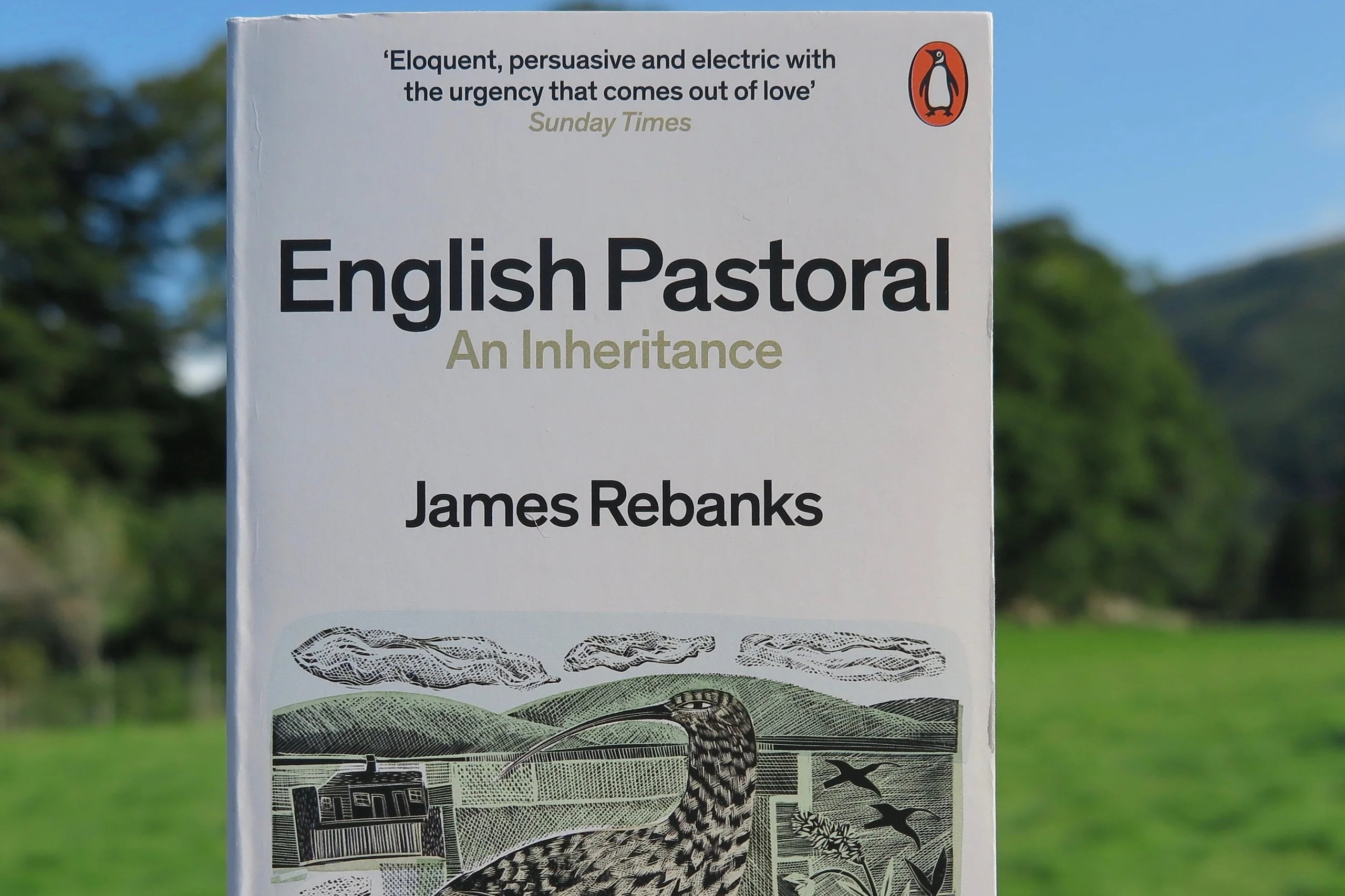
Summer book review — English Pastoral by James Rebanks
Over the summer, as many of us have more time to enjoy a good book in the sun, we thought it would be a great opportunity to share some of our best reads here at CrowdFarming. So, we start this series with a review of “English Pastoral” by James Rebanks.
In a nutshell:
- What can you expect to find in this book? An intimate journey through the joys and struggles of farming life, filled with beautiful storytelling and powerful insights.
- Why is it worth recommending? It’s a heartfelt call for sustainable living that connects you deeply with the land and its traditions.
- Perfect for… Anyone craving a soulful escape to the countryside and a thought-provoking read on nature and sustainability.
This is a book that I read not too long ago when I was looking for literature on regenerative agriculture that was enjoyable to read and not overly academic or scientific. It’s beautifully written and made me want to be a part of the Rebanks family—or just go work on their farm for a season. The book brings you into the life and journey of James Rebanks on his farm in the Lake District, in the UK. It’s one of those stories that, when you finish the last page, you feel as if you’ve just come home from a trip to where the story was set.
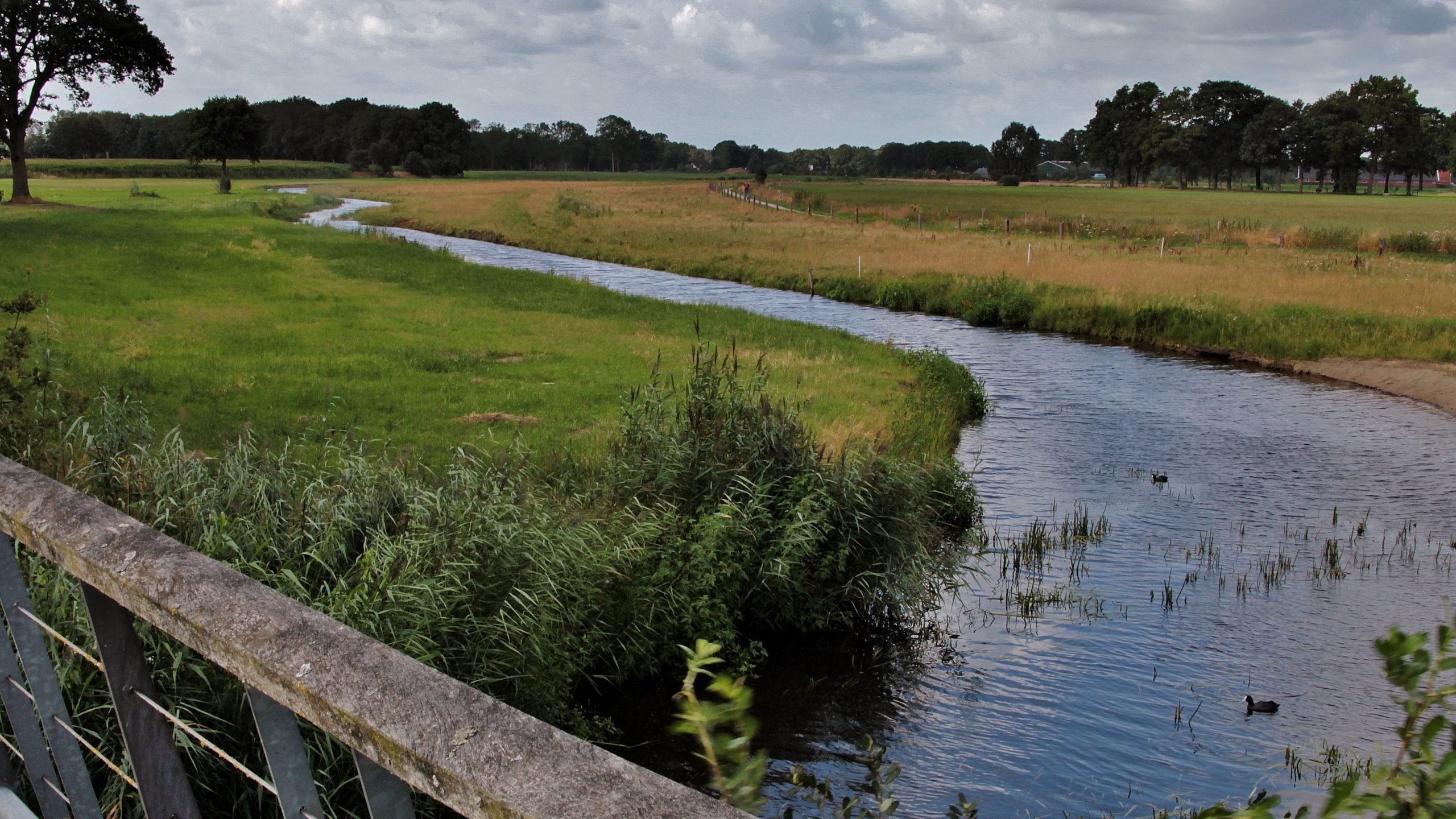
In “English Pastoral,” James Rebanks offers us a poignant and evocative exploration of the British countryside, painting a vivid portrait of rural life through the lens of his own experiences and heritage. This beautifully written memoir is more than just a reflection on farming; it is a heartfelt plea for a more sustainable and mindful relationship with the land.
“A true farmer is a steward of the land, not a conqueror.”
A personal journey
Rebanks, a third-generation farmer in the Lake District, opens the book by taking us back to his childhood, where he spent days working alongside his grandfather. These early memories are imbued with a sense of wonder and respect for the natural world, setting the stage for a narrative that intertwines personal history with broader environmental and societal themes. His grandfather’s wisdom and traditional farming methods are depicted with reverence, serving as a stark contrast to the modern agricultural practices that Rebanks critiques.
One of the most charming parts of the book is how Rebanks talks about family life on the farm. His descriptions of his children’s personalities and interests are so personal, making you feel like you’ve watched them grow up right there with him.
As the story unfolds, Rebanks dives into the seismic shifts that have occurred in farming over the past few decades. He describes the rise of industrial agriculture, and its harmful impact on the environment and local communities. Rebanks doesn’t sugar coat things, and he describes issues like soil degradation, loss of biodiversity, and the tough economic pressures that push farmers towards unsustainable practices. His account is both deeply personal and universally relevant, a story we’ve heard from many farmers of his generation.
“Thankfully, my father never sent me to agricultural college. He was old-school and thought those places turned out people who knew the cost of everything and the value of nothing.”
An inspiring call for change
“English Pastoral” isn’t just a sad look at what we’ve lost; it’s also a hopeful vision for the future. Rebanks advocates for a return to more sustainable farming methods that work in harmony with nature, rather than against it. He shares his inspiring story as a farmer who embraces regenerative agriculture, who is rewilding the land, and reviving old practices to create a more resilient and ecologically sound farming system. His story is a testament to the resilience and ingenuity of rural communities, offering a glimmer of hope in a time of environmental crisis.
One thing that I particularly enjoyed was the way Rebanks manages to capture the beauty and brutality of farm life with equal measure. Whether he is describing the intricate patterns of bird migrations, the quiet moments of contemplation in the fields, or the struggle of financial instability, and long days of very hard work, Rebanks’ words have a poetic quality that draws the reader in.
“There is something about planting trees that feels good. If you have done it well, it will outlast you and leave the world a little richer and more beautiful because of your efforts. Planting a tree means you believe in, and care about, a world that will be there after you are gone. It means you have thought about more than yourself, and that you can imagine a future beyond your own lifespan, and you care about that future.”
A Timely and Important Work
In an era when the disconnect between urban and rural life has never been greater, “English Pastoral” serves as an important reminder of our shared dependence on the land. Rebanks’ story pushes us to reconsider our relationship with nature and to support practices that ensure the health and sustainability of our environment. His honest and authentic storytelling creates a powerful connection to his farm that’s hard to shake.
In short, this book celebrates the natural world while critiquing the forces threatening it. It’s written with passion, insight, and a deep sense of responsibility. If you’re into farming, sustainability, or simply a beautifully told story, this book is a must-read. Perfect for a quiet countryside retreat or a long journey—because if you’re like me, you won’t want to put it down!
“Farming is a profession of hope.”
Written by Emilia Aguirre
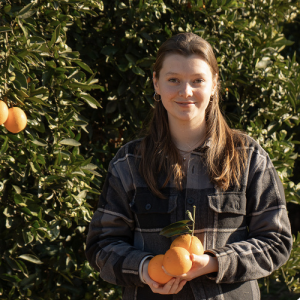
Emilia Aguirre is our Awareness & Advocacy specialist — which means she spends her days asking the uncomfortable questions about how our food is grown, priced, labeled, and sold. She hosts What The Field?!, a podcast packed with stories from the ground, hard-hitting research, and conversations with the people shaping the future of food (whether they like it or not).
Keep digging ...