
Published August 2026
Get to know our supply chain: Our Logistics Hub Crowdlog
Removing pressure from the farmers, so they can focus on what they do best: farming
With the initial CrowdFarming model, our farmers were the ones to pick, package and prepare each delivery as well as coordinate with the transport company on pick-up days. These tasks can add pressure on farmers and can limit the volume they can ship. Instead of the volume of harvest representing the main limiting factor of sales for farmers, they could be restricted by factors such as human resources, infrastructure, or anticipated purchasing capacity for packaging. Therefore, one of the core purposes of CrowdLog is to alleviate this pressure, while having more control over the quality of the produce we ship to CrowdFarmers.
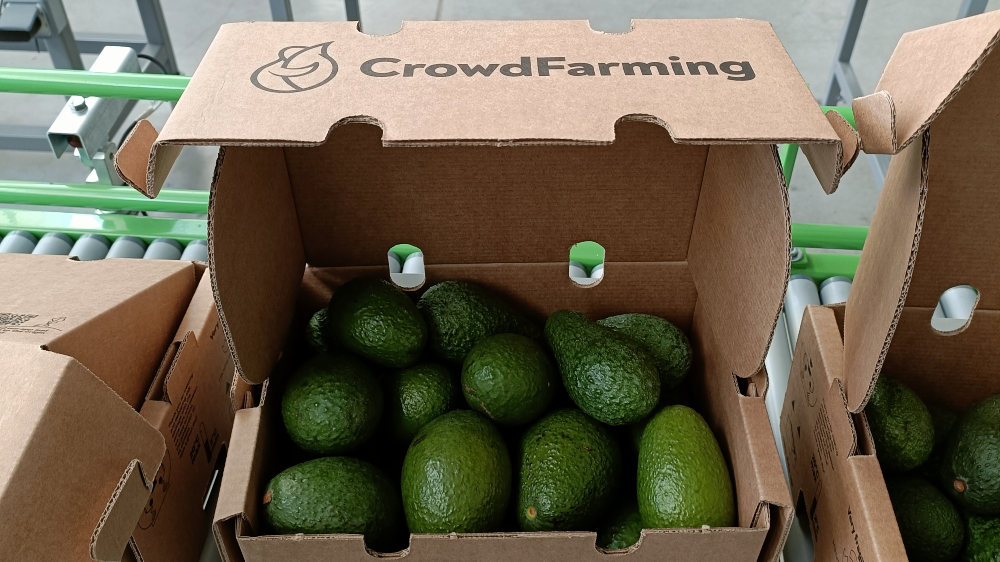
CrowdLog is a logistics hub, not a storage facility
Unlike conventional warehouses that often store fresh produce for extended periods, our logistics hub operates on an entirely different principle. Fresh produce does not linger within cold chambers for extended durations; rather, it’s a dynamic space where efficiency takes precedence.
After a CrowdFarmer makes an order, the produce arrives from the farm (having been picked from the tree that same day or the day before), and is meticulously sorted (separating only the produce with risk of rot), packaged, and readied for its journey to consumers. This 1 to 3-day turnover ensures that freshness is retained, and the connection between the farm and the table remains unbroken. By minimizing the need for long-term cold storage, we significantly reduce energy consumption and greenhouse gas emissions associated with conventional warehousing.
This hub enables us to optimise transportation routes, reduce waste, and broaden the range of products in each delivery and its format. In fact, we have recently launched the CrowdFarming subscription model, where CrowdFarmers can receive a variety of seasonal products every month in one box. This means CrowdFarmers can experience the full spectrum of Spain’s harvest, enjoying a wider array of seasonal fruits and vegetables in every order.
CrowdLog also looks for opportunities where others might not. Rather than throwing away products that we cannot send, these are sold to other industries, donated to local NGOs or processed into new products (like our brand-new chutneys or hummus) thereby reducing food waste while increasing the income that the producer receives.
We aim to provide our CrowdFarmers with produce that not only tastes good, but also reflects our commitment to responsible production and consumption.
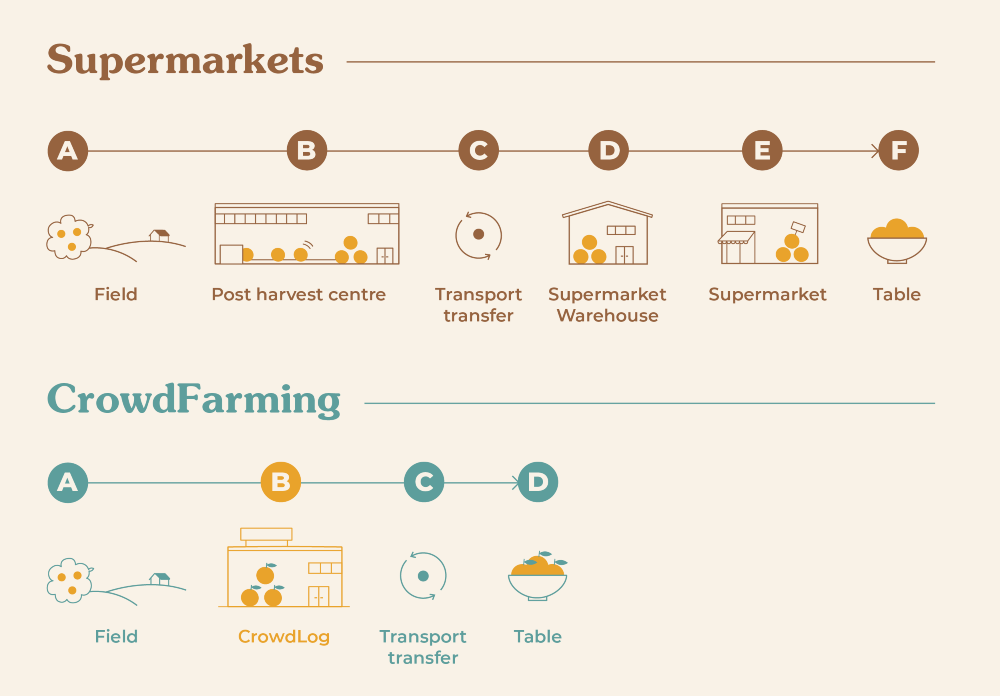
How does the CrowdFarming supply chain compare to the conventional one?
A Glimpse Into The Conventional Supply Chain:
In the conventional supply chain, the journey of fresh produce from the farm to your table is characterised by various touchpoints and complexities. Fruits and vegetables are often harvested prematurely and subjected to artificial ripening processes upon reaching their destination countries. After arriving at a central warehouse for sorting and packaging, they may spend extended periods in cold storage facilities or receive wax coatings to extend their shelf life by reducing moisture loss, preventing mould growth, and enhancing their visual appeal. These practices not only consume significant energy but also diminish the freshness and quality of the products, frequently translating into high volumes of food waste.
The produce then embarks on a series of transit stages, involving multiple transport modes and potentially lengthy delays at distribution centers. Consequently, the time taken for these goods to journey from the moment of harvest to the table can stretch from anywhere between weeks, months or even a year depending on the product and its provenance, potentially impacting the produce’s quality and nutritional value.
CrowdLog: A Paradigm Shift
In stark contrast, the Valencia Logistics Hub redefines the journey of produce, prioritising efficiency, freshness, and sustainability. In summary, we keep it simple – no storage, no artificial ripening processes, no waxes, just fresh food. “Simple” is easier said than done, it requires a lot of meticulous planning, and we strive to get better at it every day to provide the best possible experience for farmers and CrowdFarmers.
As an active hub rather than a storage facility, CrowdLog’s primary purpose is to facilitate streamlined processes, from sorting and packaging to immediate dispatch. Unlike the conventional model, where produce lingers in cold storage, the hub’s swift operations minimize the need for long-term refrigeration. This not only reduces energy consumption but also preserves the inherent flavours and nutritional content of the fruits and vegetables. In the CrowdFarming supply chain, we take an average of 5.5 days from Field to Fork. (Have a look at our 2022 Impact and Sustainability Report here for more data!)
What about transport?
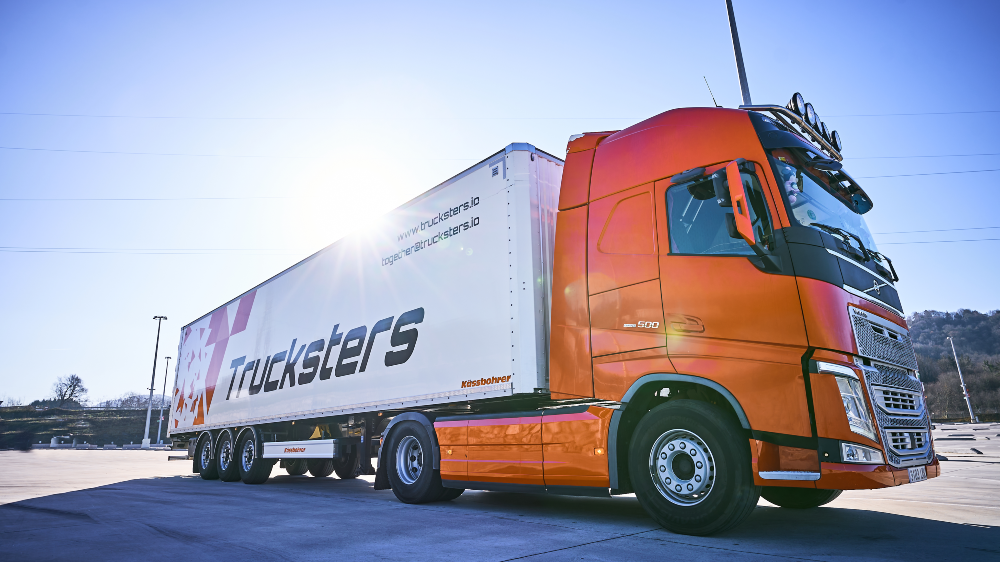
In the CrowdFarming model, transport – including the last mile – is the factor that most influences the carbon footprint of our operations. We know that this is the point we really need to focus on improving. In order to do so, we strive to always have a high occupancy of trucks, reduce food waste, partner with transport companies that are aligned with our values and offset our carbon footprint.
Through our sustainability and impact team’s comparative study of an orange’s journey from Valencia to Berlin in the CrowdFarming vs. conventional supply chain, we have found that CrowdFarming’s efficiency efforts result in a 22% reduction of the emissions produced compared to the supermarket model. Have a look at our blog post about the study here.
What does the future look like for CrowdLog?
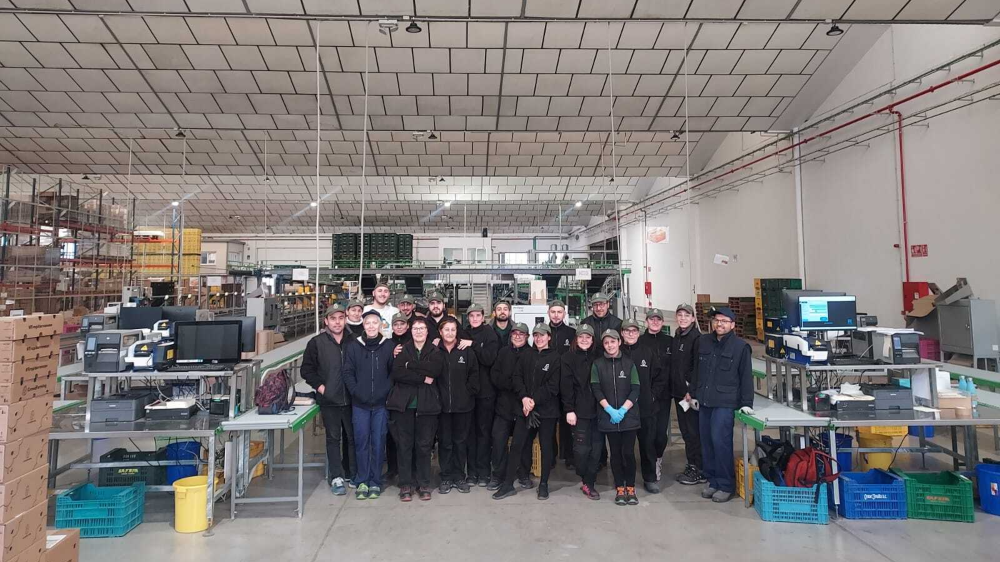
This year at CrowdLog has been filled with excitement, difficulties and learning. We can’t pretend it’s been an easy ride, but as we embrace the clear need for change in our industry, it’s essential to acknowledge that challenges may lie ahead on this uncharted path. The complexities of supply chain management, unforeseen variables, and the ever-evolving landscape of the agri-food industry will demand ongoing adaptation and innovation. Nevertheless, we are dedicated to overcoming these challenges, continually improving the hub’s operations and maximising its benefits for our valued CrowdFarmers and dedicated farmers.
CrowdLog stands as a testament to our commitment to innovation and sustainability, and the well-being of both farmers and CrowdFarmers. By simplifying the supply chain, we ensure that the journey from farm to table is as seamless and efficient as possible. With sustainability at its core, CrowdLog aims to redefine the future of food distribution, paving the way for a more responsible and rewarding experience for all.
Written by Emilia Aguirre
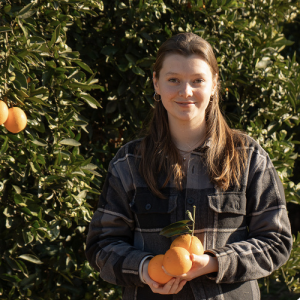
Emilia Aguirre is our Awareness & Advocacy specialist — which means she spends her days asking the uncomfortable questions about how our food is grown, priced, labeled, and sold. She hosts What The Field?!, a podcast packed with stories from the ground, hard-hitting research, and conversations with the people shaping the future of food (whether they like it or not).
Keep digging ...