


Looking for more? 

We’re just an email away.

What The Field?! isn’t just a name. It’s a reaction to how our current food system works. Through journalism, research, and real stories from the land, we investigate the forces shaping what and how we eat.

Our

favourites
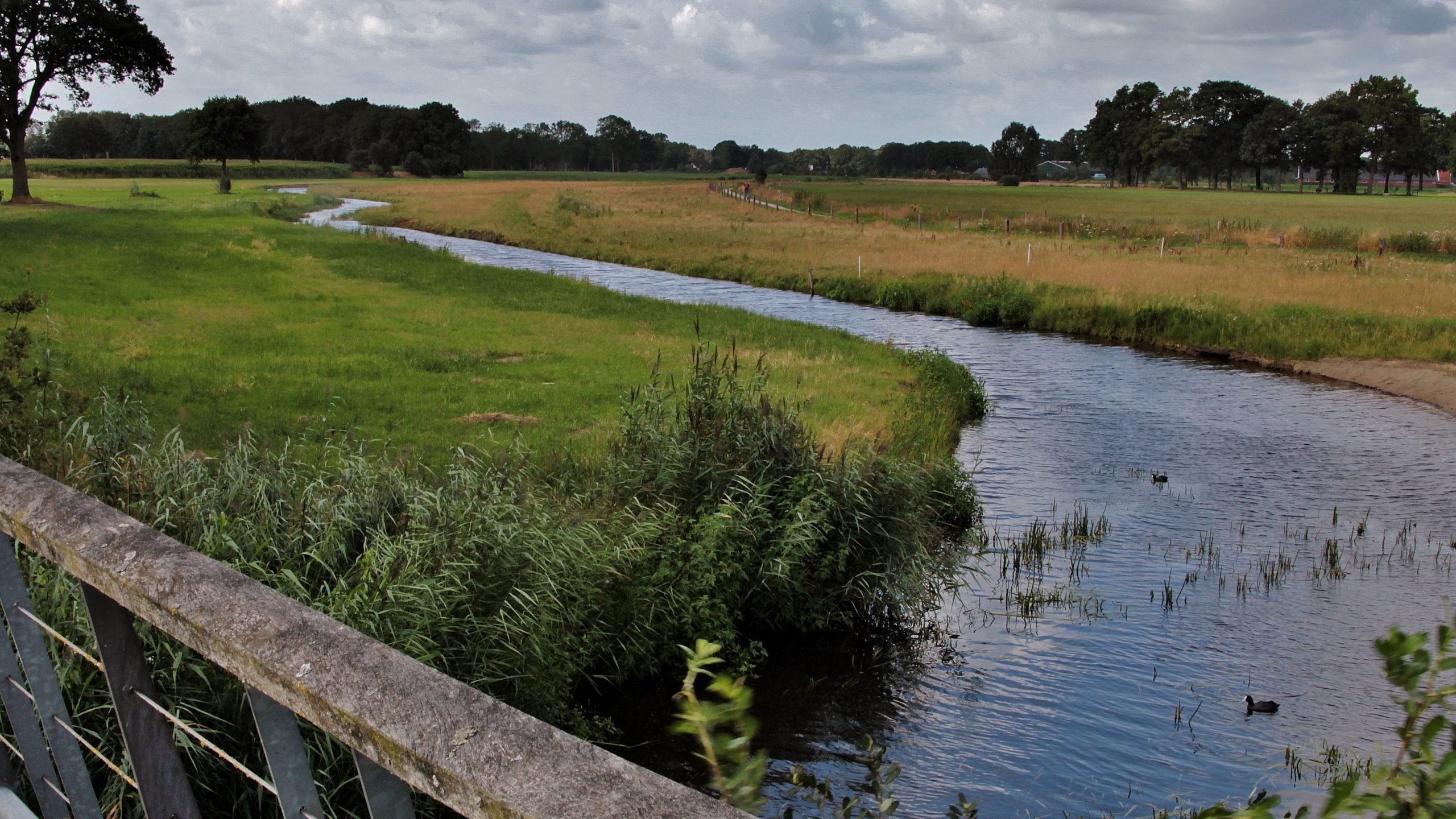
Regenerative vs. conventional: what’s the difference?

Watch the film

WTField?! On Air

See all episodes

48 min

Regenerative Agriculture makes business sense

#308 | December 2025

What if the future of farming was not only better for biodiversity and soil health, but also a smarter long-term investment? In this episode of What The Field?!, we sit down with Alessia Lenders, Head of Impact at SLM Partners, a pioneering investment firm proving that ecological farming and solid financial performance can go hand in hand.Alessia’s journey into regenerative agriculture did not begin in the fields but in the world of traditional finance. Searching for investment solutions that could genuinely improve biodiversity, she found herself returning again and again to agriculture: one of the biggest drivers of environmental degradation, but also one of the greatest opportunities for change.Today, SLM Partners manages more than 760 million dollars in farmland and forestland across the United States, Australia and Europe. Their approach is simple yet radical: invest in land, partner with skilled farmers, and scale regenerative systems that rebuild soil, protect water and secure long-term productivity.What you will discover in this episode1. The economic logic behind regenerative agricultureAlessia explains why long-term, patient capital fits naturally with regenerative transitions: healthier soils, more diverse revenue streams (including carbon projects in Australia) and more climate-resilient farms. Far from being a financial compromise, regenerative systems can improve profitability by reducing input costs, stabilising yields and tapping into premium and organic markets.2. Why investors are turning to farmlandFarmland behaves differently from stocks and bonds, which makes it an attractive diversifier for institutional investors. SLM adds another layer: regenerative farms that can outperform conventional systems over the long term while delivering measurable environmental impact.3. The crucial role of the farmerSLM’s model is farmer first. They partner with experienced growers who want to expand but lack the capital to acquire land. SLM buys the land, the farmer manages it and both commit to a regenerative transition adapted to local realities. The result is a partnership that supports young farmers, protects landscapes and proves that ecological agriculture can scale.4. A clearer picture through dataFrom soil microbiology to water modelling, biodiversity indicators and carbon estimates, SLM collects an extraordinary amount of data to understand and communicate how landscapes change over time. This allows them to build business models that anticipate droughts, evaluate water security and verify real ecological outcomes.5. Regenerative agriculture is not one size fits allWhether transitioning almond orchards in Spain, grasslands in Australia or mixed farms in the United States, SLM adapts regenerative principles to each context. For some farms, the target is organic certification. For others, it is a regenerative outcome-based approach focused on soil health, biodiversity and long-term resilience.This episode goes deeper than we ever have into the financial mechanics behind regenerative agriculture. It is a rare look at how capital, ecology and farming come together to build food systems that work for both people and the planet.If you have ever wondered whether regenerative agriculture really adds up financially, ecologically or both, this is the conversation you will not want to miss. 

Listen

See all episodes

Field Notes

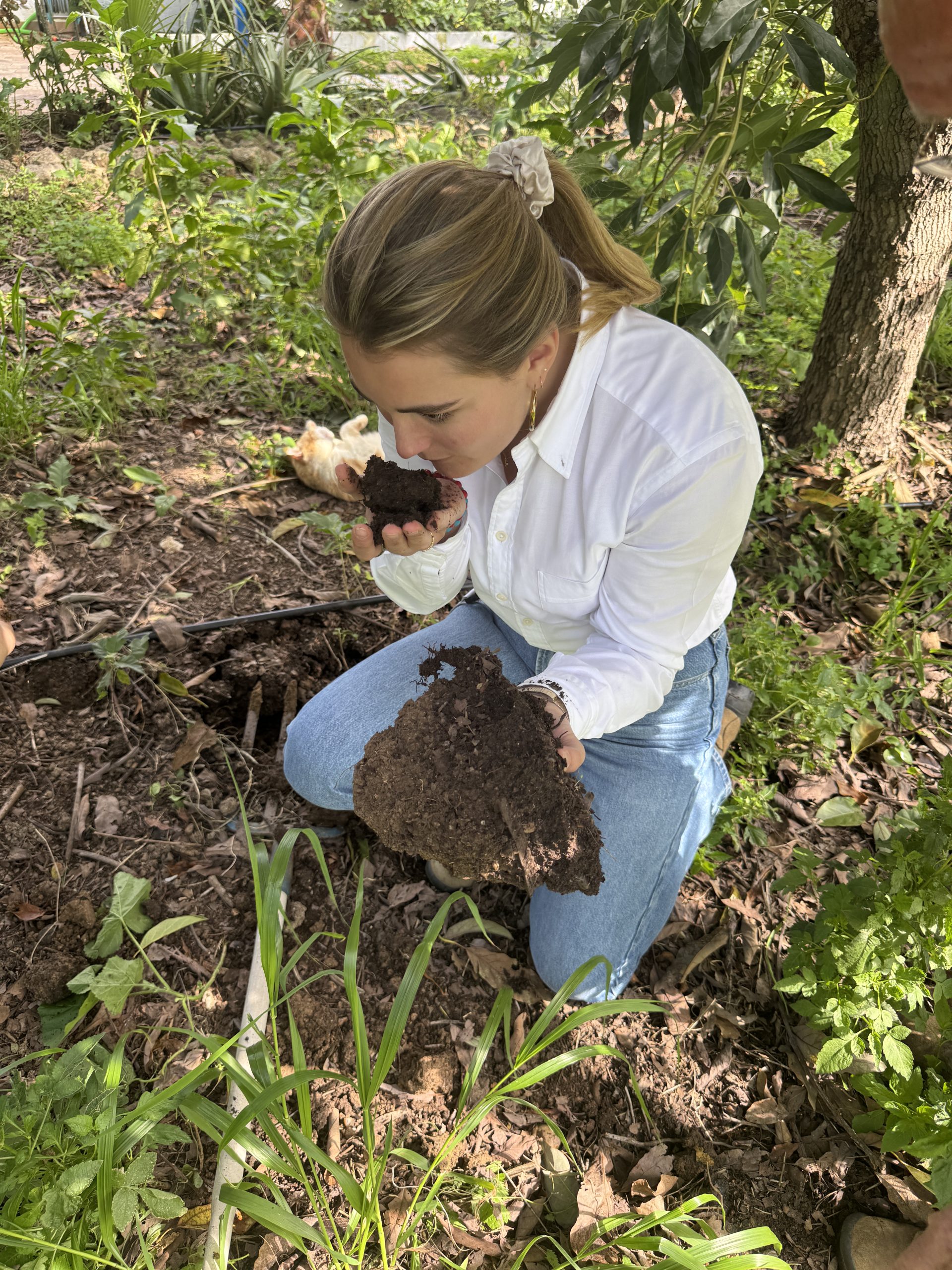
"If you're not eating right, your head gets all muddled."

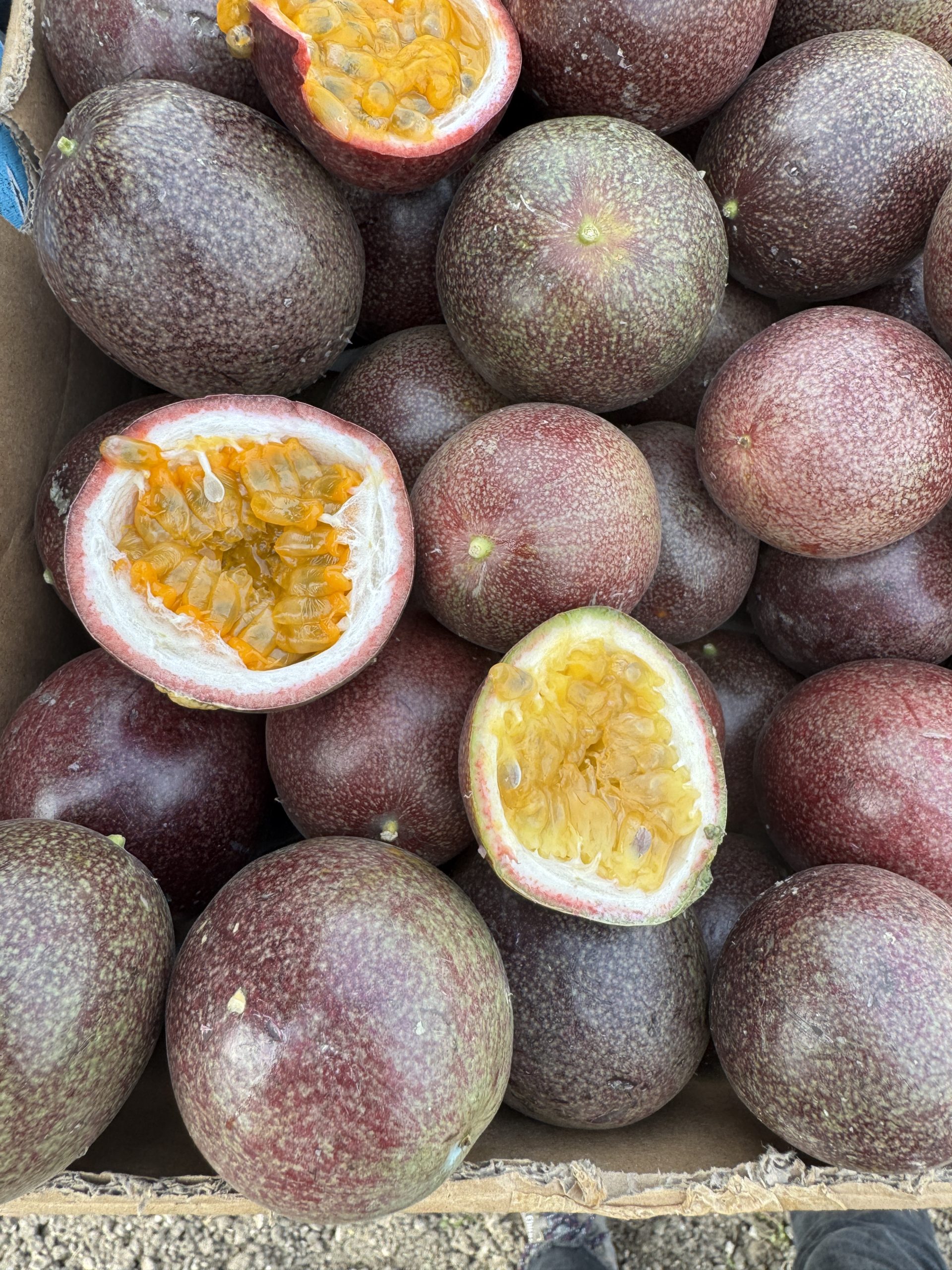
Due to climate change, it is becoming increasingly easier to grow passion fruit in Italy.

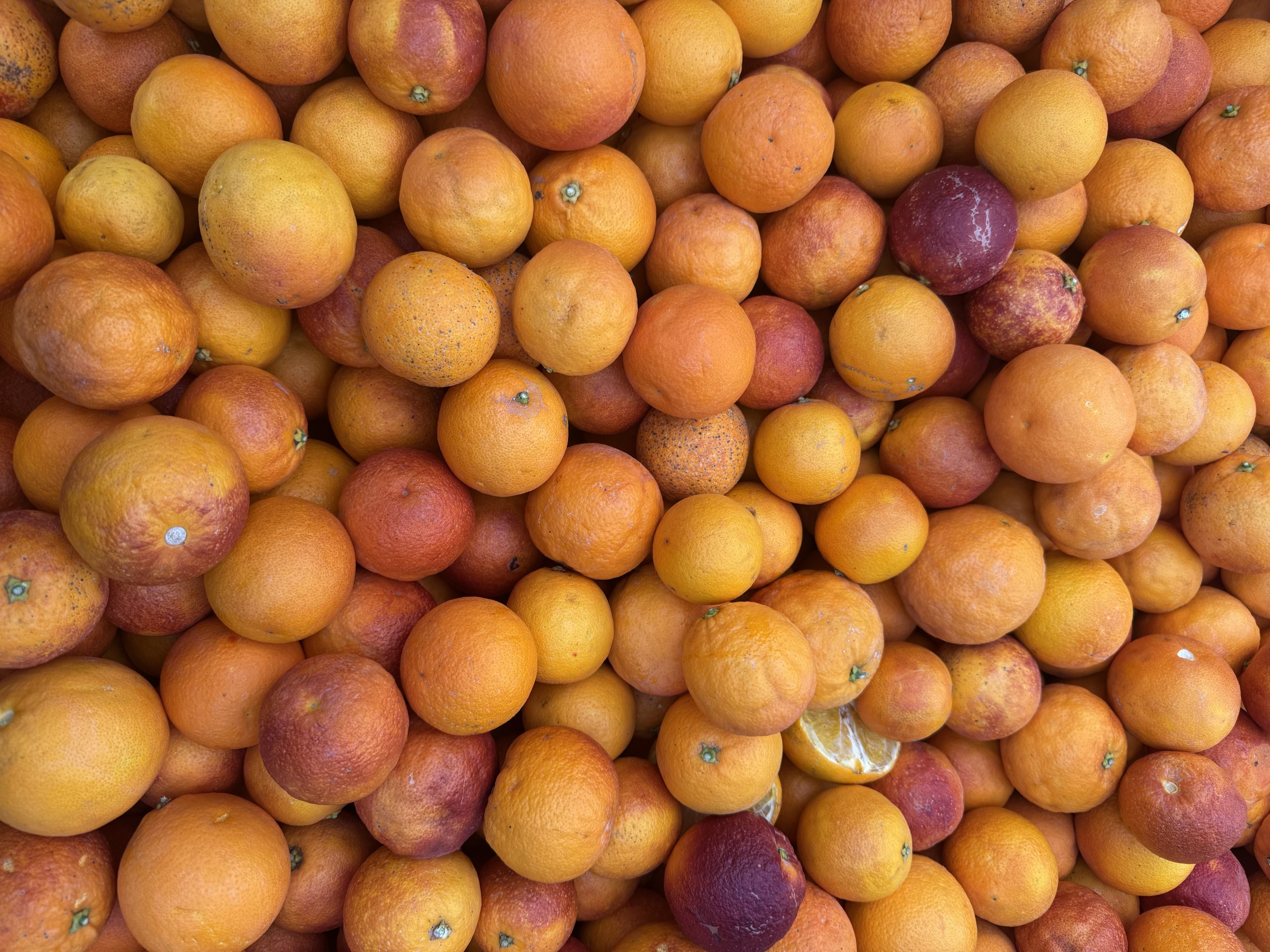
If nights aren't cold, blood oranges won't turn red.

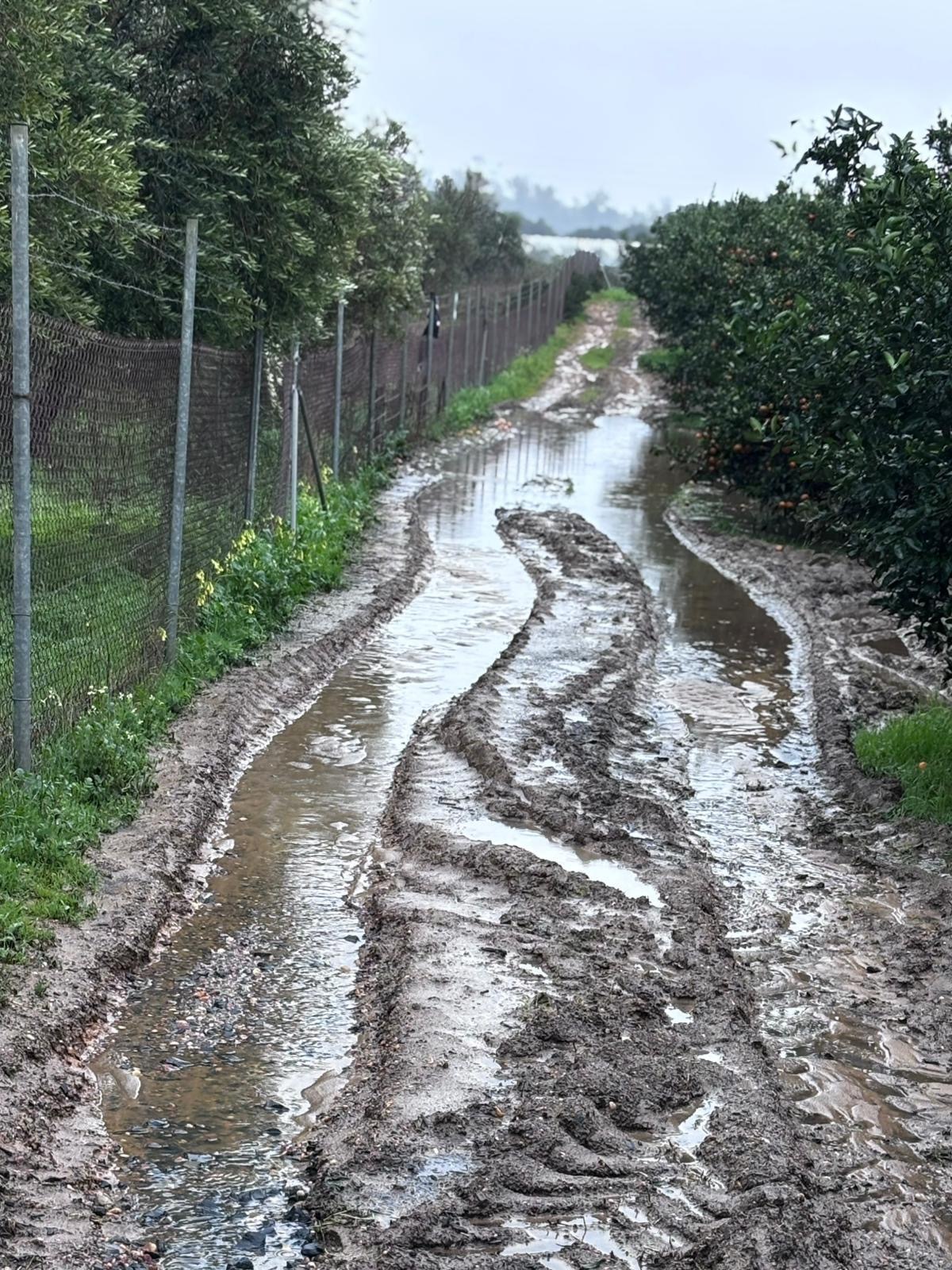
The Soil as a Sponge – How Storms Still Give Us Hope

See all chapters

Research papers

2026/05 · Toxic food, the invisible exposure

2026/02 · The profitability of soil regeneration

2025/09 · The link between regeneration and water

The Regeneration Series: Report about how regenerative-organic farming affects water.The living reservoir: Regenerating water from the soil upDid you know that agriculture already consumes 70% of the world’s freshwater and that aquifer over-extraction has been so extreme it has even shifted Earth’s axis? Our latest report, “Regenerative Series: Harvesting the Rain”, shows how regenerative-organic farming can turn soils into living reservoirs — protecting our food supply and securing our shared water future. The Water challenge and the soil solutionIn Europe, 20% of land and 30% of the population already face water stress every year. Droughts are moving north, floods are intensifying in the south, and soils — compacted and degraded by conventional agriculture — can no longer hold the rain that still falls. On top of this, fertiliser and pesticide run-off has polluted a third of Europe’s waters, costing billions to clean. Conventional farming isn’t just vulnerable to climate extremes — it’s making them worse.The good news is that healthy soils act like sponges. A 1% increase in organic matter allows a hectare of farmland to store 75,000 litres more water and improves infiltration rates by up to 256%. Farms like La Junquera, BioSanz, and Tropiterráneo are already proving it: absorbing floods, cutting irrigation needs in half, and even turning lifeless reservoirs into thriving ecosystems.The bigger pictureWater security is not just about rain or reservoirs — it’s about how we farm. Supporting farmers who “harvest the rain” is more than a consumer choice: it’s an investment in food resilience, biodiversity, and the water security of us all. Dive deeper into the science and stories behind water resilience.
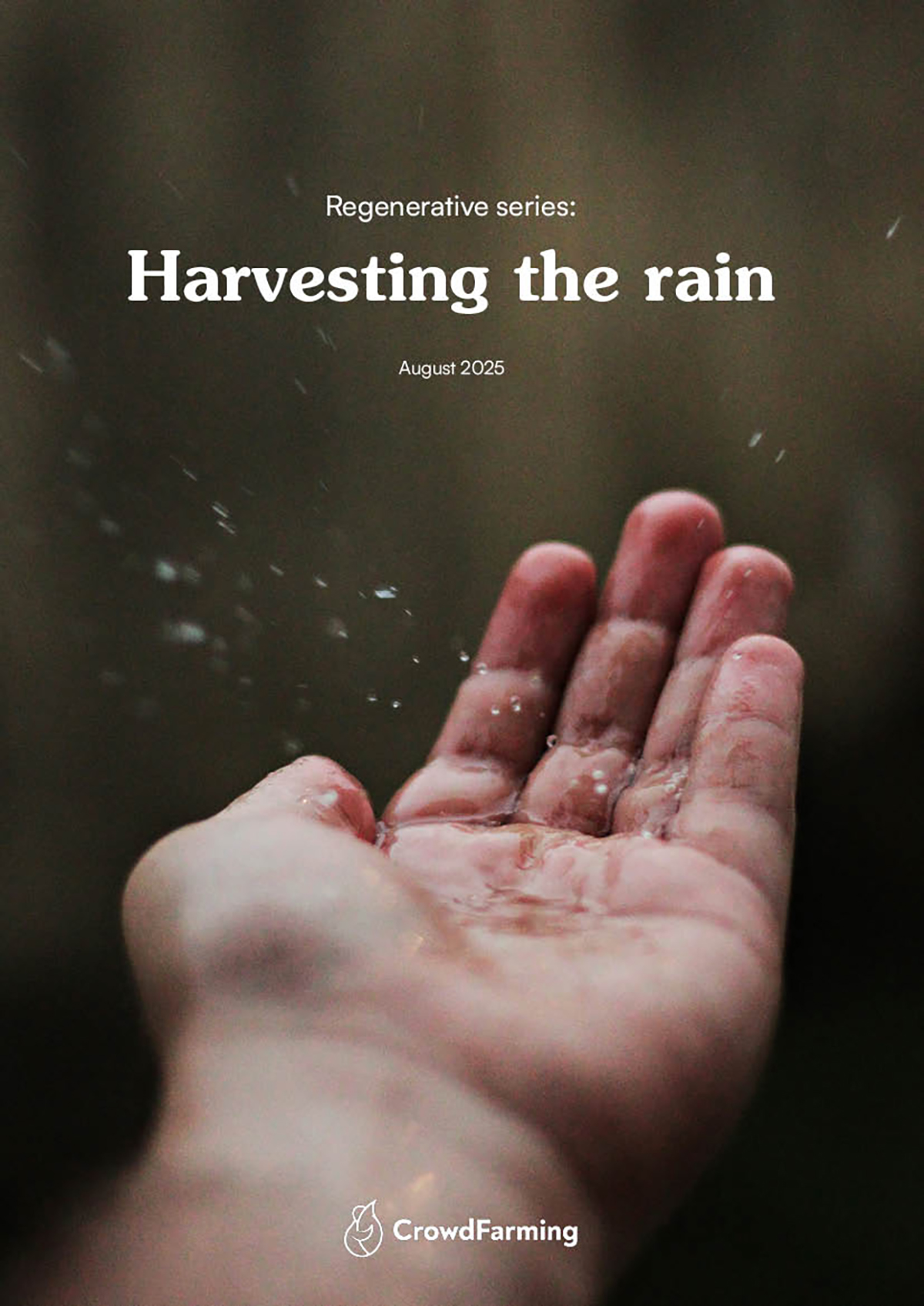
Read the paper >

All publications