Looking for more? 

We’re just an email away.

What The Field?! isn’t just a name. It’s a reaction to how our current food system works. Through journalism, research, and real stories from the land, we investigate the forces shaping what and how we eat.

Our

favourites
Field Notes

4 min

Calves in kindergarten

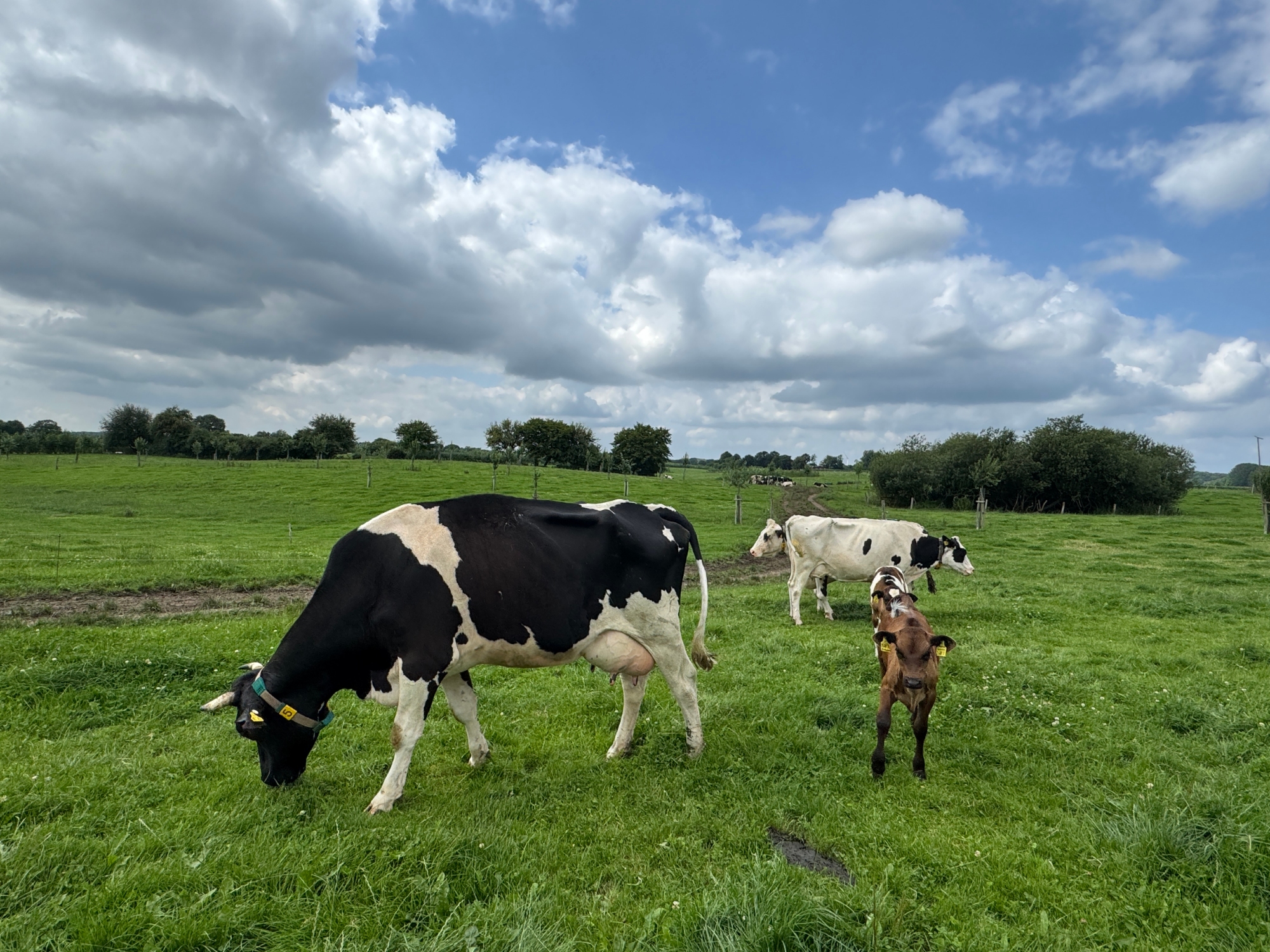
When it comes to direct sales, there are two protagonists – the farmer and the customer. At CrowdFarming, we are in daily contact with both, and we know all of our farmers personally. But what about our CrowdFarmers?As part of our 1% for the Soil initiative, we used the summer to bring farmers, and CrowdFarmers (customers) together on one farm.We are at Felix Riecken’s Eichhof farm. Here you’ll find impressions and a conversation about everything that moves Felix and what Eichhof stands for.The Kiel area is idyllic, green, and summery – the sun even comes out for our CrowdFarmer meeting. It’s like opening a children’s book: ducks swim in the pond, children play in the farm’s trailer kindergarten, and cows graze. Driving to Eichhof is a bit like coming home. Not only because I studied in Kiel myself, but because being with farmers often doesn’t feel like work to me. For Felix, however, it does – he’s been awake since 5 a.m. and has already spent two hours milking his cows.We know that it’s not all idyllic scenery, of course, because Felix participated in our documentary “Rage is good. Action is better.” Our conversations about broken food systems are long, the thoughts profound, but the proposed solutions sound feasible.Felix is ​​a pioneer in regenerative agriculture, and his tireless commitment is inspiring. He took over the farm from his parents, who are still actively involved. The farm includes a herd of approximately 70 cows, its own farm shop, and its own dairy. Our tour begins at the farm’s own dairy, where we learn that dairy farming and cheese making are two different areas, each requiring specific training. This is where the milk is bottled and yogurt is made; the cheese and meat are produced in a neighbouring cheese dairy and slaughterhouse. We also learn that whey, for example, is unfortunately a waste product and has no market share.The calf nursery is for all calves that can spend their first few weeks with their mothers. Mother-calf rearing means more financial outlay for the farmer, because more milk is needed for the calf, than for the farmer. Felix says the effort is still worthwhile, as the calves are healthier and the mothers are more relaxed. On social media, Felix is ​​transparent about his work, including things that may not be so obvious to consumers—such as brother calves that aren’t kept on the farm for financial reasons. For this, he regularly receives criticism and has to argue, educate, communicate, and inform. Something I’ve seen all too often in customer service: those who are transparent are vulnerable. Those who do things differently have to justify themselves.Pioneering work, therefore, primarily means investing time in education. The Eichhof is a venue for courses, workshops, and meetings, and Felix is ​​often invited as a speaker. He comments: “It’s not easy to get the farmer off the farm,” because then work is left undone that others on the team have to do. And yet, Felix still takes the time to show our CrowdFarmers the pastures, the dairy, the stables, and everything that goes with them. He patiently administers a calcium infusion to a sick cow – the children watch with excitement and are even allowed to help.On the beautifully green pasture, we learn what a cow needs to milk 26-30 litres of milk a day and how much protein is contained in the grass.Using integrated agroforestry systems, Felix is ​​bringing more biodiversity to the pasture and expanding his cows’ menu with so-called “edible hedges.” The approximately 2,000 planted trees increase biodiversity and production in the ecosystem. They also provide shade in the pastures and improve water retention in the soil. This allows Felix to produce 90% of his cows’ feed himself, which is reflected in the quality of his cheese.We can experience the taste for ourselves at the subsequent campfire with bread on sticks and end the afternoon with interesting conversations.It was a long day, and after all the CowdFarmers have left, I take a walk around the farmyard alone and see a large chalkboard in the entrance area of ​​the house with a monthly calendar drawn on it. Today we shared the Eichhof with a children’s birthday party, and in a few days, an agroforestry workshop will take place.Raising awareness – a never-ending task! It’s incredibly wonderful when I see how many people came to the community meeting. It’s incredibly important when I see how much work it takes to produce a piece of cheese.

Read

Recipes

30 min

Easy Mango Sticky Rice

No need to travel to Asia to taste this iconic dessert, especially with mango season starting soon in Europe! This sweet sticky rice with mango is best known by its English name “mango sticky rice” and proves that simplicity can be a delicious path to indulgence. Plus, it’s both vegan and gluten-free, making it perfect for everyone at the table.Ingredients for 4: 2 mangoes 300 g sticky rice 400 ml thick coconut milk 2 tbsp sugar Preparation:Rinse the sticky rice until the water runs clear. Soak it in water the night before if possible, or at least 3 hours in advance.Drain all the water from the rice, then place it on baking paper inside any steaming basket. Steam for 25 minutes. Meanwhile, peel and slice the mangoes.In a saucepan, mix the coconut milk with the sugar and a pinch of salt. Stir gently over medium heat until completely dissolved and remove from the heat when the mixture reaches a boil.In a bowl, gradually pour half the coconut sauce over the rice. Mix well and keep the remaining sauce for serving.To serve:Put a teaspoon of coconut sauce at the bottom of a small bowl. Fill with rice, then flip it onto a plate. Arrange the mango slices on the side and generously drizzle with the remaining coconut sauce.For a more original presentation, go for a spring-roll style. Soak a rice paper sheet in warm water for a few seconds, then place it on a towel. Lay the mango slices horizontally in the centre. Add rice and coconut sauce vertically on top. Fold the rice paper and repeat.

Read

Regenerative vs. conventional: what’s the difference?

Watch the film

WTField?! On Air

See all episodes

48 min

Why Regenerative Agriculture makes business sense

#308 | December 2025

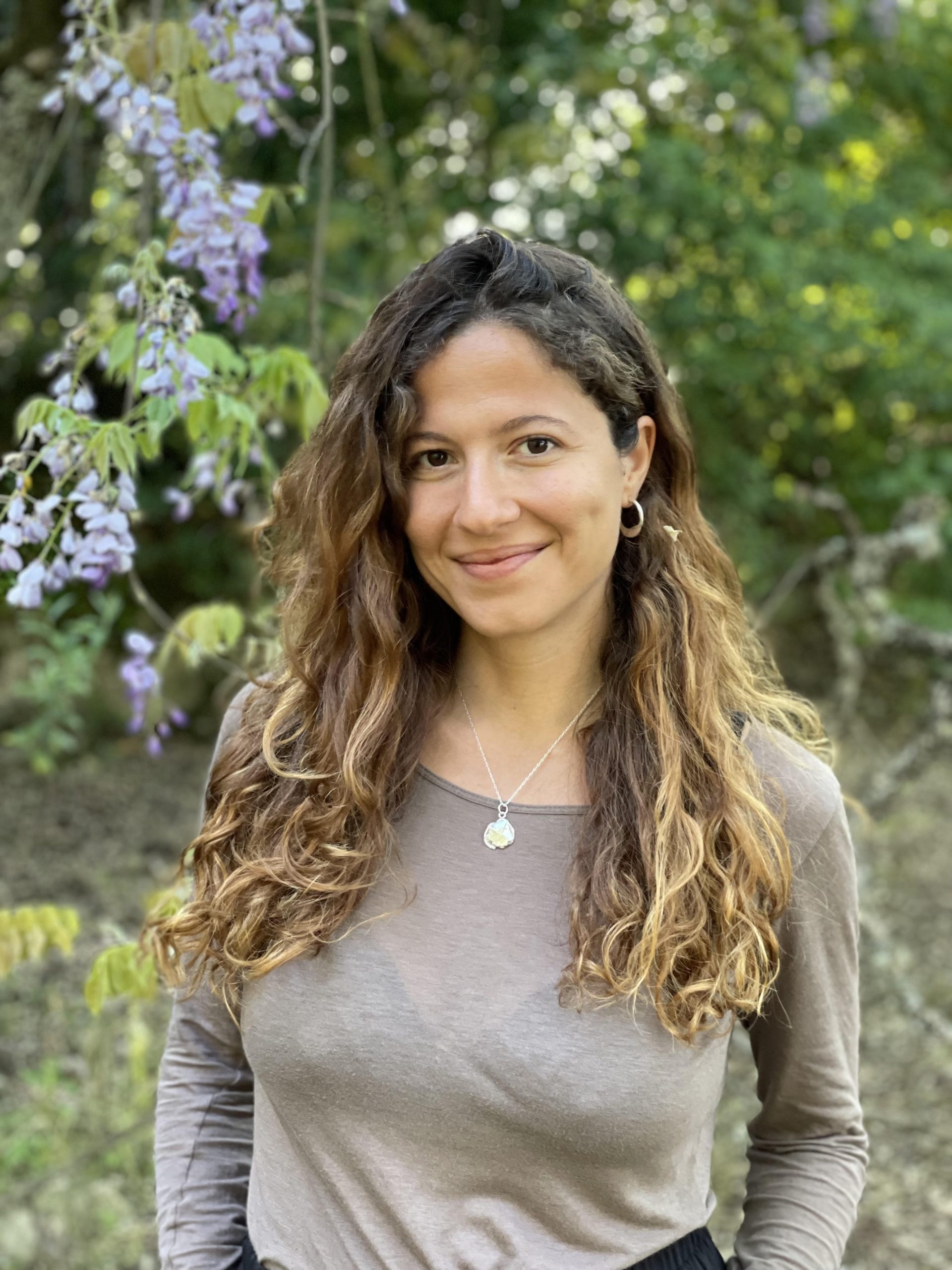
What if the future of farming was not only better for biodiversity and soil health, but also a smarter long-term investment? In this episode of What The Field?!, we sit down with Alessia Lenders, Head of Impact at SLM Partners, a pioneering investment firm proving that ecological farming and solid financial performance can go hand in hand.Alessia’s journey into regenerative agriculture did not begin in the fields but in the world of traditional finance. Searching for investment solutions that could genuinely improve biodiversity, she found herself returning again and again to agriculture: one of the biggest drivers of environmental degradation, but also one of the greatest opportunities for change.Today, SLM Partners manages more than 760 million dollars in farmland and forestland across the United States, Australia and Europe. Their approach is simple yet radical: invest in land, partner with skilled farmers, and scale regenerative systems that rebuild soil, protect water and secure long-term productivity.What you will discover in this episode1. The economic logic behind regenerative agricultureAlessia explains why long-term, patient capital fits naturally with regenerative transitions: healthier soils, more diverse revenue streams (including carbon projects in Australia) and more climate-resilient farms. Far from being a financial compromise, regenerative systems can improve profitability by reducing input costs, stabilising yields and tapping into premium and organic markets.2. Why investors are turning to farmlandFarmland behaves differently from stocks and bonds, which makes it an attractive diversifier for institutional investors. SLM adds another layer: regenerative farms that can outperform conventional systems over the long term while delivering measurable environmental impact.3. The crucial role of the farmerSLM’s model is farmer first. They partner with experienced growers who want to expand but lack the capital to acquire land. SLM buys the land, the farmer manages it and both commit to a regenerative transition adapted to local realities. The result is a partnership that supports young farmers, protects landscapes and proves that ecological agriculture can scale.4. A clearer picture through dataFrom soil microbiology to water modelling, biodiversity indicators and carbon estimates, SLM collects an extraordinary amount of data to understand and communicate how landscapes change over time. This allows them to build business models that anticipate droughts, evaluate water security and verify real ecological outcomes.5. Regenerative agriculture is not one size fits allWhether transitioning almond orchards in Spain, grasslands in Australia or mixed farms in the United States, SLM adapts regenerative principles to each context. For some farms, the target is organic certification. For others, it is a regenerative outcome-based approach focused on soil health, biodiversity and long-term resilience.This episode goes deeper than we ever have into the financial mechanics behind regenerative agriculture. It is a rare look at how capital, ecology and farming come together to build food systems that work for both people and the planet.If you have ever wondered whether regenerative agriculture really adds up financially, ecologically or both, this is the conversation you will not want to miss. 

Listen

See all episodes

Field Notes

"If you're not eating right, your head gets all muddled."

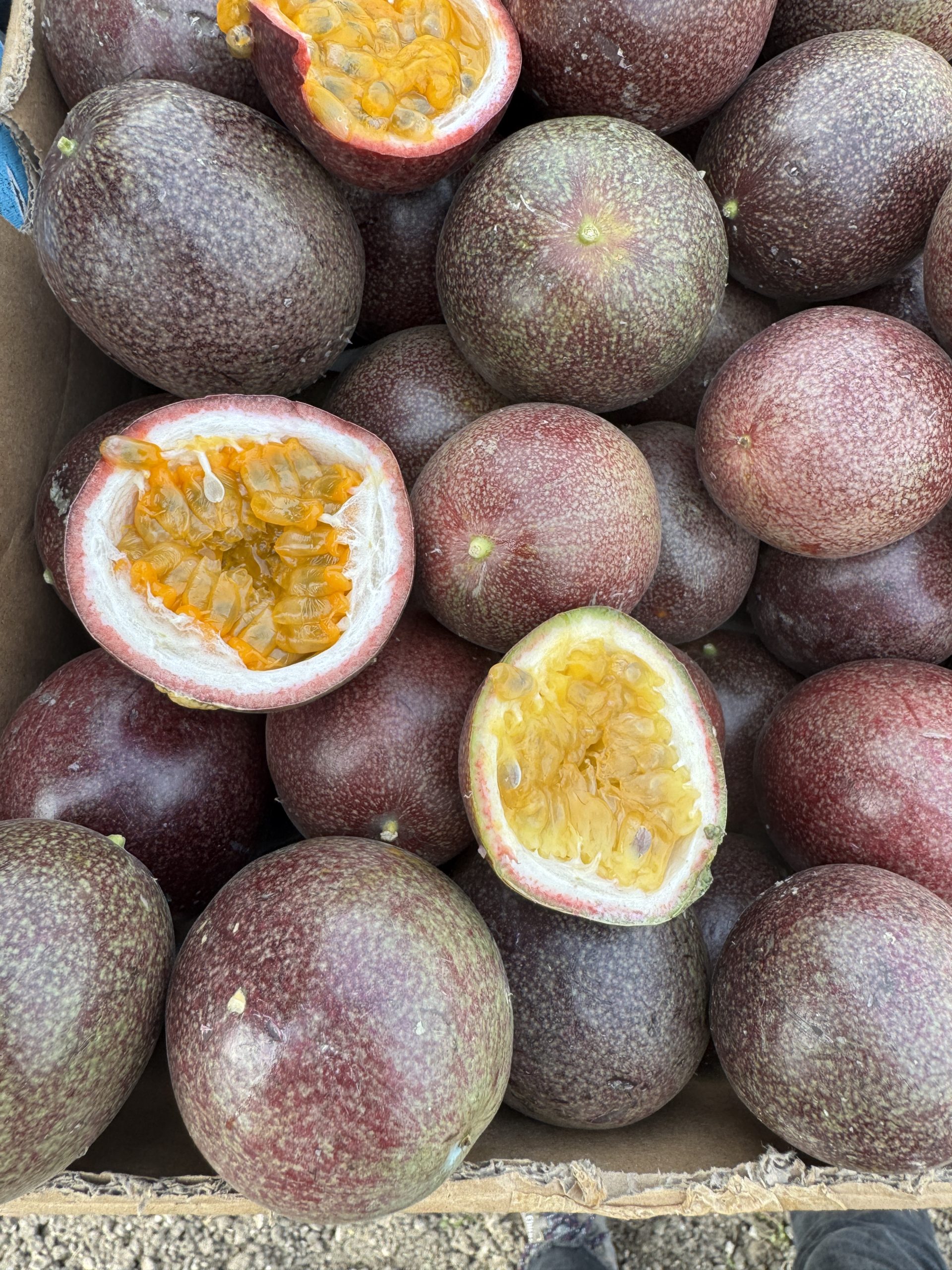
Due to climate change, it is becoming increasingly easier to grow passion fruit in Italy.

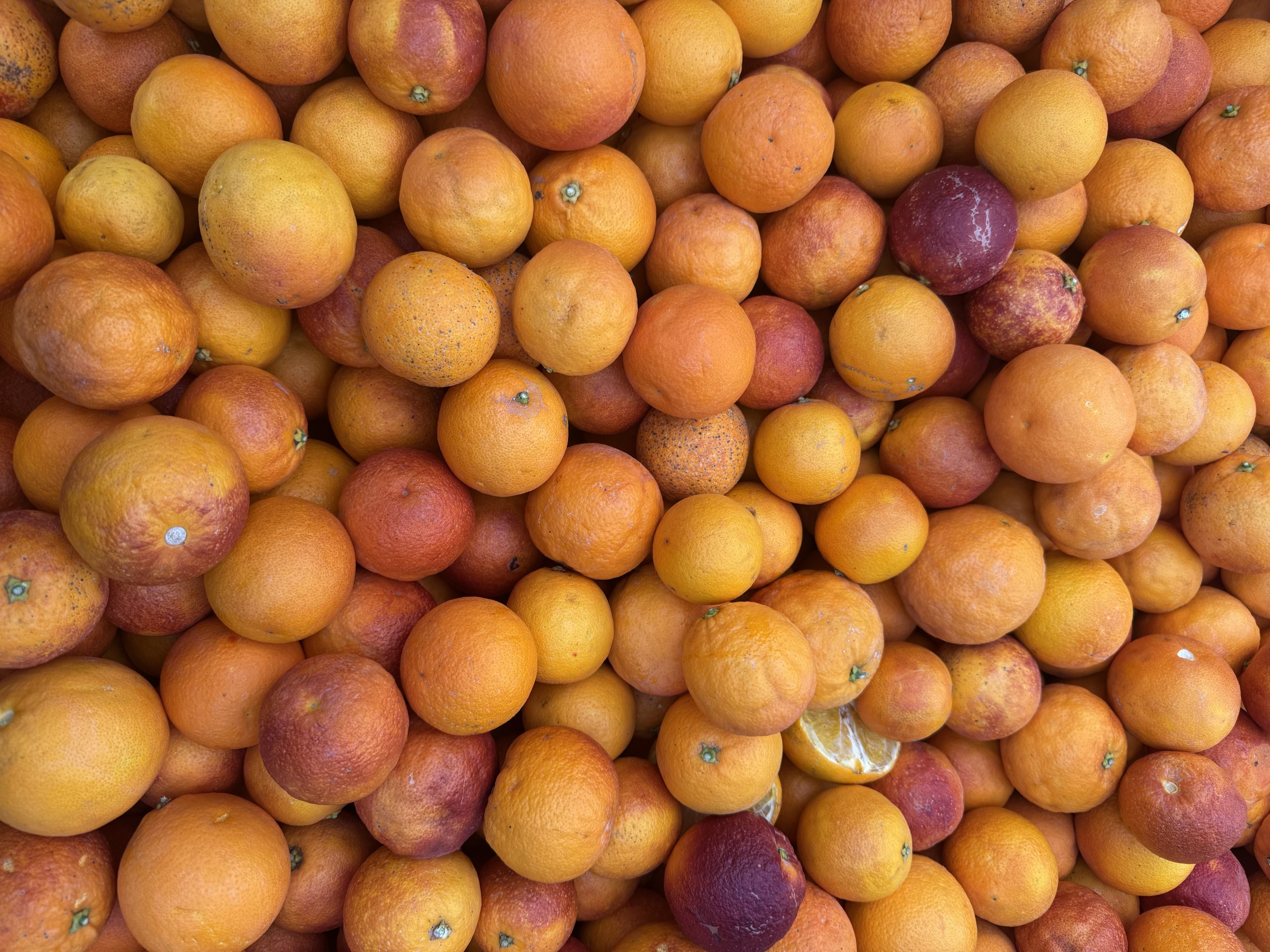
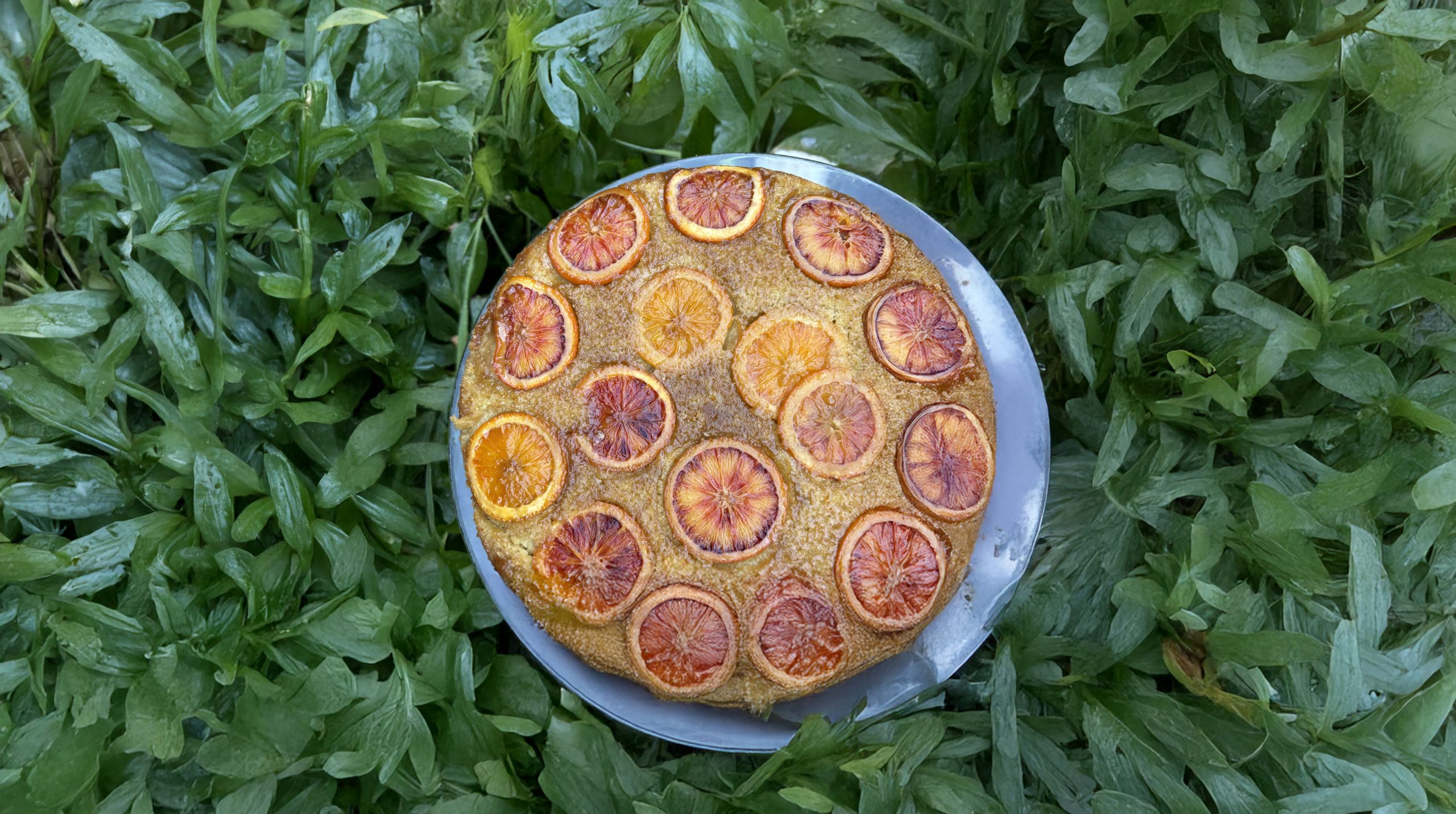
If nights aren't cold, blood oranges won't turn red.

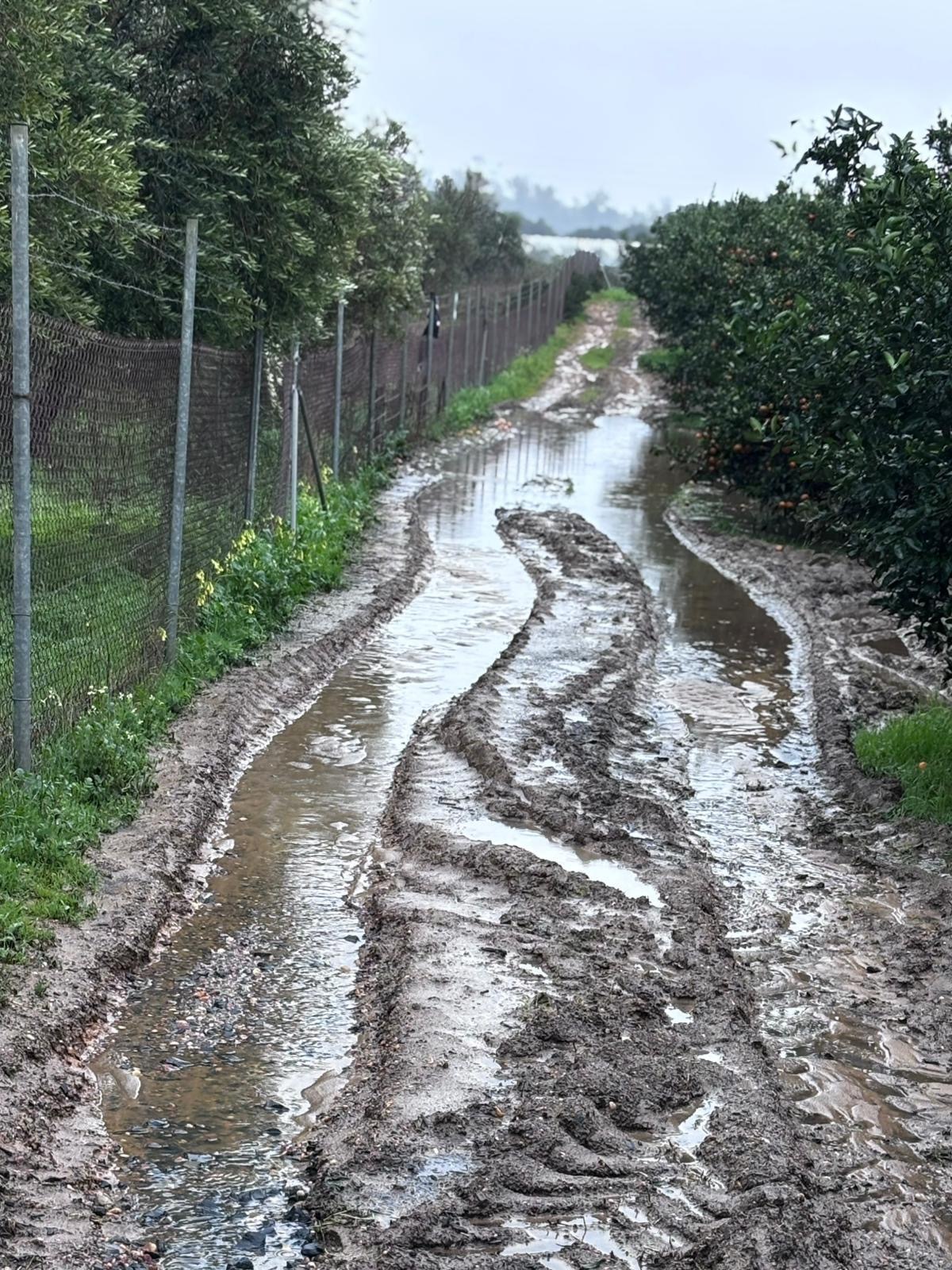
The Soil as a Sponge – How Storms Still Give Us Hope

See all chapters
Recipes

40 min

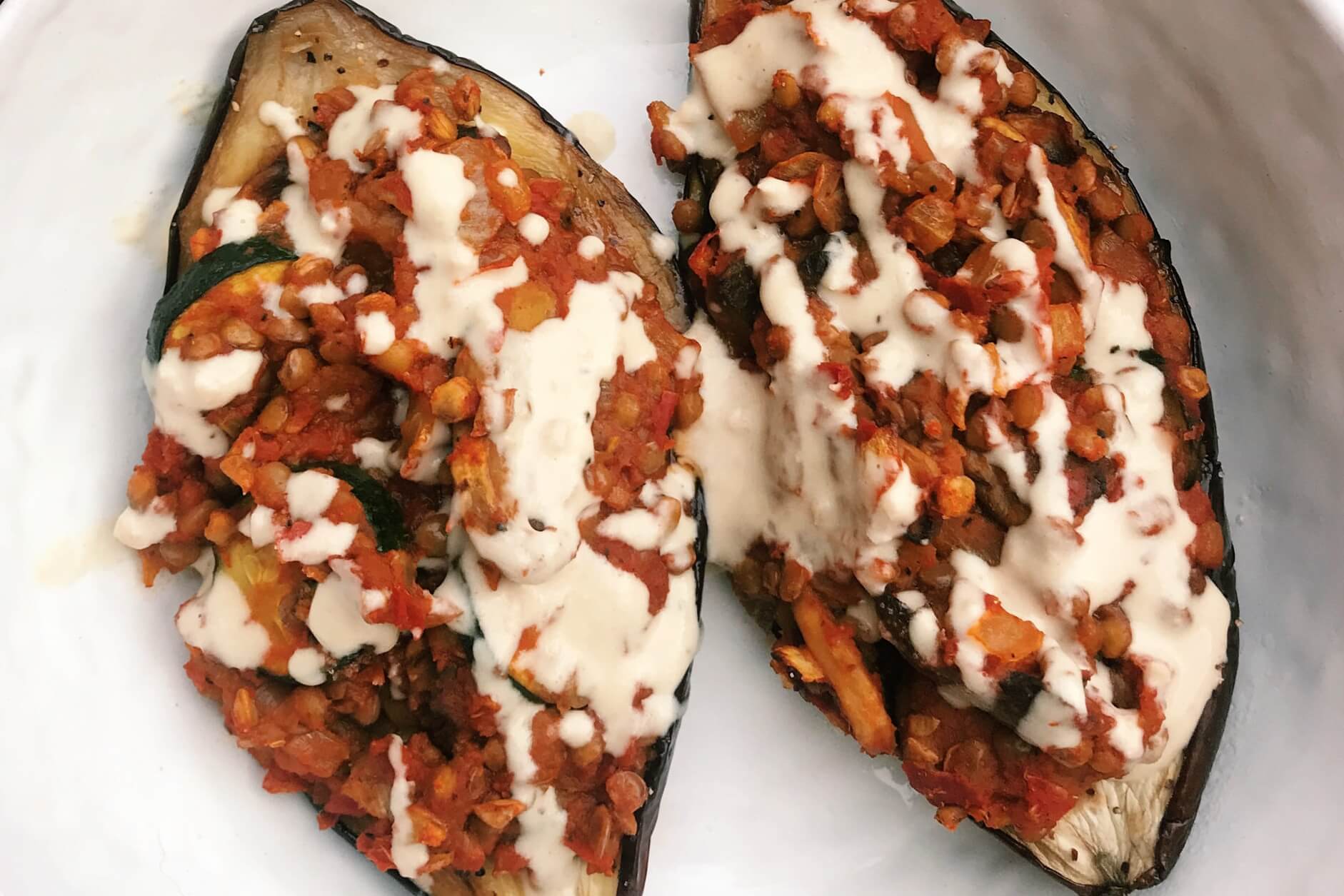
Apple walnut tart recipe

With the holidays just around the corner, our farmer Kathrin Wiest from Biohof Hund has shared one of her favourite seasonal recipes: an apple walnut tart passed down through generations in her family.Kathrin grew up spending weekends on her grandparents’ farm, where she helped with the hay harvest, milking the cows, harvesting vegetables, and discovering early on the importance of knowing where your food comes from. “Good food doesn’t begin in the kitchen,” she says, “it begins in the field.”This profound appreciation for the land followed her through her career in gastronomy and now into her work at Biohof Hund, where she combines her diverse background in gastronomy, organic farming, and horticulture.For Kathryn, working on the farm is more than just a job: “It’s a return to my roots,” she says, “a conscious choice for sustainability and regionality, and a step toward a future that truly makes sense – for my family, for our farm, and for society as a whole.”For Kathrin, this recipe captures values she grew up with: simplicity, seasonality, and a meaningful connection to the land.In this simple and delicious recipe, apples are arranged on top of a rich walnut cream and soft buttery crust: the perfect dessert to have around this winter.Save this recipe for your next holiday gathering!Apple & Walnut TartIngredients:  300 g spelt flour (plus a little extra for dusting) 120 g soft brown sugar Pinch of salt 2 medium eggs 200 g butter (130 g cold, 70 g softened, plus a little extra for greasing) 1 kg tart apples 2 tbsp lemon juice 150 g walnut halves 1 sachet vanilla sugar 50 g honey 80 ml double cream 1 pinch ground cinnamon Preparation:Place 250 g of the flour, 70 g of the sugar, a pinch of salt, 1 egg and the 130 g cold butter (cut into pieces) in a bowl. First mix with the dough hooks of a hand mixer, then knead briefly by hand until you have a smooth dough. Shape into a disc, wrap in cling film and chill for 30 minutes.Peel the apples, quarter them, remove the cores and slice into thin wedges. Toss with the lemon juice.For the filling, finely grind 50 g of the walnuts in a food processor. Beat 50 g soft butter, 50 g sugar, the vanilla sugar and a pinch of salt with a hand mixer until very creamy. Beat in 1 egg. Add the ground nuts and 50 g flour and mix briefly.Preheat the oven to 200°C (180°C fan). Roll out the chilled dough on a floured surface to about 30 cm in diameter and line a greased 28 cm tart or springform tin. Press the dough up the sides and prick the base several times with a fork.Spread the walnut cream over the base and arrange the apple slices on top. Bake on a rack set directly on the oven floor for 25 minutes.Meanwhile, for the nut topping, roughly chop the remaining 100 g walnuts. In a small saucepan, heat the honey, cream, cinnamon and 20 g butter, bring to the boil while stirring and simmer for 2 minutes. Stir in the walnuts.After the tart has baked for 25 minutes, spoon the nut mixture over the apples and bake for a further 10 minutes on the middle shelf.Leave to cool in the tin on a wire rack. Carefully remove from the tin and serve with whipped cream.

Read

See all Recipes

Research papers

2026/02 · The profitability of soil regeneration

2025/09 · The link between regeneration and water

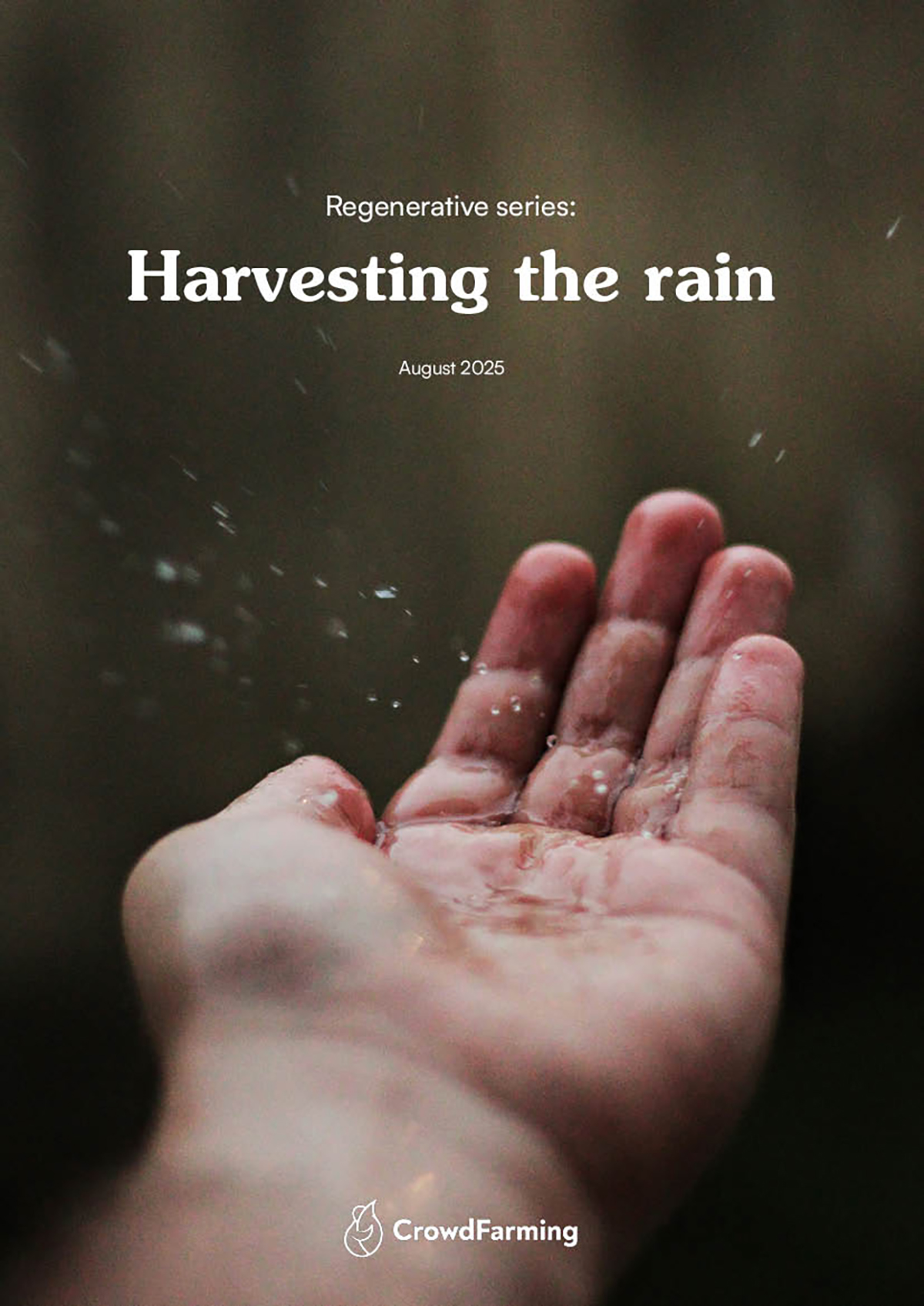
The Regeneration Series: Report about how regenerative-organic farming affects water.The living reservoir: Regenerating water from the soil upDid you know that agriculture already consumes 70% of the world’s freshwater and that aquifer over-extraction has been so extreme it has even shifted Earth’s axis? Our latest report, “Regenerative Series: Harvesting the Rain”, shows how regenerative-organic farming can turn soils into living reservoirs — protecting our food supply and securing our shared water future. The Water challenge and the soil solutionIn Europe, 20% of land and 30% of the population already face water stress every year. Droughts are moving north, floods are intensifying in the south, and soils — compacted and degraded by conventional agriculture — can no longer hold the rain that still falls. On top of this, fertiliser and pesticide run-off has polluted a third of Europe’s waters, costing billions to clean. Conventional farming isn’t just vulnerable to climate extremes — it’s making them worse.The good news is that healthy soils act like sponges. A 1% increase in organic matter allows a hectare of farmland to store 75,000 litres more water and improves infiltration rates by up to 256%. Farms like La Junquera, BioSanz, and Tropiterráneo are already proving it: absorbing floods, cutting irrigation needs in half, and even turning lifeless reservoirs into thriving ecosystems.The bigger pictureWater security is not just about rain or reservoirs — it’s about how we farm. Supporting farmers who “harvest the rain” is more than a consumer choice: it’s an investment in food resilience, biodiversity, and the water security of us all. Dive deeper into the science and stories behind water resilience.
Read the paper >

2024/06 · The link between regeneration and nutrition

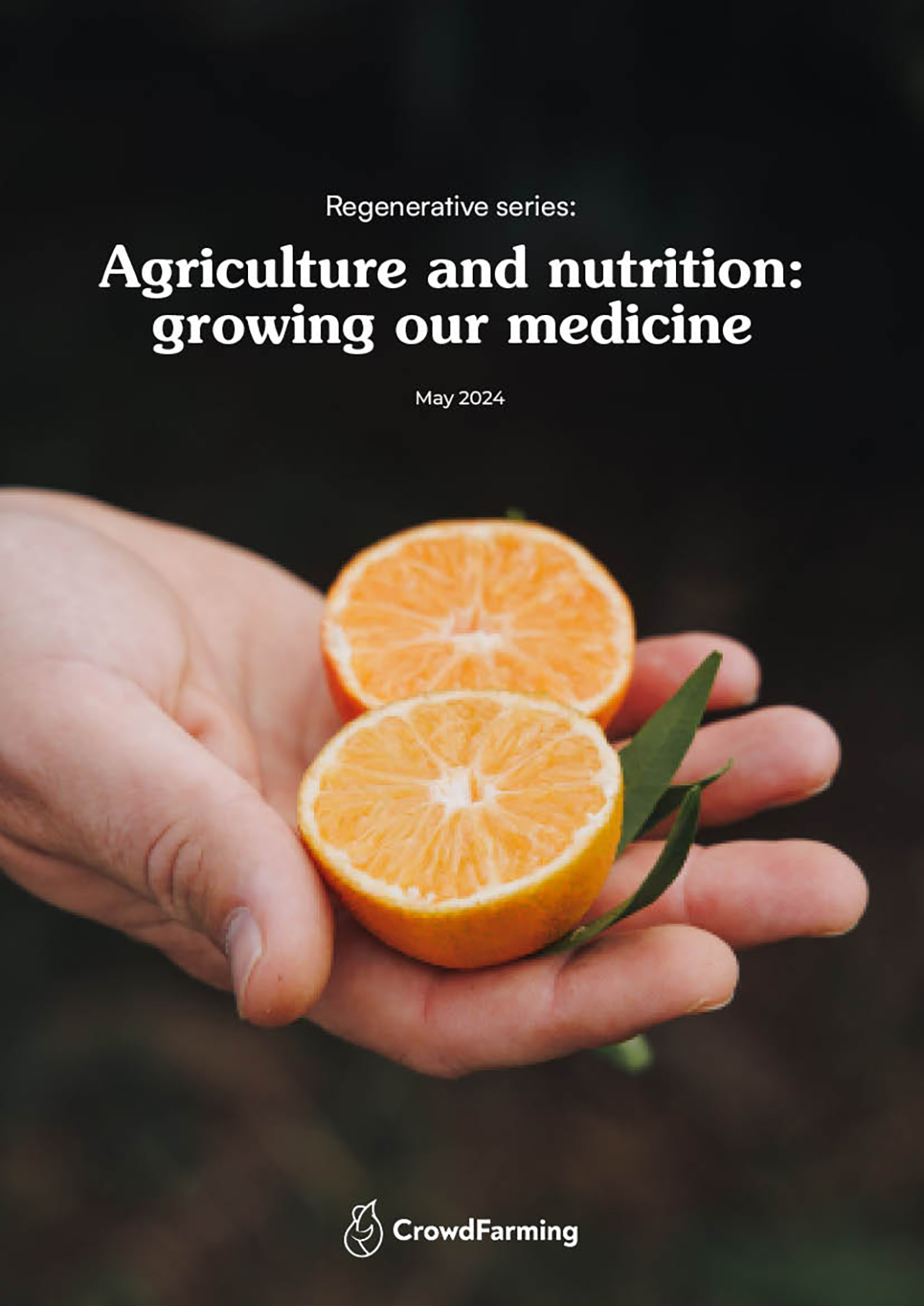
The Regeneration Series: Report about how regenerative-organic farming affects nutrition.Reviving Health from the Ground Up: Why does soil matter? Did you know that the health of our soil directly impacts the nutritional value of our food? Our latest report, “Regeneration and Nutrition: Cultivating Our Medicine,” dives deep into this critical connection and explores how regenerative-organic agriculture can be the key to a healthier future for both our planet and ourselves.The Crisis Beneath Our FeetFor decades, agrochemical practices have led to the degradation of soil quality, leaving us with less nutritious food. The alarming statistics speak for themselves: up to 40% of soils worldwide are impoverished, leading to a significant drop in essential nutrients in our food by as much as 38% over the last 50 years. This degradation fuels a cycle of dependency on fertilizers and supplements, while chronic diseases linked to poor nutrition are on the rise. Regenerative-organic agriculture offers a promising way out of this “nutrition paradox” (where we produce more food but with less nutritional value) by focusing on restoring soil health through regenerative techniques like cover cropping, reduced tillage, and integrated livestock management. Studies highlighted in our report show that these practices not only improve soil organic matter by up to 31% but also have the potential to enhance the nutrient content of crops. For instance, regenerative-organic practices can increase vitamin C in oranges by 30% and antioxidants in grapes by 23%.The Bigger PictureOur research underscores the need for more comprehensive studies and incentive schemes to encourage regenerative-organic practices. The potential benefits are clear: healthier soils lead to healthier plants, which in turn lead to healthier people. By prioritizing soil health, we can break the cycle of dependency and move towards a future where our food truly becomes our medicine.Dive into the details and discover all of our insightful research on the link between regeneration and nutrition. Download the full report now and join us in cultivating a healthier world from the ground up.
Read the paper >

All publications