

Latest publication
What The Field?! isn’t just a name. It’s a reaction to how our current food system works. Through journalism, research, and real stories from the land, we investigate the forces shaping what and how we eat.
Our
favourites






"If you're not eating right, your head gets all muddled."
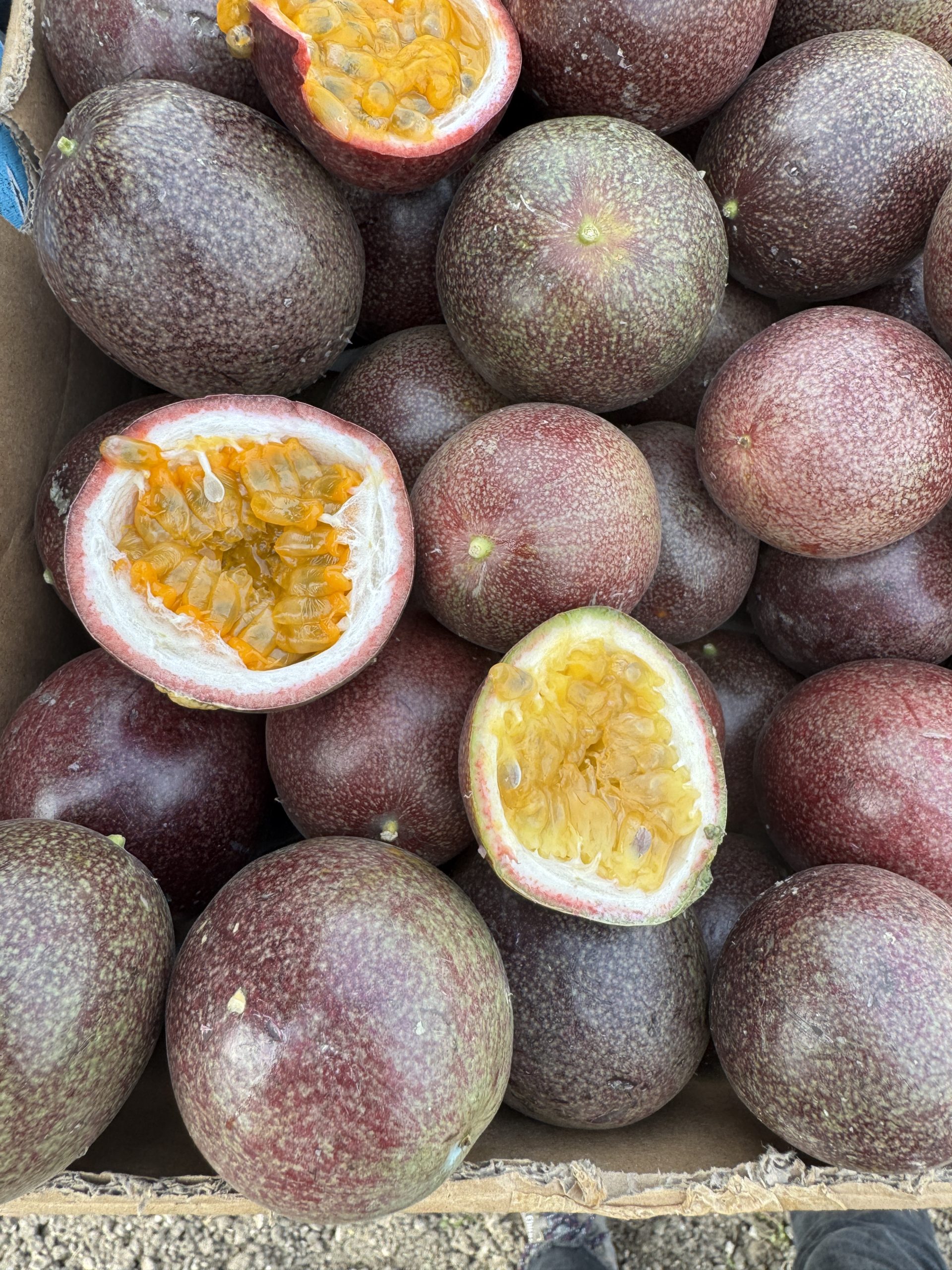
Due to climate change, it is becoming increasingly easier to grow passion fruit in Italy.
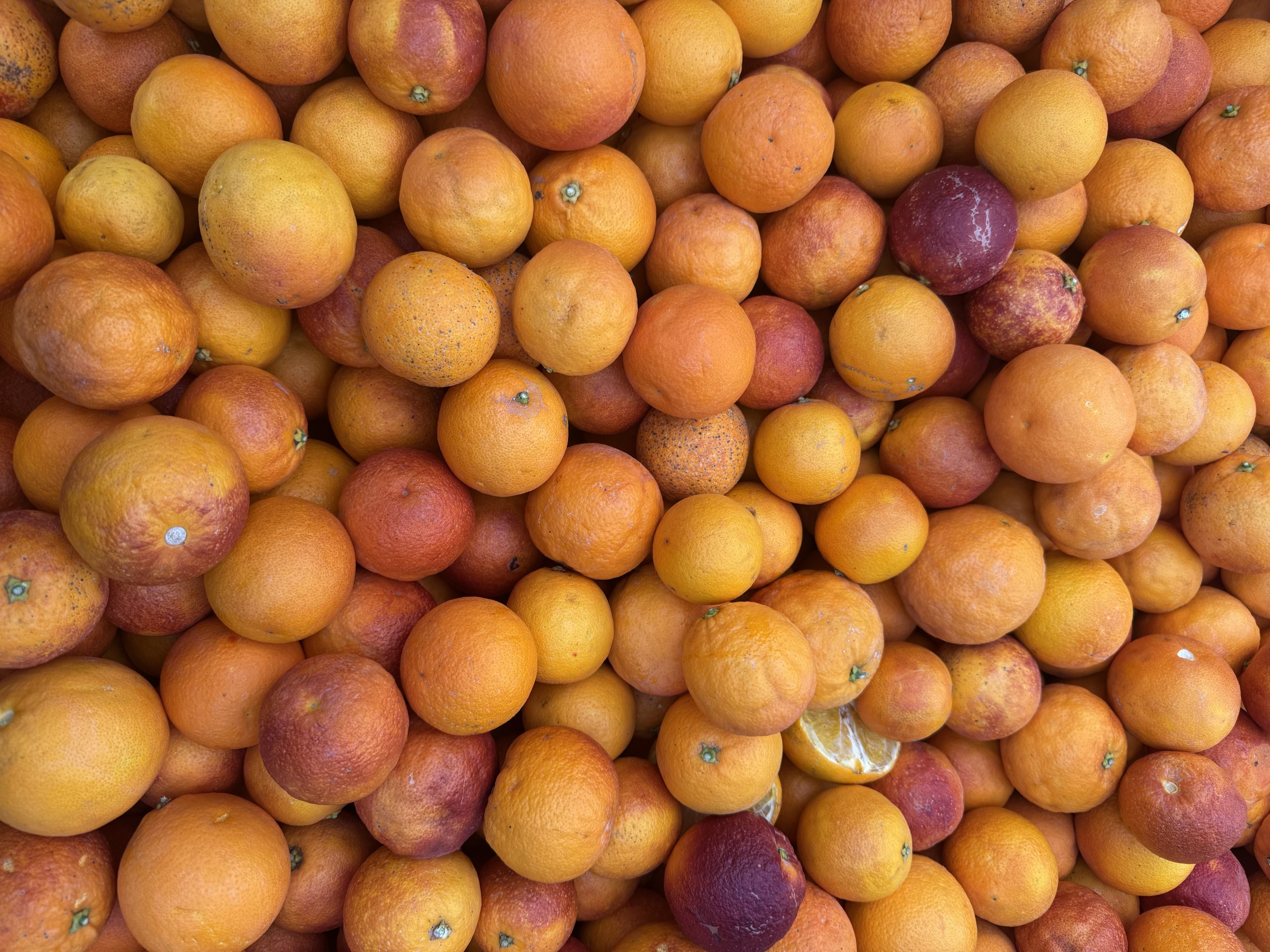
If nights aren't cold, blood oranges won't turn red.
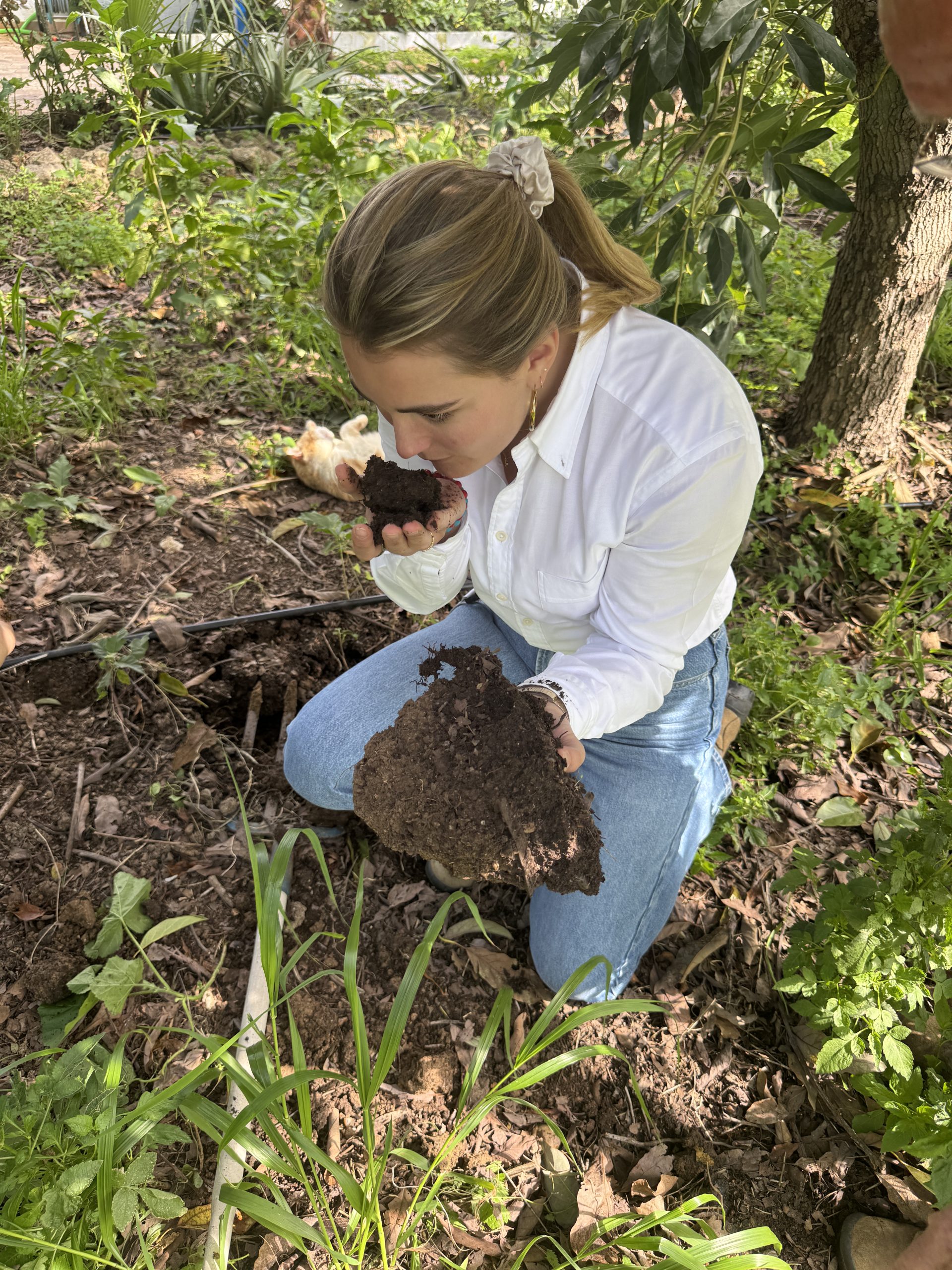
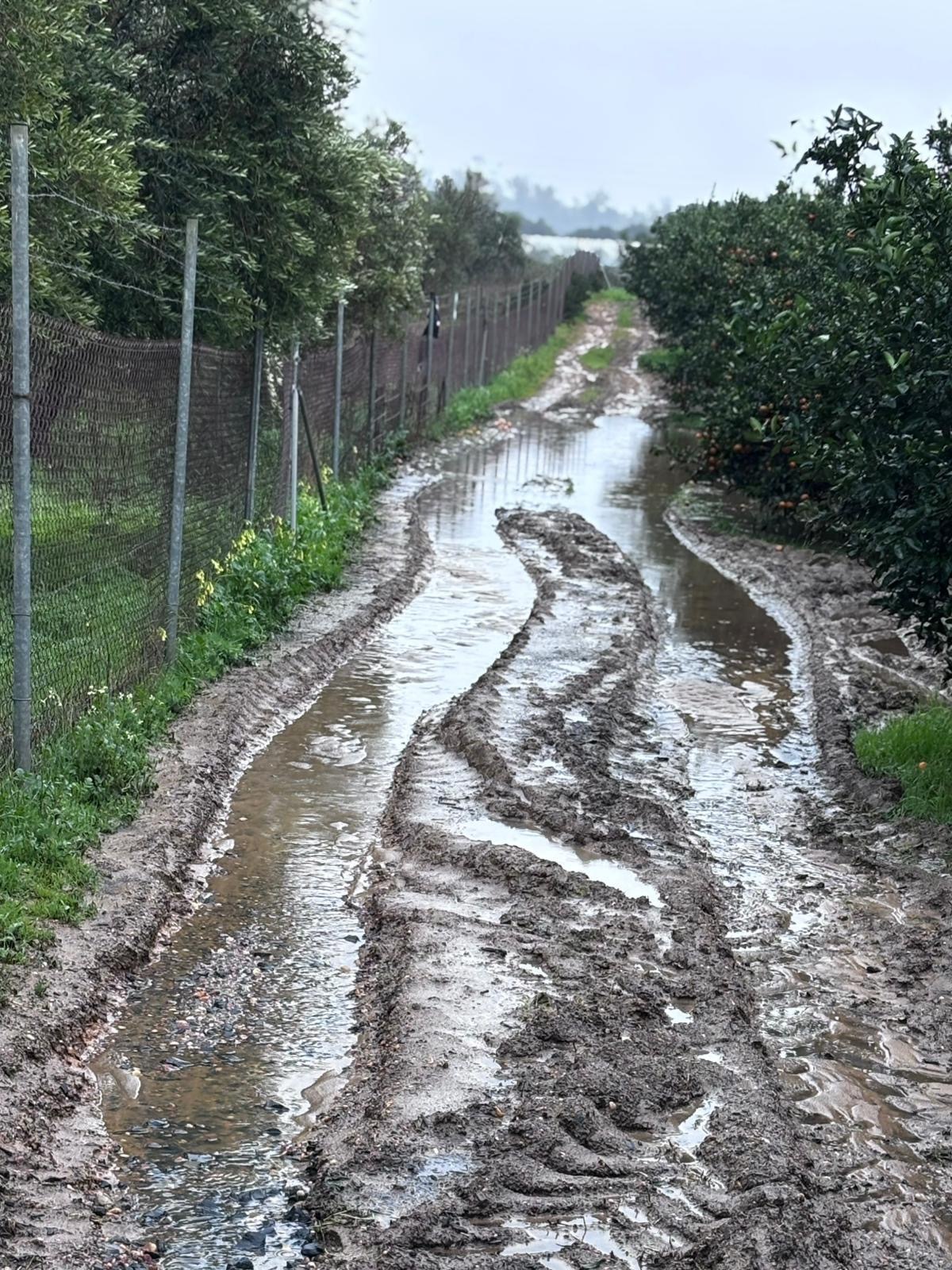
The Soil as a Sponge – How Storms Still Give Us Hope
See all chapters

Research papers
2026/02 · The profitability of soil regeneration
2025/09 · The link between regeneration and water
The Regeneration Series: Report about how regenerative-organic farming affects water.The living reservoir: Regenerating water from the soil upDid you know that agriculture already consumes 70% of the world’s freshwater and that aquifer over-extraction has been so extreme it has even shifted Earth’s axis? Our latest report, “Regenerative Series: Harvesting the Rain”, shows how regenerative-organic farming can turn soils into living reservoirs — protecting our food supply and securing our shared water future. The Water challenge and the soil solutionIn Europe, 20% of land and 30% of the population already face water stress every year. Droughts are moving north, floods are intensifying in the south, and soils — compacted and degraded by conventional agriculture — can no longer hold the rain that still falls. On top of this, fertiliser and pesticide run-off has polluted a third of Europe’s waters, costing billions to clean. Conventional farming isn’t just vulnerable to climate extremes — it’s making them worse.The good news is that healthy soils act like sponges. A 1% increase in organic matter allows a hectare of farmland to store 75,000 litres more water and improves infiltration rates by up to 256%. Farms like La Junquera, BioSanz, and Tropiterráneo are already proving it: absorbing floods, cutting irrigation needs in half, and even turning lifeless reservoirs into thriving ecosystems.The bigger pictureWater security is not just about rain or reservoirs — it’s about how we farm. Supporting farmers who “harvest the rain” is more than a consumer choice: it’s an investment in food resilience, biodiversity, and the water security of us all. Dive deeper into the science and stories behind water resilience.
Read the paper >
2024/06 · The link between regeneration and nutrition
The Regeneration Series: Report about how regenerative-organic farming affects nutrition.Reviving Health from the Ground Up: Why does soil matter? Did you know that the health of our soil directly impacts the nutritional value of our food? Our latest report, “Regeneration and Nutrition: Cultivating Our Medicine,” dives deep into this critical connection and explores how regenerative-organic agriculture can be the key to a healthier future for both our planet and ourselves.The Crisis Beneath Our FeetFor decades, agrochemical practices have led to the degradation of soil quality, leaving us with less nutritious food. The alarming statistics speak for themselves: up to 40% of soils worldwide are impoverished, leading to a significant drop in essential nutrients in our food by as much as 38% over the last 50 years. This degradation fuels a cycle of dependency on fertilizers and supplements, while chronic diseases linked to poor nutrition are on the rise. Regenerative-organic agriculture offers a promising way out of this “nutrition paradox” (where we produce more food but with less nutritional value) by focusing on restoring soil health through regenerative techniques like cover cropping, reduced tillage, and integrated livestock management. Studies highlighted in our report show that these practices not only improve soil organic matter by up to 31% but also have the potential to enhance the nutrient content of crops. For instance, regenerative-organic practices can increase vitamin C in oranges by 30% and antioxidants in grapes by 23%.The Bigger PictureOur research underscores the need for more comprehensive studies and incentive schemes to encourage regenerative-organic practices. The potential benefits are clear: healthier soils lead to healthier plants, which in turn lead to healthier people. By prioritizing soil health, we can break the cycle of dependency and move towards a future where our food truly becomes our medicine.Dive into the details and discover all of our insightful research on the link between regeneration and nutrition. Download the full report now and join us in cultivating a healthier world from the ground up.
Read the paper >
All publications