
Published August 2026
A glass of glyphosate?
Humans have an unusual relationship with food. We spray crops with chemical pesticides to make sure no other species eats them, and then we eat those pesticides intended to kill other living beings. It is a curious arrangement, and one that extends well beyond the farm, considering a good portion of those chemicals does not stay where they are sprayed.
Pesticides, the heavy artillery of industrial agriculture
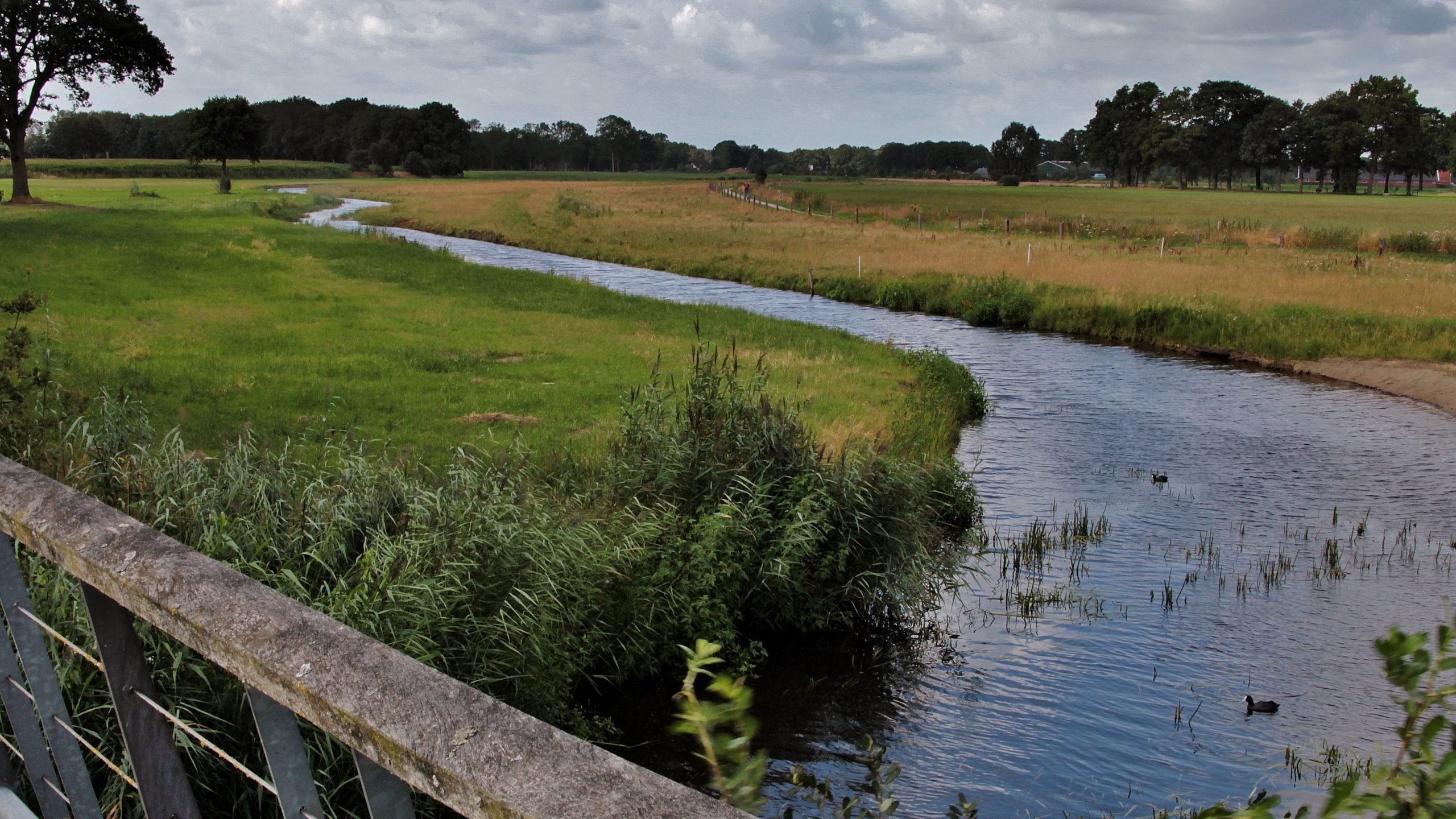
Ever since the Green Revolution many farmers use synthetic chemicals to protect their crops from pests and ensure they get the maximum yields. But these products quickly found a way to bypass the farm gate and enter the very veins of our landscape. Rainfall, irrigation and soil drainage quietly carry residues from fields into ditches, streams and rivers. From there they move through entire watersheds and eventually into lakes and groundwater.
Water is an efficient courier, and it rarely checks the contents of the parcel.
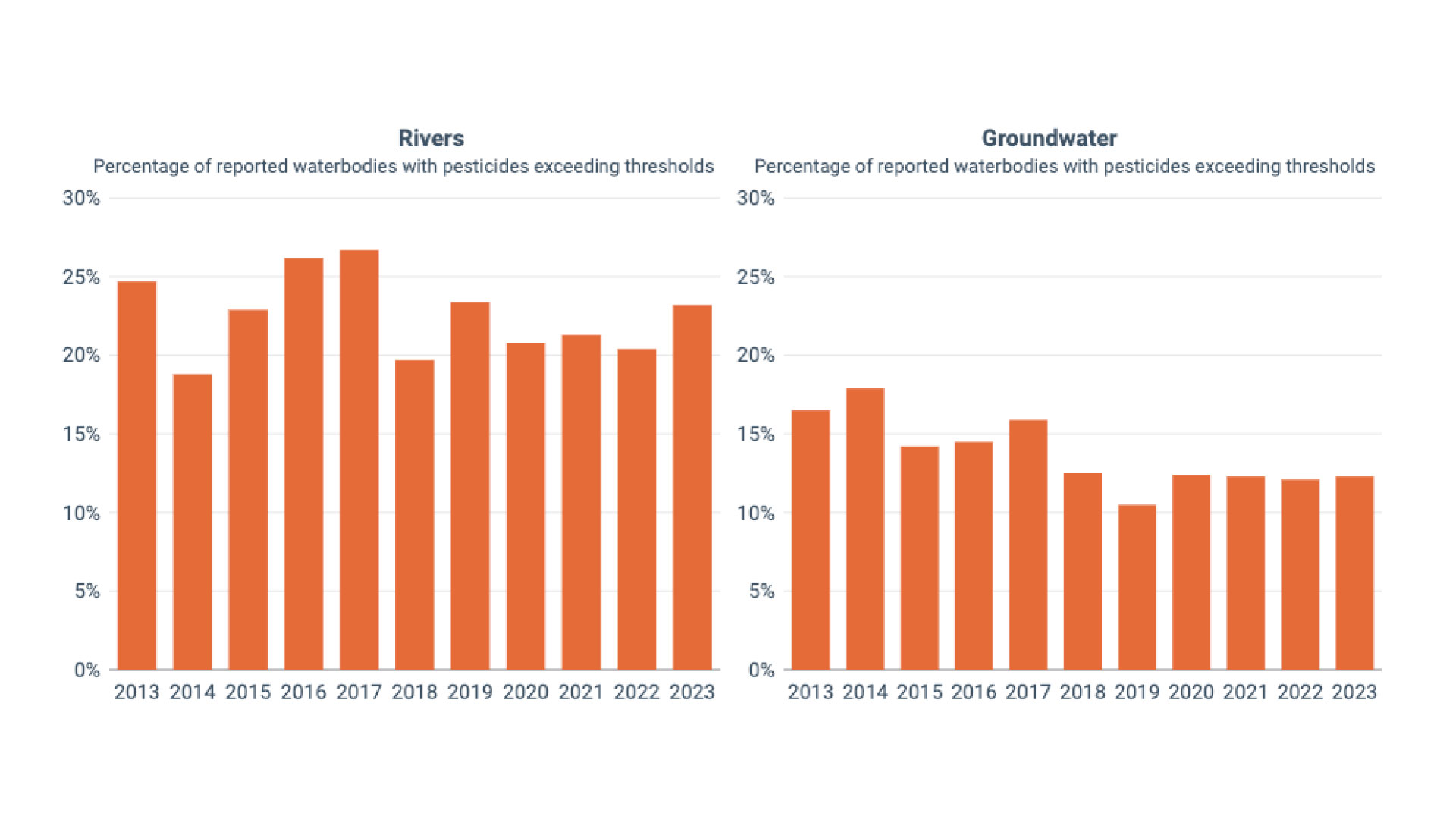
Monitoring data across Europe show how widespread this drift has become. According to the European Environment Agency, between 19% and 27% of European rivers contain pesticide concentrations above ecological safety thresholds. Groundwater fares only slightly better, with 11% to 18% of monitored bodies exceeding safe limits. For a resource that supplies much of Europe’s drinking water, that is not a trivial margin.
These results do not stem from a handful of rogue chemicals. Agricultural monitoring programmes test more than 300 pesticide compounds across thousands of rivers and lakes each year. Herbicides such as MCPA and metolachlor regularly appear in samples, along with insecticides like imidacloprid, a member of the neonicotinoid family known to affect insect nervous systems.
The route from field to river is straightforward. Some pesticides dissolve in rainwater and wash directly into nearby streams as surface runoff. Others seep slowly through soil layers and enter groundwater aquifers. We apply these substances to protect a monoculture crop, yet a significant portion embark on a subterranean journey, turning aquifers into a long-term storage facility for synthetic compounds that nature never intended to digest.
Once in rivers, pesticides seldom travel alone. Monitoring frequently reveals mixtures of herbicides, fungicides and insecticides present at the same time. Scientists sometimes describe this as a “chemical cocktail”. Although the phrase sounds almost festive, aquatic insects are unlikely to agree.
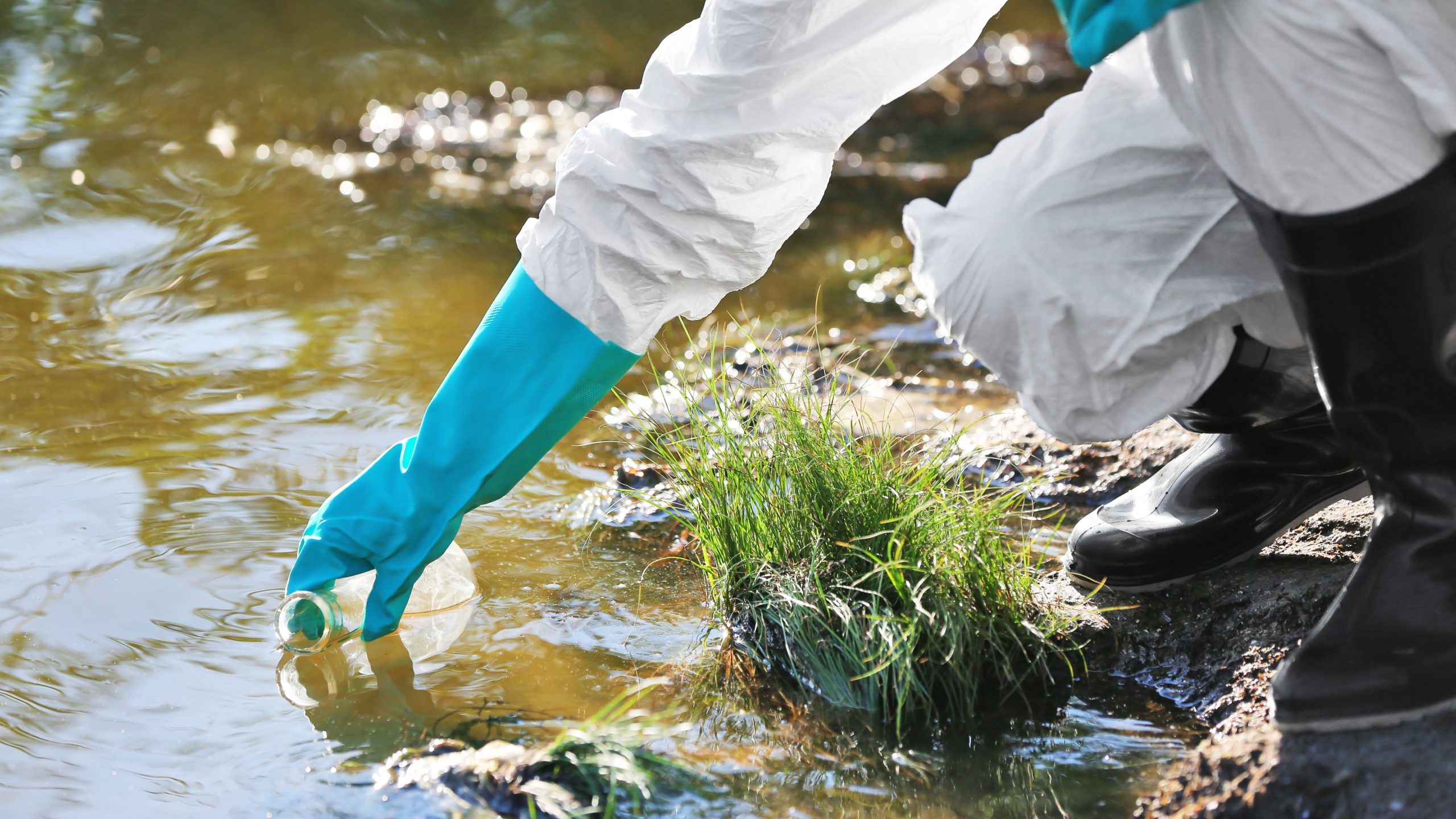
The ecological consequences appear quickly. Insecticides developed to disrupt the nervous systems of crop pests also affect aquatic insects, which form the foundation of freshwater food webs. Declines in these populations ripple upwards to fish, amphibians and birds. A river can look perfectly healthy while its life quietly disappears.
Across Europe’s monitoring network, about 23% of surface water bodies exceeded pesticide quality standards in 2023, meaning roughly one in four rivers and lakes failed ecological thresholds designed to protect wildlife. In total, more than 8,800 rivers and 1,500 lakes were analysed between 2018 and 2023, producing one of the most comprehensive pictures yet of pesticide contamination in freshwater systems.
But why should you care if a river 100 miles away is spiked with fungicides?
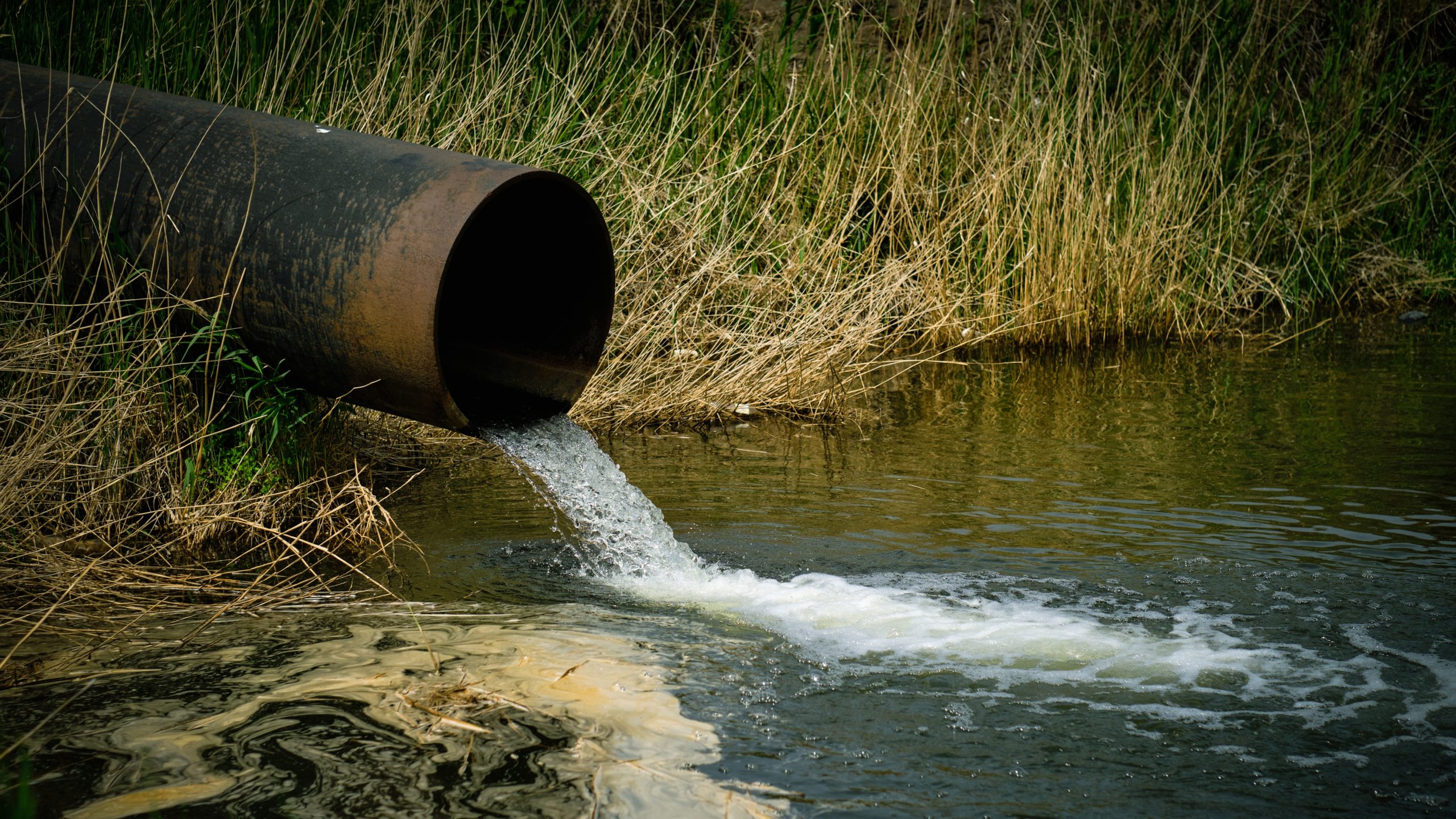
Because the water system is a closed loop. What begins as a farmer’s attempt to control a pest often returns to society in another form: degraded ecosystems, endocrine-disrupting chemicals in waterways, and the slow erosion of biodiversity.
Human health concerns arise further downstream. Drinking water treatment plants remove many contaminants before water reaches the tap, but this increasingly requires complex and expensive treatment processes. European regulations set a strict limit of 0.1 micrograms per litre for individual pesticides in groundwater, a threshold intended to keep concentrations extremely low. Monitoring shows that this level is regularly approached or exceeded in agricultural regions.
There is a profound irony in our “cheap” food system. We pay a lower price at the till, but we pay twice over in our water bills to strip out the very chemicals used to grow that “affordable” loaf. Water companies spend millions on carbon filtration and ion exchange to remove pesticides like Metaldehyde or Glyphosate, costs that are passed directly to our communities – not the food or agrochemical companies.
So the public pays twice: once for the chemically assisted harvest and again to remove its residue from the water supply.
But rivers are not the only route these chemicals travel. Some pesticides evaporate after application or attach themselves to dust particles. Once airborne, they can move through the atmosphere and enter clouds. Studies sampling cloud water in France have detected more than 30 different pesticides in cloud droplets, with half the samples exceeding the European drinking-water guideline. Scientists estimate that between 6 and 140 tonnes of pesticides may circulate in clouds over France alone, depending on weather conditions.
Rain then delivers them back to the surface. Monitoring studies regularly detect pesticide residues in rainwater, sometimes finding a dozen or more chemicals in a single rainfall event. In agricultural regions, researchers have reported as many as 35 different pesticides in a single rainwater sample. In effect, pesticides can join the global water cycle: sprayed on land, lifted into the atmosphere, stored briefly in clouds and returned to earth with the next storm.
Soil health is water health.
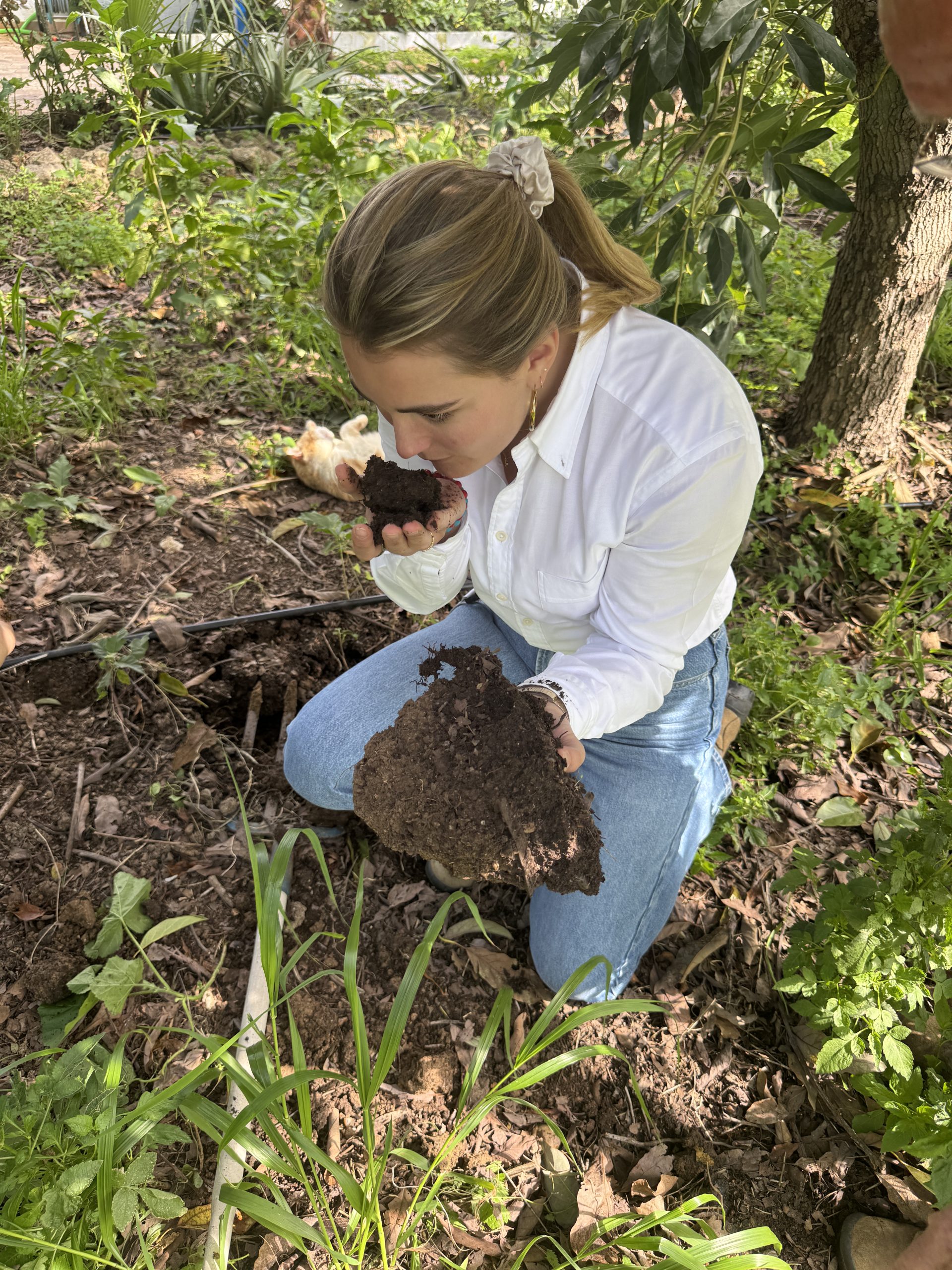
Part of the problem lies beneath our feet. Healthy soil behaves like a living sponge, filtering water and retaining nutrients. Conventional monocultures often treat soil more like an inert substrate. As soil structure degrades, its ability to absorb and filter water declines. Each rainstorm then becomes, in effect, a transport system carrying fertilisers and pesticides directly into the nearest stream.
Industrial systems rely on these chemicals to prop up tired soil, but in the process, they trade nutrient density for sheer volume. We are drinking the runoff of a system that is essentially on life support.
Reducing this pollution does not require miracle technology. A growing number of farmers are turning to approaches that work with ecosystems rather than against them. Practices associated with Organic-Regenerative Agriculture (healthier soils and natural pest control) can reduce the need for chemical pesticides in the first place. Healthier soils retain more water and nutrients, limiting runoff. Greater biodiversity on farms often keeps pest populations in check without the chemical arms race.
For many farmers, though, pesticides are not simply a choice but a dependency built into the modern agricultural system. Breaking that cycle requires support, and a better understanding of what real (pesticide-free) farming looks like and costs. A food system that rewards soil health and biodiversity rather than sheer chemical efficiency.
European policy already gestures in that direction. The EU’s environmental strategy aims to reduce the risk and use of pesticides by 50% by 2030. Whether that ambition becomes reality will depend largely on how successfully agriculture can shift towards more resilient systems such as organic-regenerative farming.
The evidence itself is straightforward. Pesticides rarely remain where they are applied. Gravity, rain and hydrology see to that. The real question is where the solution lies, and it is not at the tap, but at the root. We need our farming systems to rebuild living soils capable of holding water, nutrients and life itself, to break the cycle.
Farmers spray the field, the rain moves the chemicals, the river carries them on. And eventually, somewhere downstream, we might be drinking a glass of glyphosate.
Sources
European Environment Agency (EEA). (2024). Pesticides in rivers, lakes and groundwater in Europe.
European Environment Agency indicator analysis and monitoring data.
https://www.eea.europa.eu/en/analysis/indicators/pesticides-in-rivers-lakes-and
European Environment Agency / WISE Freshwater Data. (2023). Pesticides monitoring in European water bodies.
European Water Information System for Europe (WISE).
https://water.europa.eu/freshwater/freshwater/resources/wise-soe-data-collection/pesticides
FAO – Food and Agriculture Organization of the United Nations. (1996). Control of water pollution from agriculture.
FAO Irrigation and Drainage Paper No. 55.
https://www.fao.org/4/w2598e/w2598e07.htm
Silva, V., et al. (2021). Pesticide residues in European agricultural soils – A hidden reality unfolded.
Environmental research study on pesticide persistence and environmental distribution.
https://pmc.ncbi.nlm.nih.gov/articles/PMC7826868/
British Geological Survey. (2023). Modern pesticides found in UK rivers could pose risk to aquatic life.
Environmental monitoring report on pesticide contamination in UK freshwater systems.
https://www.bgs.ac.uk/news/modern-pesticides-found-in-uk-rivers-could-pose-risk-to-aquatic-life/
Beyond Pesticides. (2023). Threatened Waters: Overview of pesticide contamination in waterways.
Environmental monitoring summary and policy analysis.
https://www.beyondpesticides.org/resources/threatened-waters/overview
Environmental Science & Technology. (2017). Pesticides in cloud water at the Puy de Dôme atmospheric observatory (France).
Peer-reviewed study detecting pesticide residues in cloud water and atmospheric transport.
https://pubs.acs.org/doi/10.1021/acs.est.5c03787
ScienceDirect – Environmental Research. (2025).
Peer-reviewed article analysing environmental transport pathways and ecological impacts of pesticide mixtures in aquatic systems.
https://www.sciencedirect.com/science/article/pii/S2589004225011228
Written by Emilia Aguirre
Emilia Aguirre is our Awareness & Advocacy specialist — which means she spends her days asking the uncomfortable questions about how our food is grown, priced, labeled, and sold. She hosts What The Field?!, a podcast packed with stories from the ground, hard-hitting research, and conversations with the people shaping the future of food (whether they like it or not).
Comments
Keep digging ...