
Published May 2026
Exploring the Avocado Varieties Grown in Europe
Today, avocados are a staple in many European kitchens, but this has not always been the case. Avocados began to be cultivated in Europe in the mid-20th century, specifically in the 1960s. Although avocados are originally from Central America, some areas in Europe provide the ideal temperatures for growing them, similar to their native environment. As avocados have become increasingly popular worldwide, more European farmers have chosen to grow them. In our CrowdFarming community, we have 16 avocado farmers in Spain, France (Corsica), and Italy, each growing different varieties that suit them best. Because in fact, there are around 10 different varieties of avocados grown in Europe.
Different avocado varieties:
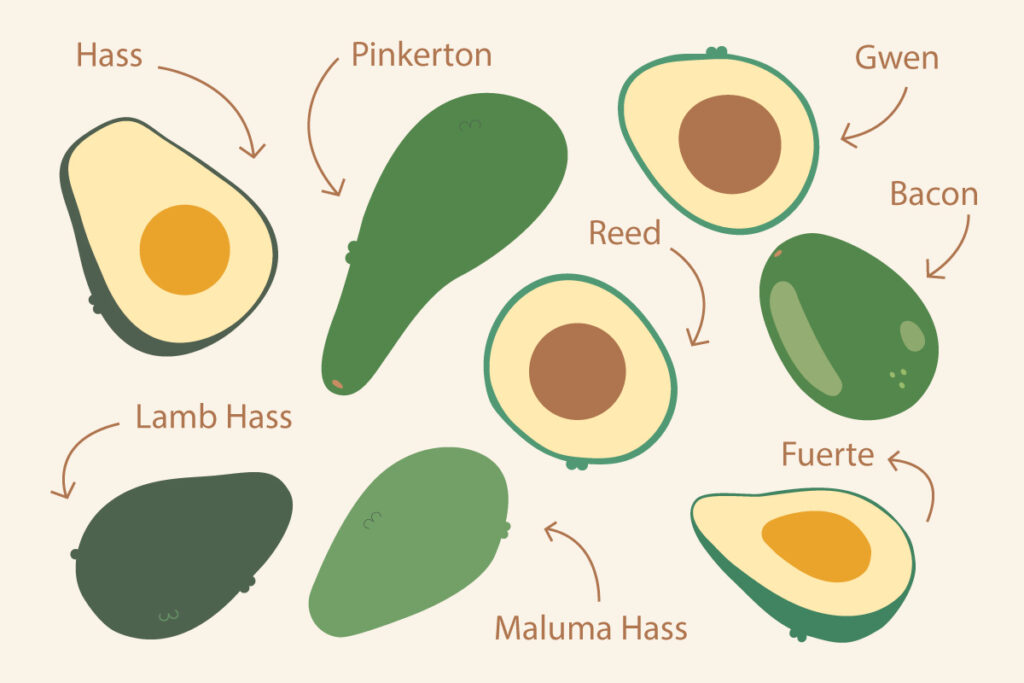
We can classify avocados in two families, the avocados with green and smooth skin and the avocados with rough skin and that ripen black. The smooth-skinned avocados are bacon, fuerte, ettingher, zutano and reed and the rough-skinned avocados are maluma hass, hass, gween and lamb hass. Most of them come from hybridisations/selections made by agronomists.
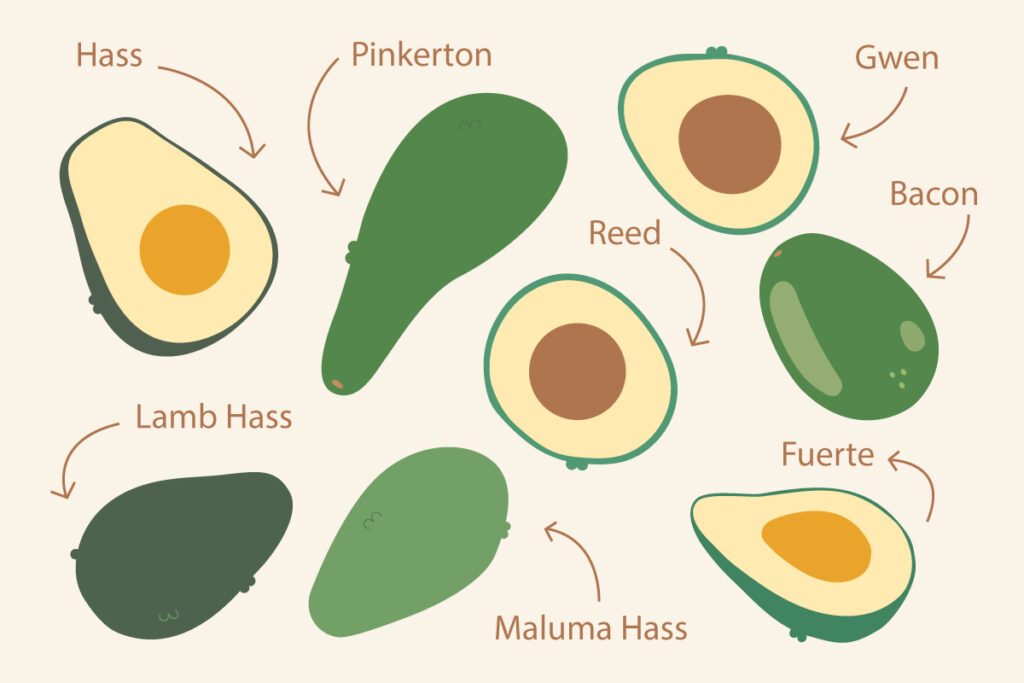
Smooth-skinned avocados:
1. Bacon Avocado
- Harvest Period: October to December
- Qualities: The Bacon avocado is a green-skinned variety, characterised by its thin, easy-to-peel skin and oval shape. It has a lighter, milder flavour compared to other varieties, with a smooth texture that makes it great for fresh salads and sandwiches. The harvest period overlaps with that of Fuerte, making it a popular choice during autumn.
2. Fuerte Avocado
- Harvest Period: November to February
- Qualities: Known for its smooth, green skin that stays green even when ripe, the Fuerte avocado is a classic variety with a pear-like shape. Its flesh is slightly less creamy than the Hass but offers a refreshing, delicate flavour. This variety is typically harvested during the cooler months, providing an alternative for those seeking a lighter, milder taste.
3. Zutano Avocado (not sold through CrowdFarming)
- Harvest Period: September to December
- Qualities: The Zutano avocado has shiny, thin skin and is known for its slightly watery texture. Its mild flavour and high moisture content differentiate it from the richer Hass or Fuerte varieties. This variety is ideal for those who prefer a lighter, less creamy avocado, and it’s often used in salads and salsas. Its harvest period starts earlier in the autumn, providing one of the first avocados of the season.
4. Ettinger Avocado (not sold through CrowdFarming)
- Harvest Period: September to November
- Qualities: The Ettinger avocado has a bright green, shiny skin and a long, pear-like shape. Its flesh is smooth and mild, with a lighter texture. This variety is particularly appreciated for its high water content and subtle flavour, which makes it a refreshing choice in salads. Its early autumn harvest marks the start of the avocado season in Spain.
Rough-skinned avocados
1. Hass Avocado
- Harvest Period: November to March
- Qualities: The Hass avocado is perhaps the most famous variety. At CrowdFarming it’s known as “The king of the winter”. It has a dark, pebbly skin that turns almost black when ripe. Its creamy, buttery texture and rich, nutty flavour make it a favourite for salads, guacamole, and spreads.
2. Gwen Avocado
- Harvest Season: January to March
- Qualities: Gwen avocados are slightly larger than Hass and have a rich, creamy texture with a buttery flavour. The skin is thicker but still easy to peel. Gwen is typically used in salads and dishes where the avocado’s flavour can stand out.
4. Lamb Hass Avocado
- Harvest Period: April to June
- Qualities: This variety is a spring option in Spain and offers a similar texture and flavour profile to the classic Hass, but is generally larger in size. The Lamb Hass has thicker, rough skin that darkens when ripe. Its rich and creamy flesh makes it a perfect ingredient for various summer dishes, from smoothies to avocado toasts.
4. Reed Avocado
- Harvest Period: April to June
- Qualities: The Reed avocado is unique with its round shape and thick, green skin that remains unchanged when ripe. It’s larger than most other varieties and has a rich, creamy texture with a buttery taste, making it perfect for spreads and dips. Its summer harvest makes it a fresh option during warmer months when other varieties might not be available.
5. Maluma Hass Avocado
- Harvest Period: October to November
- Qualities: Maluma Hass is a relatively new variety that originated in South Africa but is now grown in Spain. It is similar to the Hass in flavour and texture but grows faster and produces larger fruits. It has the classic dark, pebbly skin and a rich, nutty flavour, making it a popular choice for guacamole and spreads.
6. Pinkerton avocado
- Harvest Period: December to February
- Qualities: The Pinkerton avocado is known for its elongated shape and pebbly, green skin that remains mostly green as it ripens. Inside, it has a small seed and a generous amount of creamy flesh with a rich, slightly nutty flavour. This variety is available earlier in the season, from winter through early spring, making it a popular choice for bridging the gap between seasons. With high oil content, Pinkertons offer a smooth, buttery texture.
And just to finish off, two clarifications about the life of avocados that may confuse us when we get them…
Not all avocado peel turns black when it is ripe
Knowing when an avocado is ripe depends hugely on which variety it is. In fact, only the Hass, Lamb Hass, Gween and Maluma varieties turn a darker blackish colour when they ripen. So the best way to check if your avocado is ripe it to see if it yields easily to the touch. (Find out more about how to tell if your avocado is ripe, and how to ripen and preserve your avocados in our blog post here.)
Avocados are climacteric fruits
Actually, avocados are climacteric fruits, which means that they are picked from the tree when they are still hard, and they complete their ripening process after having been harvested, unlike non-climacteric fruits that stop ripening once they’ve been harvested. Our farmers want to offer our customers quality products, which is why they wait for the perfect moment to harvest. With the help of our agronomists, they measure the fat content in the fruit to know when the fruit is ready, which is why seasons can sometimes start earlier or later than expected. At the end of the day, nature runs the show.
So there we have it, all the different avocado varieties grown in Europe. Aside from this article on all the different varieties, we have a lot more information about avocados. We cover it all in our article on how to preserve them and ripen them, our documentary on their water usage, our podcast episode about their environmental impact, our article about tropical crops in Europe
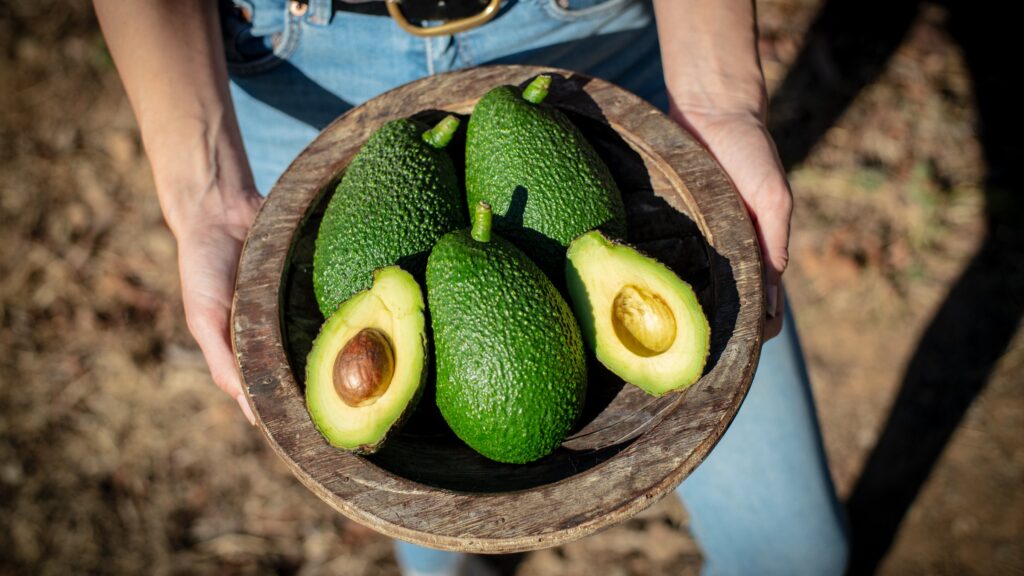
Written by Emilia Aguirre
Emilia Aguirre is our Awareness & Advocacy specialist — which means she spends her days asking the uncomfortable questions about how our food is grown, priced, labeled, and sold. She hosts What The Field?!, a podcast packed with stories from the ground, hard-hitting research, and conversations with the people shaping the future of food (whether they like it or not).
Keep digging ...