


Published May 2026
Summer Fruits: How do they ripen and how to preserve them?

During the summer months in Europe, a variety of delicious and sensitive fruits come into season. Among them are stone fruits like peaches, nectarines, apricots, plums, and cherries, as well as other fruits like melons or even grapes. These fruits are a refreshing treat to eat during hot summer days when ripe, but require careful handling to ensure they remain fresh and tasty.
Here’s more information on the organic summer fruit varieties available from CrowdFarming!
How do I know my summer fruits are ready to eat?
Each type of fruit has its own indicators of ripeness, we guide you on how to use your senses to detect if they’re ready to taste!
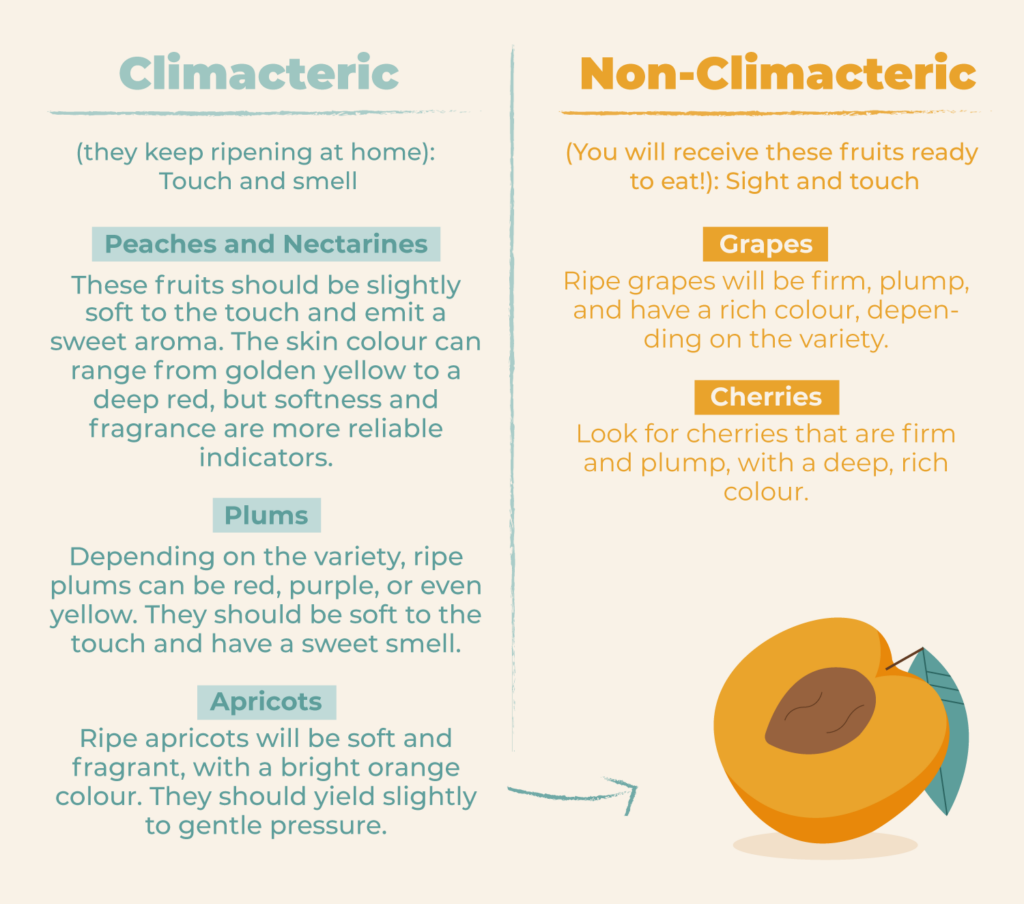
Climacteric (they keep ripening at home): Touch and smell
- Peaches and Nectarines: These fruits should be slightly soft to the touch and emit a sweet aroma. The skin colour can range from golden yellow to a deep red, but softness and fragrance are more reliable indicators.
- Apricots: Ripe apricots will be soft and fragrant, with a bright orange colour. They should yield slightly to gentle pressure.
- Plums: Depending on the variety, ripe plums can be red, purple, or even yellow. They should be soft to the touch and have a sweet smell.
Non-Climacteric (You will receive these fruits ready to eat!): Sight and touch
- Grapes: Ripe grapes will be firm, plump, and have a rich colour, depending on the variety.
- Cherries: Look for cherries that are firm and plump, with a deep, rich colour.
How to preserve and store summer fruits at home?
Given the sensitive nature of summer fruits, it’s essential to store them properly to maintain their quality:
- Refrigerate to maintain longer: As soon as you receive your summer fruits, place them in the refrigerator to slow down the ripening process and extend their freshness. Only take out what you plan to consume the following day to allow it to reach optimal taste and texture.
- Room Temperature to eat soon: If you plan to eat the fruit soon (today or tomorrow), keeping it at room temperature can help it develop its full flavour. However, be cautious with the duration to avoid over-ripening.
How to make the most of ripe summer fruits at home?
Summer fruits are delicious as they come, at any time of the day. There are countless ways to enjoy your ripe summer fruits:
- Smoothies or milkshakes: Blend fruits like peaches, nectarines, and melons with yogurt or milk for a refreshing drink.
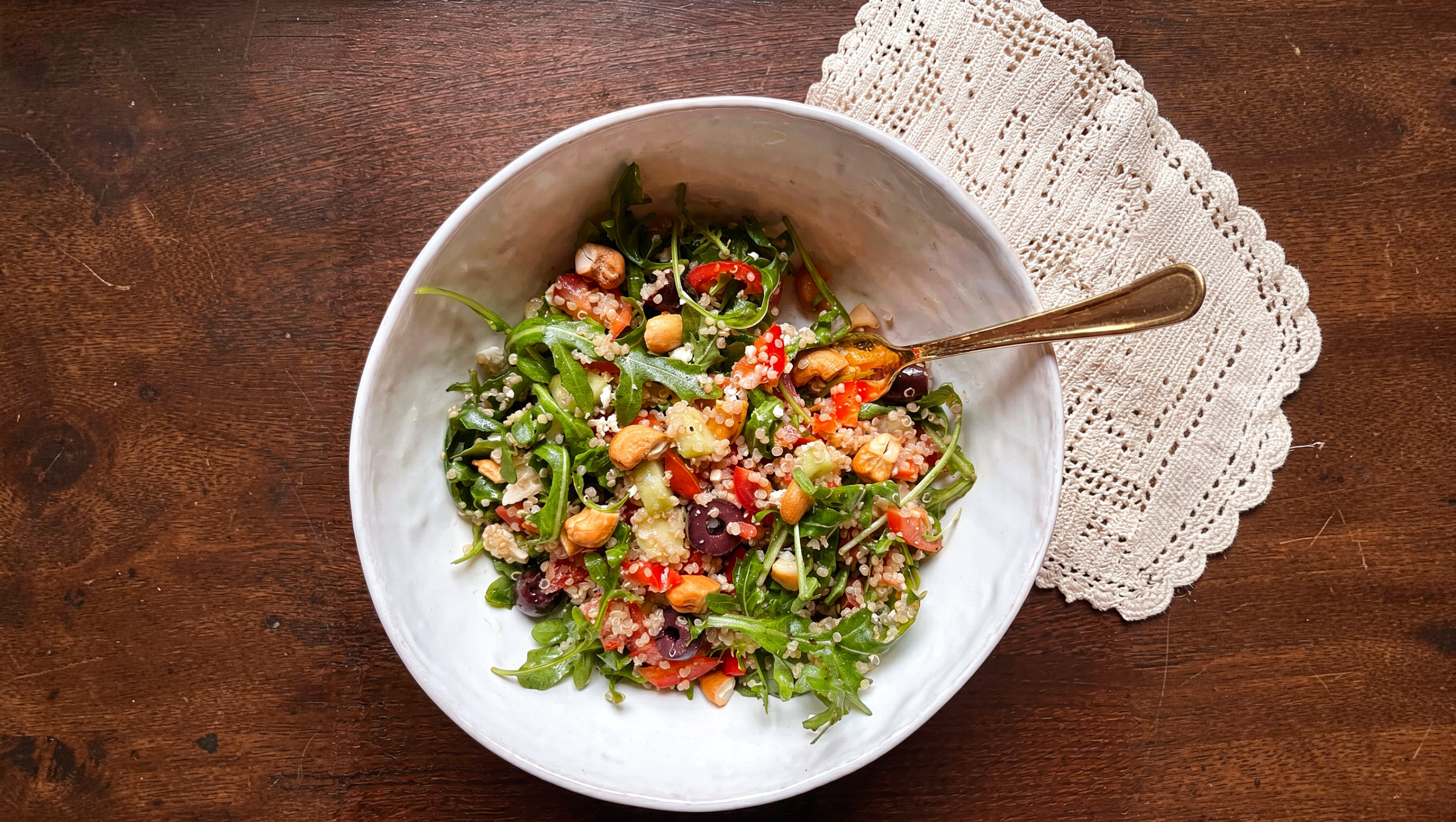
- Salads: Add grapes, cherries, or plums to your salads for a sweet twist.
- Desserts: Make sorbets, ice creams, or fruit salads.
- Jams and preserves: Turn your ripe fruits into delicious jams or preserves to enjoy year-round.
- Grilled fruits: Grill peaches or plums for a caramelized treat.
What happens if my summer fruit is mouldy or damaged?
If your fruit arrives overripe or in poor condition, contact our customer service team or report the incident through your private area in your CrowdFarming user account. By clicking on “report a problem” and submitting a complaint, we will be able to notify the farmer and work with them to find a solution.
Enjoy your summer fruits, and remember: refrigerate them as soon as possible and take out only what you plan to eat the next day. Happy summer eating!
If you want more tips on preserving and ripening other fruits, click here.
Written by Fran Aparicio

Fran Aparicio coordinates Regenerative Agriculture at CrowdFarming, which mostly means he spends his days trying to make farmers, scientists and data people agree on what “healthy soil” actually means. He lives somewhere between muddy boots and research papers, translating field reality into something you can measure (and hopefully improve).
Keep digging ...