

Published August 2026
Supermarket quality vs. real quality: what’s actually the difference?
That scar on your orange? That’s not a problem. Here’s why. Most people have never seen how supermarket quality control actually works, and once you do, the way you look at “imperfect” fruit changes completely.
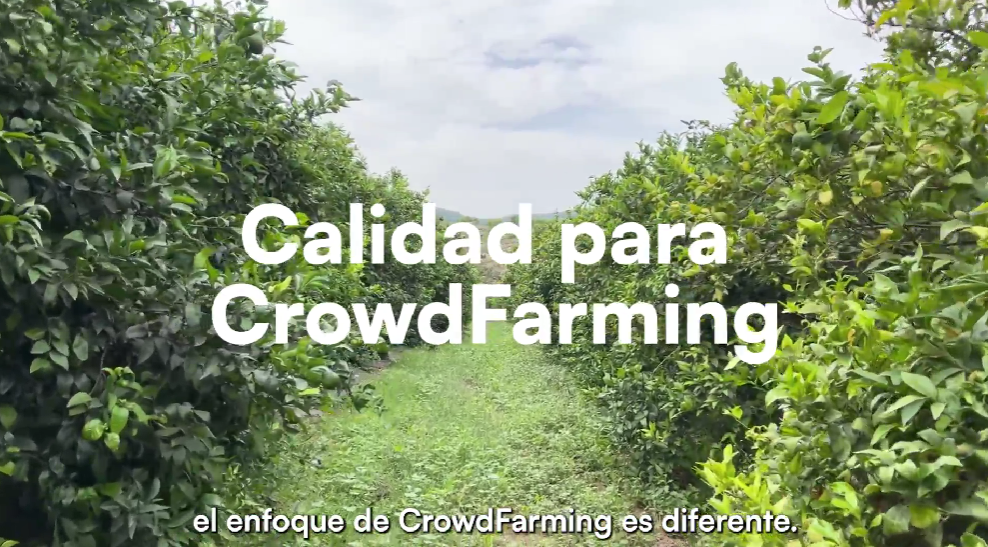
In this video, we break down:
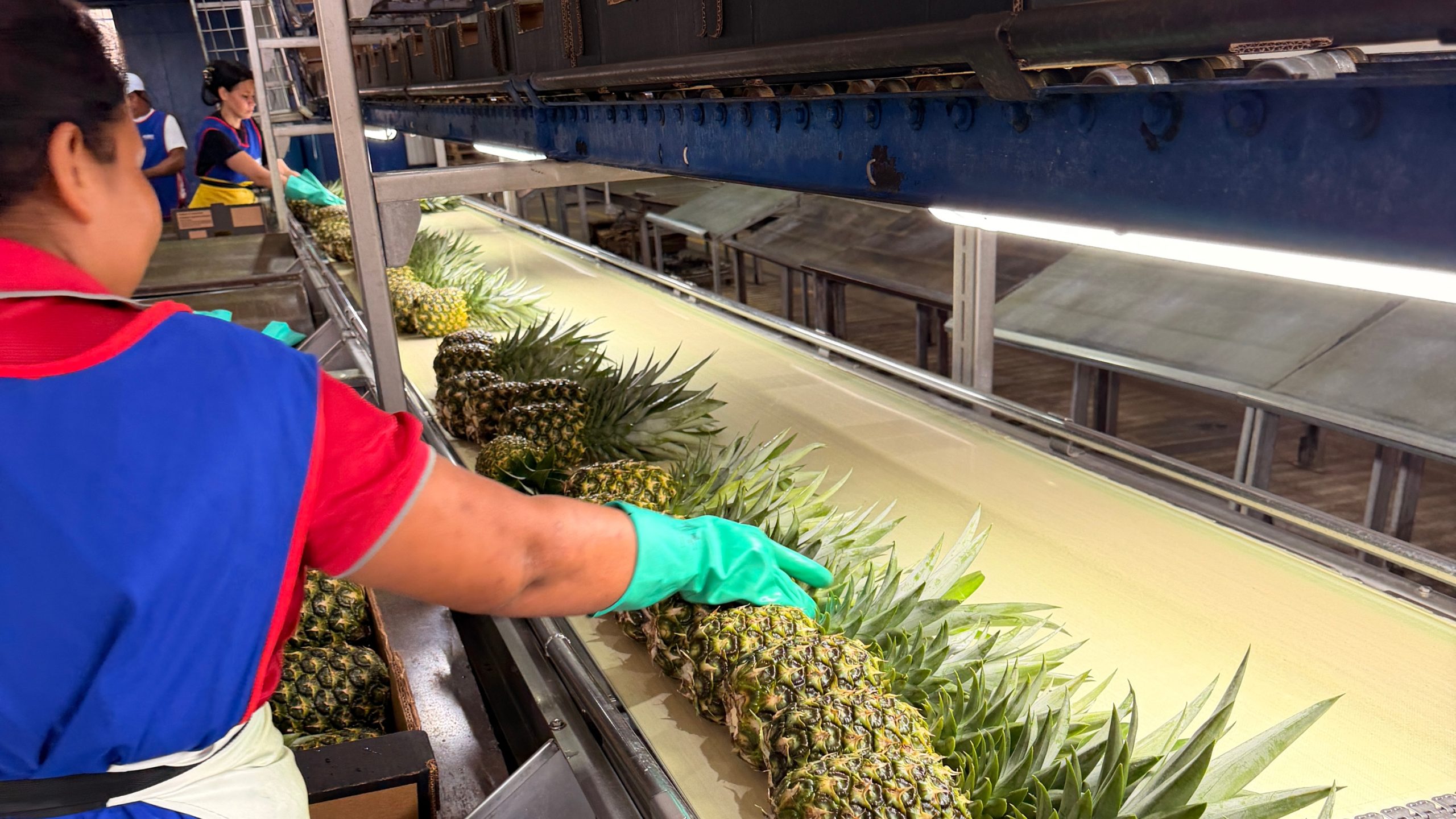
1. How supermarkets sort fruit (and what they’re really sorting for)
2. How CrowdFarming does quality control differently
3. Why cosmetic standards are one of the biggest drivers of food waste
4. What branch rubs, healed scars, and natural deformities actually mean for what’s inside
In our orange supply-chain study, we found that around 22% of fruit is discarded in the supermarket model — compared to roughly 3% in a direct-to-consumer model.
That’s not a small difference. Class II doesn’t mean lower quality. Extra class doesn’t mean better taste. And maybe before we worry about producing more food, we should stop wasting what we already have.
Written by Cristina Domecq

Cristina Domecq is the Head of Impact at CrowdFarming. She operates where the boardroom, the field, and social conversations converge, convinced that the clues to fixing the food system are revealed in that intersection. Her goal is to achieve a behaviour change that sticks—a mission that only works if both farmers and consumers are truly on board.