
Published May 2026
What is Demeter?
Does Demeter equal organic? Is it inferior? Is it better? Does it require an official seal like the European Union´s organic label? Is it really that good?
Let us try to share what we have learned of the Demeter mystery.
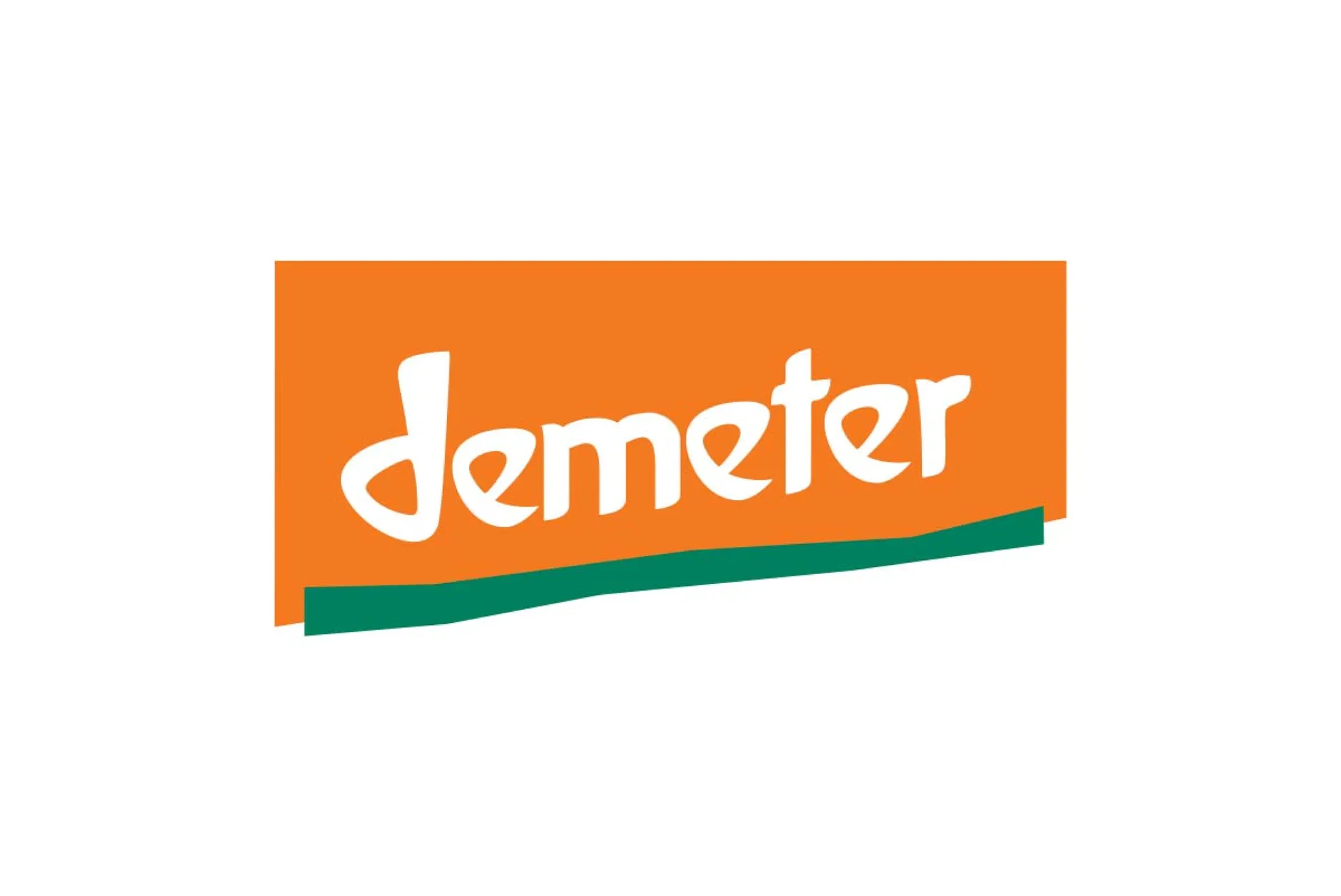
Demeter in the agricultural world (vs. the world of ancient greek gods) refers to an international movement of biodynamic agriculture which, if certified, does indeed result in a label. The responsible body is the Biodynamic Federation that sets holistic standards for farming practices that go beyond organic, taking a regenerative approach.
This basically means that Demeter includes even higher standards than organic does.
The Federation considers biodynamic farming to be the most sustainable form of farming, with the most demanding requirements known in agriculture, that are believed to result in products of superior quality.
“It´s about giving back to the earth” explains Ernesto from Casa Carlos, one of our very own Demeter farmers. “Biodynamic agriculture makes use of more wisdom – it started with the lectures that Steiner gave in 1924, explaining what had to be done to improve the life of the soil – they are the basis of Demeter farming standards.”
Rudolf Steiner was an Austrian philosopher and scientist, founder of the Waldorf education among other things, and in 1924 he gave a seminar talking about soil health, following the introduction of agrochemicals into European agriculture. To this day, the lectures he gave serve as guidelines for Demeter practitioners.
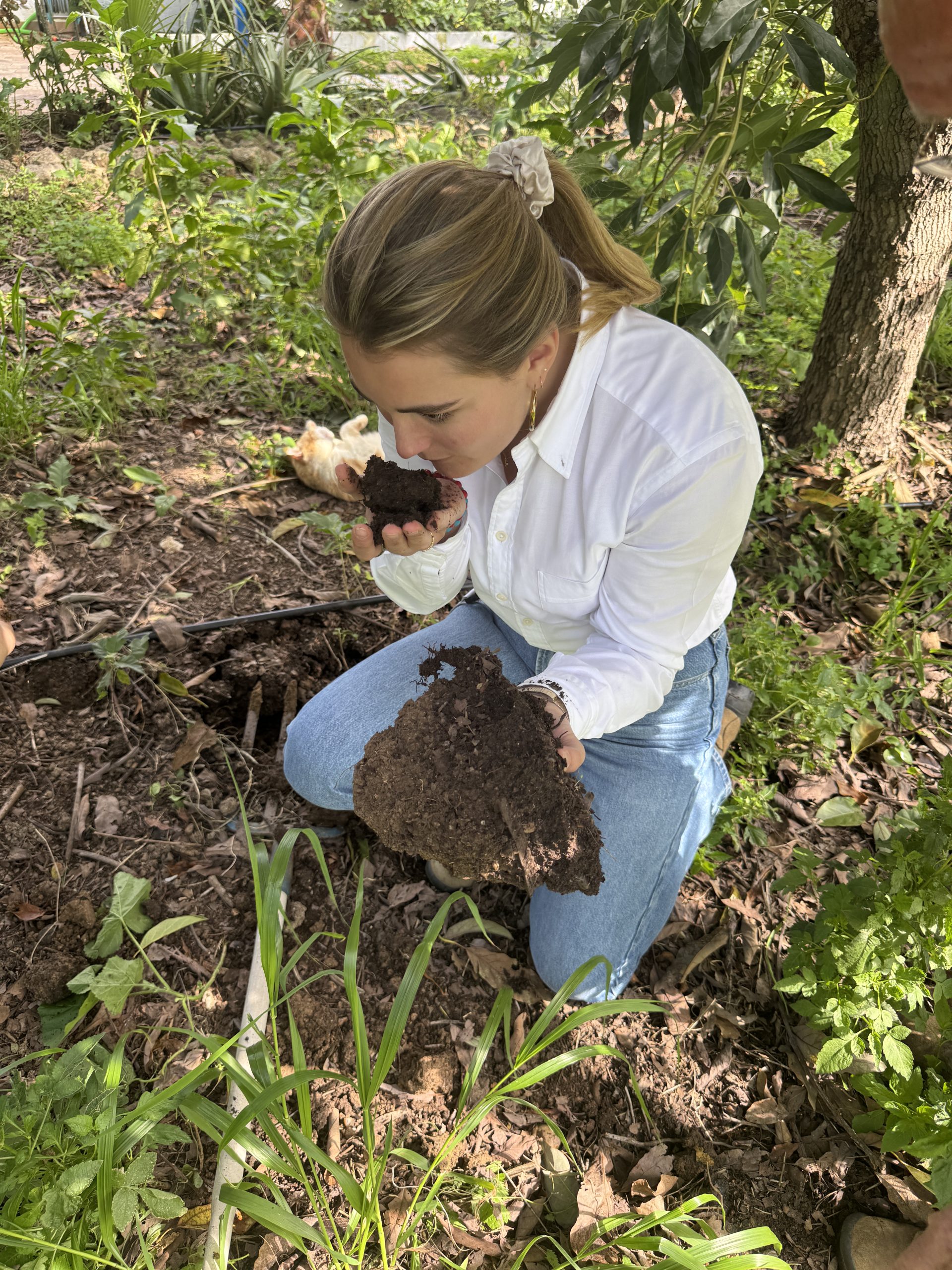
Healthy soil in the Demeter sense means soil that is rich in humus: a substance that is created when organic matter decomposes. Humus is not only rich in nutrients but also increases water retention and captures carbon, making it both plant- and atmosphere-friendly.
So what precisely is the difference between the organic and Demeter labels?
Apart from soil health and diversity, an important pillar of Demeter is the genetic make-up of the plants – plant breeding is subject to specific principles. Demeter seeds are grown biodynamically as much as Demeter vegetables and fruits are. The seeds can even be bought under the Demeter label.
Demeter is a registered trademark and to use it means having received the certification which entails regular inspection and reviews , to ensure that the International Demeter Biodynamic Standard is followed. “If a farmer wants to receive the Demeter certification, they first need to start converting to organic farming.” as Ernesto tells us. “Organic farming is the base, and then the transition to Demeter takes about a year.”
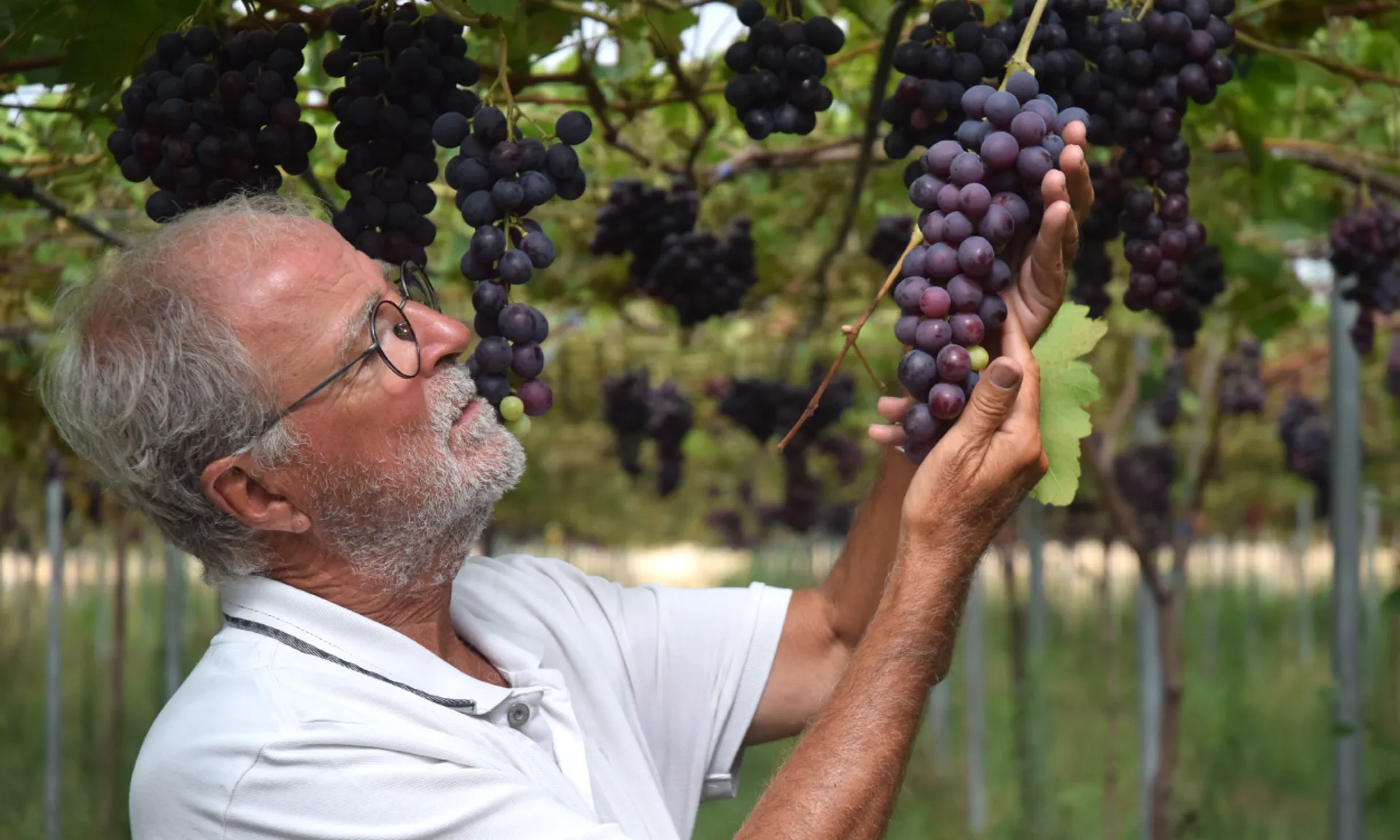
To become a Demeter farmer not only means following the rules but requires a change in attitude, it means gaining a different understanding of agriculture. The approach is a very different one from conventional farming practices and the golden rule is to make the soil richer instead of degrading it.
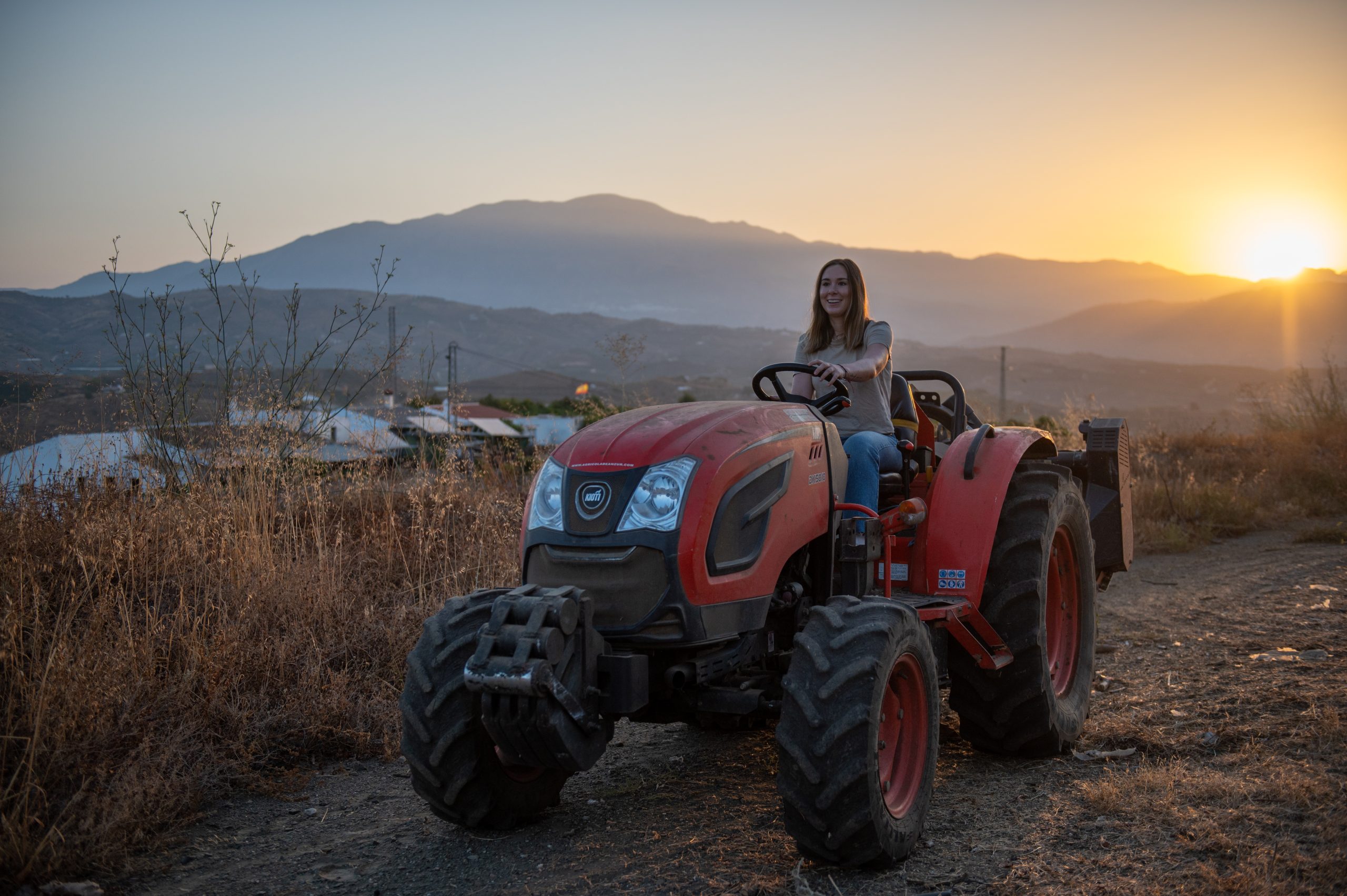
“Demeter practitioners need to be a little crazy” states Ernesto, a proud producer of citrus fruits, kiwis and one of the only european producers of seedless Demeter grapes. As one of few farmers in Spain that follows Demeter practices, knows what he is talking about.
Why Demeter?
“Biodynamic means in favor of life, in favor of the forces of the cosmos, of nature itself. In addition to ecological practices that are essential, you have to use the specific tools of biodynamic agriculture. These tools include the four kingdoms; mineral, plant, animal and human will; to favor the harmony of the fifth kingdom: the farm.”
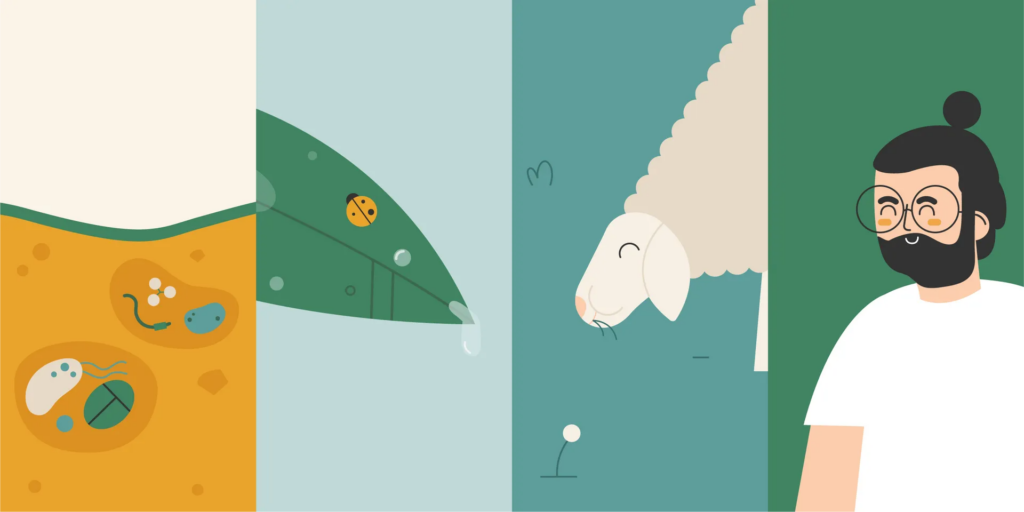
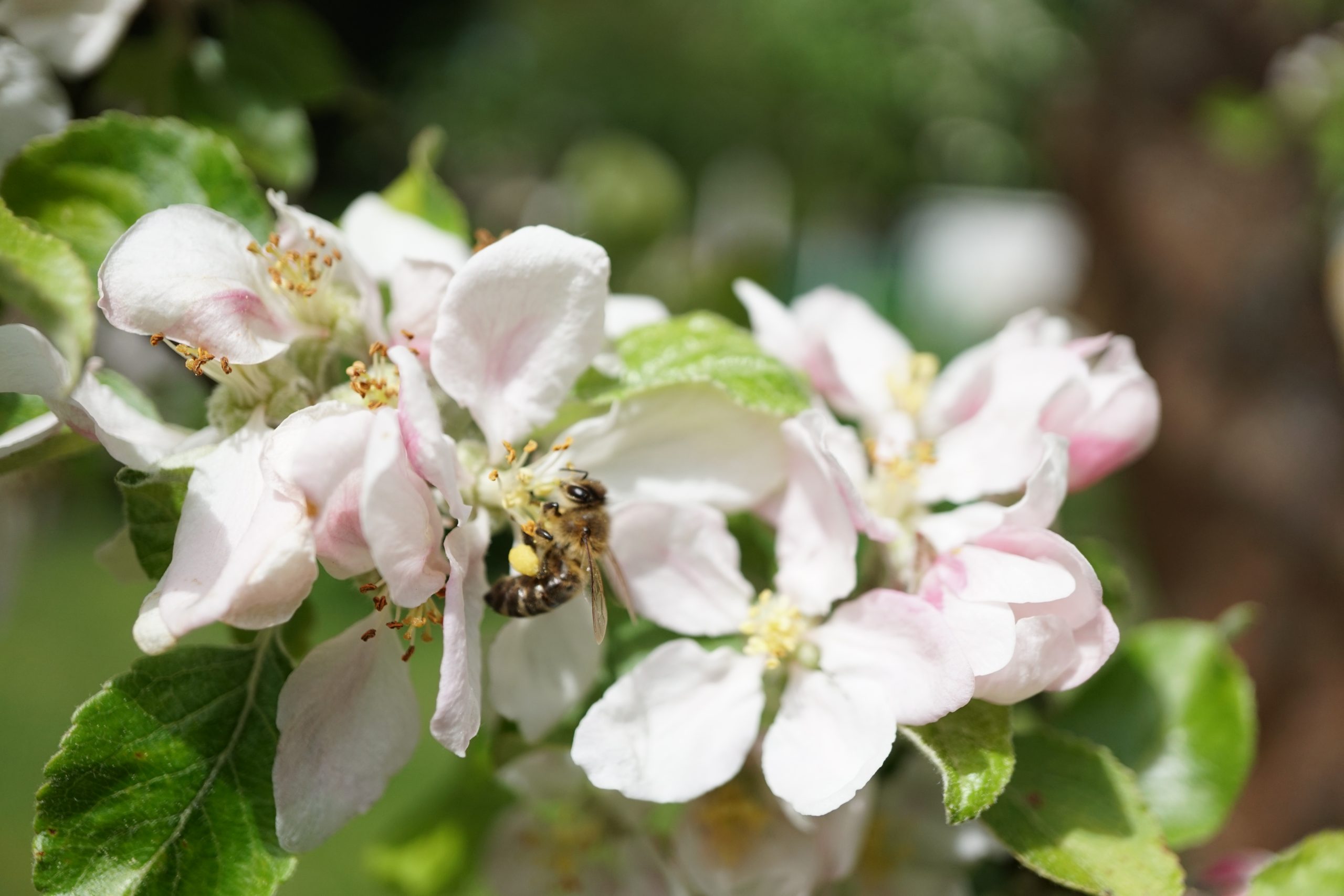
The aim is for each kingdom to thrive and live in a symbiotic relationship that assures the best outcome in terms of the quality of Demeter products. Insects and weeds for example are seen as friends and not as foes of the farmer. Biodiversity is encouraged instead of eliminated. According to Ernesto, “A real expert can analyze the soil through the weeds that grow on it. They indicate the state of the soil. When we started with the conversion process for example, we had different weeds than the ones that we have now. The weeds tell you a lot about the state of your soil.”
“You follow the moon: When things are done in harmony with the cosmos, they work better“
For Ernesto, who used to work as an architect for many years, pursuing Demeter farming practices was a no-brainer when he bought a farm with 170 hectares of land. Watching the “four kingdoms” transform and thrive under this new, kinder treatment, was definitely worth it for him. Even if it means having higher production costs, “I never doubted that this is the right way for me,” he says. “I do not believe in conventional agriculture.”
In the end, this leaves us with another very apt definition of what Demeter is: both an agricultural practice and a belief system, rooted in the conviction that nature knows best and we only need to learn to understand it, to let it guide us.
A little wisdom of the “back to the roots” kind that might be applicable to more than just agriculture.
Written by Emmeline Hess

Emmeline es experta en comunicación, vocación que ha estado ejerciendo durante más de 9 años en empresas con enfoque en la sostenibilidad.
Esta nueva podcaster es una gran aficionada a la comida, una preocupada por el cambio climático (aspirante a guerrera) y le gusta una buena discusión casi tanto como los perros.
Keep digging ...